
Dorsey Trailers For Sale
Shop Dorsey trailers for sale, including flatbed and live floor models with common specs, applications, suspension options, and deck setups.
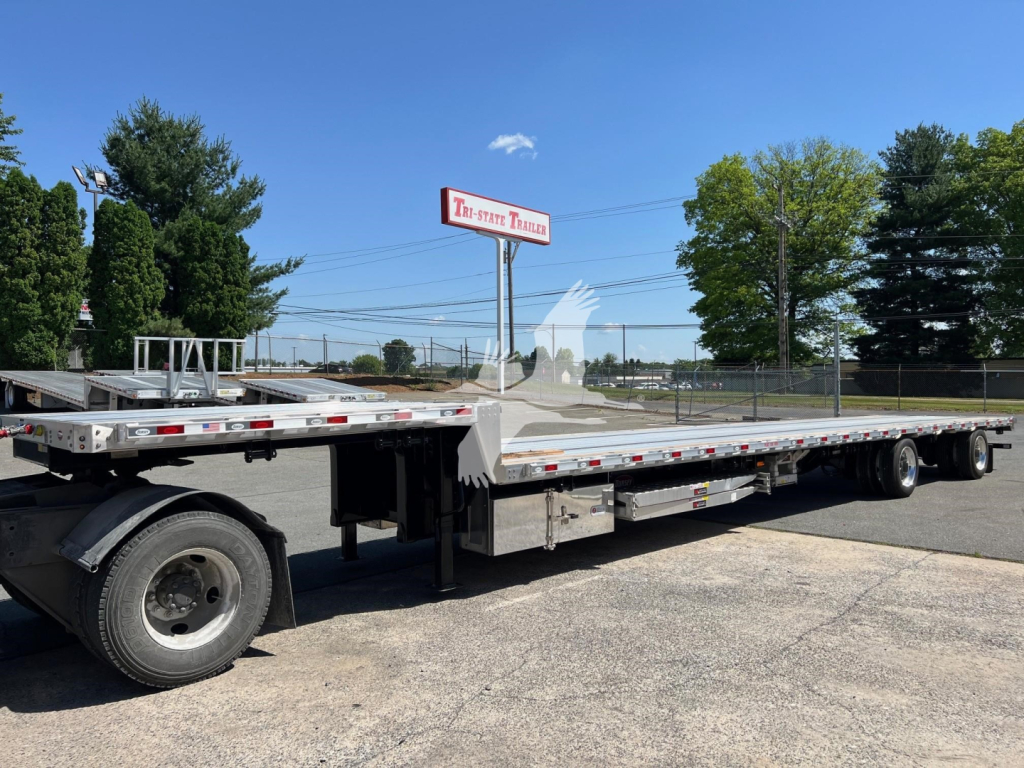
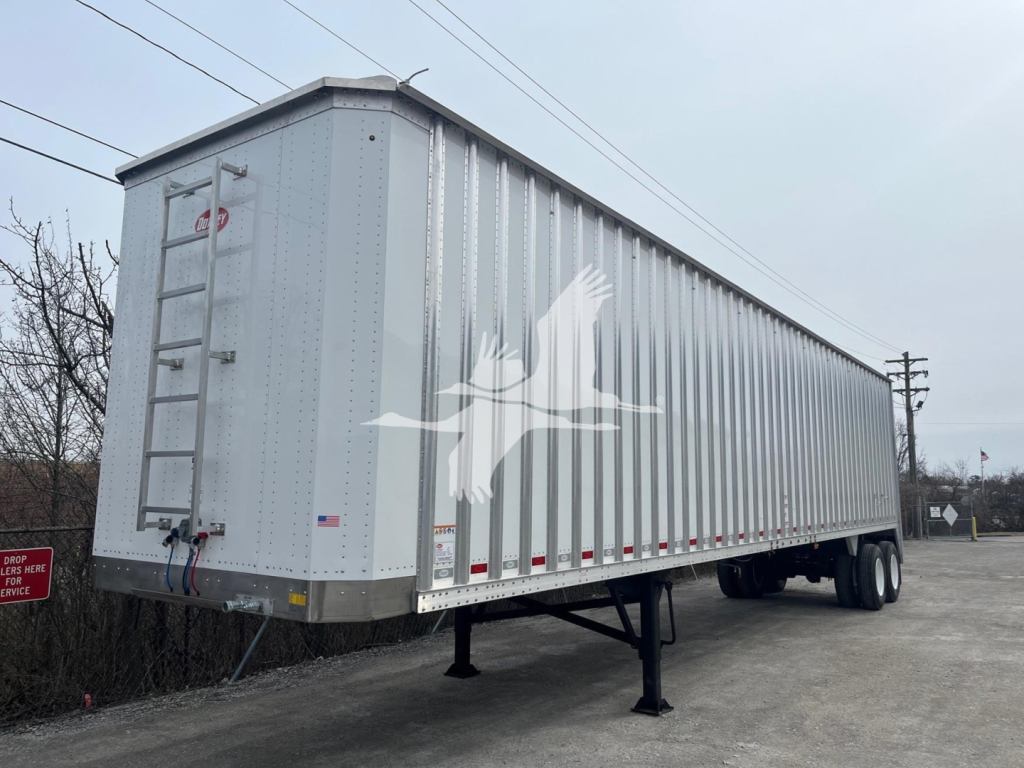
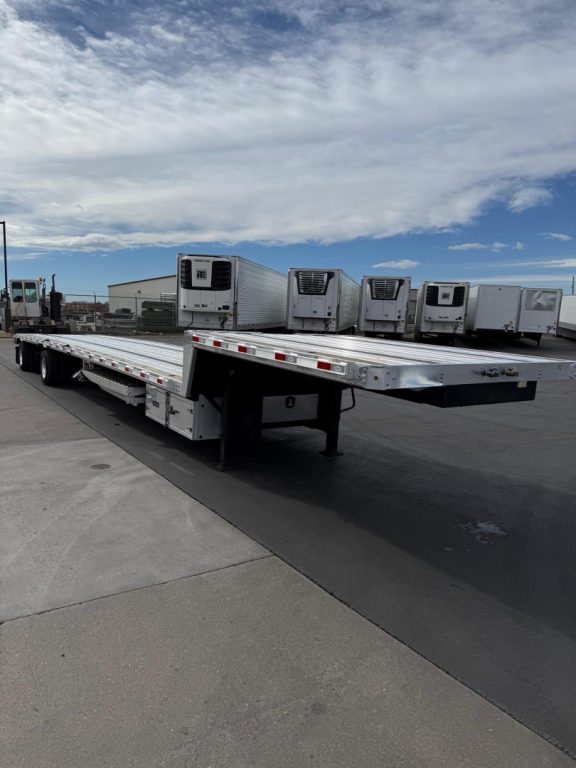
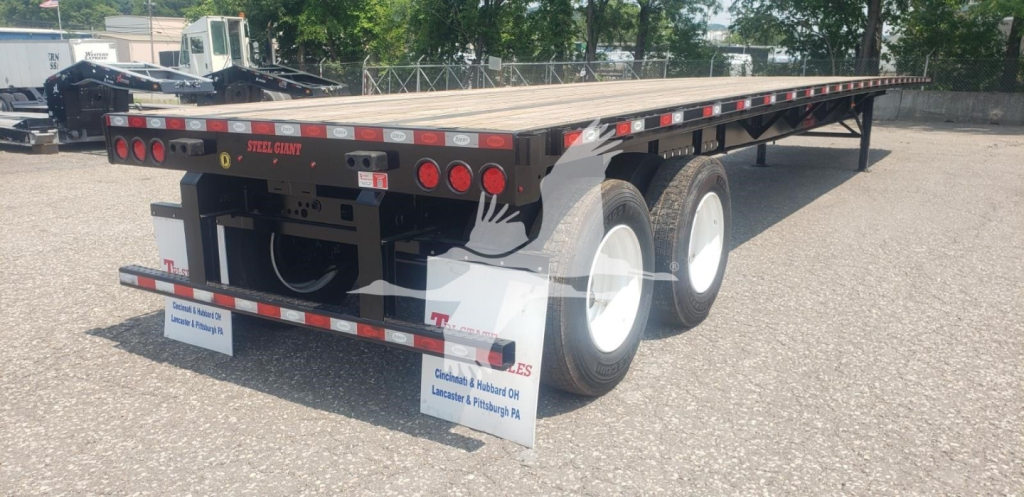

Showing 25 to 48 of 62 results
Have dorsey trailer to sell? List it here to reach thousands of buyers.
Dorsey Trailers
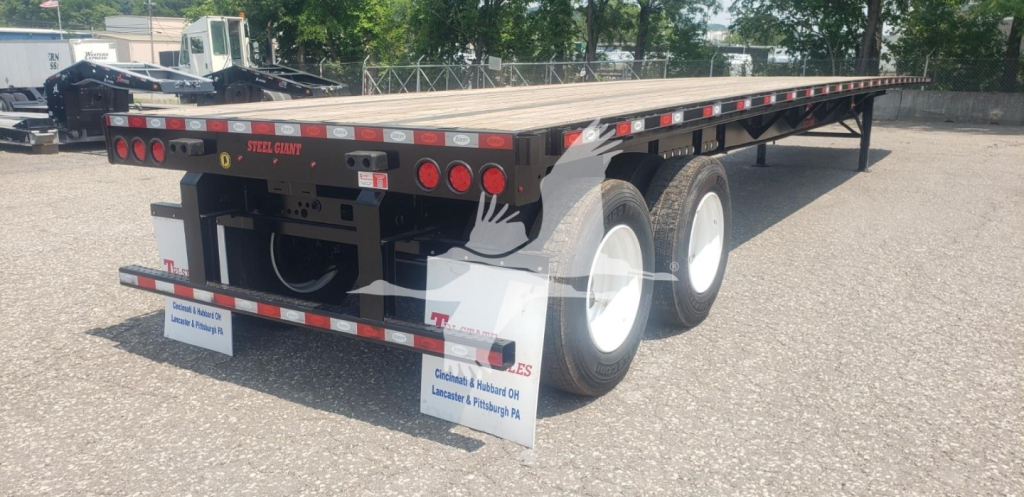
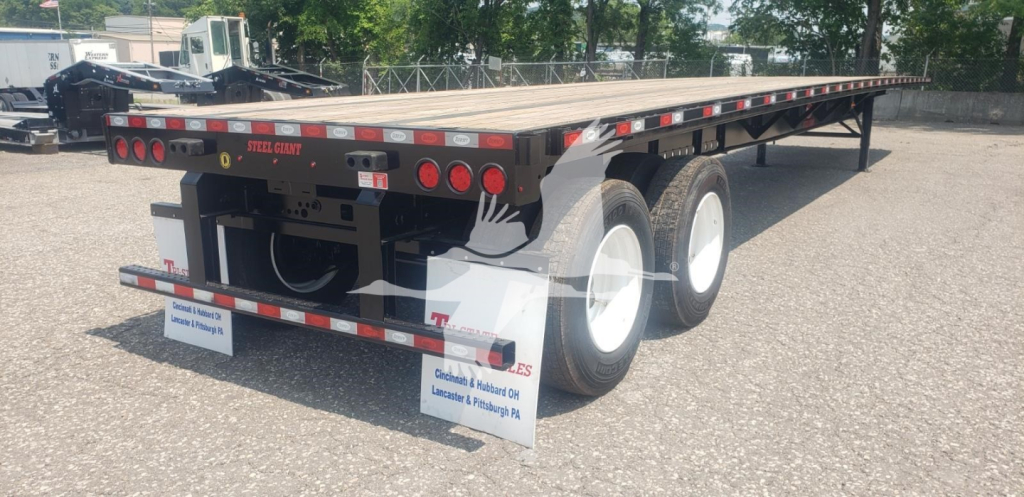
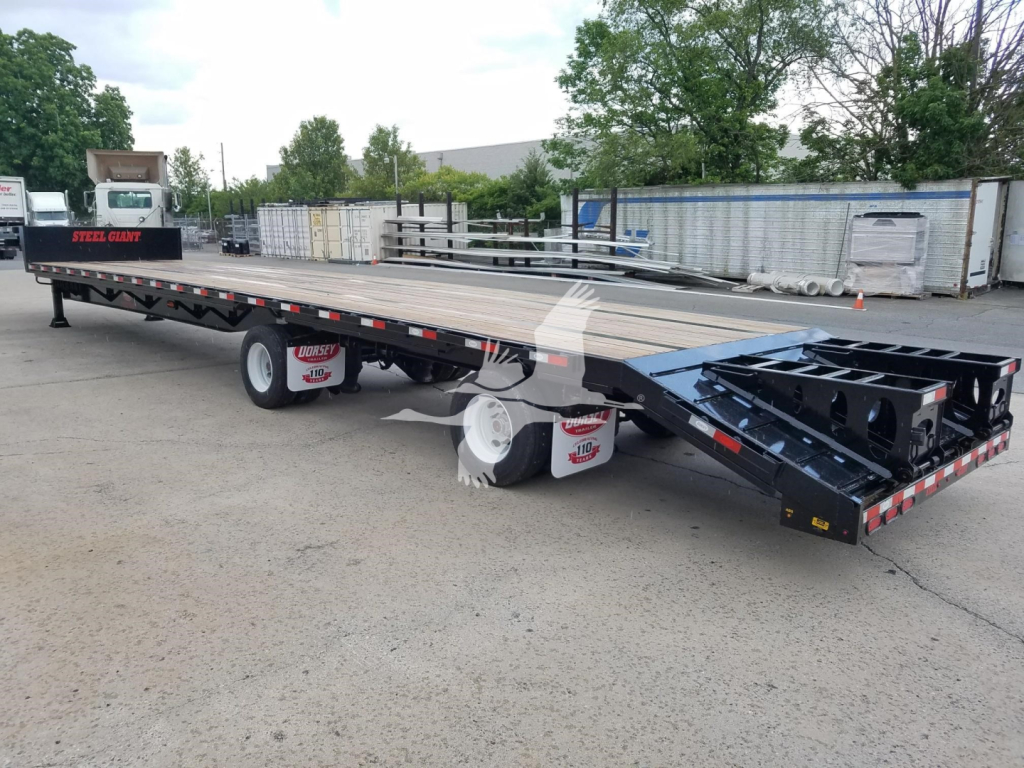
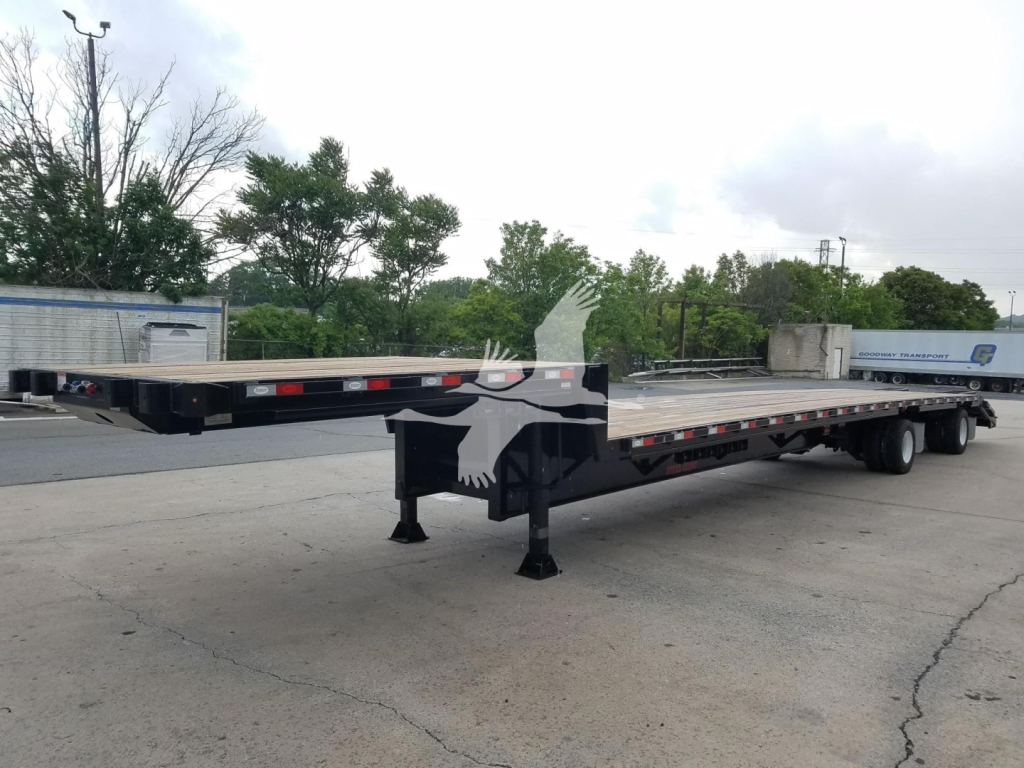
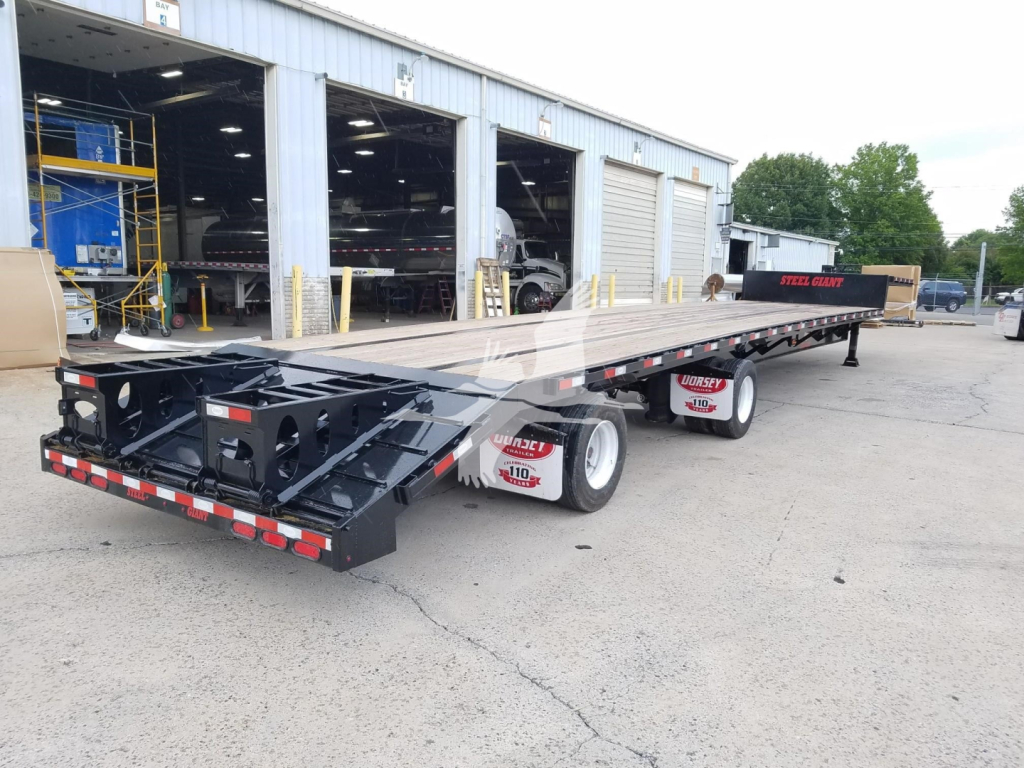
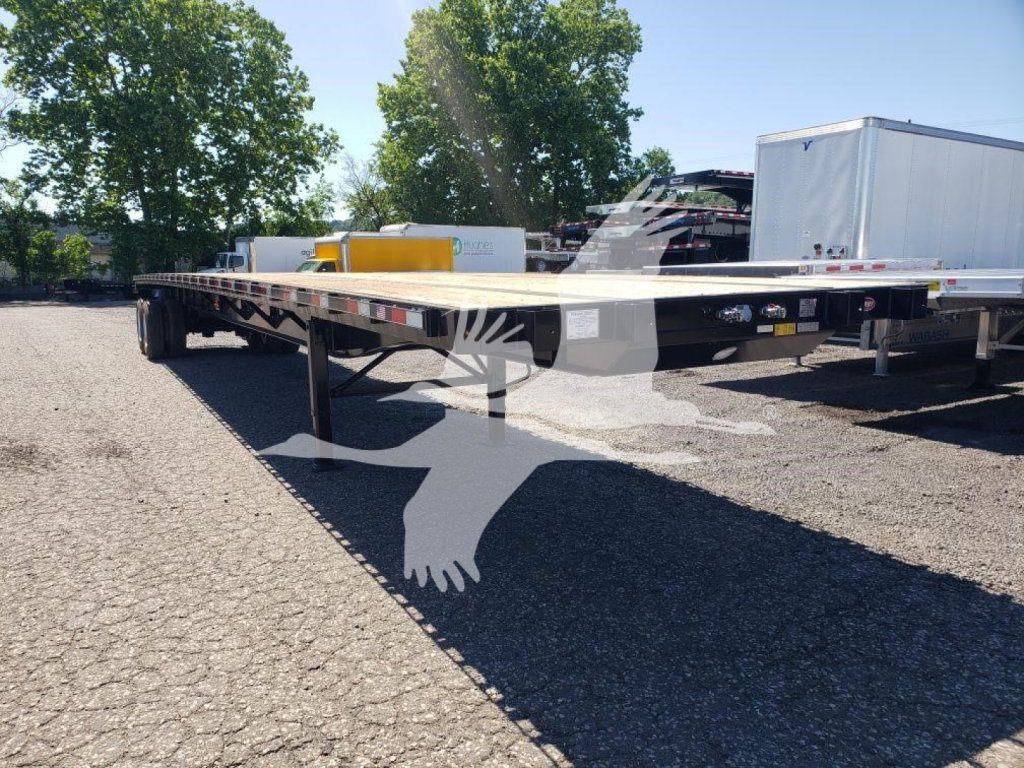
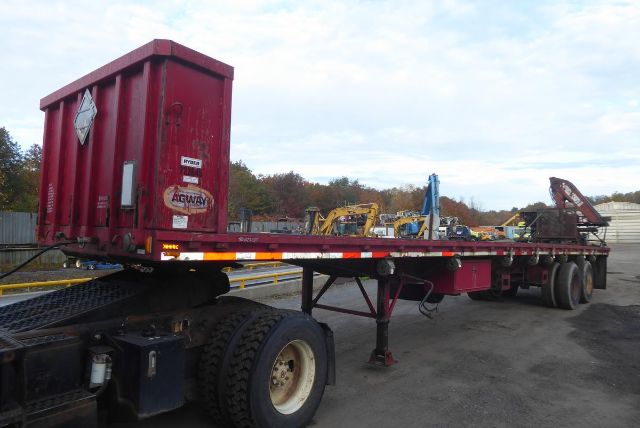
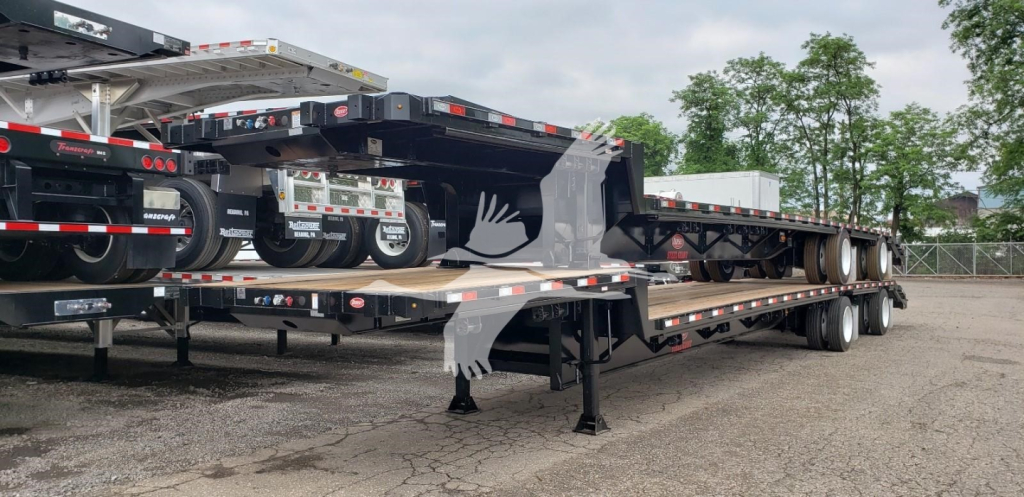
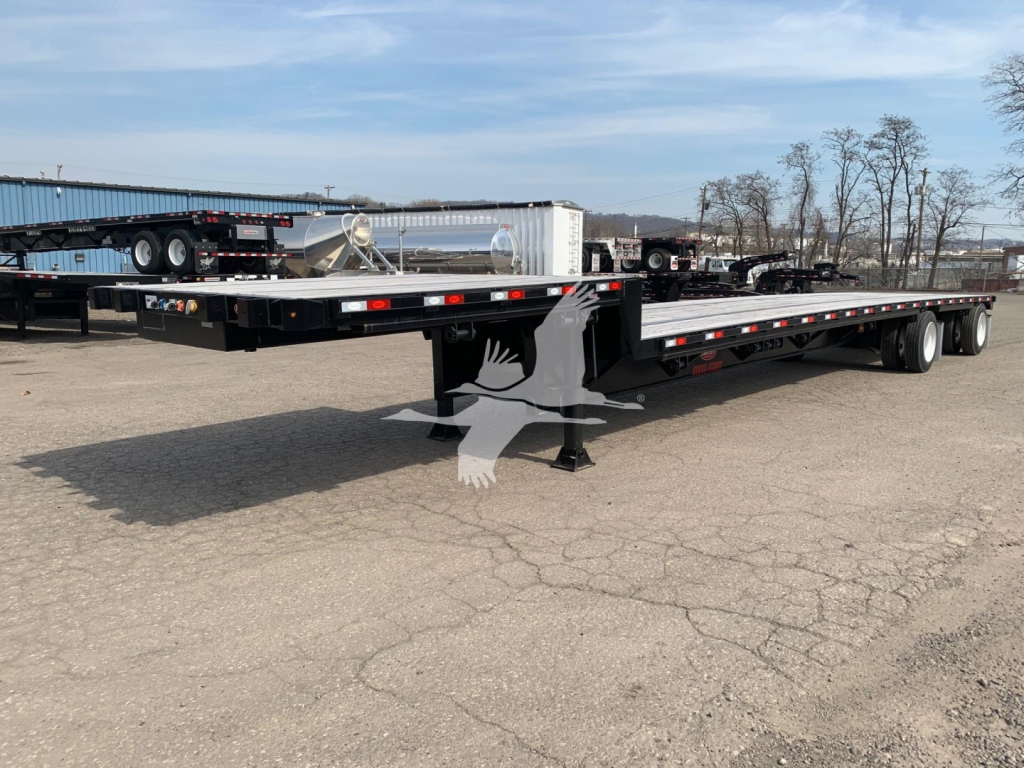
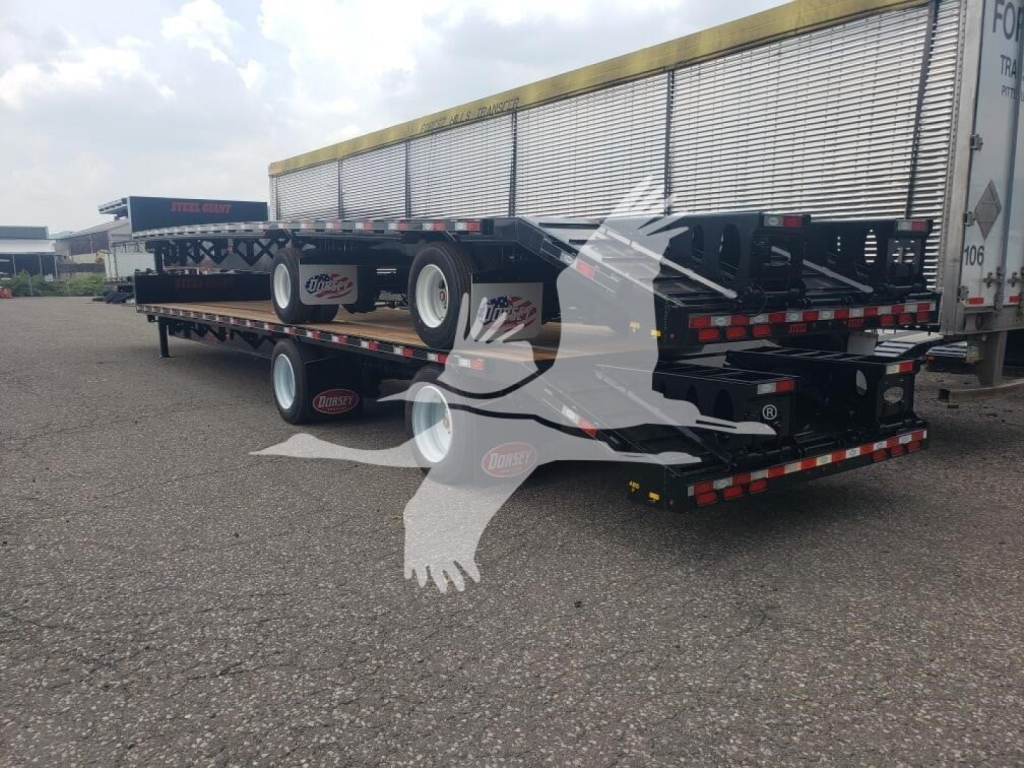
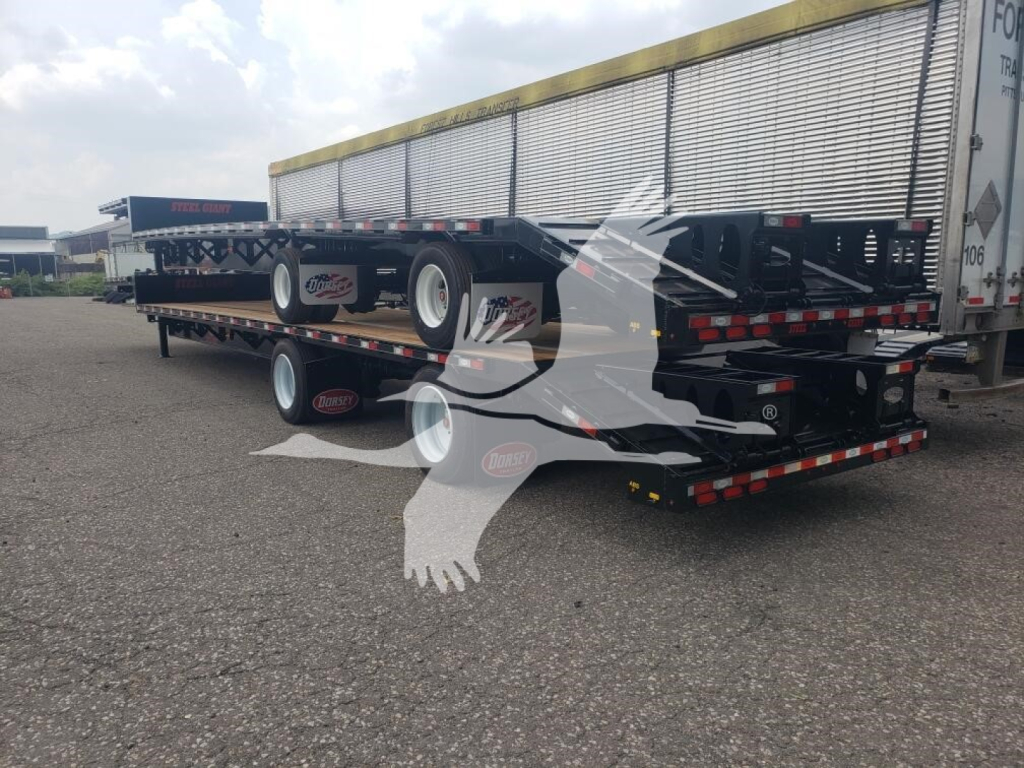
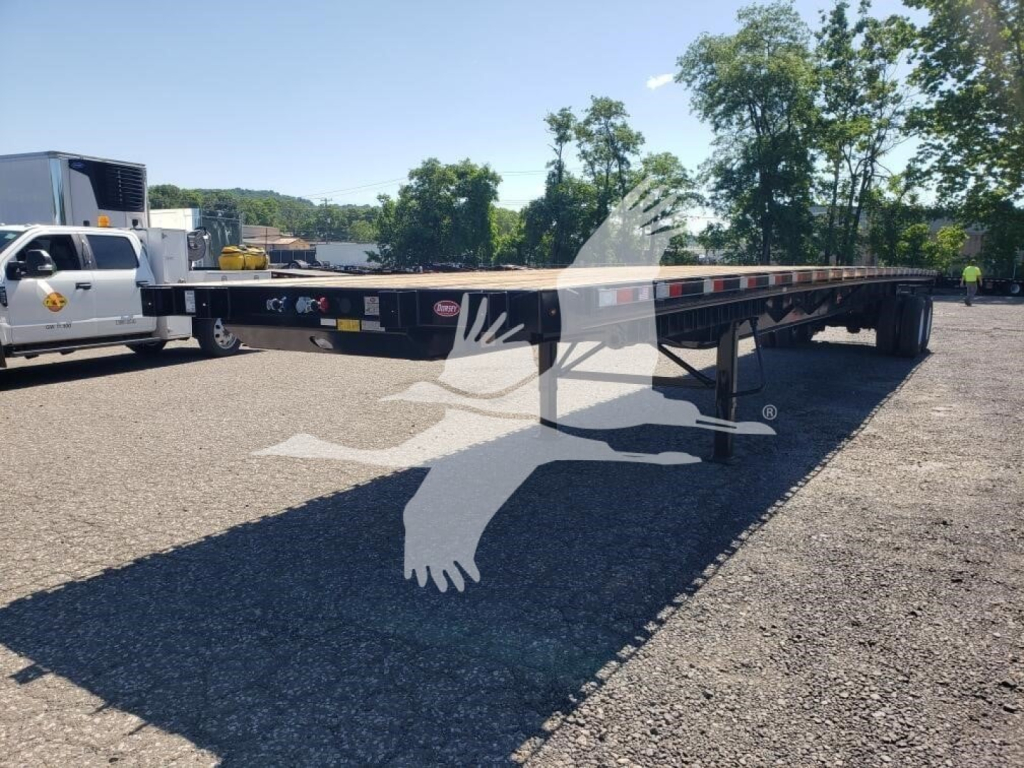
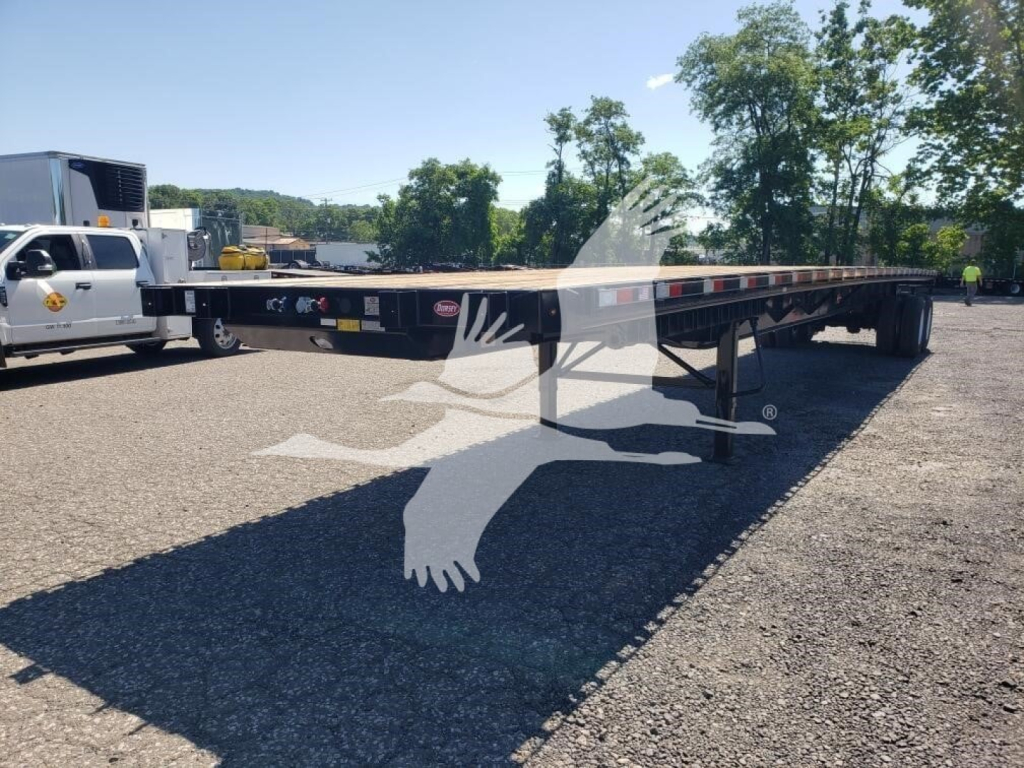
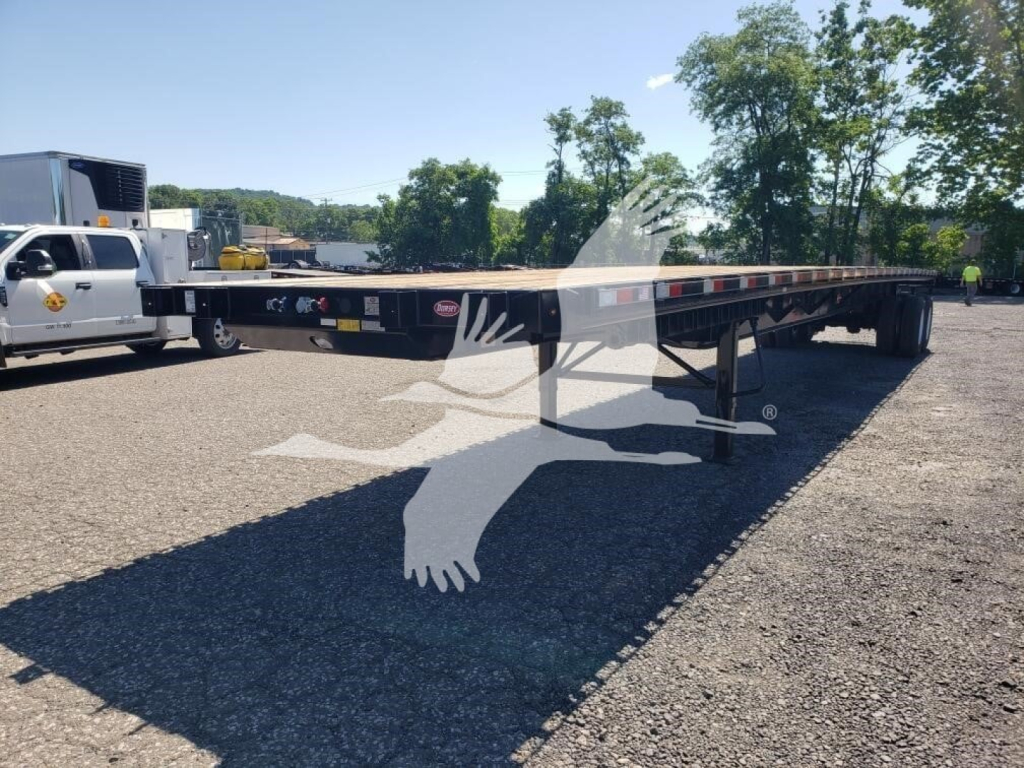
On Dorsey flatbeds, the important details are in the deck and securement package. Common specs include 1 1/8-inch Apitong flooring, aluminum or steel side rails, pipe spools, stake pockets, sliding winches, and coil package options with extra crossmembers. A 30-inch kingpin setting and sliding tandem are also typical on many road units, which matters for bridge law compliance and axle spread flexibility. If your freight mix includes coils, lumber, pipe, or machinery, look closely at crossmember spacing, tiedown count, winch track design, and whether the trailer has nailing strips, toolboxes, or full-length rail setups. Those features affect daily usability as much as rated capacity.
For buyers considering a Dorsey live floor trailer, the decision points are different. Floor system condition, hydraulic components, rear door style, wall construction, and suspension setup matter more than deck hardware. Listings in this category can include 46-foot bodies, 97-inch width, air ride suspension, manual rollover tarps, and rear swing doors. These trailers are commonly used for agricultural products, mulch, waste, compost, wood waste, and other bulk commodities that need controlled discharge without tipping. That makes them useful in low-clearance areas or on uneven ground where a traditional dump trailer is less practical.
When comparing Dorsey trailers for sale, buyers should pay close attention to suspension type, axle configuration, tire size, wheel material, floor composition, and overall empty weight. Spring ride flatbeds are common and straightforward to maintain, while air ride can be a better fit for more sensitive cargo or rougher operating conditions. On used units, inspect flooring wear, side rail damage, landing gear, brake life, tire age, tandem slide operation, and any signs of frame or crossmember repairs. Dorsey remains a familiar trailer brand in many fleets because the specs are usually straightforward, parts support is manageable, and the equipment fits standard over-the-road flatbed and bulk applications without unusual setup requirements.
Frequently Asked Questions about Dorsey Trailers
What types of Dorsey trailers are most common on the used market?
The most common Dorsey trailers buyers will see are flatbeds, combo flatbeds, steel flatbeds, and live floor trailers. Flatbeds are widely used for construction materials, steel, machinery, and palletized freight, while live floor models are more specialized for bulk commodities such as agricultural products, mulch, scrap, compost, and similar loads that need horizontal unloading.
How do I choose between a steel Dorsey flatbed and a combo flatbed?
A steel flatbed usually offers durability and a lower purchase price, which can make sense for tough vocational work and buyers focused on acquisition cost. A combo flatbed uses aluminum in key areas with steel where strength is needed, reducing tare weight and improving payload potential. The right choice depends on your freight mix, payload targets, operating environment, and how much value you place on lower empty weight versus heavier-duty structure.
What specs matter most on a Dorsey flatbed trailer?
The most important flatbed specs are trailer length, deck material, crossmember spacing, axle setting, suspension type, and securement equipment. Buyers should also review kingpin setting, side rail design, stake pockets, winch track layout, number of sliding winches, pipe spools, and whether the trailer has a coil package. These details directly affect legal loading flexibility, load securement options, and how well the trailer matches the commodities you haul every day.
Is air ride or spring ride better on a Dorsey trailer?
Spring ride is common on flatbeds because it is simple, durable, and generally less expensive to maintain. Air ride can offer a smoother ride and may be preferable for cargo that is more sensitive to vibration or for operations running over rougher roads. On live floor trailers, air ride is also common because it helps with ride quality and load stability. The best suspension depends on cargo type, maintenance preference, and the conditions the trailer sees most often.
What should I inspect first on a used Dorsey live floor trailer?
Start with the floor system, including slats, drive components, hydraulic operation, and signs of uneven wear or binding. Then inspect the body walls, rear doors, tarp system, suspension, frame, and any scale equipment if equipped. Because live floor trailers rely on mechanical and hydraulic systems to unload, functional condition matters as much as the basic structure. A trailer that looks clean but has floor system issues can become far more expensive to own than a standard flatbed.