
2025 Trailers For Sale in Pennsylvania
Shop 2025 trailers for sale in Pennsylvania, including dry vans, flatbeds, and lowboys with specs that fit freight, route, and payload needs.
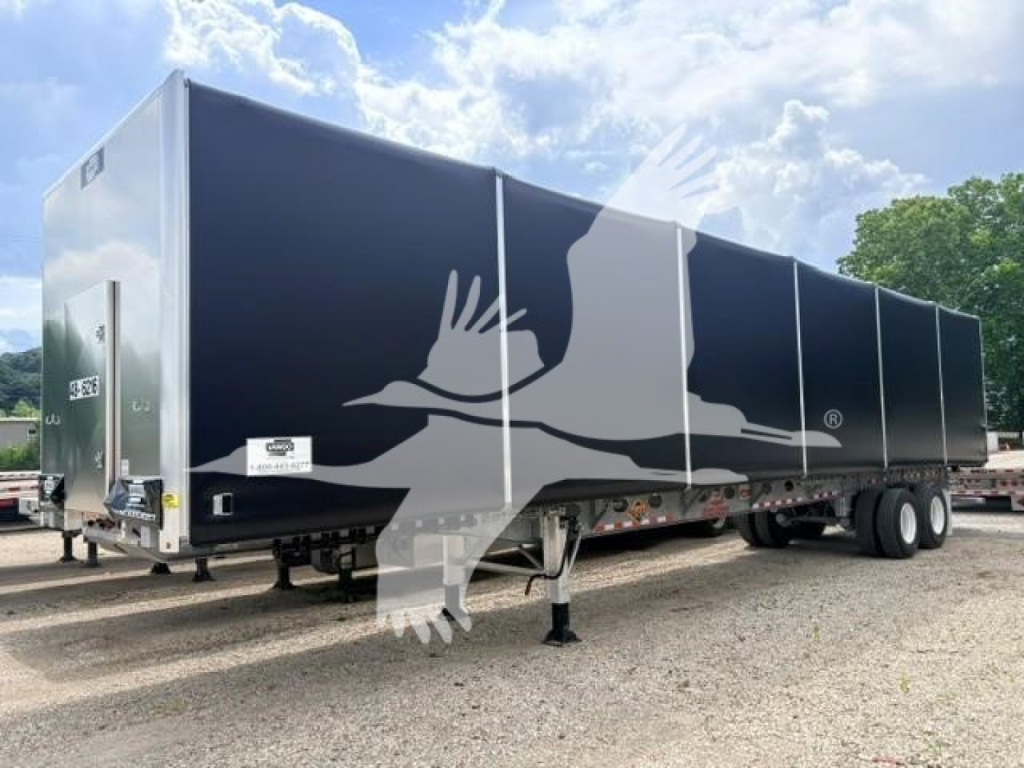
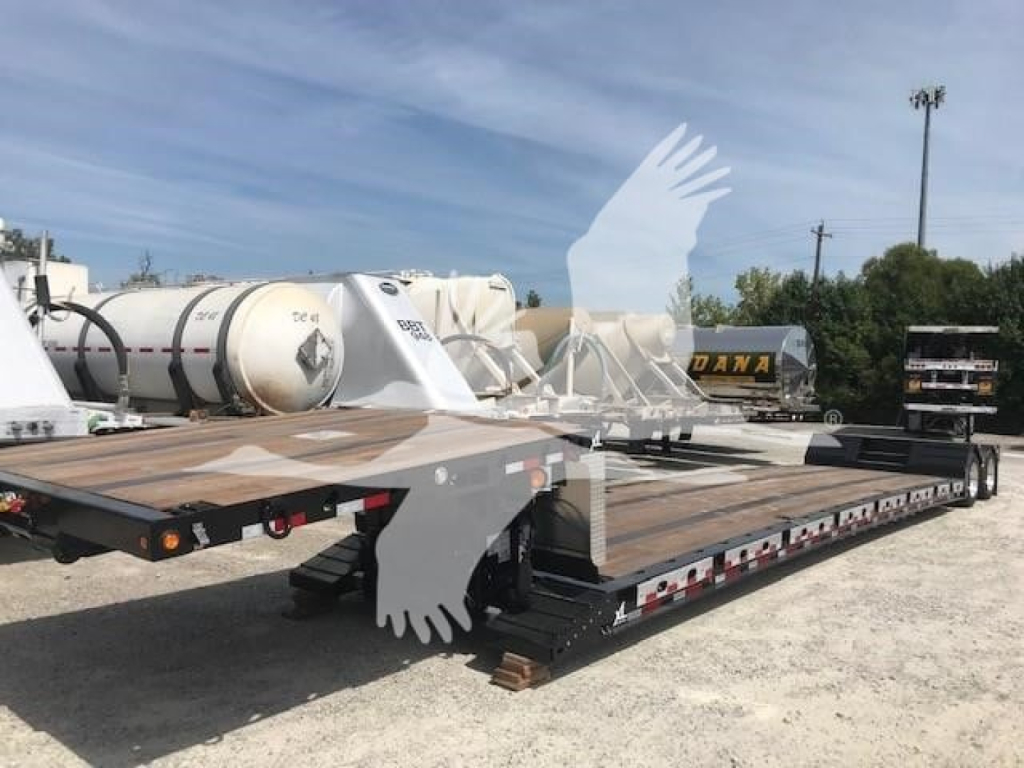
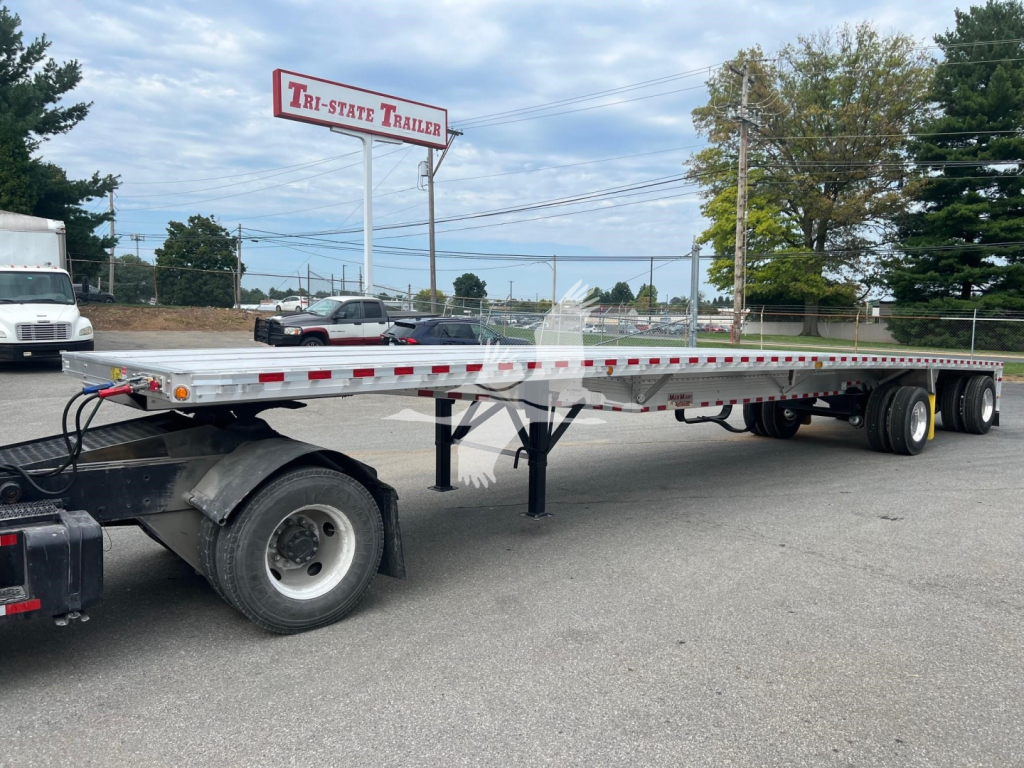
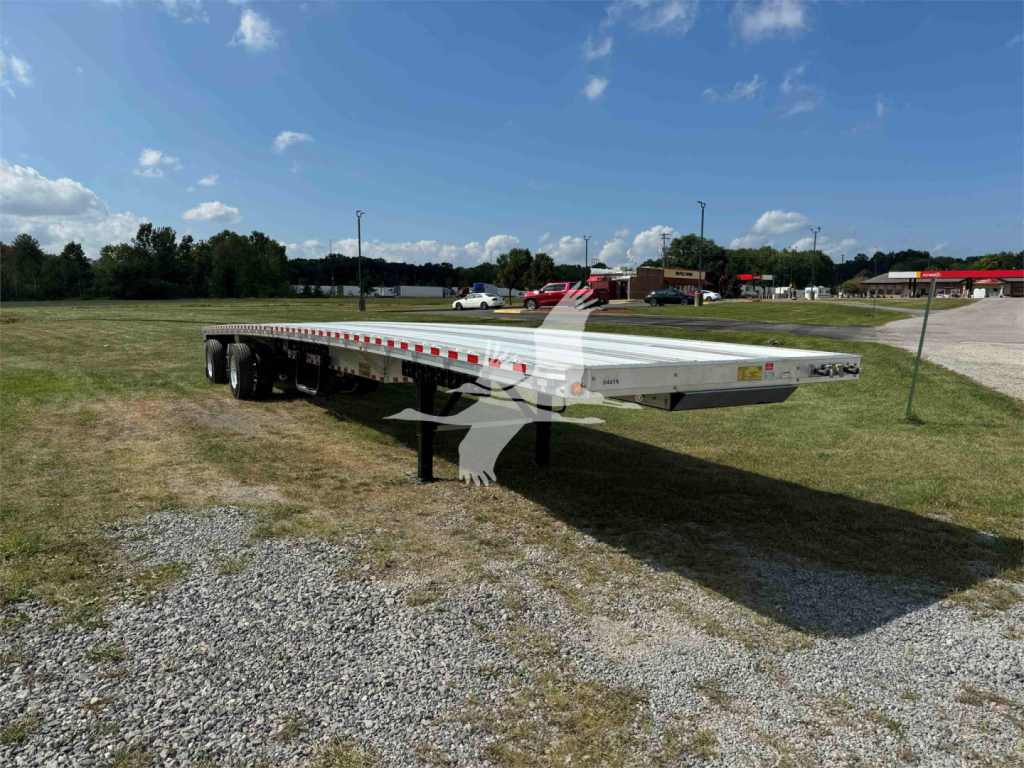
Showing 1 to 24 of 33 results
Have 2025 trailer to sell? List it here to reach thousands of buyers.
2025 Trailers in Pennsylvania
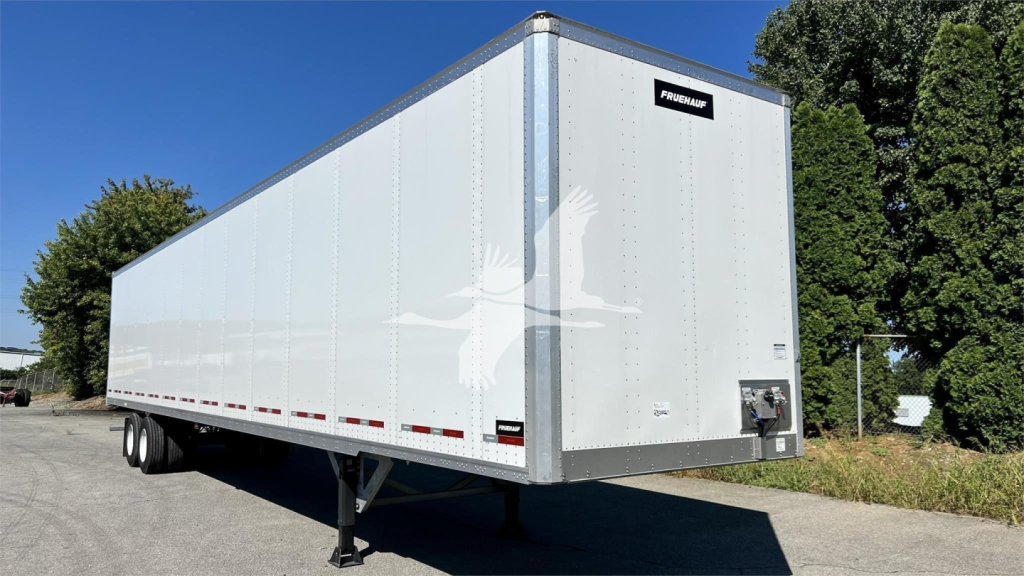
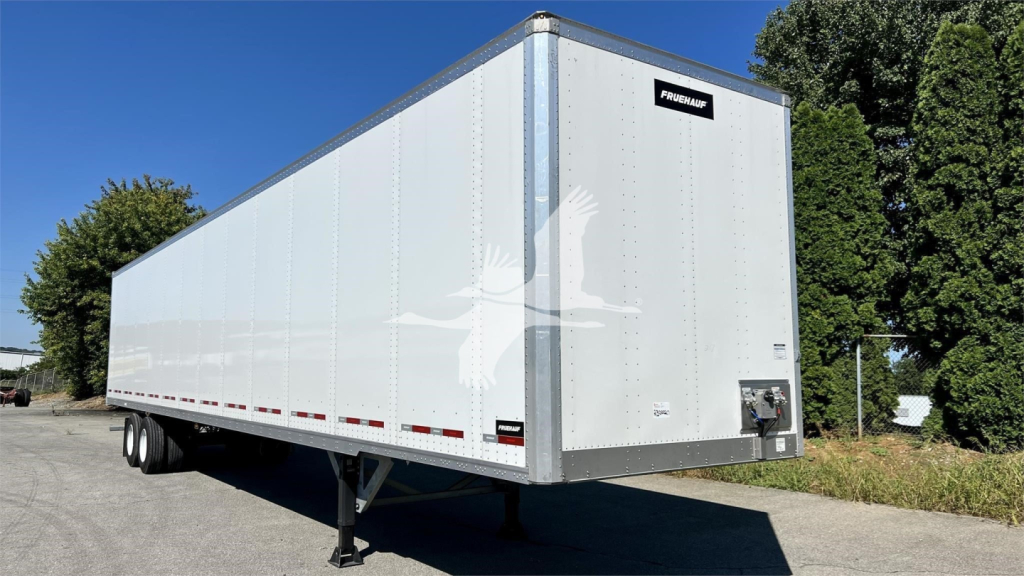
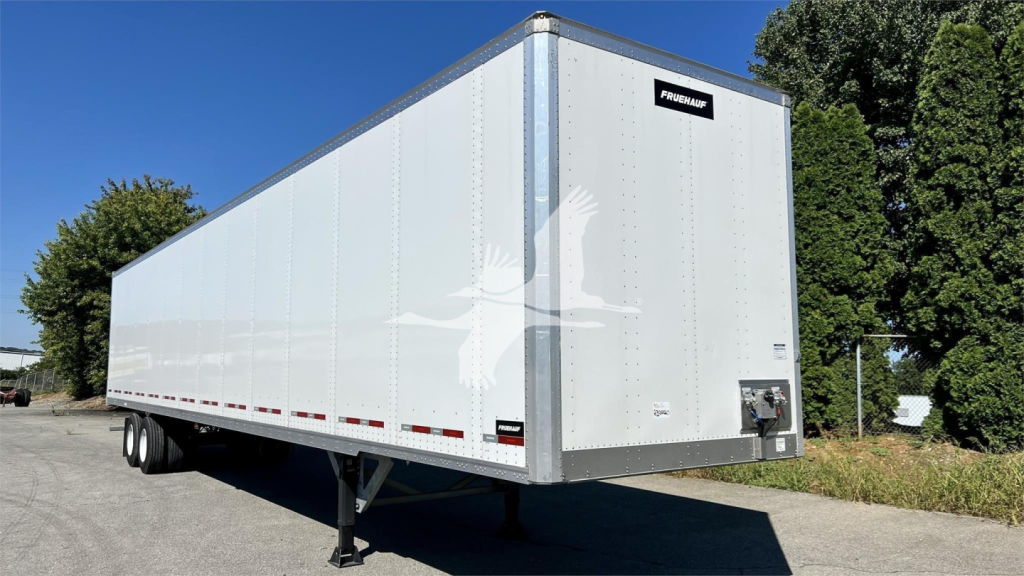
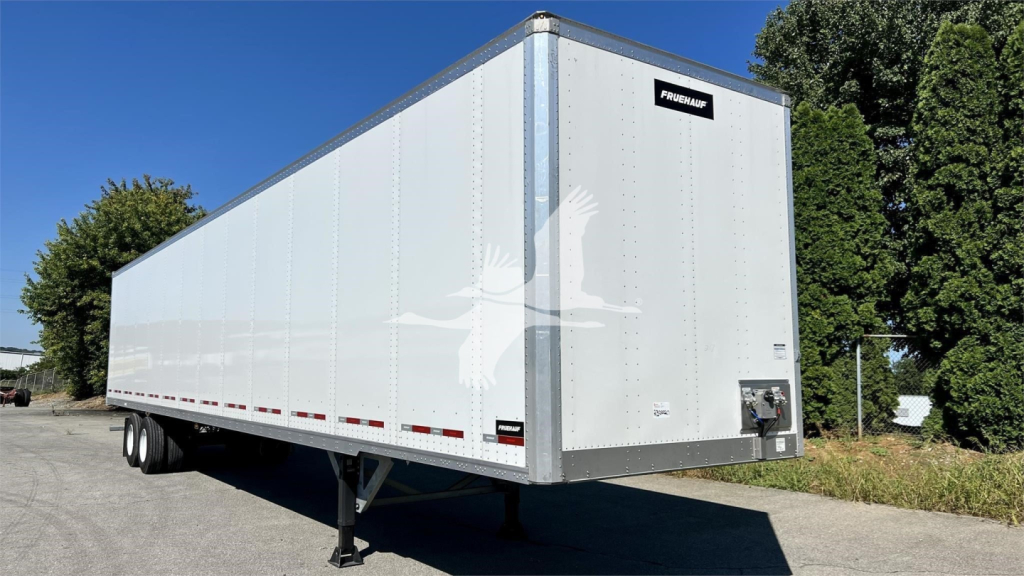
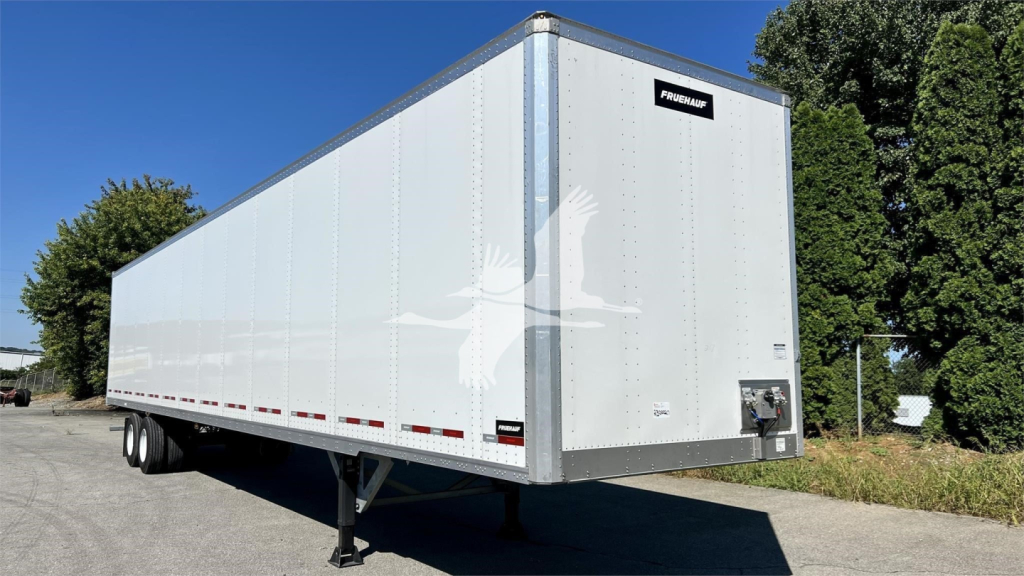
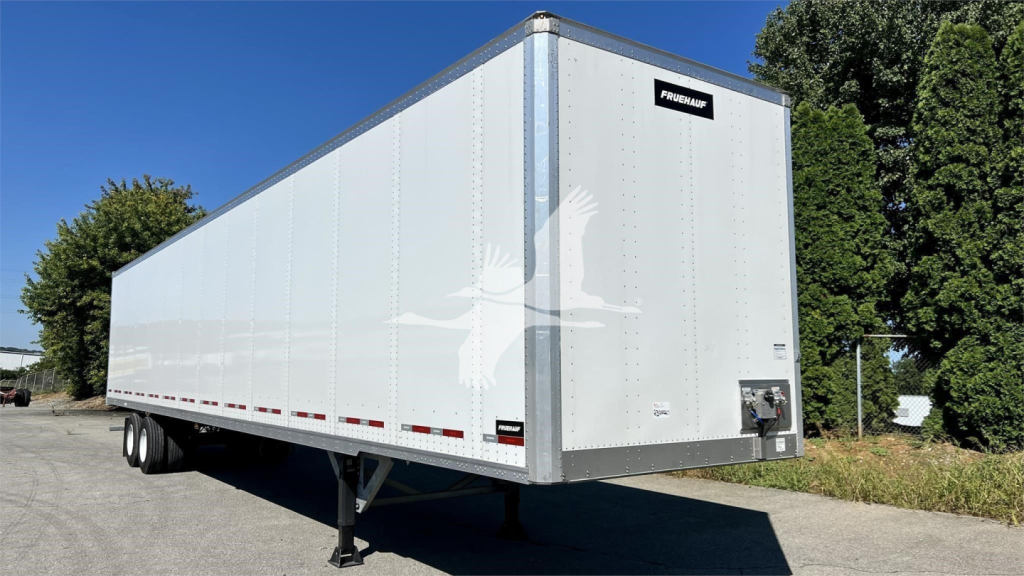
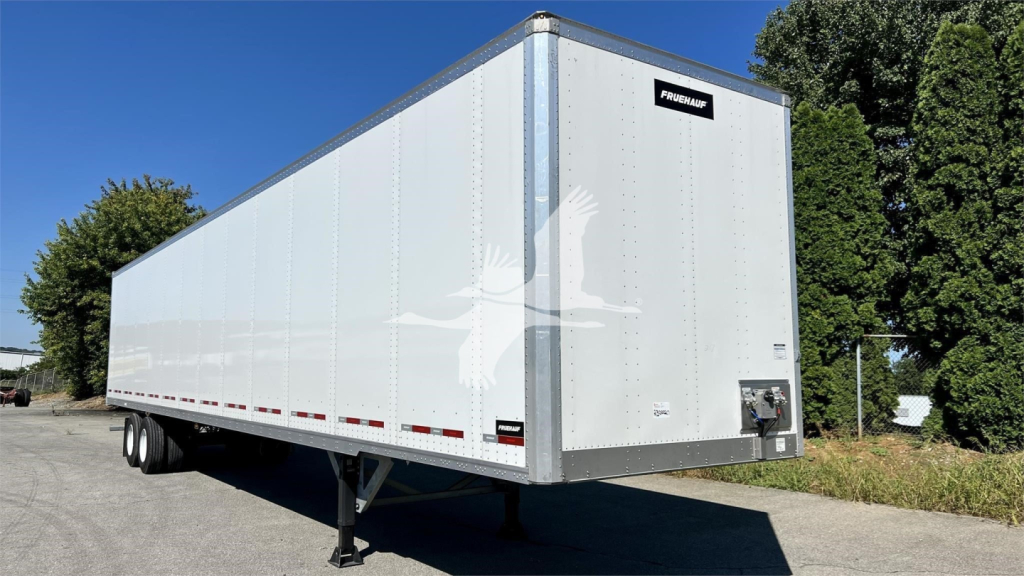
For general freight, 2025 dry van trailers remain the standard for protected, high-cube freight movement. The most common configuration is a 53-foot by 102-inch plate or sheet-and-post van with tandem sliding axles, air ride suspension, swing doors, aluminum roof, and a wood floor. Interior features like scuff liners and logistics posts matter if the trailer will handle palletized freight, retail loads, or mixed LTL work. Buyers should pay attention to tare weight, rear frame construction, door hardware, and lining condition if frequent dock loading is expected. Pennsylvania operators running distribution lanes around Harrisburg, Allentown, Philadelphia, and Pittsburgh often prioritize durable floors, smooth ride quality, and axle adjustability for bridge law compliance and dock flexibility.
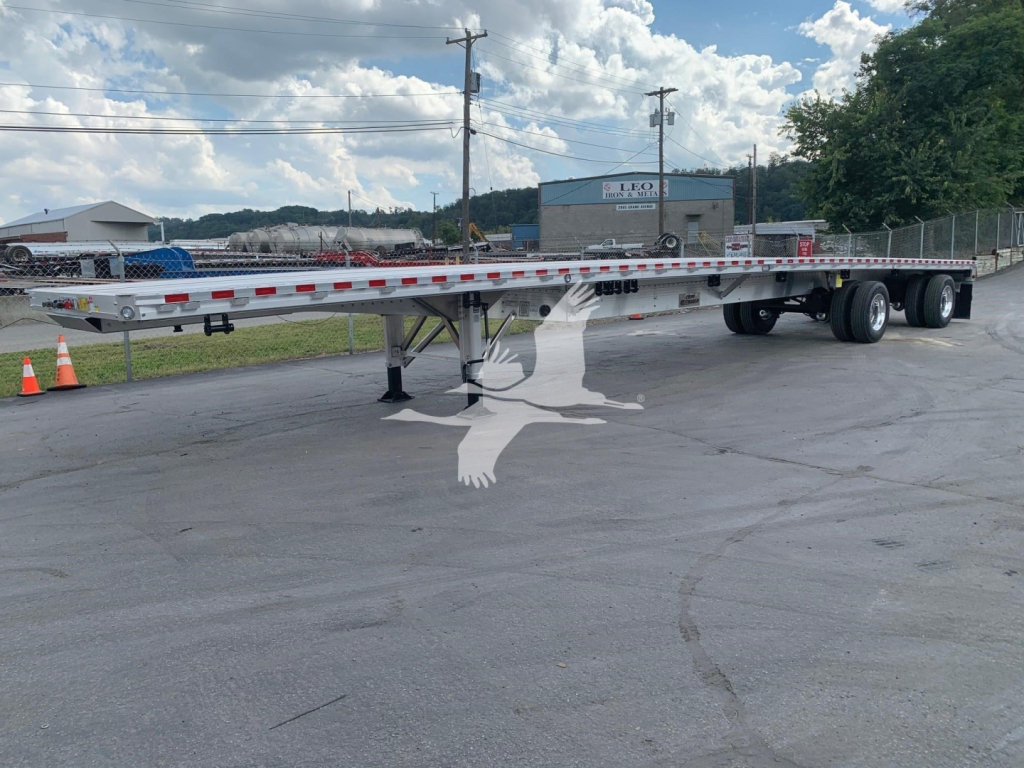
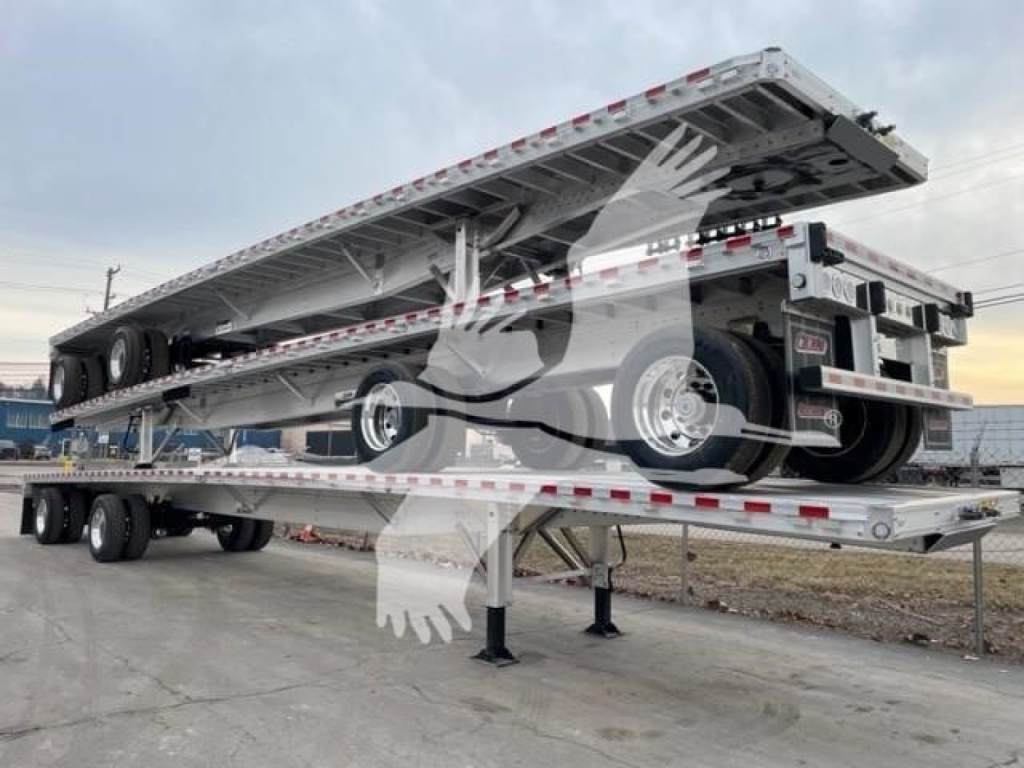
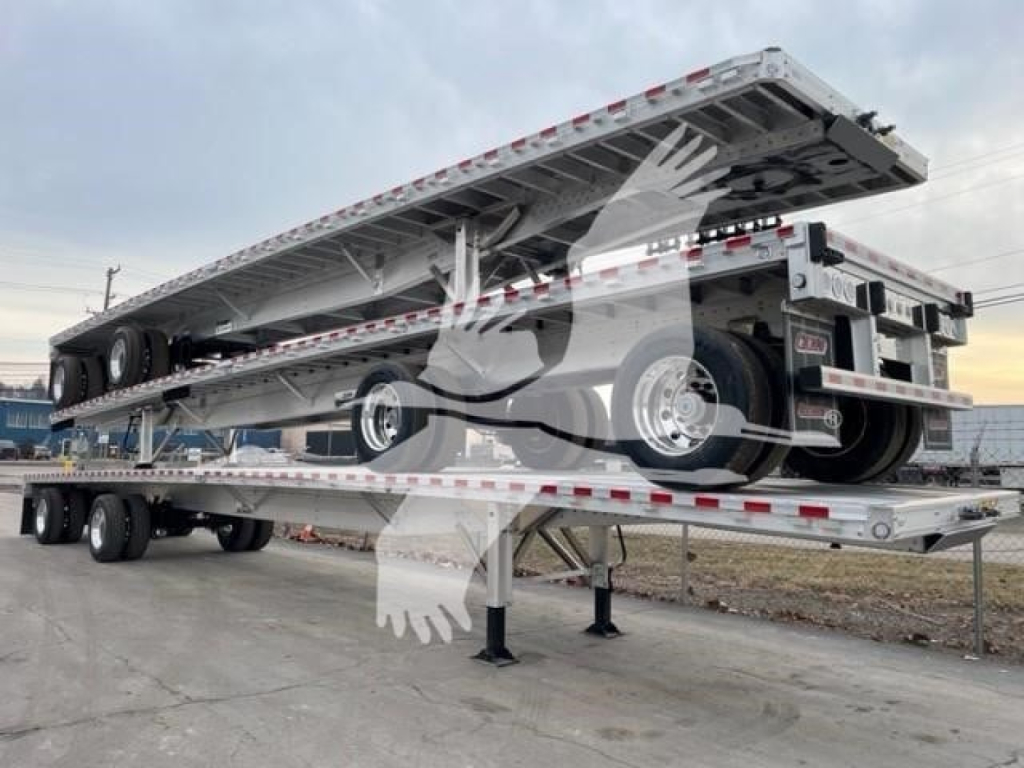
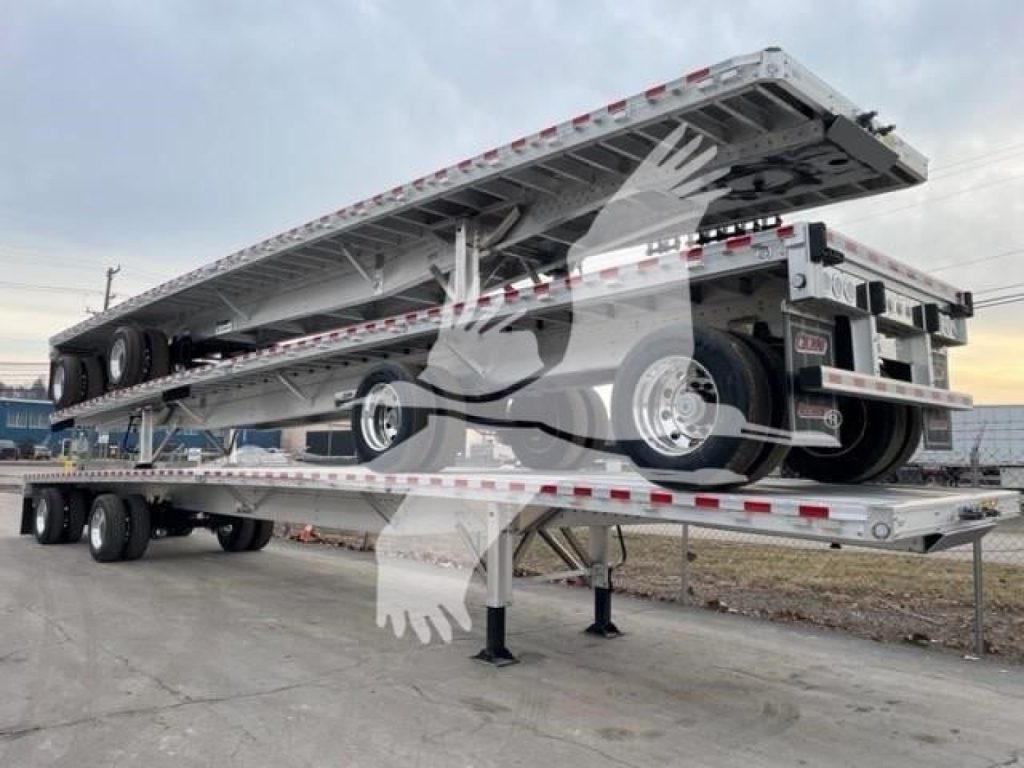
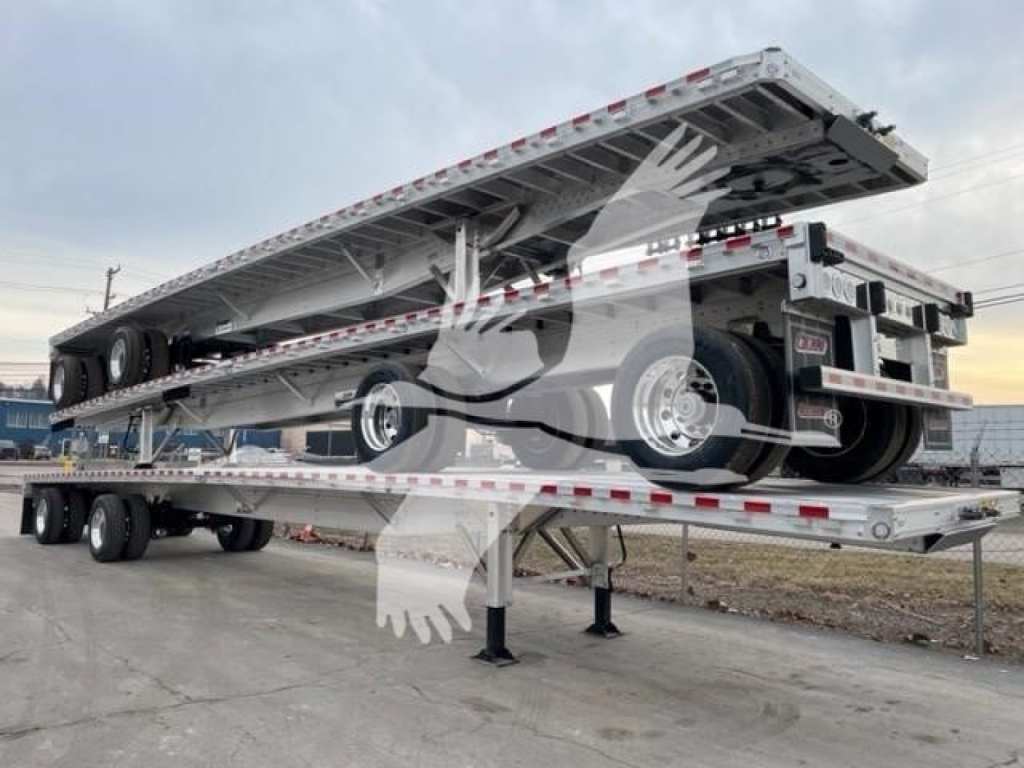
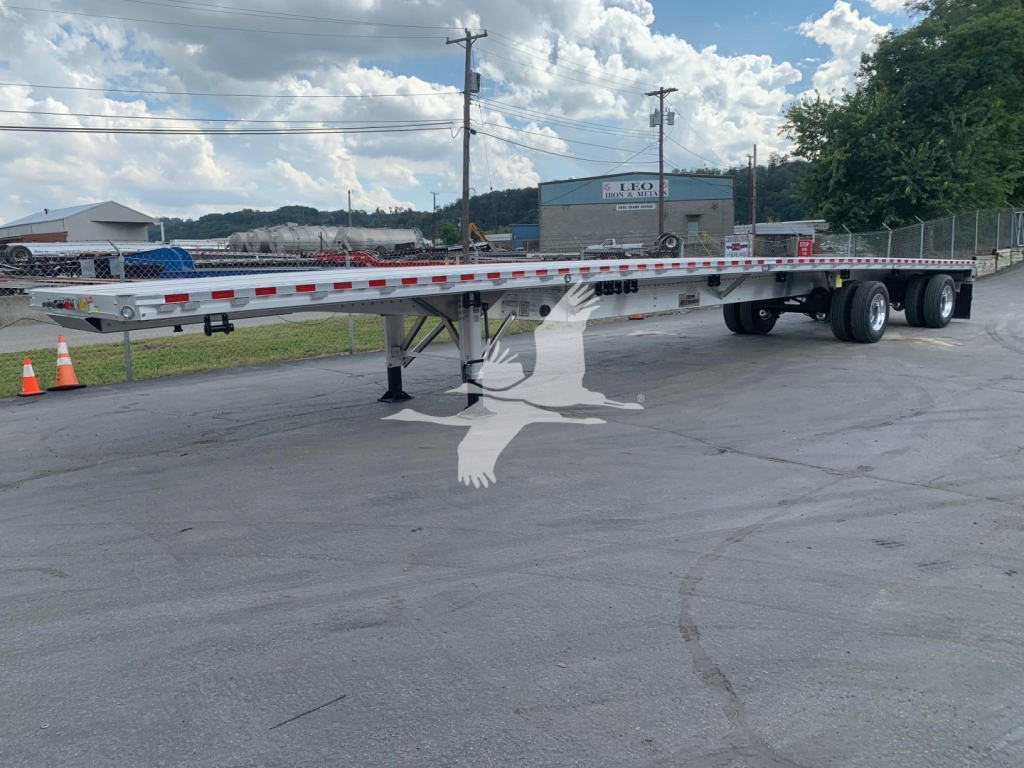
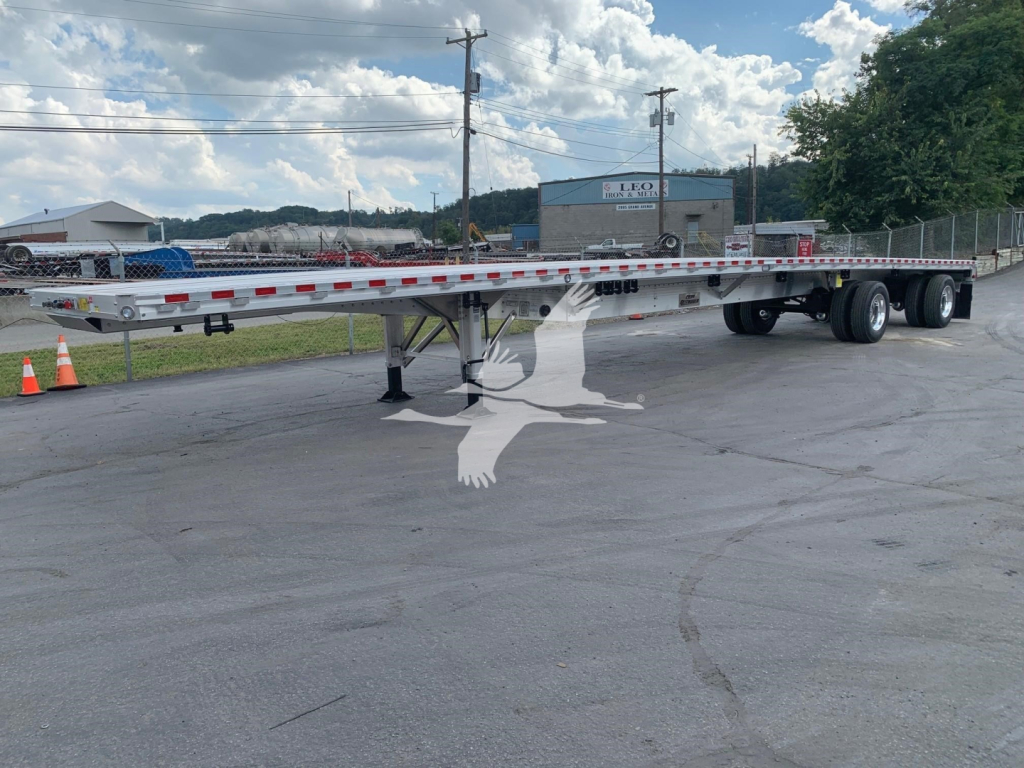
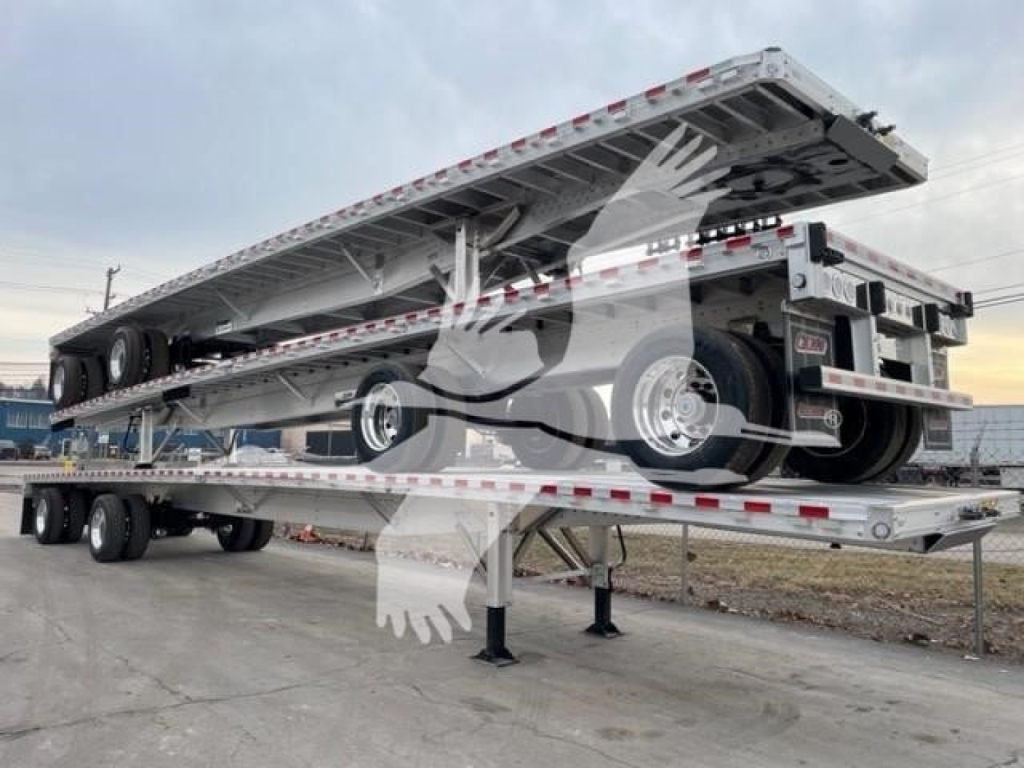
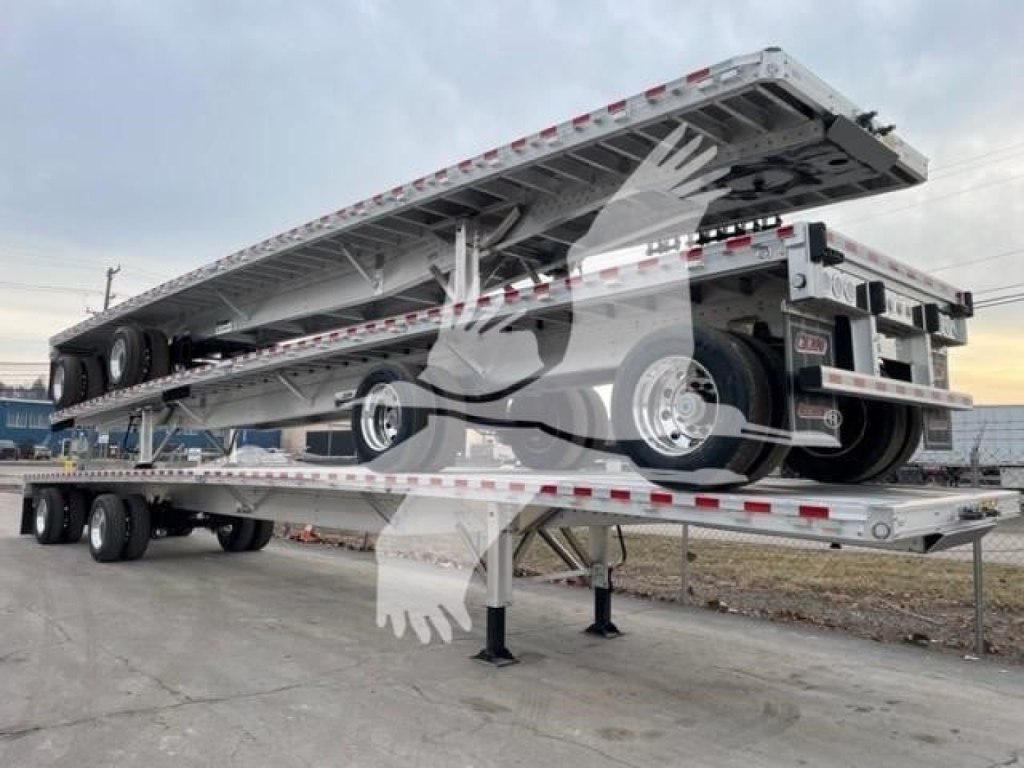
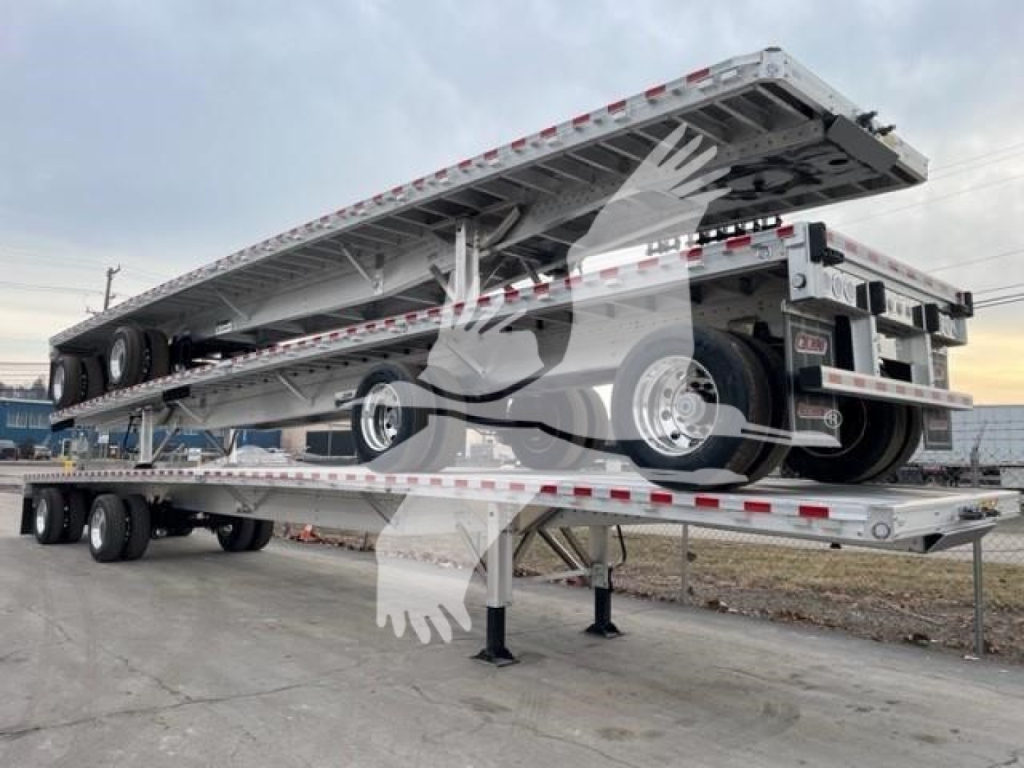
A 2025 flatbed trailer is the better fit for machinery, building products, steel, lumber, and freight that needs side, top, or crane loading. Common specs include 48-foot by 102-inch decks, aluminum or steel construction, air ride or spring suspension, sliding or spread axles, winch tracks, sliding winches, coil package options, and nail strips or apitong flooring depending on the build. Aluminum flatbeds usually favor payload and corrosion resistance, while steel flatbeds trade extra weight for lower repair cost and a more rugged frame in severe-duty service. Buyers hauling dense freight should review crossmember spacing, concentrated load rating, side rail strength, and securement setup. In a state like Pennsylvania, where steel, construction materials, and industrial freight are common, these details have a direct effect on uptime and legal load planning.
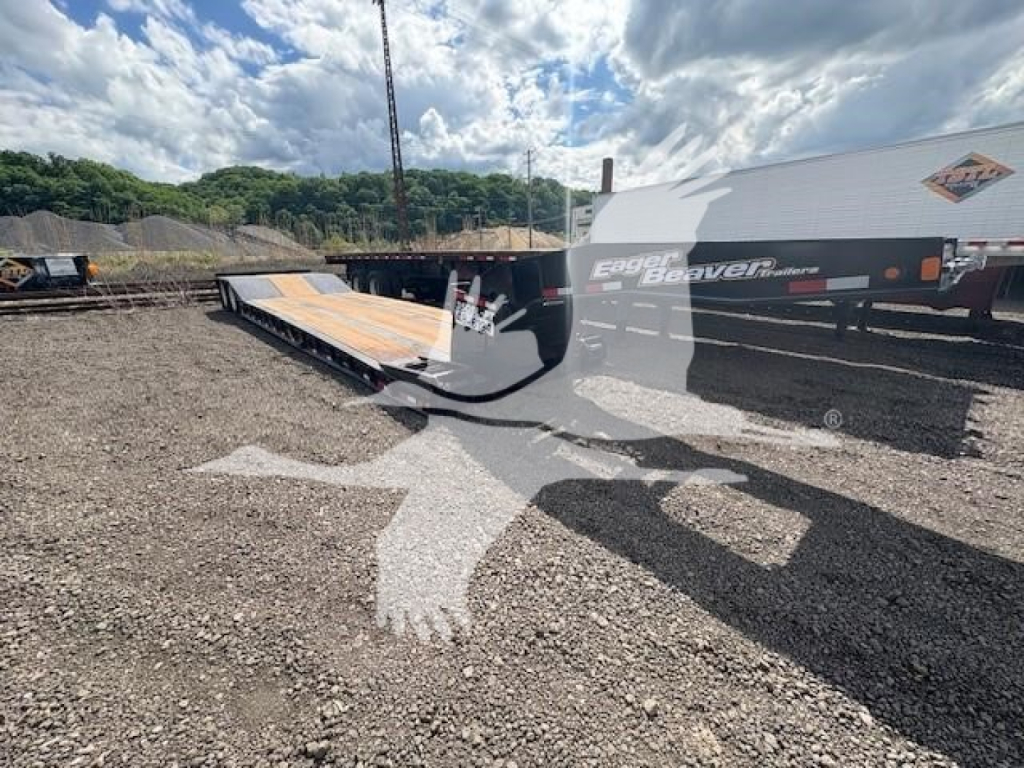
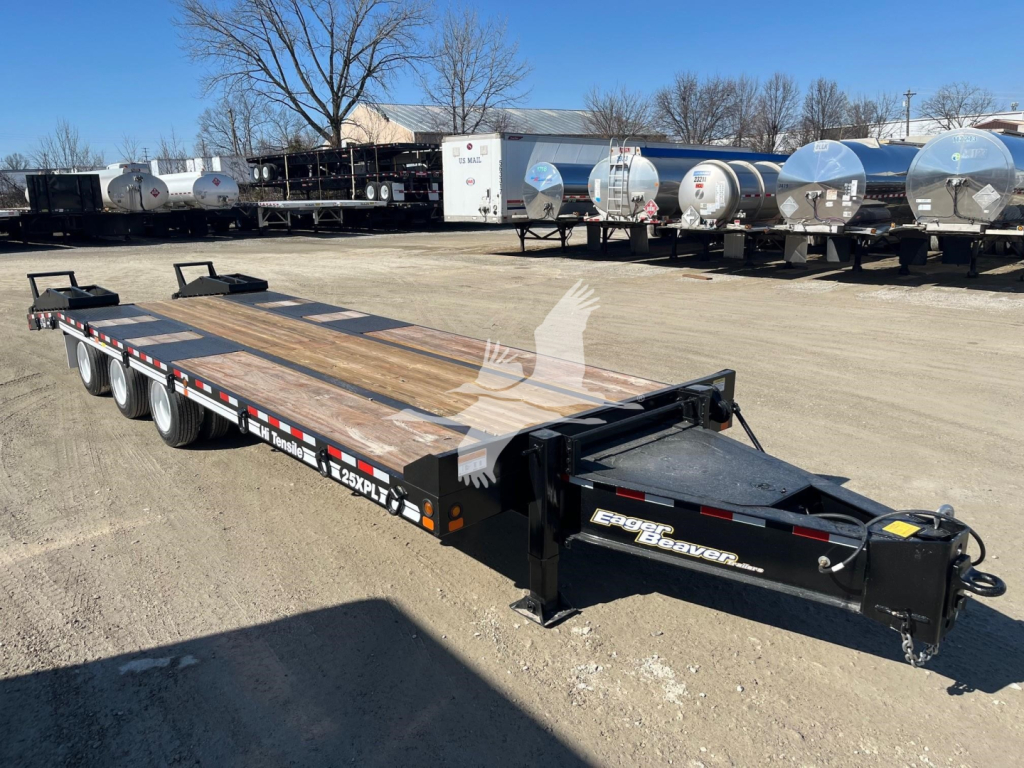
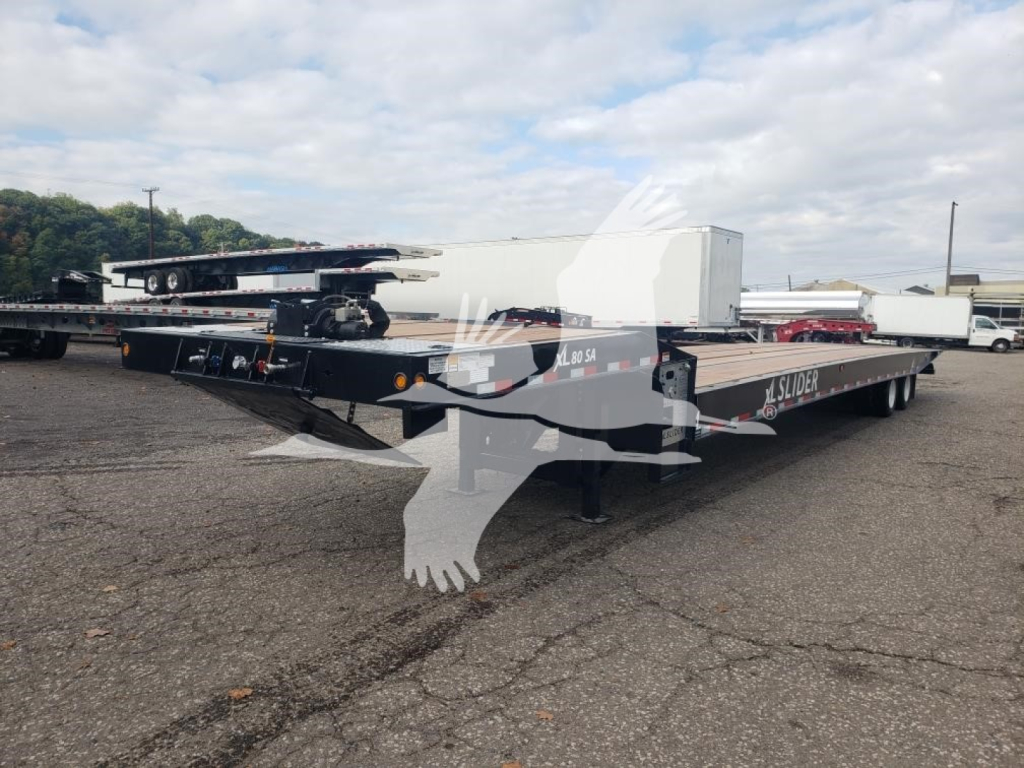
For heavy equipment, paving gear, and oversize work, a 2025 lowboy trailer, also called a detachable gooseneck or RGN in many applications, is built around deck height, loading angle, and axle capacity. Hydraulic detachable goosenecks, apitong floors, outriggers, D-rings, boom wells, bucket wells, ride height adjustment, and flip axle compatibility are all common spec points on modern heavy-haul trailers. Buyers should focus on rated capacity in the loaded deck section, overall empty weight, swing clearance, neck design, and whether the trailer is configured for the type of machine being moved most often. A lowboy that works well for excavators may not be ideal for pavers, crushers, or taller equipment with specific axle spacing requirements. On Pennsylvania routes with hills, jobsite access issues, and permit-sensitive hauling, those setup details are more important than brand name alone.
Frequently Asked Questions about 2025 Trailers in Pennsylvania
What trailer types are most common in the 2025 market?
The most common 2025 trailer types are dry vans, flatbeds, and lowboys. Dry vans are used for enclosed freight and general distribution. Flatbeds are used for freight that needs open loading access, such as steel, lumber, and machinery. Lowboys are built for heavy equipment and oversized loads where low deck height and higher capacity are critical.
What specs matter most when comparing 2025 dry van trailers?
The key dry van specs are trailer length and width, axle configuration, suspension type, floor construction, door style, interior height, and cargo control features such as logistics posts and scuff liners. Buyers should also compare tare weight, rear frame durability, and kingpin setting because those details affect payload, maneuverability, and bridge compliance.
Is an aluminum flatbed better than a steel flatbed?
An aluminum flatbed usually offers lower empty weight and better corrosion resistance, which helps maximize payload and reduce long-term rust concerns. A steel flatbed is typically heavier but can be attractive in severe-duty applications where frame ruggedness and lower repair cost are priorities. The better choice depends on the freight mix, loading method, and how important payload is to the operation.
What should I look for in a 2025 lowboy trailer?
The most important lowboy factors are capacity rating, loaded deck length, deck height, gooseneck type, axle count, suspension, and machine compatibility. Features like outriggers, boom troughs, bucket wells, D-rings, flip axle connections, and adjustable ride height can make a major difference in daily use. Buyers should match the trailer to the dimensions and weight distribution of the equipment they haul most often.
Why does trailer specification matter in Pennsylvania?
Pennsylvania operations often combine interstate mileage, urban delivery conditions, industrial freight, hills, and changing weather. That makes suspension choice, axle layout, flooring, corrosion resistance, and maneuverability especially important. A trailer that is well-matched to route conditions and freight profile is easier to keep legal, easier to load, and usually less expensive to operate over time.