
2025 Eager Beaver Trailers For Sale in Pennsylvania
Shop 2025 Eager Beaver trailers in Pennsylvania, including flatbed and lowboy models built for equipment hauling, paving, and construction work.
Selling a 2025 eager beaver trailer? List your 2025 eager beaver trailer for sale and reach thousands of commercial buyers.
2025 Eager Beaver Trailers in Pennsylvania
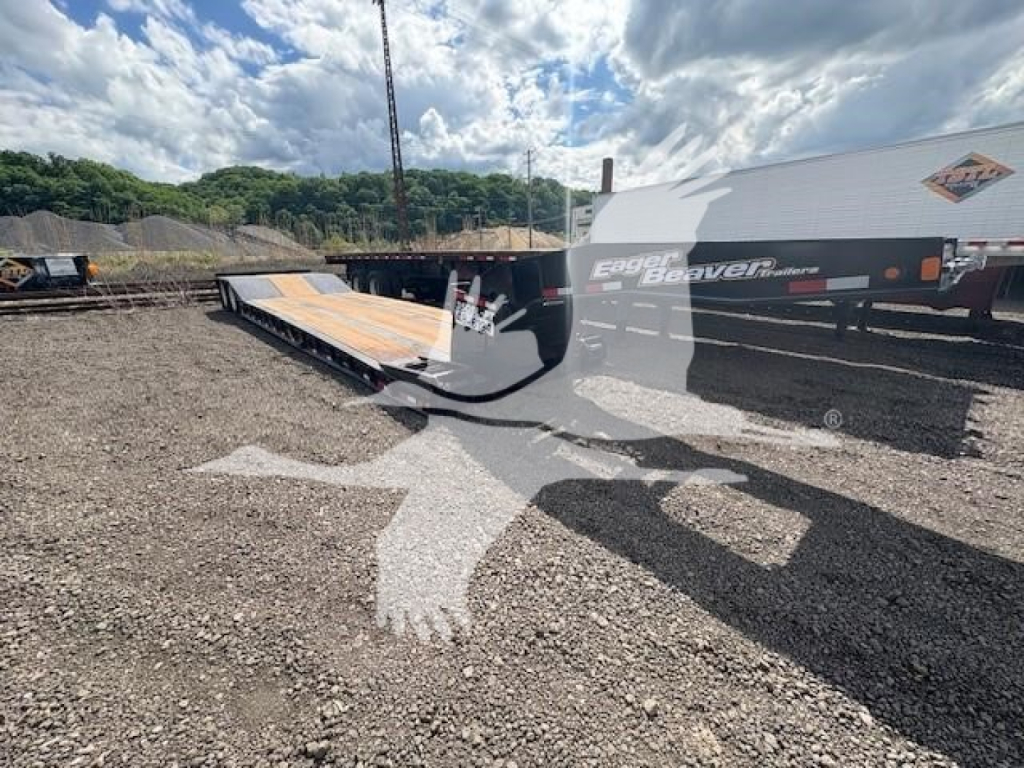
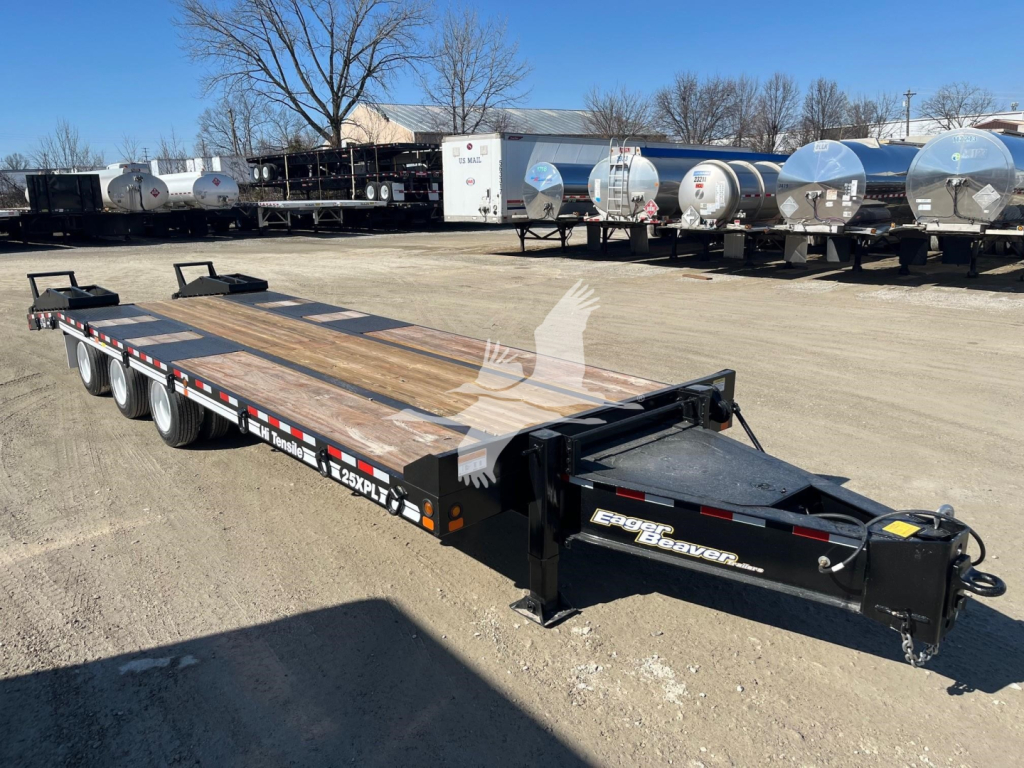
A lot of the buying decision comes down to how the trailer loads. On tag-style Eager Beaver trailers, a 34-foot overall length, 21-foot main deck, 6-foot beavertail, and 6-foot ramps is a practical setup for skid steers, compact excavators, rollers, and smaller dozers. A load angle around 8 degrees helps with low-clearance machines, while a 102-inch width remains standard for legal road use in most applications. Buyers should pay close attention to deck height, ramp construction, and securement layout. Features like apitong decking, steel side rails, full-width bulkheads, and multiple pairs of D-rings make a real difference in durability and tie-down flexibility over years of loading steel-track and rubber-tire equipment.
For heavier work, Eager Beaver lowboy trailers are often chosen for pavers, milling machines, larger excavators, and other machines that need lower deck height and better weight distribution. A 35-ton class hydraulic detach trailer with roughly 24 feet of well space and a loaded deck height near 24 inches fits the needs of many paving and site contractors. Buyers in Pennsylvania should consider axle spacing, dump valve operation, tire size, and how the trailer will match existing road tractors or day cabs. If the work involves frequent moves between urban paving jobs, plant yards, and interstate routes, the detach system, overall loaded height, and ease of loading from the front become just as important as raw ton rating.
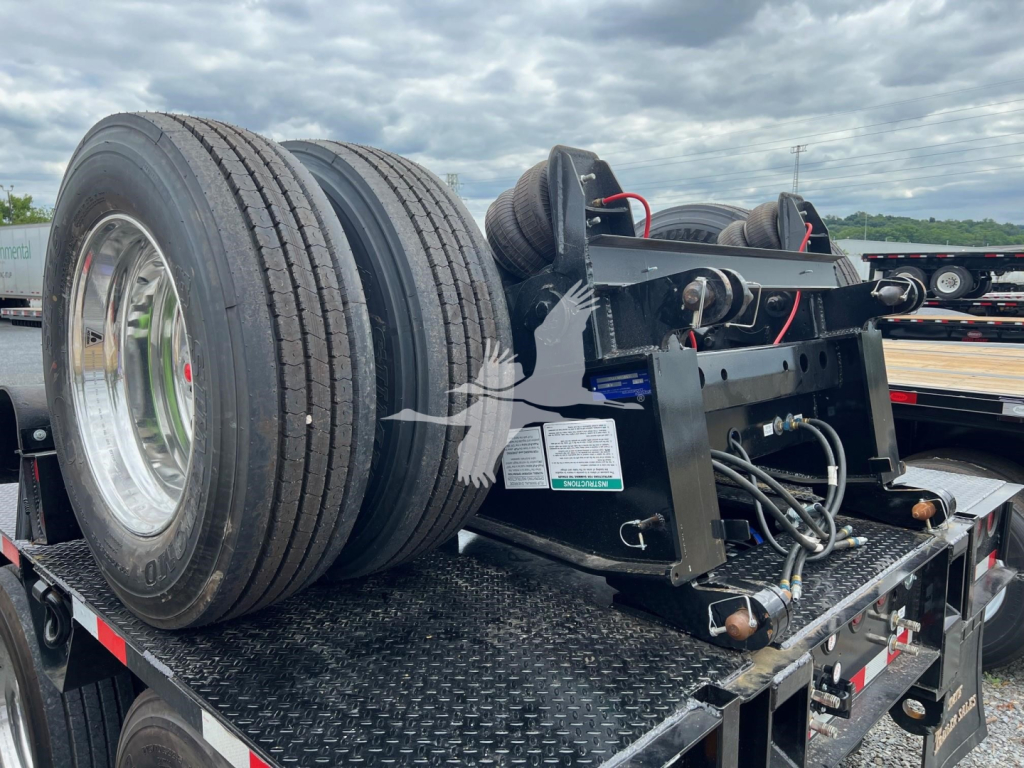
Specification details on newer Eager Beaver trailers tend to reflect practical fleet priorities: spring ride suspensions such as Hutchens setups, ABS configurations like 4S/2M, spring brakes on all axles, adjustable pintle heights, and lockable tool or drawbar storage. Tire size, suspension setting, and axle spread affect ride quality, maintenance cost, and bridge-law considerations. The best way to compare 2025 Eager Beaver trailers is to start with the machine you haul most often, then verify rated capacity, deck configuration, securement points, and tractor compatibility. A trailer that is slightly overbuilt for the everyday load usually holds up better in contractor service than one bought too close to its limit.
Frequently Asked Questions about 2025 Eager Beaver Trailers in Pennsylvania
What are 2025 Eager Beaver trailers commonly used for?
2025 Eager Beaver trailers are commonly used for hauling construction and paving equipment such as skid steers, compact excavators, rollers, pavers, and medium-duty earthmoving machines. Tag trailers and beavertail equipment trailers fit lighter machines and frequent short hauls, while lowboy and hydraulic detach models are better suited for taller, heavier equipment that benefits from a lower deck height and easier loading angle.
What should I look at first when comparing Eager Beaver lowboy and flatbed equipment trailers?
Start with the heaviest and longest machine the trailer will carry on a regular basis. Capacity rating, loaded deck height, main deck or well length, ramp or detach style, and tie-down layout matter more than brand decals or cosmetic differences. A beavertail flatbed trailer may be ideal for 20-ton class equipment and simple loading, while a lowboy is usually the better choice when machine height, center of gravity, or axle loading becomes a concern.
Why is deck height important on an equipment trailer?
Deck height directly affects load angle, overall loaded height, and stability in transit. A lower deck makes it easier to load low-clearance machines and helps keep taller equipment under legal height limits once loaded. On lowboy trailers, deck height is one of the main reasons buyers can move larger paving or construction machines without the same clearance issues found on higher deck trailers.
Are apitong floors and multiple D-rings worth it on an Eager Beaver trailer?
Yes, especially for contractor and fleet use. Apitong decking is widely valued for strength, wear resistance, and traction under equipment traffic. A trailer with several pairs of D-rings and solid side rail structure gives operators more securement options for different machine sizes and attachment positions. Those details improve daily usability and can reduce floor and frame wear over time.
What suspension and running gear details should buyers pay attention to?
Suspension type, axle spacing, tire size, brake setup, and ABS configuration all affect how the trailer performs and what it costs to maintain. Spring ride suspensions are common on equipment trailers because they are durable and familiar to service shops. Buyers should also confirm that the axle spread, suspension setting, and coupler or pintle height match their truck and intended routes, especially if the trailer will operate under bridge-law limits or carry dense equipment regularly.