
2025 Reitnouer Trailers For Sale in Pennsylvania
Shop 2025 Reitnouer trailers for sale in Pennsylvania. Compare aluminum flatbed and drop deck specs, payload, axle setups, and deck features.
Selling a 2025 reitnouer trailer? List your 2025 reitnouer trailer for sale and reach thousands of commercial buyers.
2025 Reitnouer Trailers in Pennsylvania
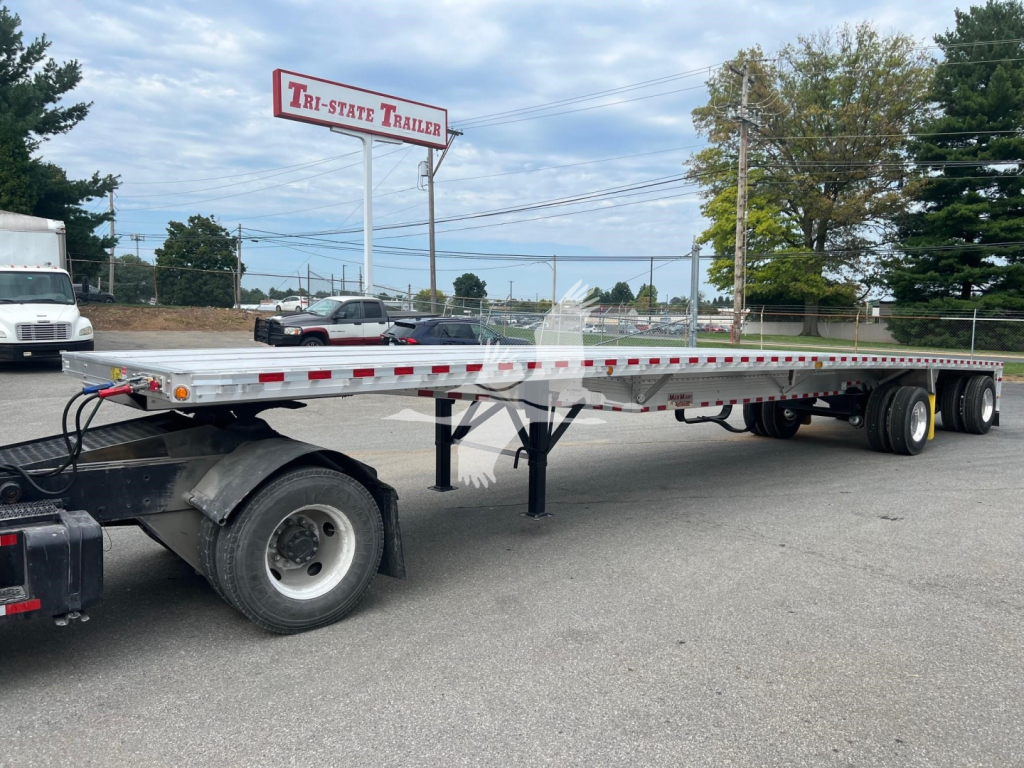
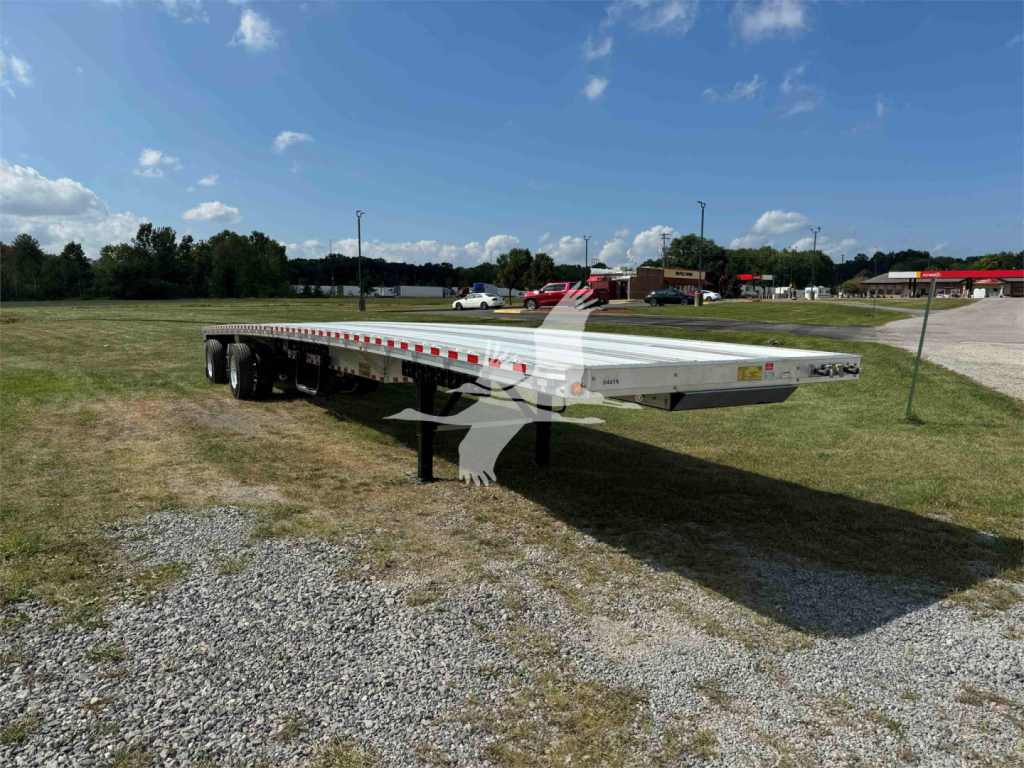
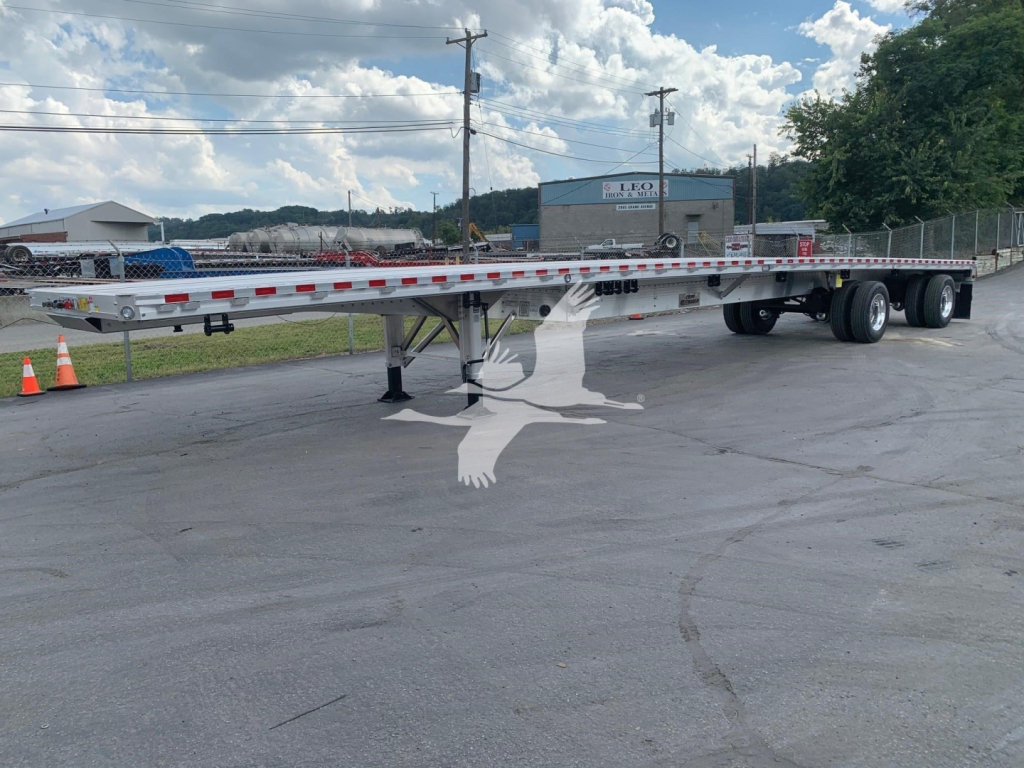
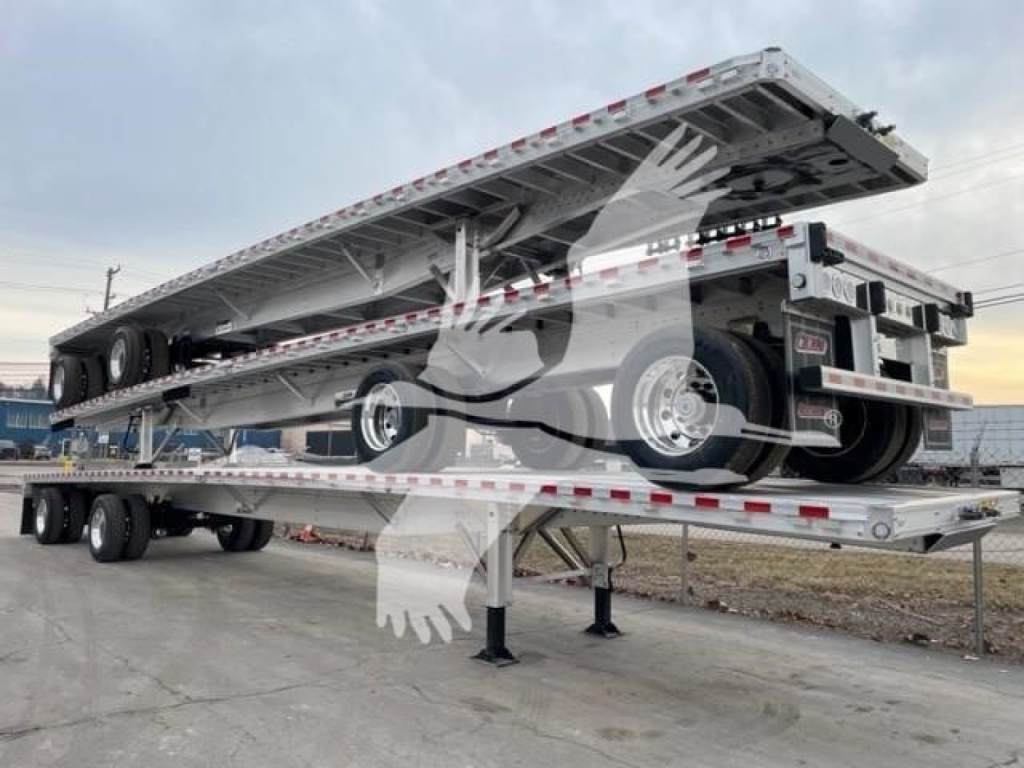
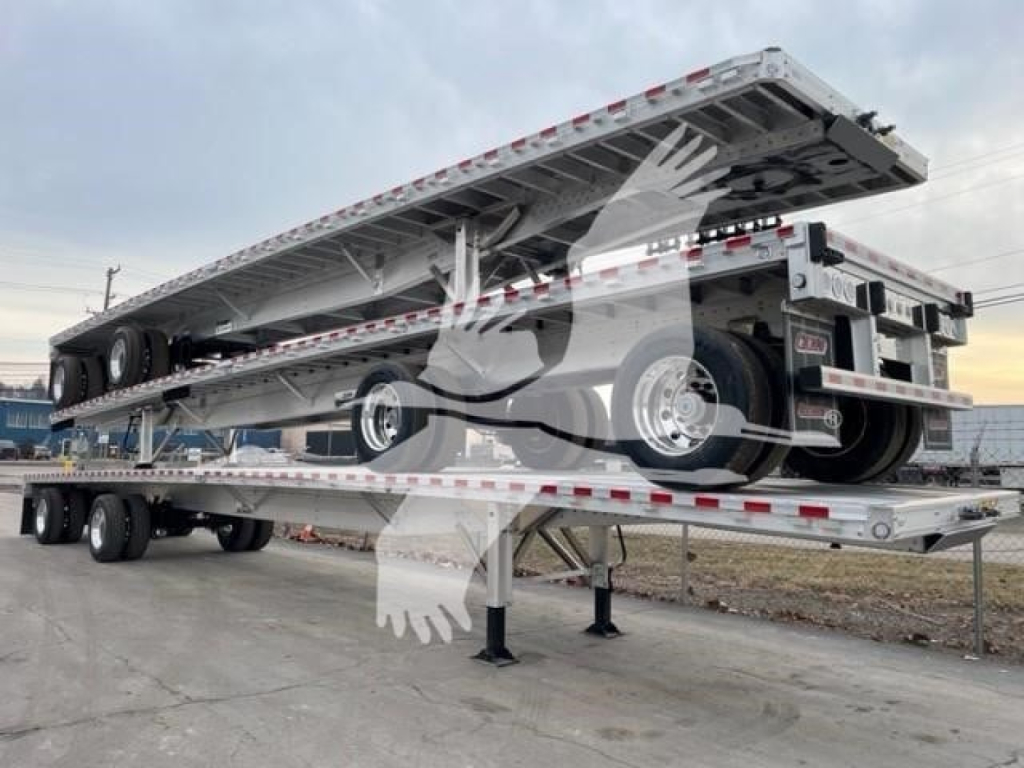
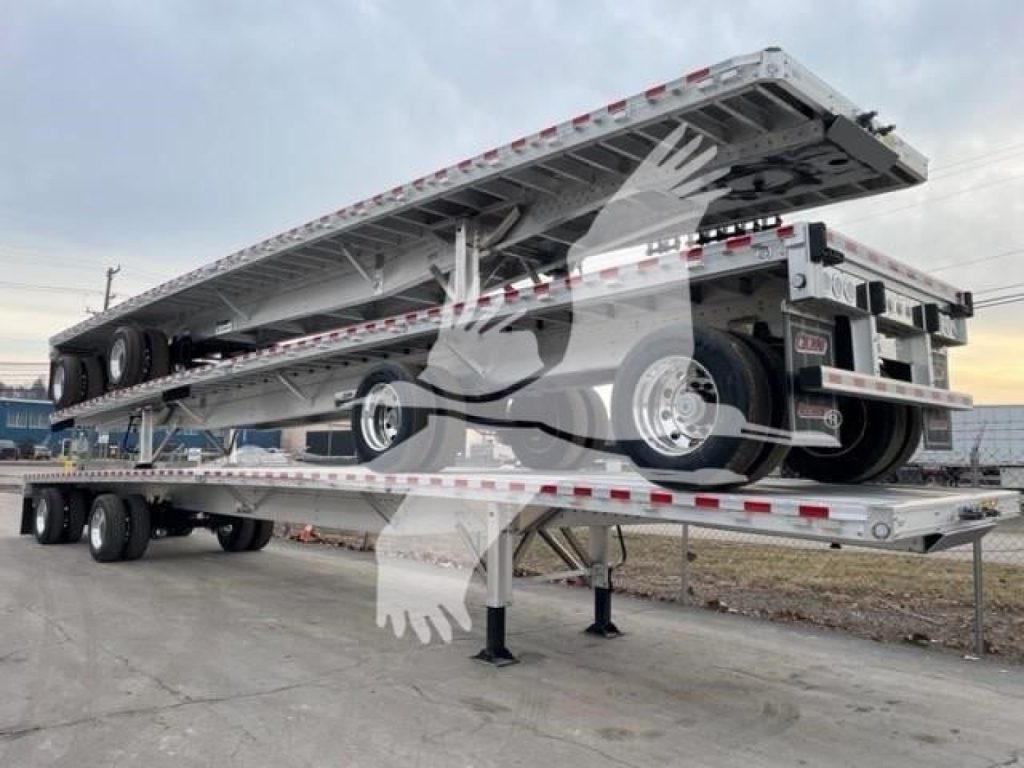
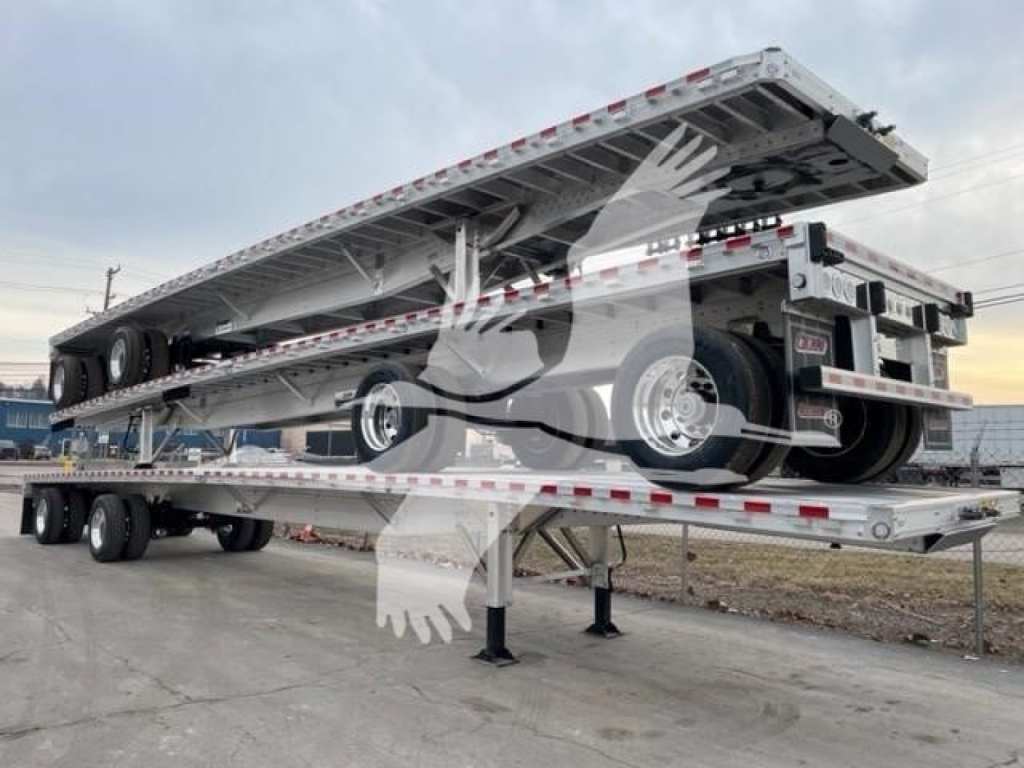
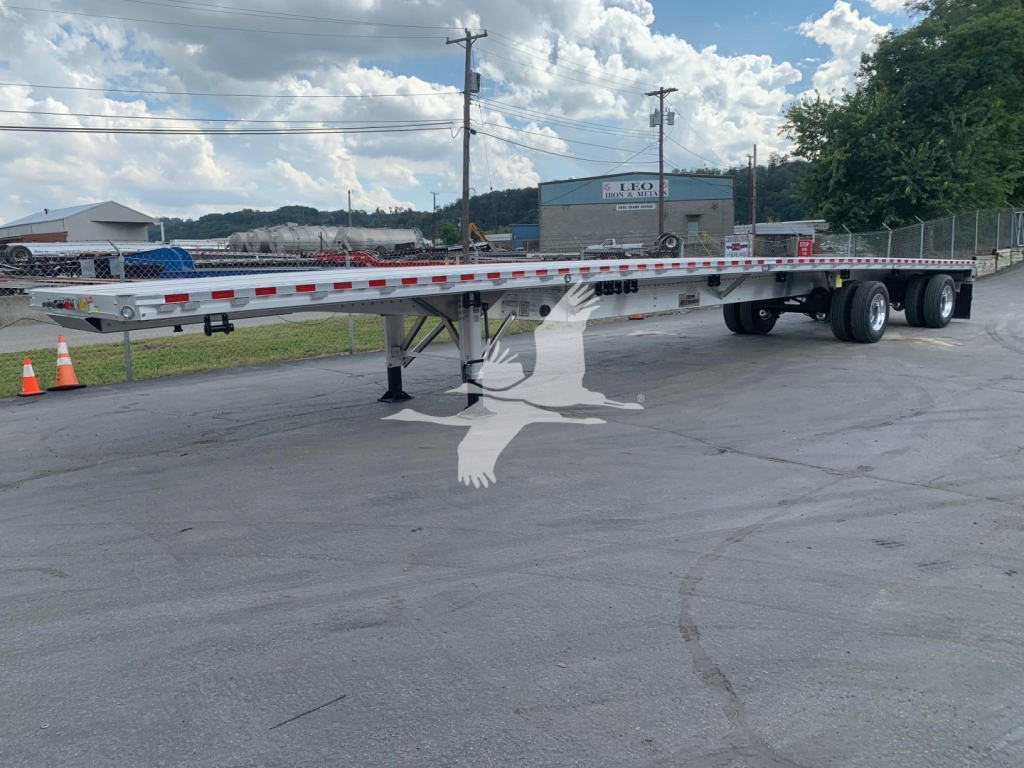
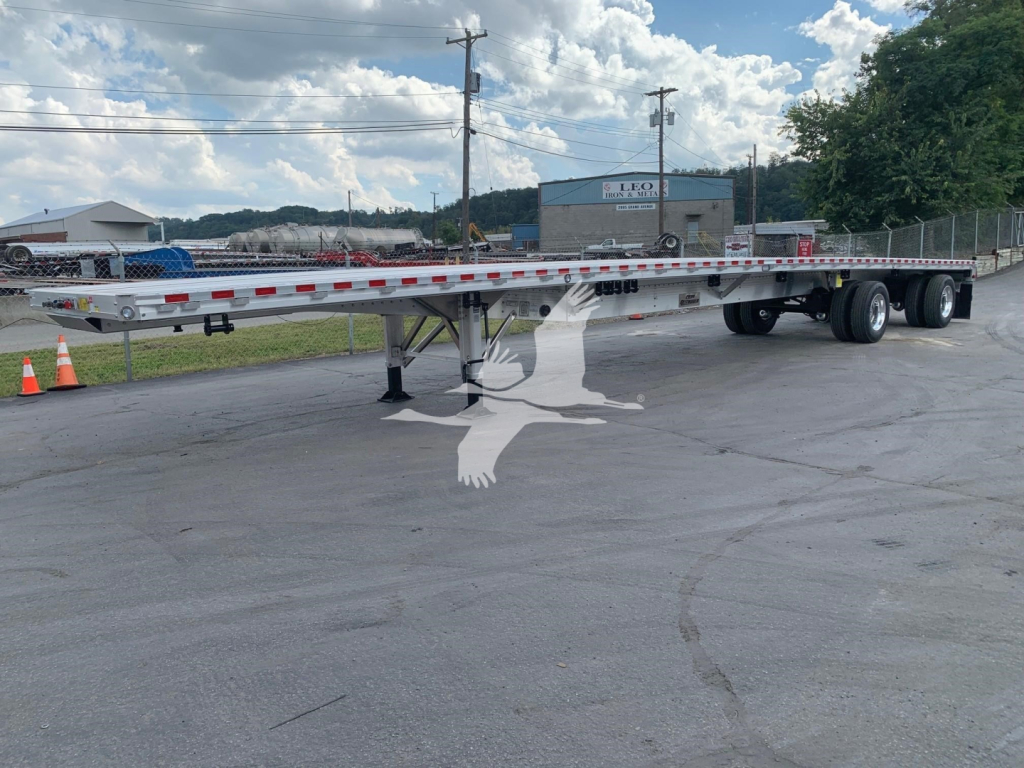
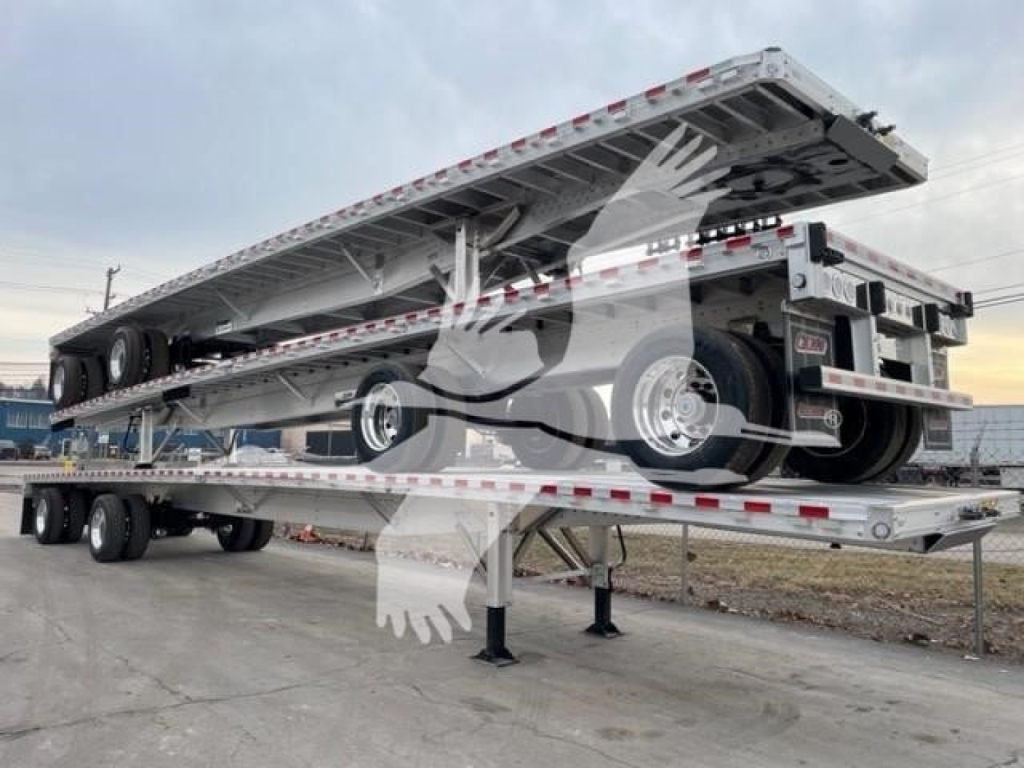
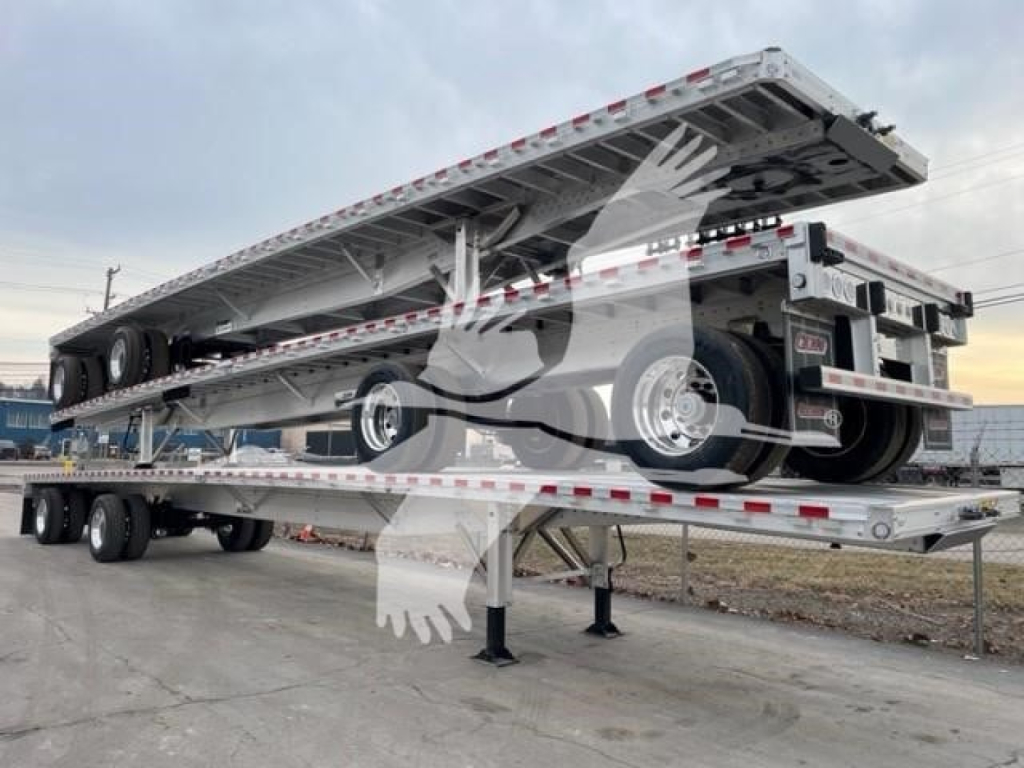
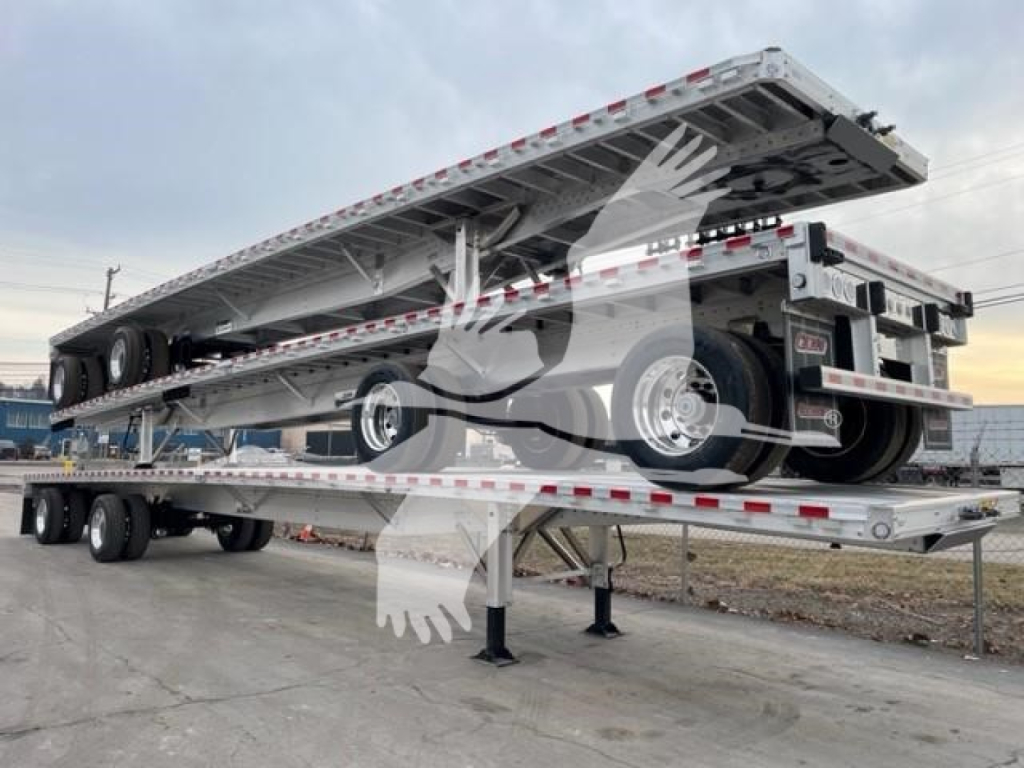
For buyers comparing configurations, the main decision is usually flatbed versus drop deck. Reitnouer flatbeds such as the CK-series are common in 48-foot and 53-foot lengths with 102-inch width, air ride suspension, 15-inch crossmember spacing, and aluminum floors with multiple nailer strips. Drop deck models like the Dropmiser are favored when taller freight needs lower deck height to stay legal without permitting. Common specs in this class include top decks around 10 feet 6 inches to 10 feet 8 inches, full main decks over 37 feet on a 48-foot trailer and over 42 feet on a 53-foot trailer, winch tracks on one or both sides, sliding winches, double pipe spools, coil packages, and Jost two-speed landing gear. Suspension details also matter. Spread axle and sliding rear axle setups can affect bridge compliance, turning behavior, and state-by-state versatility.
Reitnouer trailers are often chosen by fleets and owner-operators that want a durable aluminum platform with practical load securement options. Buyers should pay close attention to kingpin setting, axle spread, deck length, weight rating in concentrated load areas, and whether the trailer includes features like bulkheads, scuff protection, extra crossmembers, toolbox pre-drill, dunnage rack provisions, dump valves, and disc or drum brake configurations. Tire size, wheel material, and suspension brand are also worth reviewing because they influence maintenance planning and parts standardization. On open-deck trailers, small spec differences can have a real effect on the type of freight you can legally and efficiently move.
In Pennsylvania service, road conditions, seasonal exposure, and mixed regional freight make corrosion resistance and serviceability especially important. Reitnouer aluminum trailers are widely recognized for lower empty weight and strong resale appeal, but the right trailer still depends on freight profile more than badge alone. A buyer hauling palletized building products may prioritize full-length winch track and nailers, while a steel or coil operation may focus on coil package reinforcement and crossmember density. For taller machinery or crated equipment, a drop deck with the right top deck length and axle setting may be the better fit than a standard flatbed. The best 2025 Reitnouer trailer choice comes down to legal payload, deck geometry, securement layout, and how closely the trailer spec matches the lanes and cargo you run every week.
Frequently Asked Questions about 2025 Reitnouer Trailers in Pennsylvania
What are the main advantages of a 2025 Reitnouer trailer?
The main advantage is lightweight aluminum construction paired with open-deck durability. A lighter trailer can improve legal payload capacity, which is valuable for freight that cubes out slowly but weighs heavily, such as steel, building materials, and machinery. Reitnouer trailers are also commonly spec'd with practical open-deck features like winch tracks, pipe spools, nailer strips, coil packages, and air ride suspension, making them versatile for a broad range of freight.
Should I choose a Reitnouer flatbed or a Reitnouer drop deck?
Choose a flatbed when most freight can ride at standard deck height and you want the simplest, lightest platform for general commodity hauling. Choose a drop deck when freight height is the limiting factor and a lower main deck helps keep the load legal without permits. The decision usually comes down to the freight mix, not just trailer preference. If you regularly haul taller equipment, crated freight, or loads with awkward height profiles, a drop deck often creates more usable opportunities.
What specs matter most when comparing Reitnouer trailers?
The most important specs are trailer length, deck configuration, tare weight, axle setup, kingpin setting, crossmember spacing, suspension type, and securement equipment. Buyers should also review whether the trailer has a coil package, winch track on one or both sides, sliding winches, aluminum or mixed wheel spec, bulkhead, and the concentrated load rating over key sections of the deck. These details determine not just how much the trailer weighs, but what freight it can handle efficiently and legally.
Are Reitnouer trailers good for heavy and concentrated loads?
They can be, but the exact trailer specification matters. Many Reitnouer aluminum trailers are engineered for strong payload performance, and some are equipped with mini coil packages, extra crossmembers, and published load ratings over short sections of deck. If concentrated loads are common in your operation, review the trailer's rated capacity in 4-foot and 10-foot sections, crossmember spacing, floor type, and tiedown layout. An aluminum trailer can still be a heavy-haul-friendly choice when it is spec'd correctly for the application.
What should a Pennsylvania buyer pay attention to on a 2025 Reitnouer trailer?
A Pennsylvania buyer should focus on axle spread, bridge compliance, corrosion resistance, brake and suspension specification, and how the trailer fits regional freight lanes. Northeast operations often involve mixed highway and secondary-road service, weather exposure, and strict legal weight considerations. Features like air ride suspension, dump valves, proper kingpin setting, and the right axle configuration can make a noticeable difference in day-to-day usability, tire wear, and permit-free hauling flexibility.