
2017 Trailers For Sale
Browse 2017 trailers for sale, including common dry van and freight trailer specs, dimensions, suspensions, axle setups, and buyer considerations.
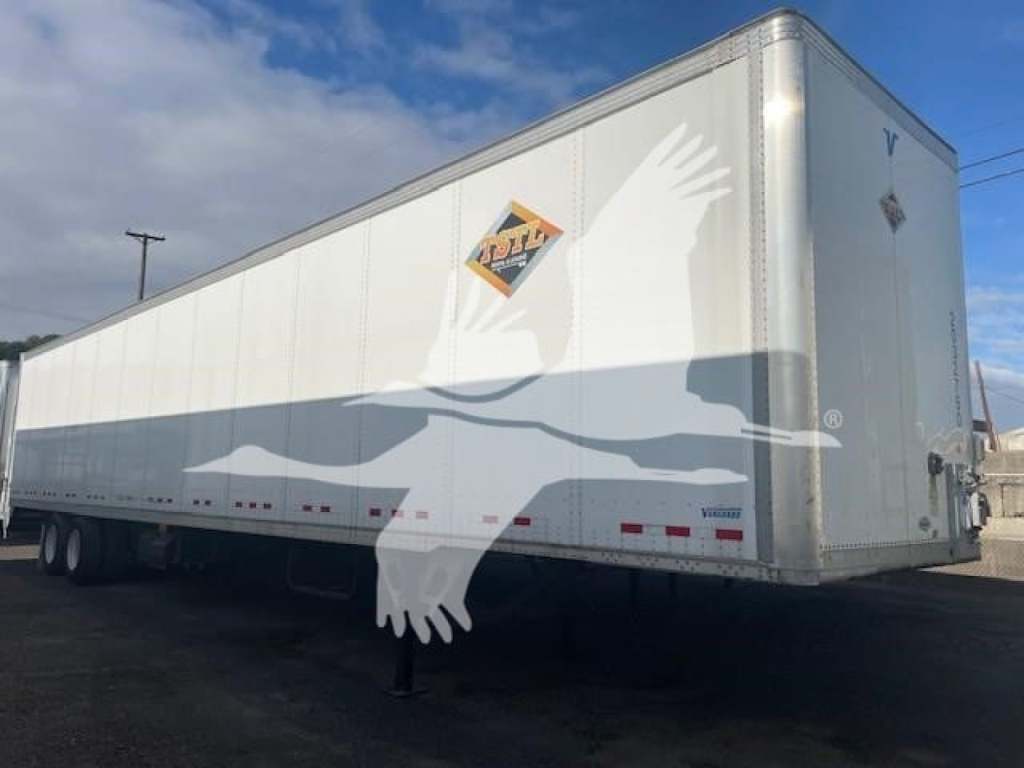
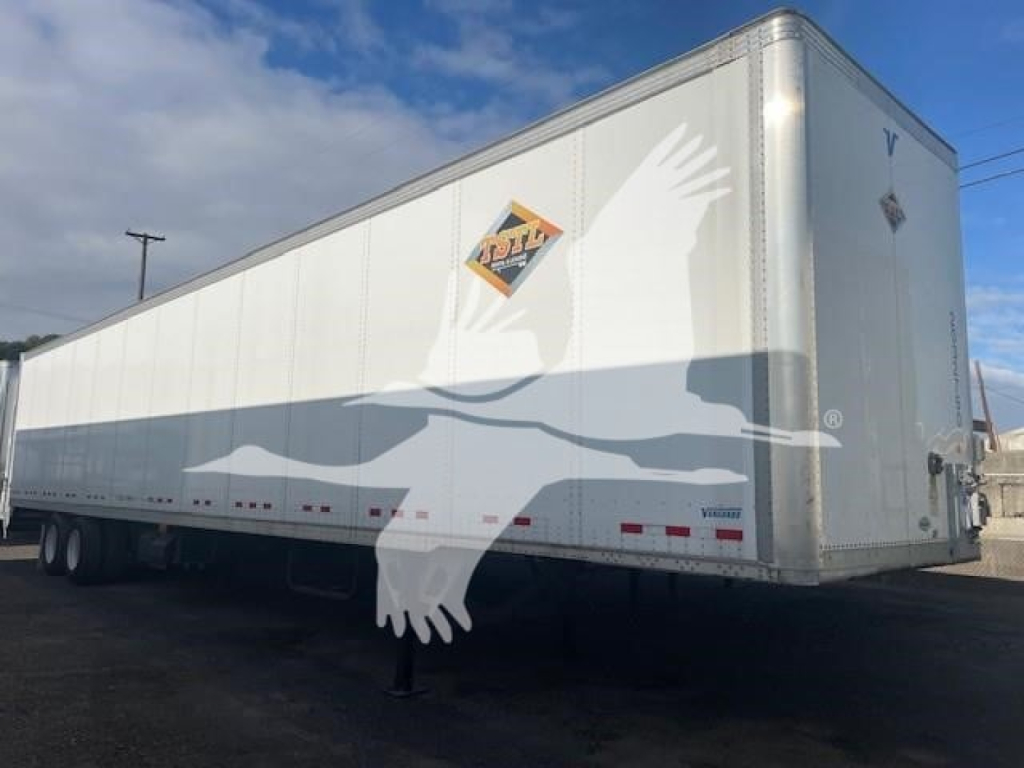
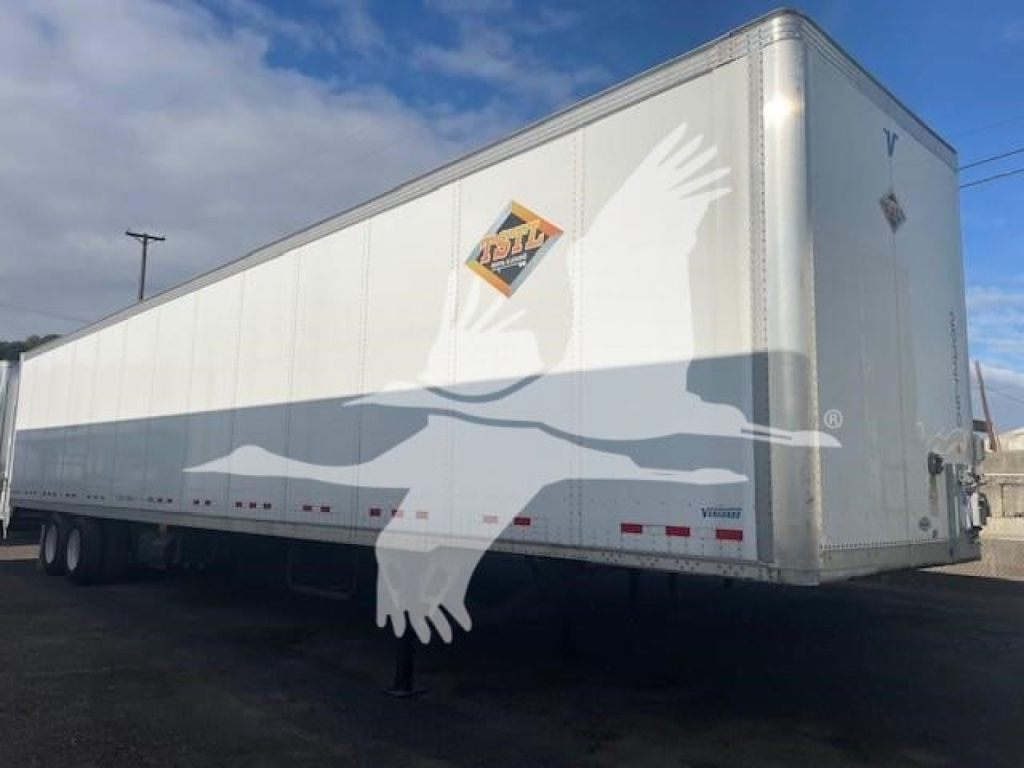
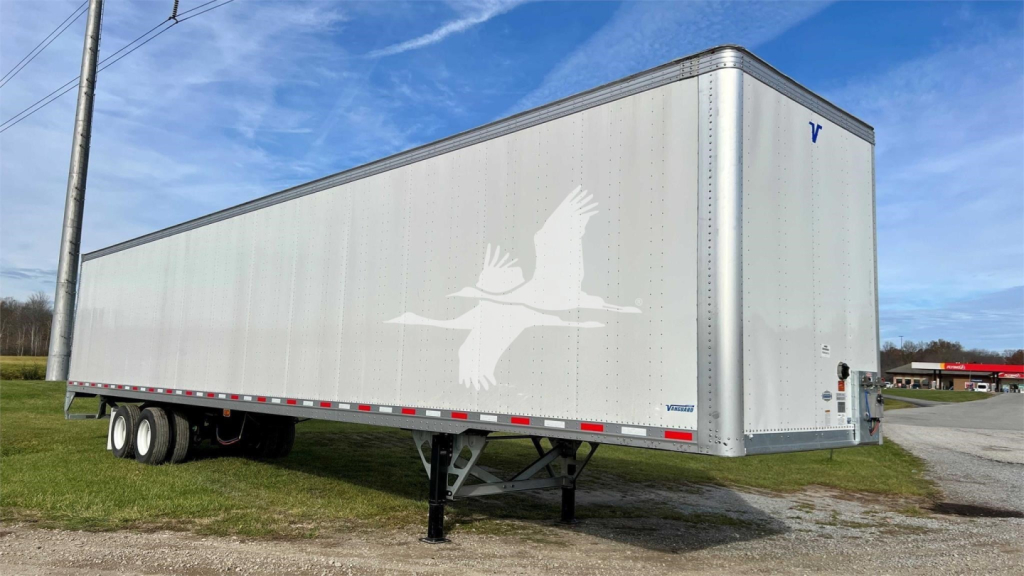
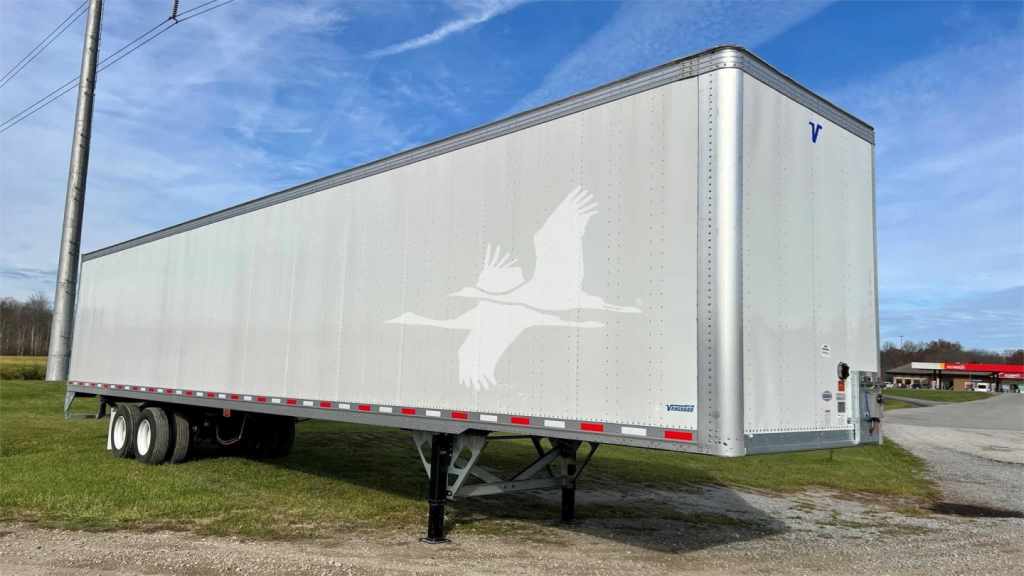
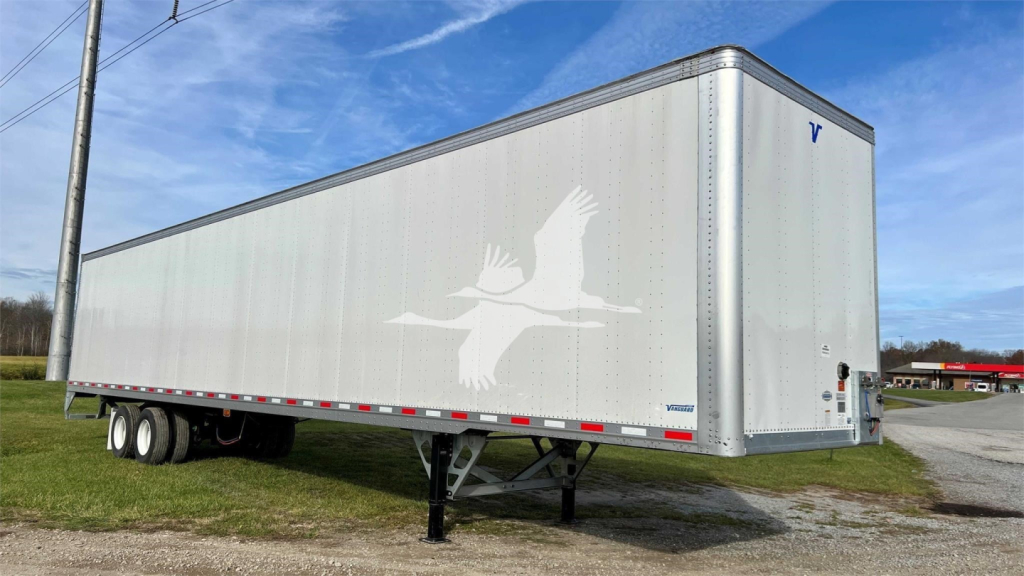
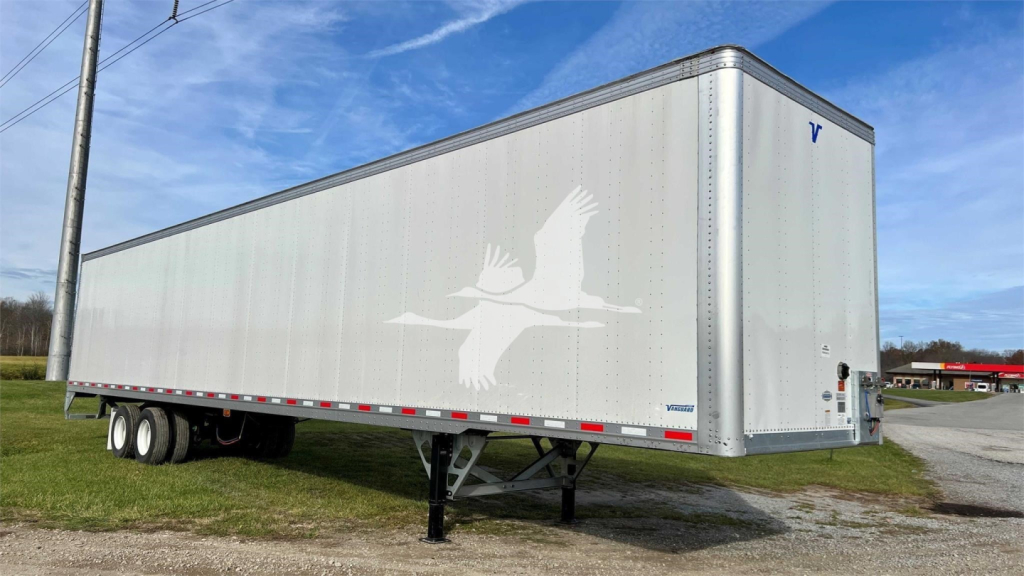
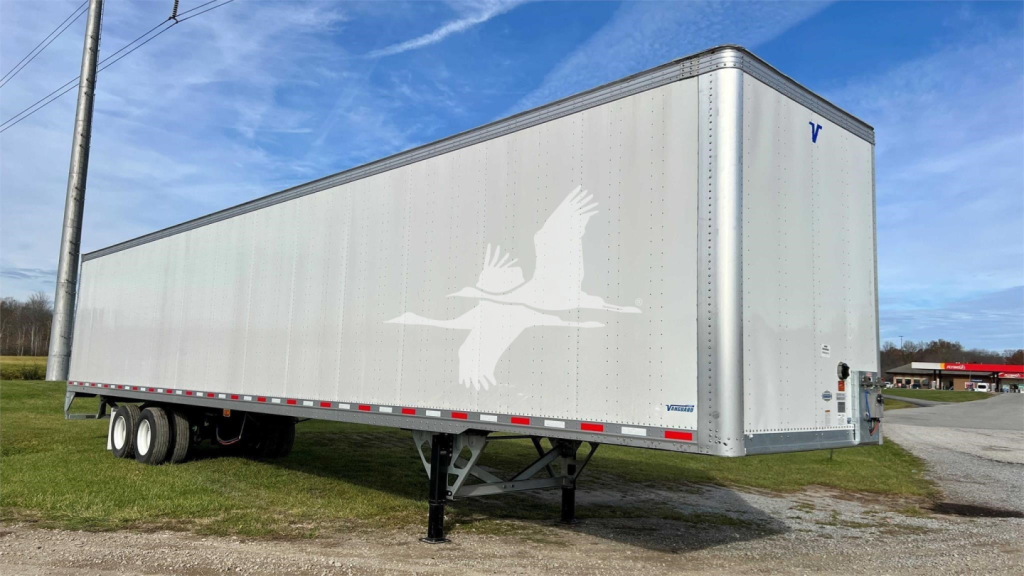
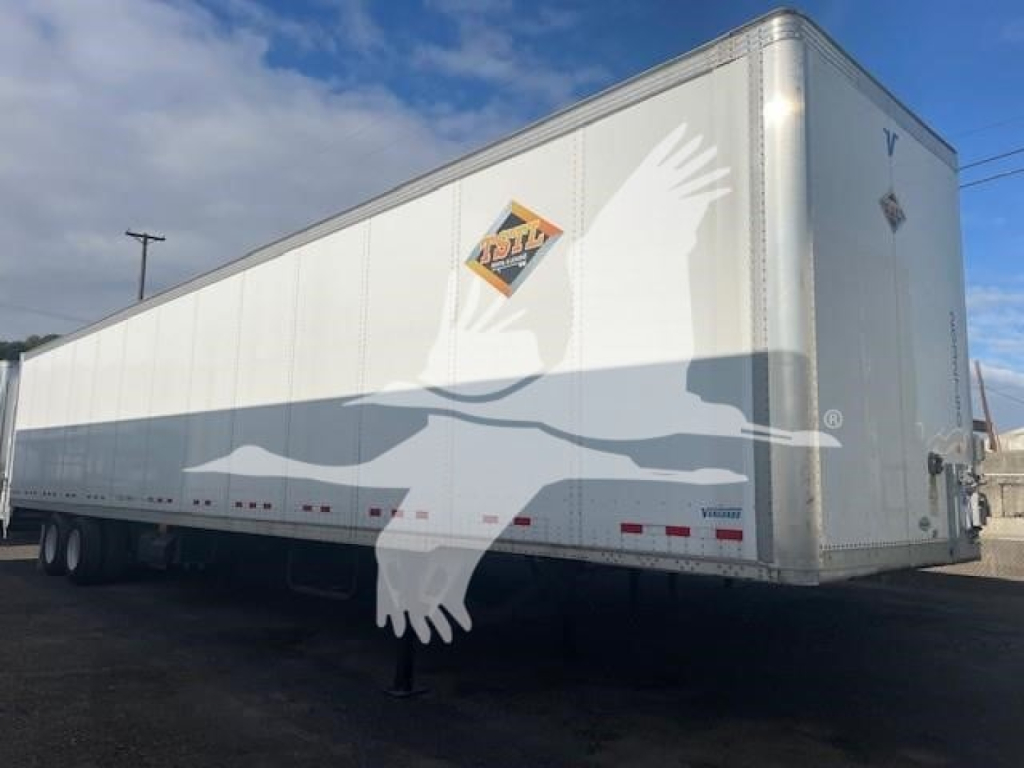
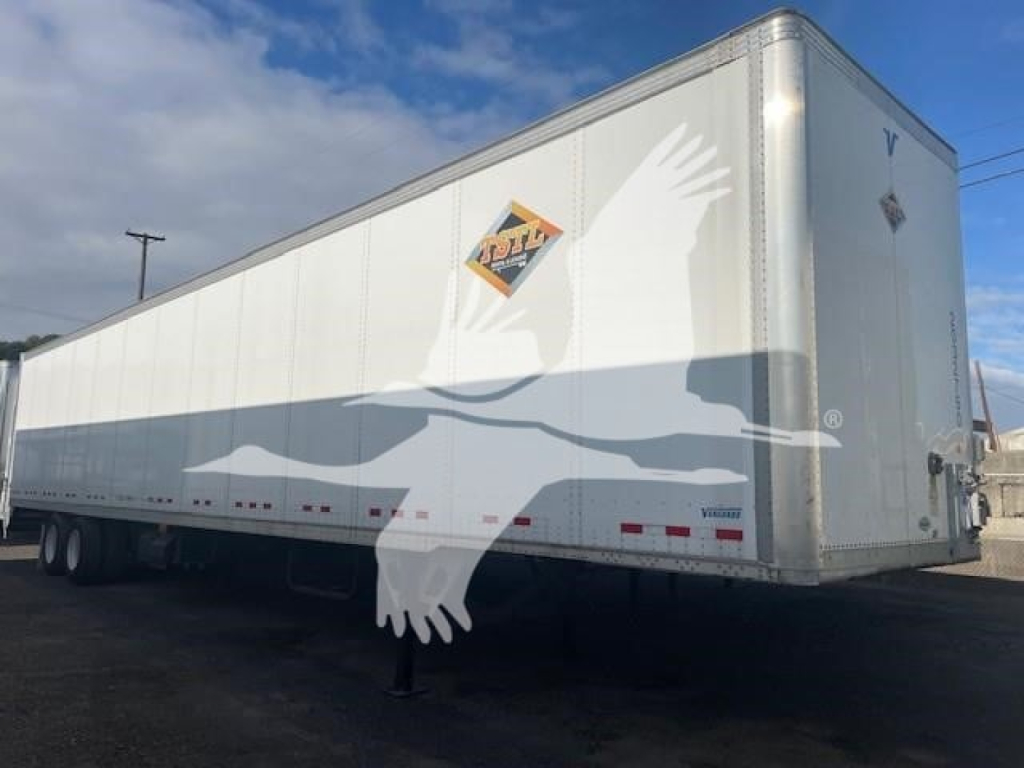
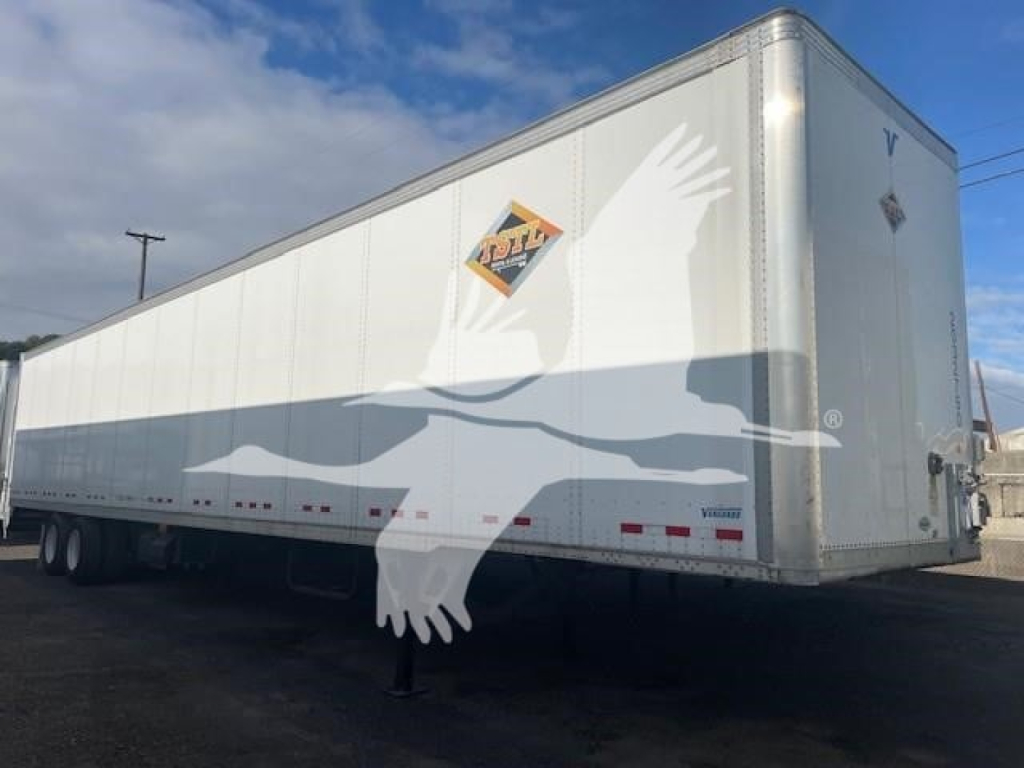
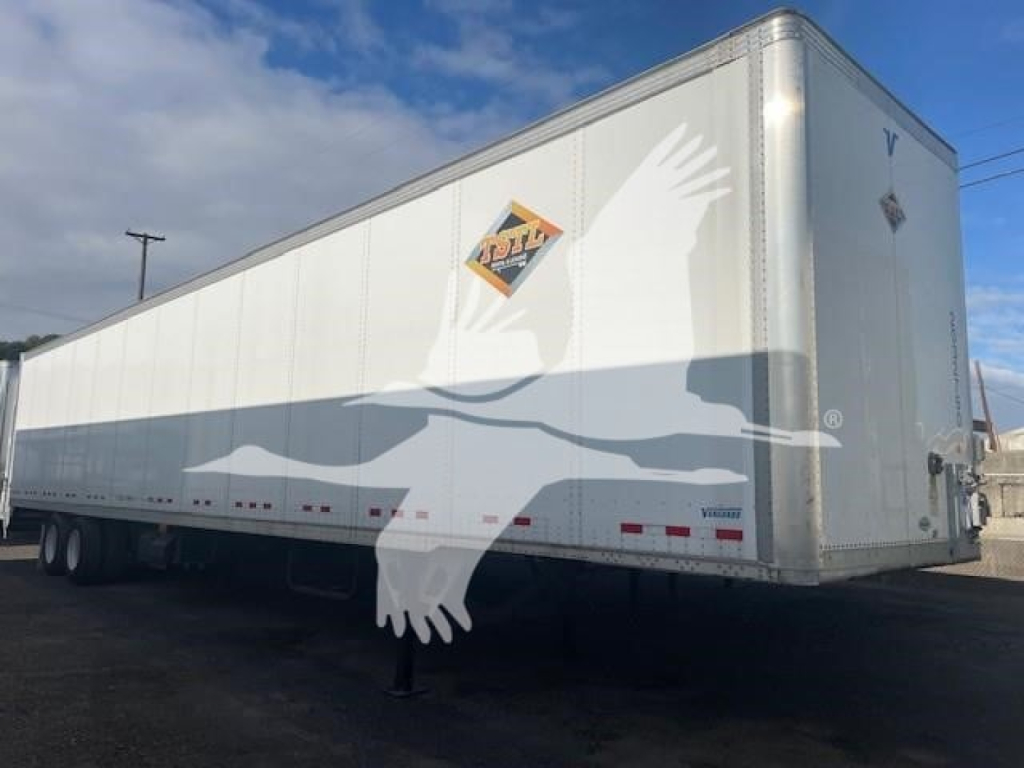
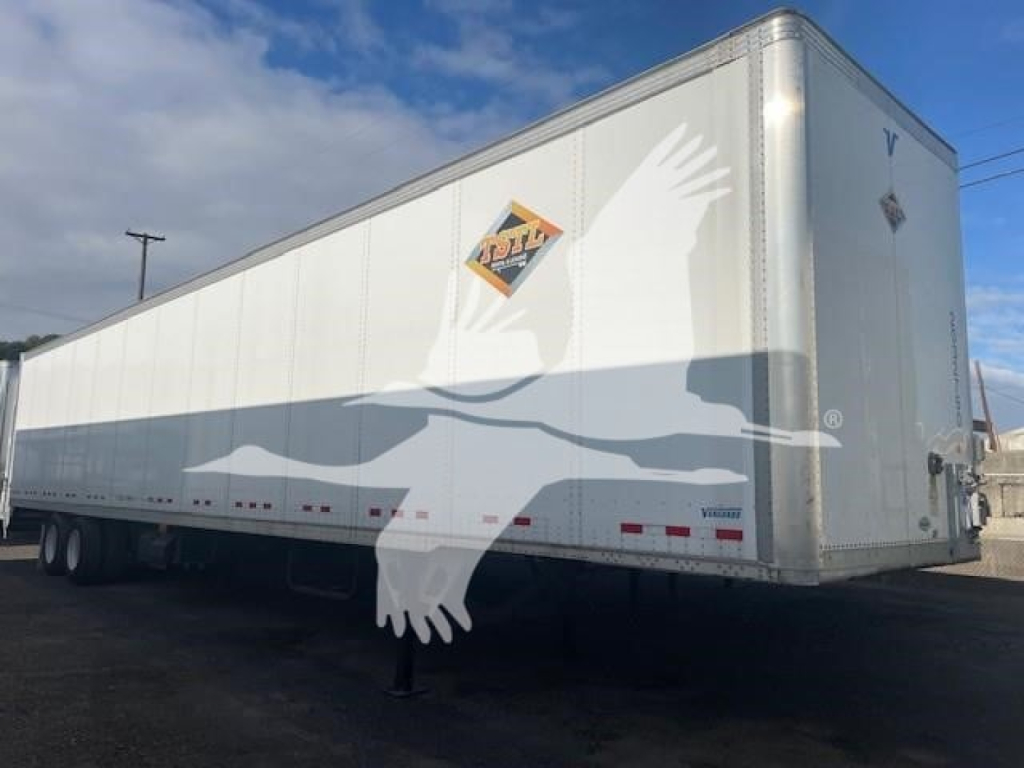
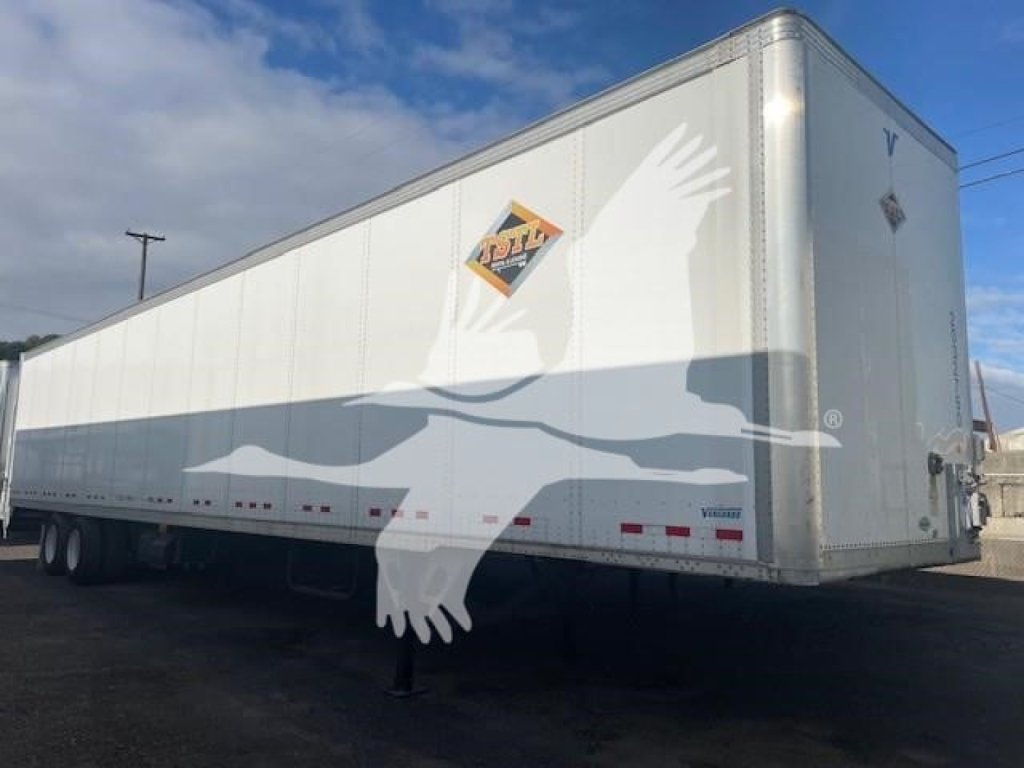
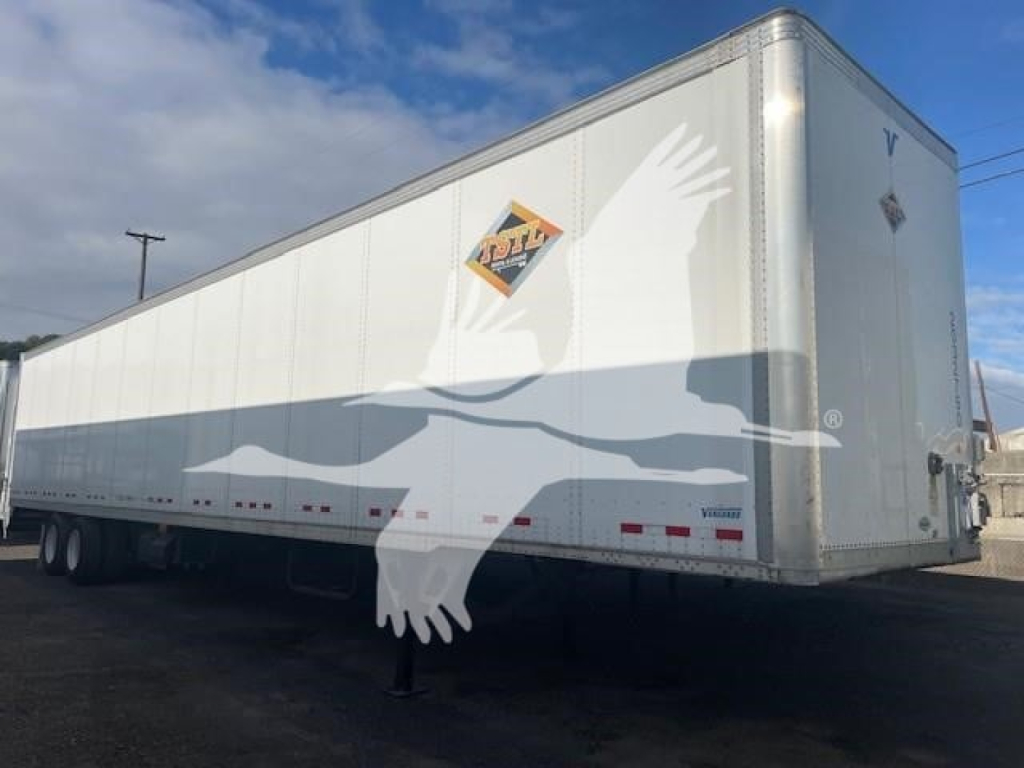
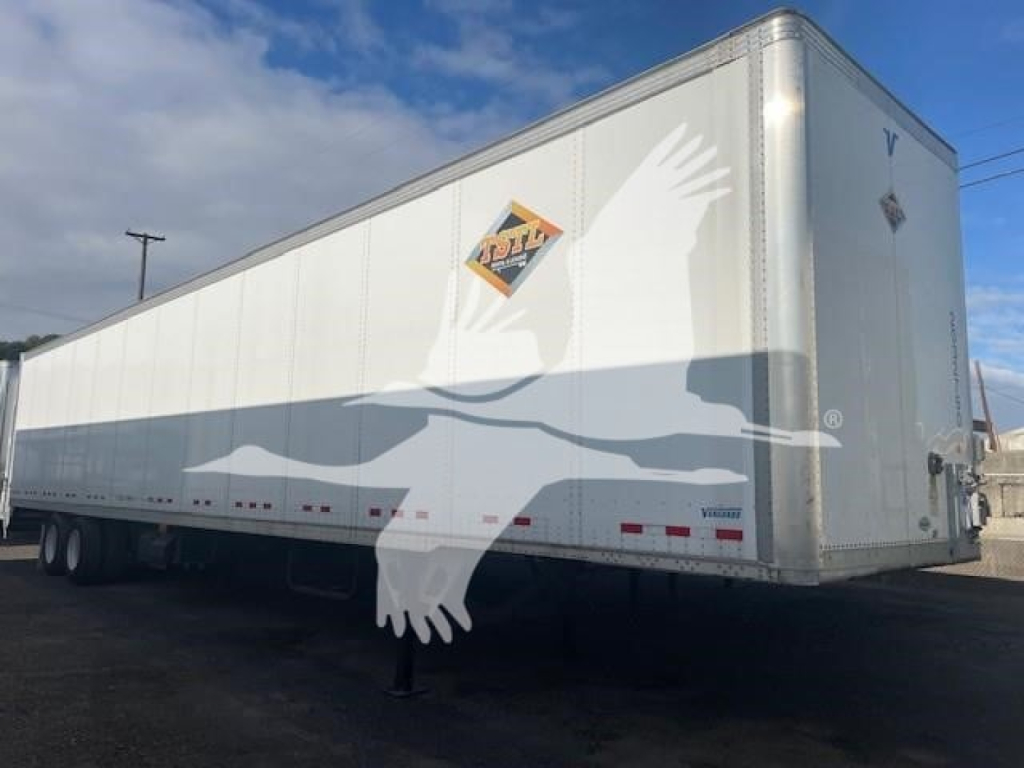
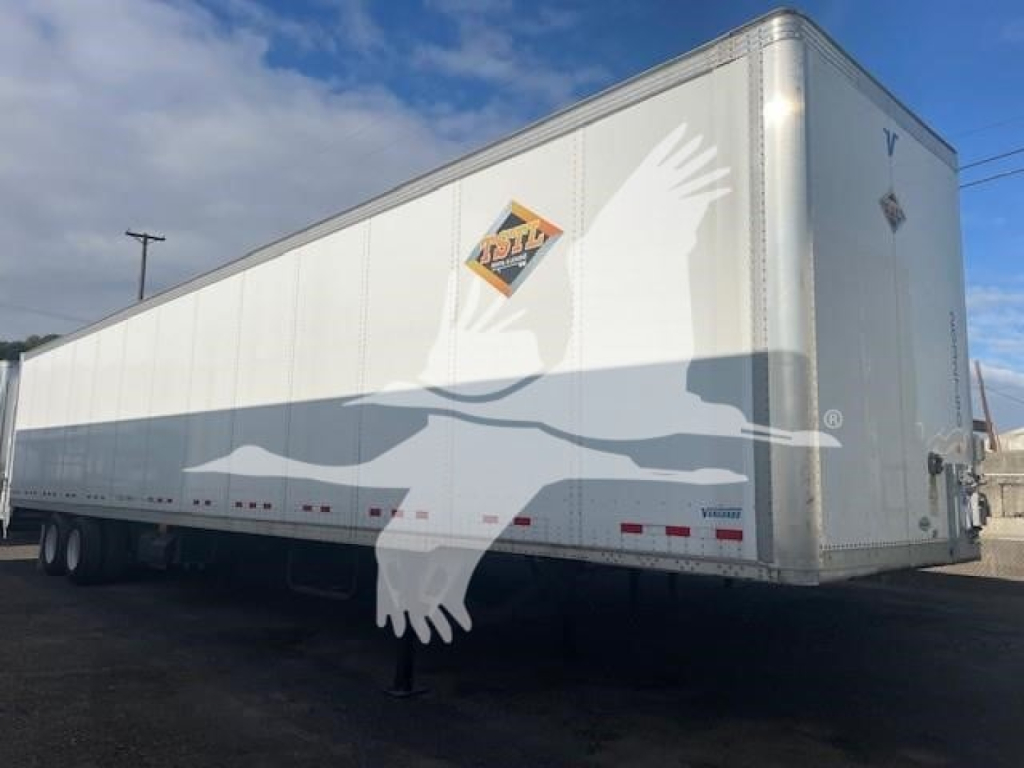
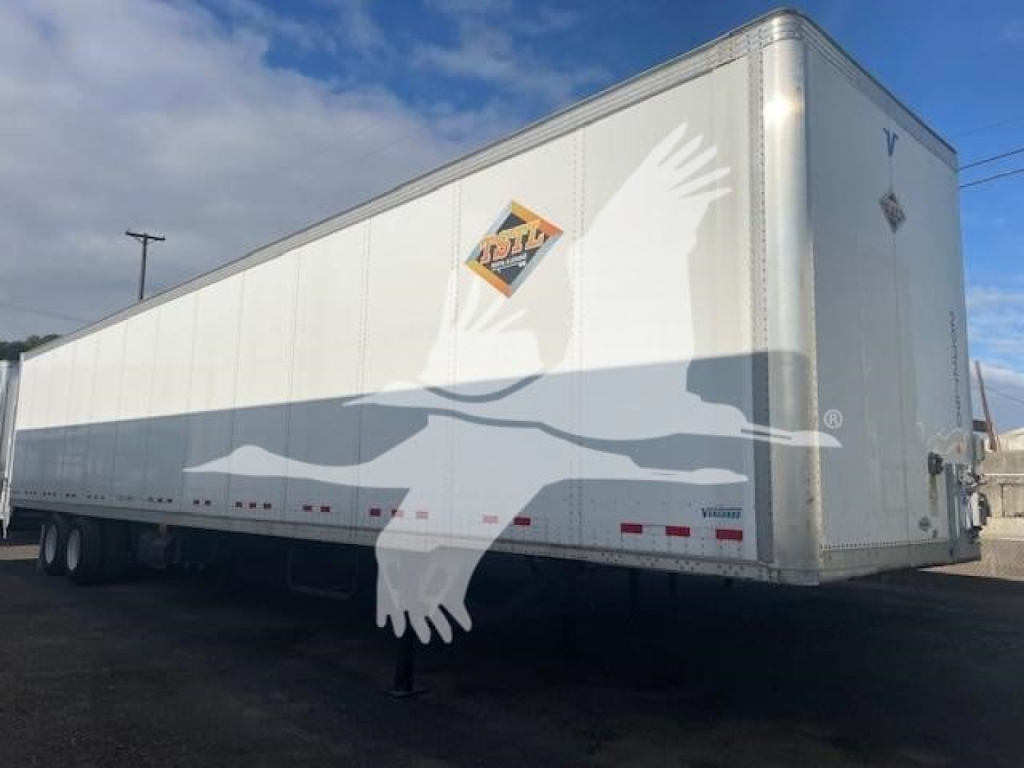
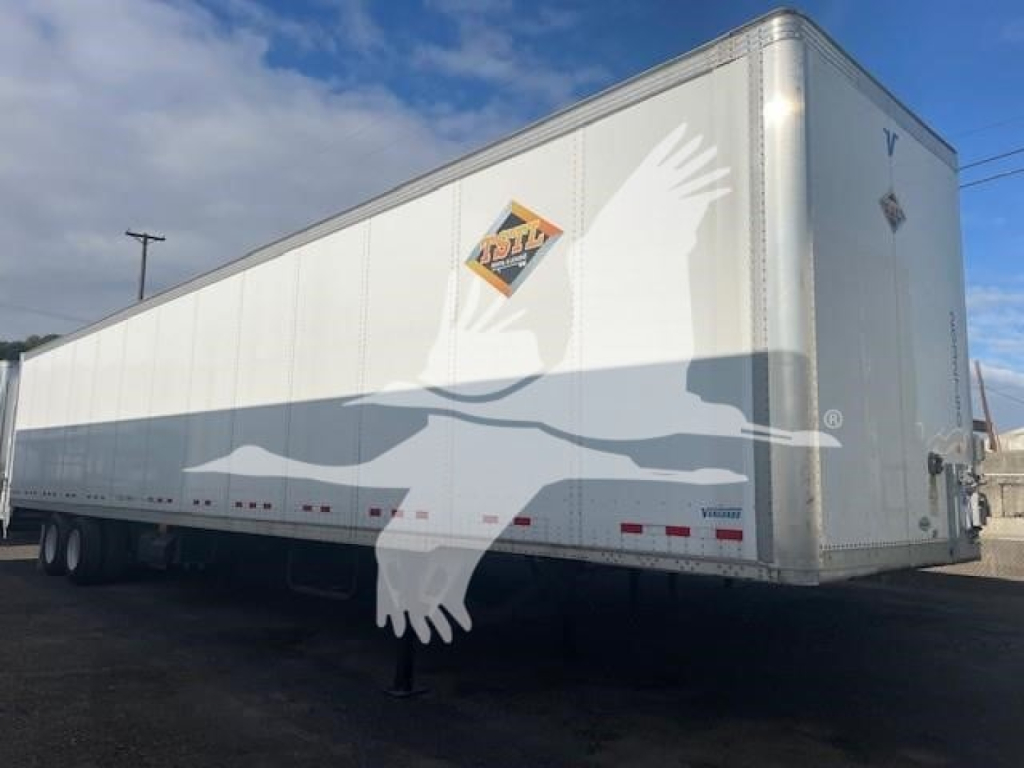
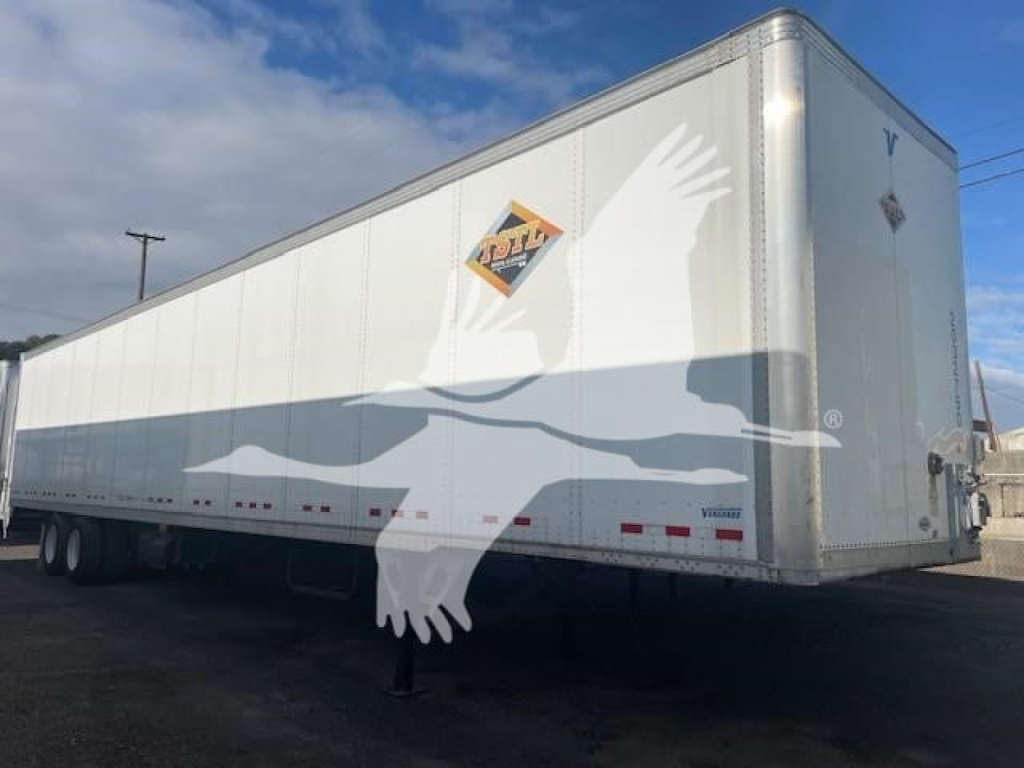
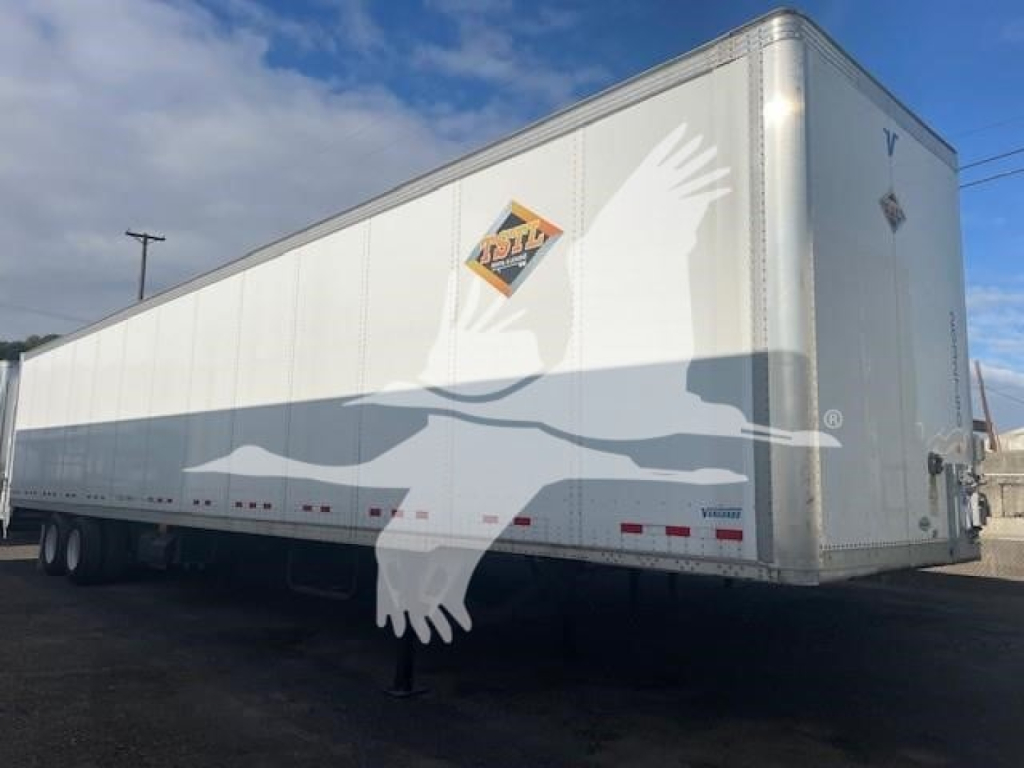
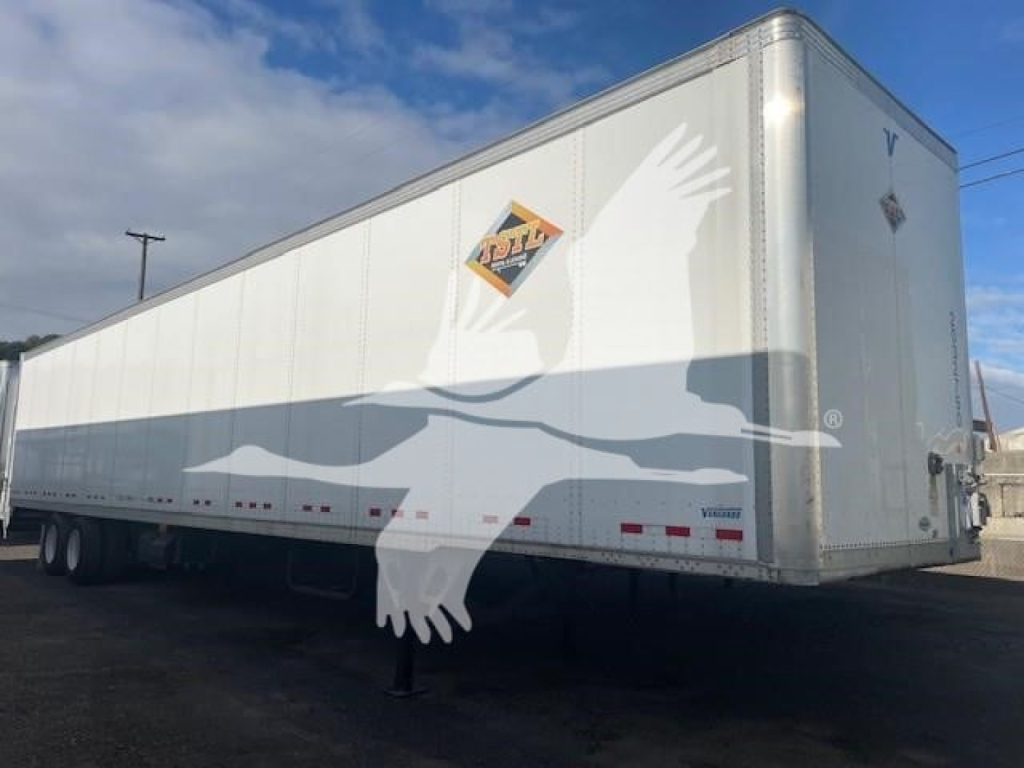
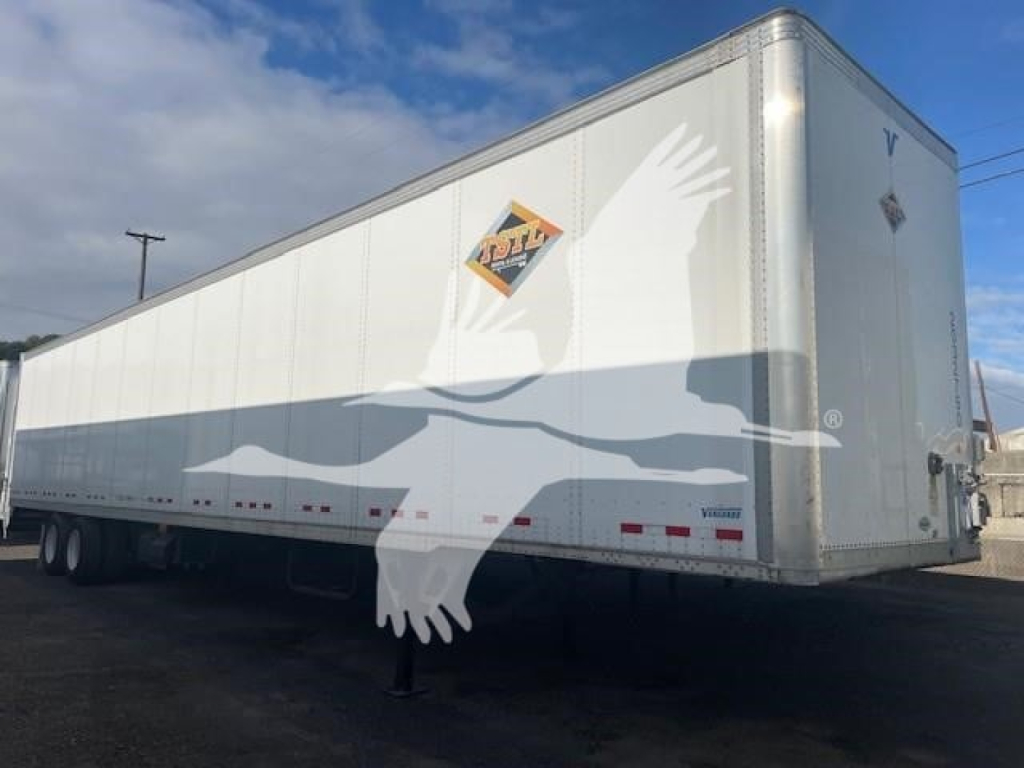
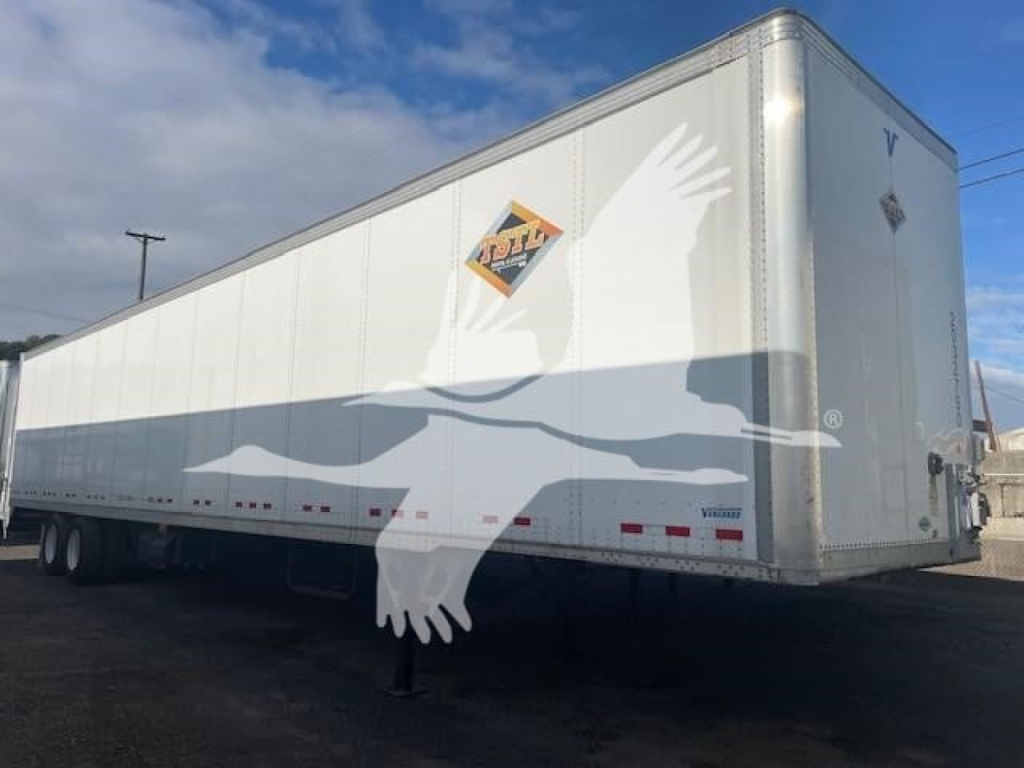
Showing 57 to 84 of 164 results
Looking for the easiest place to sell your 2017 trailer? List it here to reach thousands of buyers.
2017 Trailers
Condition matters more than badge alone on a used 2017 trailer. Buyers should look closely at floor wear, roof condition, sidewall repairs, rear frame integrity, and crossmember corrosion, especially on trailers that spent time in heavy dock service or northern road salt markets. On dry vans, details like scuff liners, threshold plates, E-track, logistic posts, front and rear vents, and undertray storage can have a direct impact on day-to-day utility. Suspension type also changes the trailer's role. Air ride is typically preferred for higher-value or damage-sensitive freight, while spring ride can still make sense for tougher freight cycles and lower acquisition cost.
Spec decisions should be tied to freight lanes and loading practices. A 2017 trailer with a 13-foot 6-inch overall height and roughly 100 to 104 inches of inside height fits standard over-the-road van work, but inside clearance, door opening, and floor rating should be verified against the freight you actually move. Tire size, wheel type, brake condition, and axle configuration affect operating cost just as much as the purchase price. Buyers comparing this model year should pay attention to tire inflation systems, disc versus drum brakes, lift axle setups on some applications, and kingpin setting if the trailer will be assigned to a mixed tractor fleet.
The best 2017 trailers are the ones with a clear maintenance history and specs that match the job. A trailer that spent its life in regional dry freight may present differently than one used in dense urban pickup and delivery or drop-and-hook operations. Check tandem slide function, landing gear operation, door hardware, brake life, tire age, and signs of previous impact at the nose, rear sill, and upper rails. For many buyers, a well-kept 2017 trailer still offers years of productive service, especially when the core structure, running gear, and cargo-control components are in sound condition.
Frequently Asked Questions about 2017 Trailers
What should I inspect first on a used 2017 trailer?
Start with the structural and wear items that are expensive to correct. Check the floor for rot, delamination, soft spots, and forklift damage. Inspect crossmembers, rear frame, upper rails, roof bows, and sidewalls for cracks, corrosion, and past repairs. Then move to the running gear, including suspension, brakes, hubs, tires, wheels, and tandem slide operation. On van trailers, also inspect the rear door opening, threshold plate, scuff liners, and any cargo securement system such as E-track or logistic posts.
Is air ride better than spring ride on a 2017 trailer?
Air ride is generally preferred when cargo protection and ride quality matter, especially in over-the-road dry van, refrigerated, and retail freight service. It can reduce cargo shift and vibration compared with spring ride. Spring ride is simpler and can be less expensive to buy and maintain, which may appeal to buyers focused on lower entry cost or rough-duty service. The right choice depends on freight type, lane quality, and maintenance standards.
What are the most common specs on a 2017 dry van trailer?
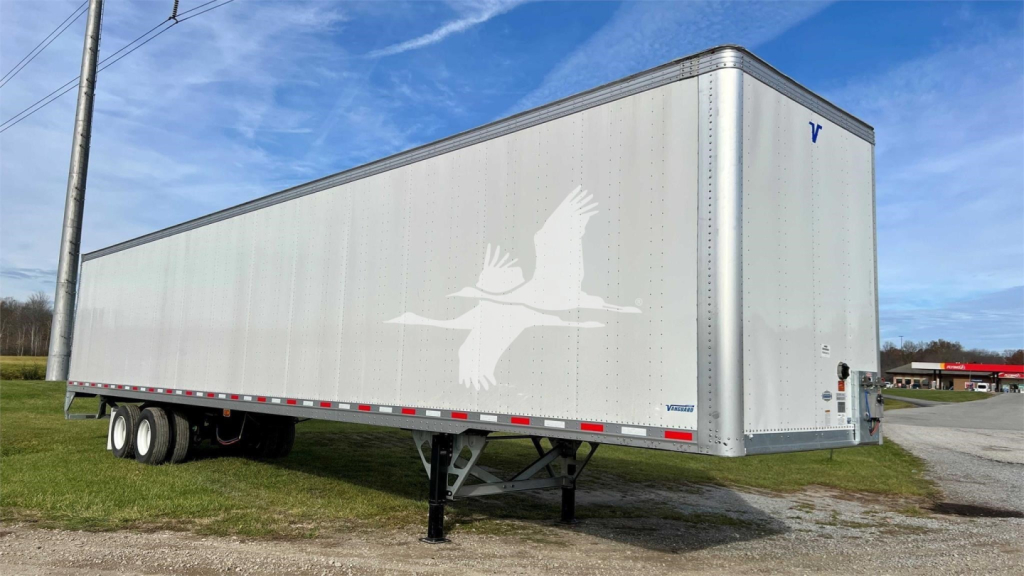
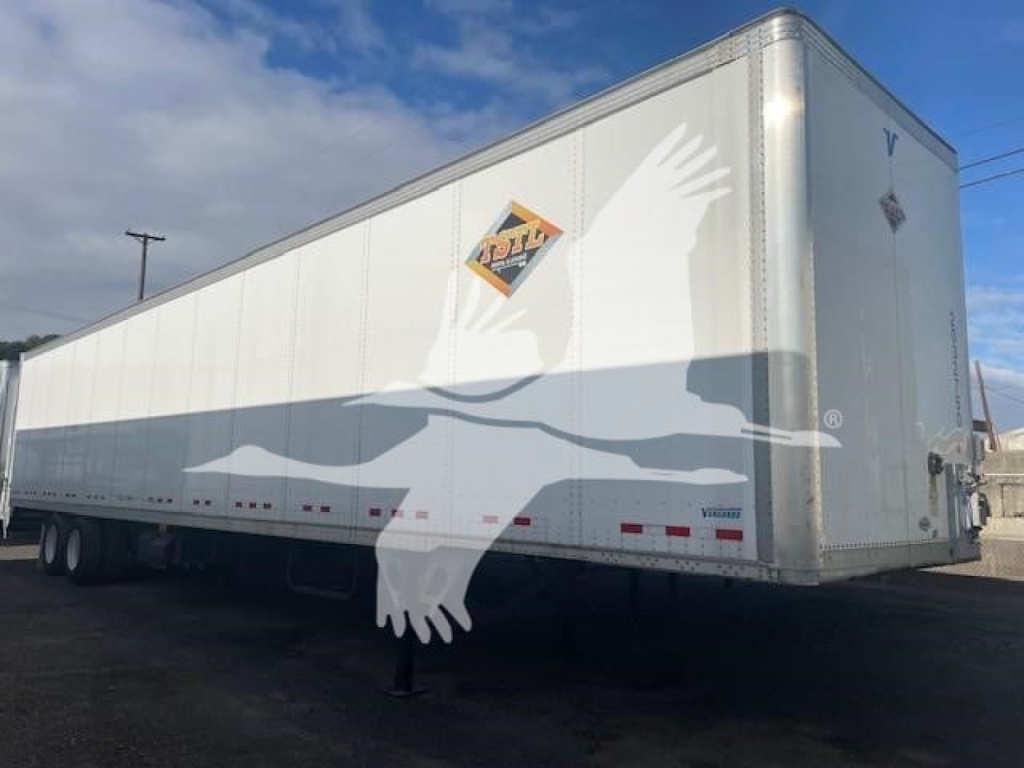
A typical 2017 dry van trailer is 53 feet long, 102 inches wide, and around 13 feet 6 inches in overall height. Most use tandem axles with a sliding tandem setup, 22.5-inch tires, and either steel or aluminum wheel packages. Common features include a wood floor, plywood lining, scuff plates, threshold plate, front and rear vents, roll-up or swing doors, and either air ride or spring suspension. Exact inside height, door opening, and floor rating can vary by manufacturer and build spec.
Does trailer age matter more than maintenance history?
On a commercial trailer, maintenance history usually tells you more than model year alone. A 2017 trailer with documented brake work, tire replacement, suspension upkeep, and regular structural repairs can be a better buy than a newer trailer with heavy damage or poor service records. Age still matters for wear-related items like wiring, air lines, bushings, and floor condition, but service history helps explain how the trailer was operated and maintained over time.
Why is the tandem slide important on a 2017 trailer?
A sliding tandem lets the operator shift axle position to meet bridge laws, state compliance requirements, and shipper loading needs. It also helps balance weight between tractor drives and trailer tandems. On a used 2017 trailer, the slide rail condition, locking pins, air system, and overall movement of the tandem should be checked carefully. A neglected tandem slide can create dispatch problems, uneven tire wear, and added repair cost.