
2017 Flatbed Trailers For Sale
Shop 2017 flatbed trailers with specs buyers want: 48-53 ft lengths, air or spring ride, sliding tandems, coil packages, and securement options.
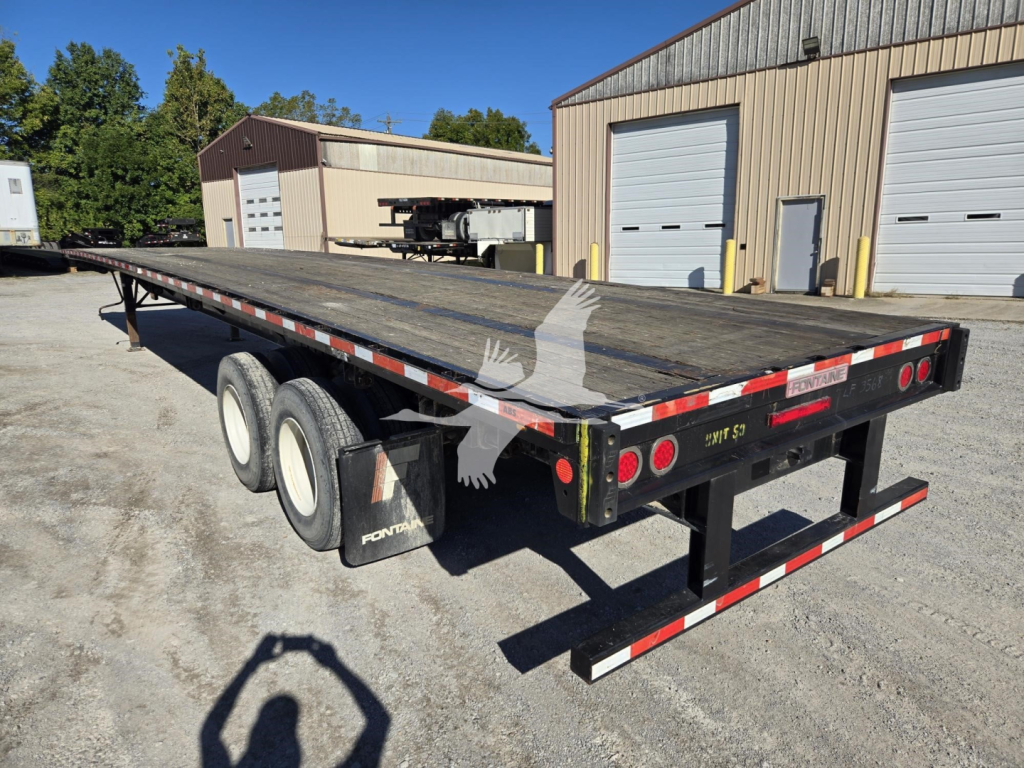
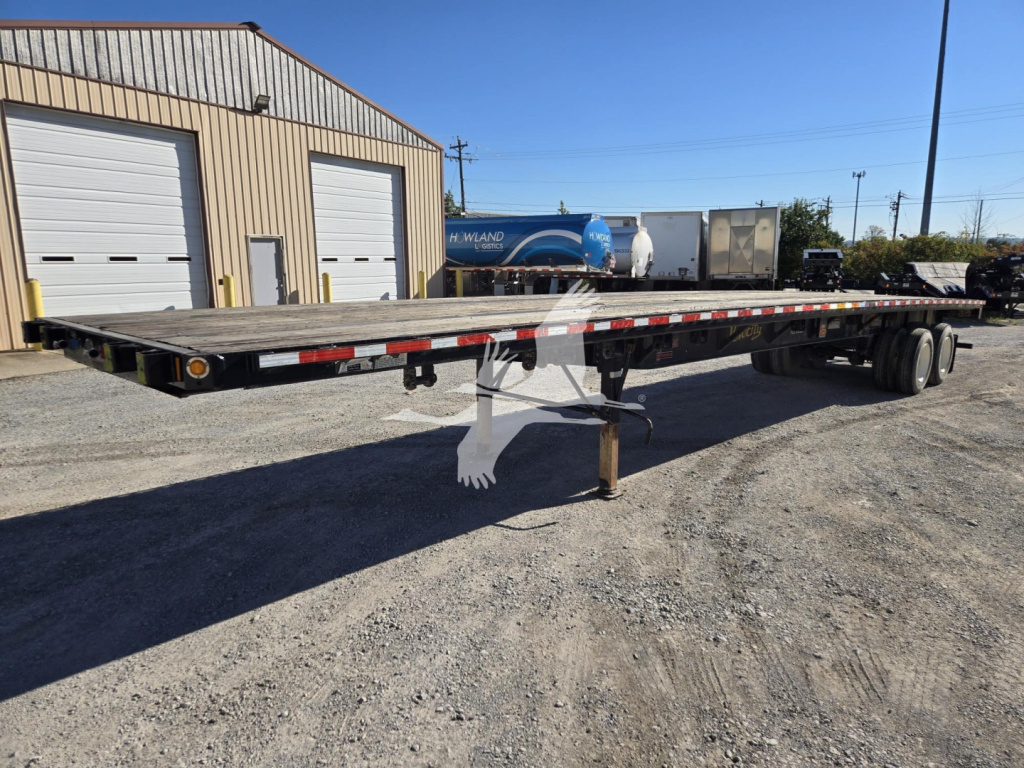
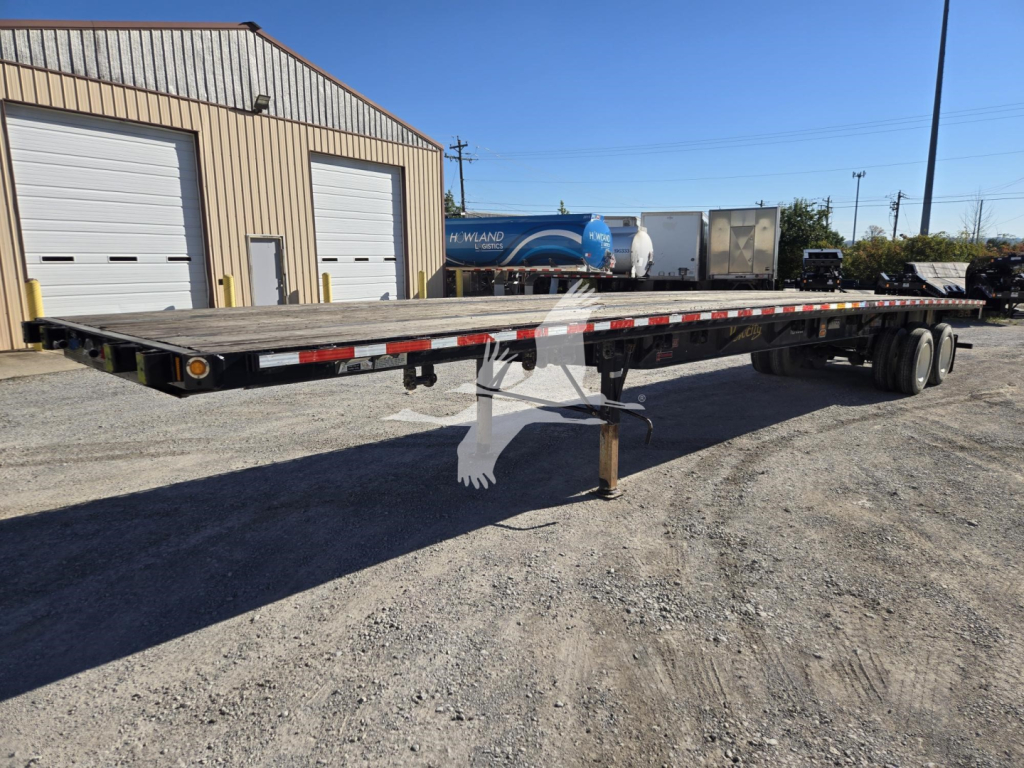
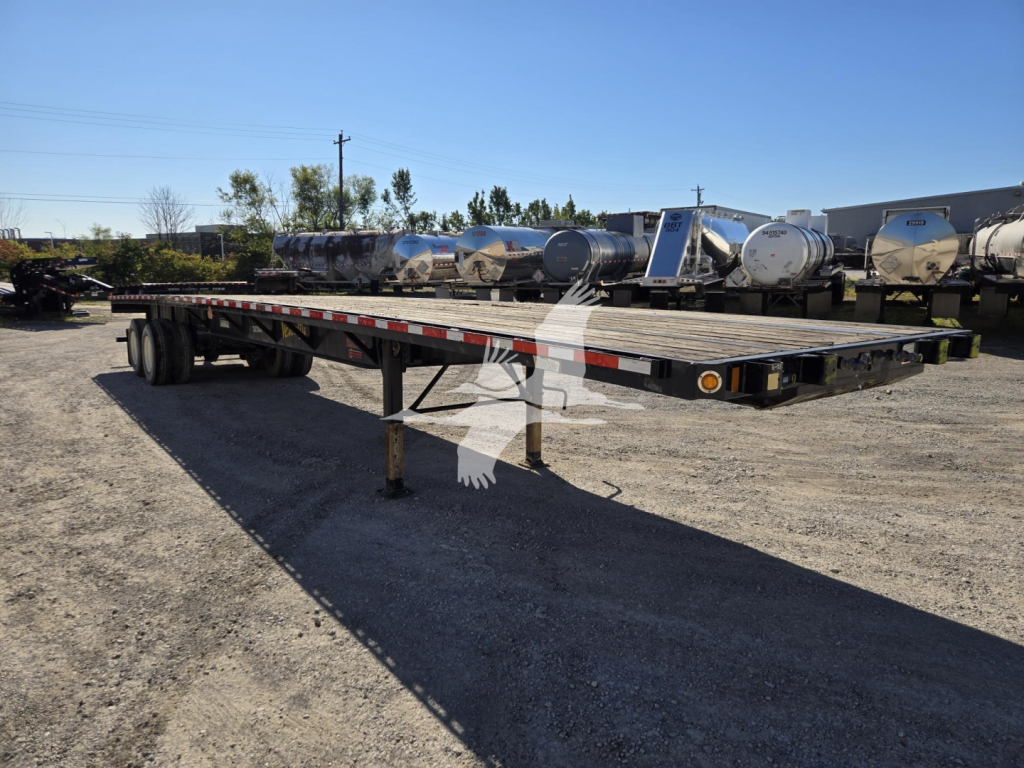
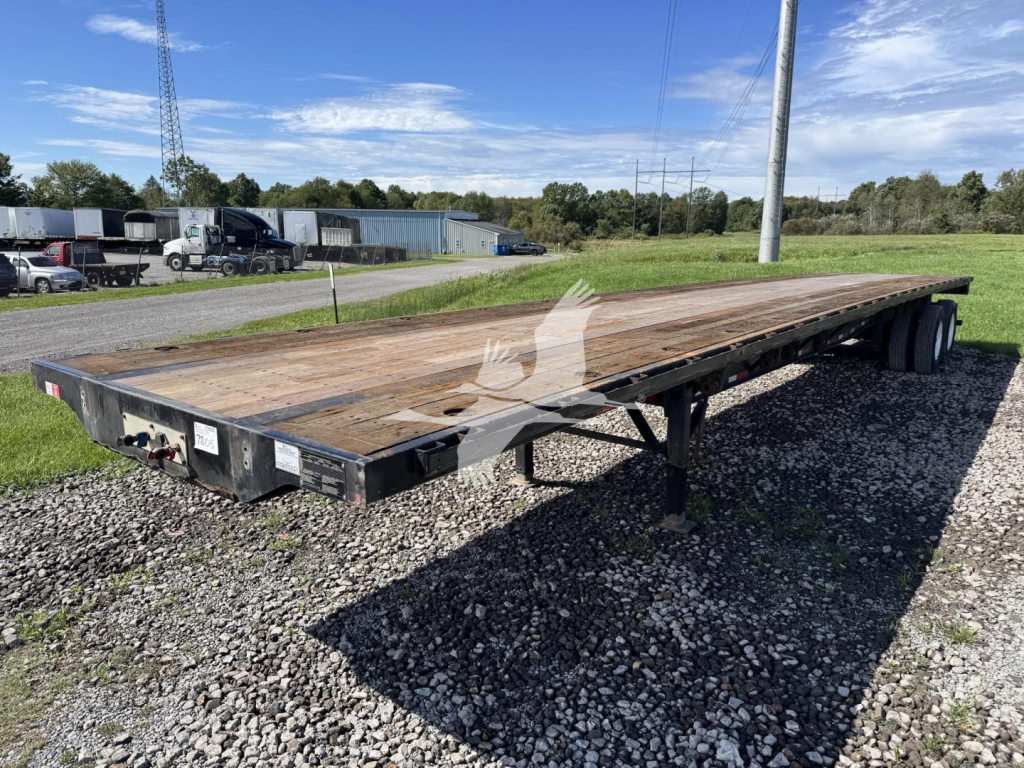
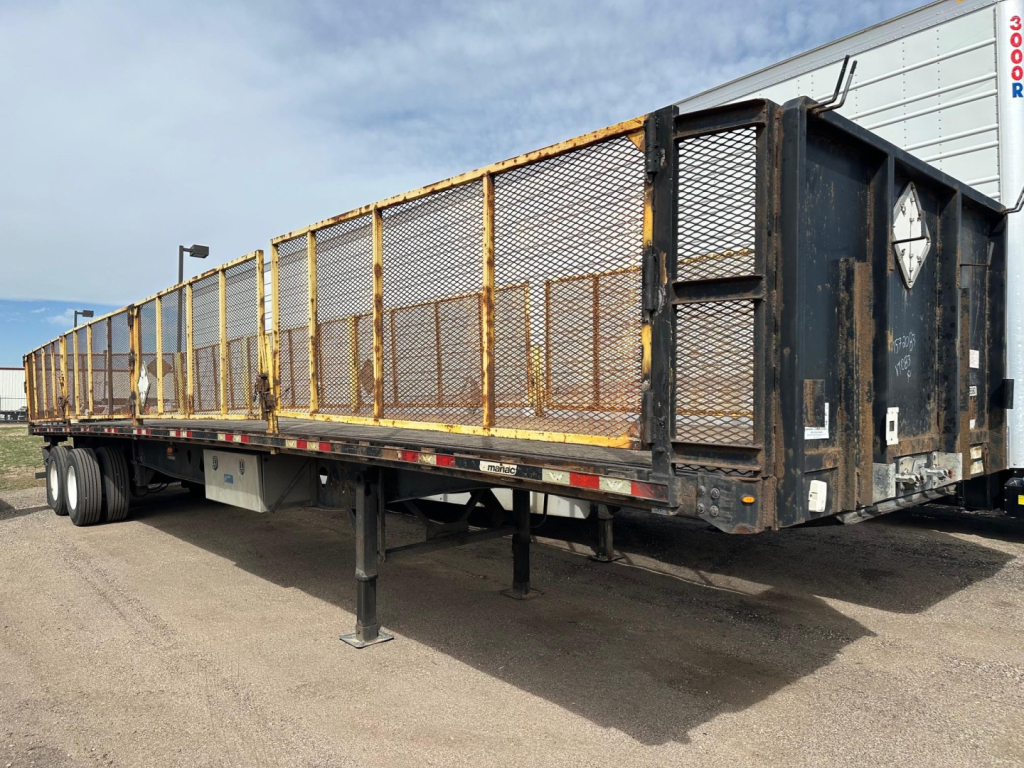
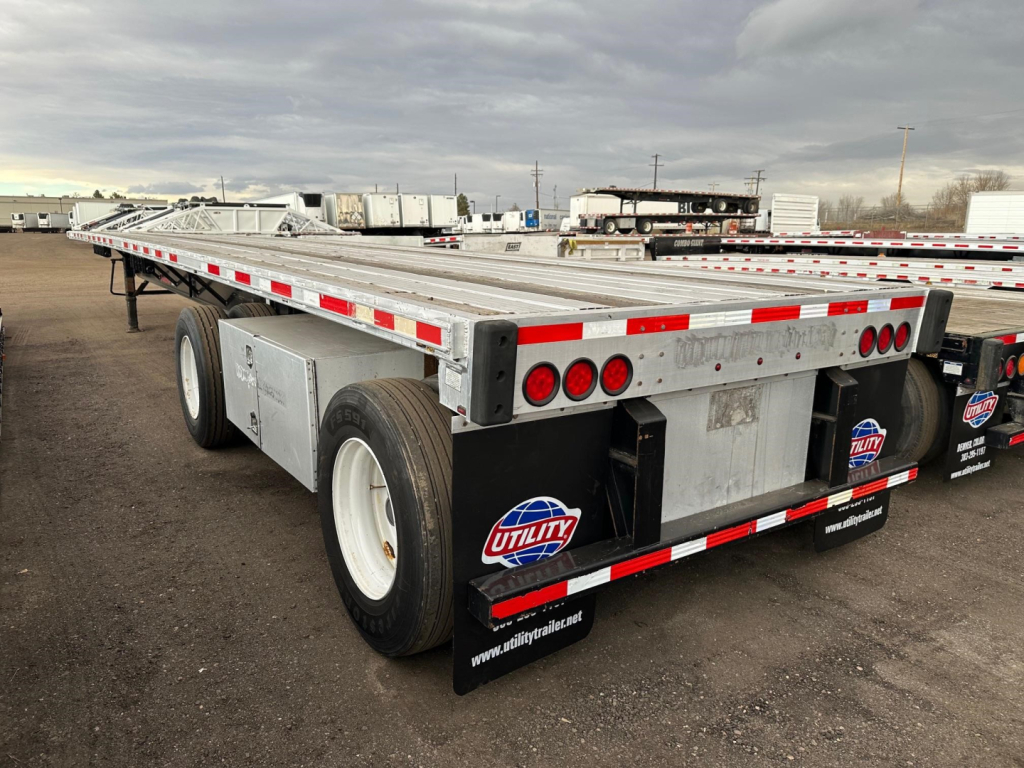
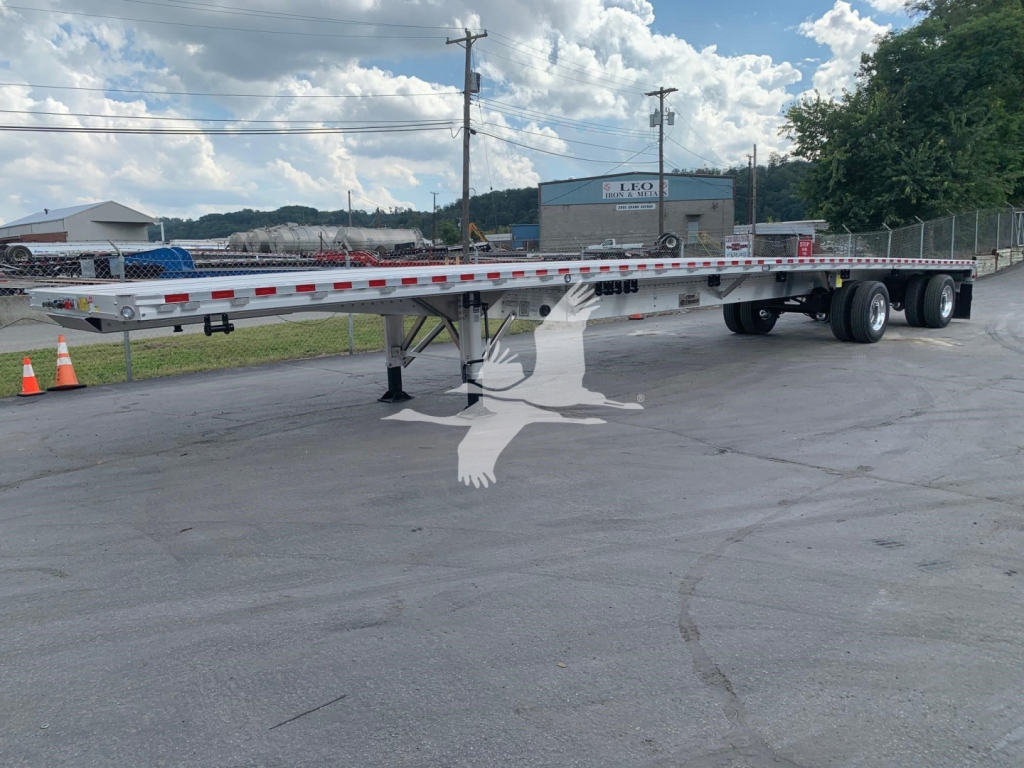
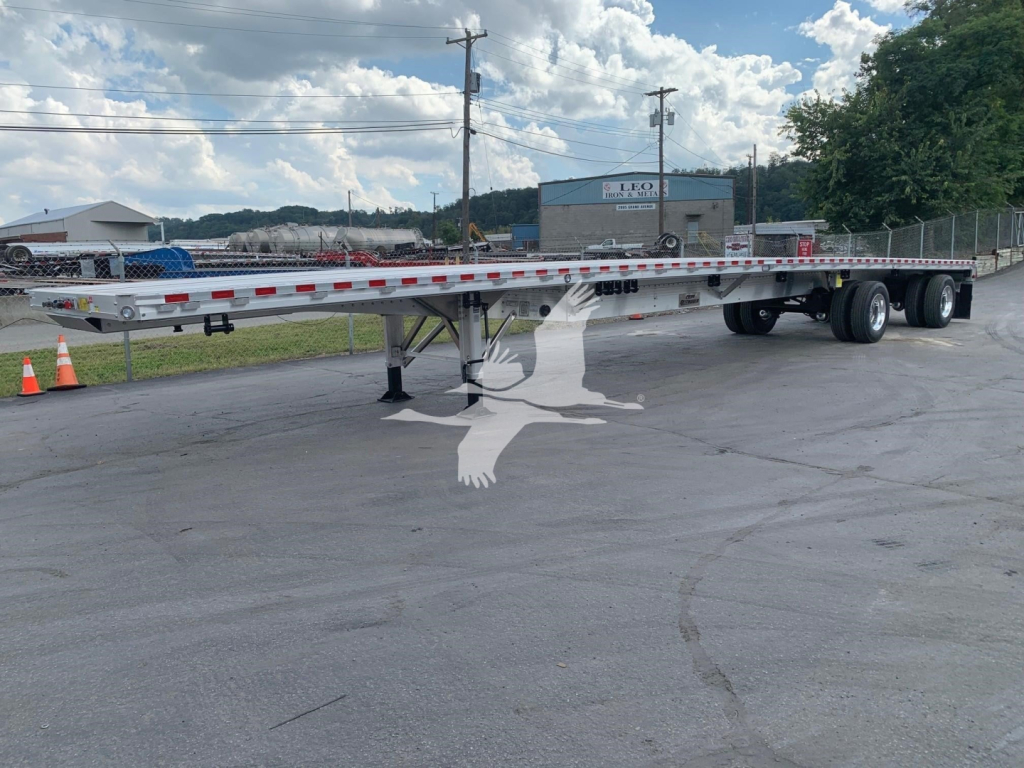
Selling a 2017 flatbed trailer? List your 2017 flatbed trailer for sale and reach thousands of commercial buyers.
2017 Flatbed Trailers
Construction details matter more than model year on a flatbed. Look closely at flooring type, crossmember spacing, side rail design, and securement layout. Aluminum floors with apitong nailer strips are common on lightweight trailers, while full wood decks or heavier crossmember layouts are often preferred for machinery, steel products, and mixed freight. A true coil package, extra crossmembers, stake pockets, chain tie-downs, rub rails, pipe spools, and full-length winch tracks all affect how versatile the trailer will be day to day. Buyers comparing 2017 flatbed trailers should also pay attention to concentrated load ratings such as 52,000 pounds in 4 feet or 60,000 pounds in 10 feet, not just gross vehicle weight rating.
Running gear is another major decision point. Many 2017 flatbeds were built with tandem axles, air ride suspension, and either fixed or sliding rear tandems. A sliding tandem can be important for bridge law compliance and California legal axle settings, while fixed tandem layouts may be simpler and lighter. Check suspension brand, bushing wear, ride height control, brake condition, ABS function, wheel type, and tire size. Air ride remains the preferred spec for many operations hauling building materials, crated freight, or finished product because it protects cargo better than spring ride, but spring suspensions still have a place in severe-duty applications.
For a used 2017 flatbed, condition items usually drive value more than cosmetics. Inspect the deck for rot, gouging, loose fasteners, and patched sections. Check main beams for corrosion, repairs, and flange damage, especially around coil wells, axle hangers, and landing gear mounts. Verify winches slide freely, stake pockets are not stretched, the rub rail is straight, and lights, wiring, and receptacles are in working order. A well-spec'd 2017 flatbed trailer is still a practical choice for steel, lumber, machinery, palletized freight, building products, and general over-the-road open deck work, especially when the trailer's tare weight, load rating, and securement package match the lane and commodity.
Frequently Asked Questions about 2017 Flatbed Trailers
What should I inspect first on a 2017 flatbed trailer?
Start with the deck, main beams, suspension, brakes, and securement points. Floor condition tells you a lot about how the trailer was used and maintained, while the beams and crossmembers reveal whether it has seen concentrated loads or impact damage. Also inspect stake pockets, rub rails, winch tracks, sliding winches, landing gear, and axle components. On a 2017 model, wear items and prior repairs usually matter more than age alone.
Is an aluminum, steel, or combo 2017 flatbed better?
The best material depends on freight and operating style. Aluminum flatbeds are lighter and help maximize payload, which matters for general freight and weight-sensitive lanes. Steel flatbeds are heavier but often preferred for rugged service and frequent concentrated loads. Combo trailers split the difference by using steel main beams with aluminum components to balance strength, tare weight, and long-term durability.
Do I need a sliding tandem on a 2017 flatbed trailer?
A sliding tandem is useful if you run multiple states, need flexibility for bridge law, or require California legal axle settings. It gives more control over axle spacing and load distribution. A fixed tandem may be lighter and mechanically simpler, but it offers less flexibility when freight position changes or state regulations affect axle placement.
What deck length is most common on a 2017 flatbed?
The most common lengths are 48 feet and 53 feet, both at 102 inches wide. A 48-foot flatbed can be a good fit for regional work, dense freight, and customers that do not need the extra deck space. A 53-foot flatbed is more common in general over-the-road service because it gives more loading area for building materials, palletized freight, and mixed commodity hauls.
Are 2017 flatbed trailers still a good buy for open deck work?
Yes, if the trailer has the right rating and has been maintained properly. Many 2017 flatbeds are still productive in steel, lumber, machinery, and general commodity service. The key is matching the trailer's construction, concentrated load rating, suspension, and securement package to your freight. A clean inspection on frame condition, deck wear, brakes, tires, and lighting is more important than simply choosing the newest model year.