
2017 Van Trailers For Sale
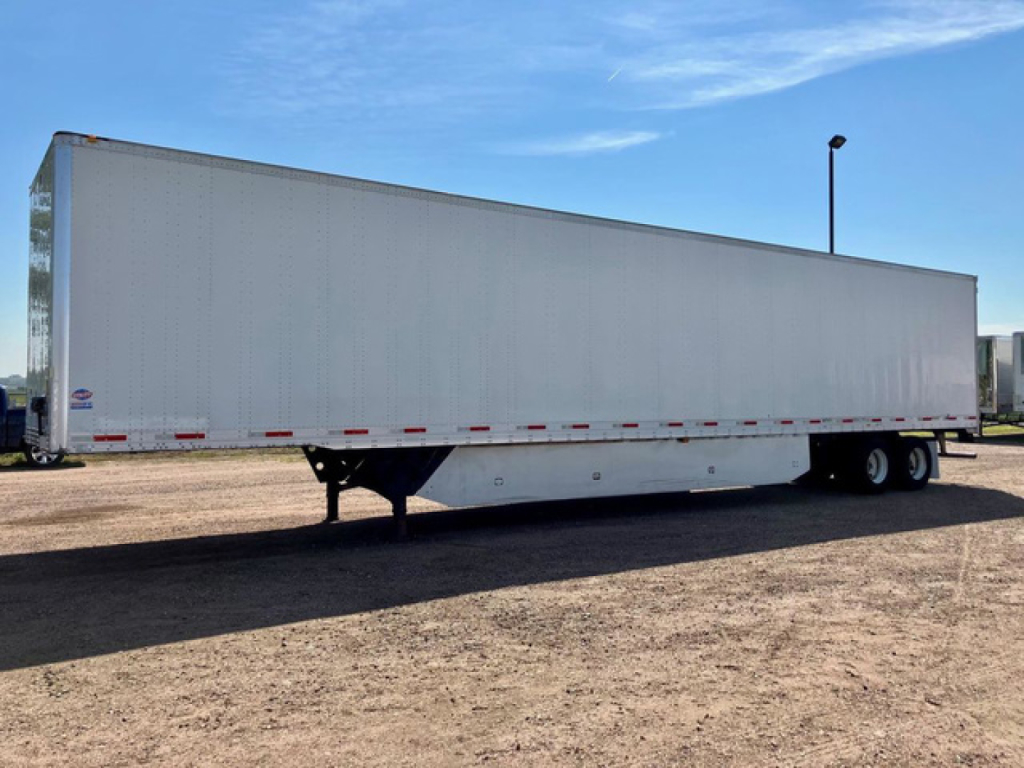
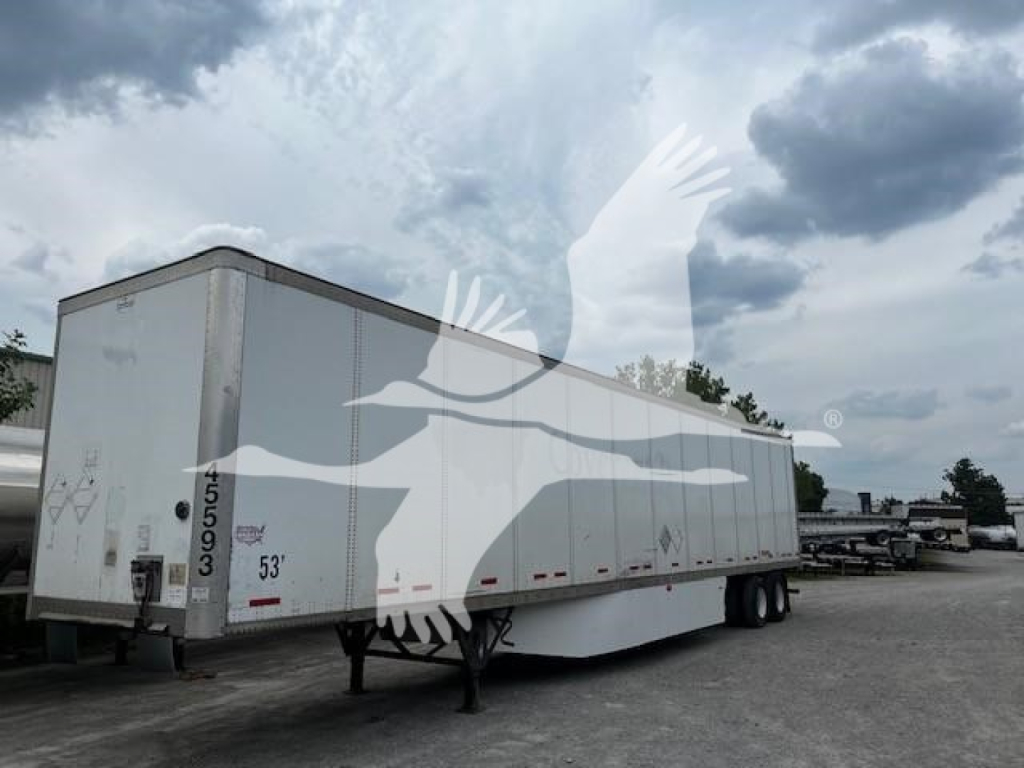
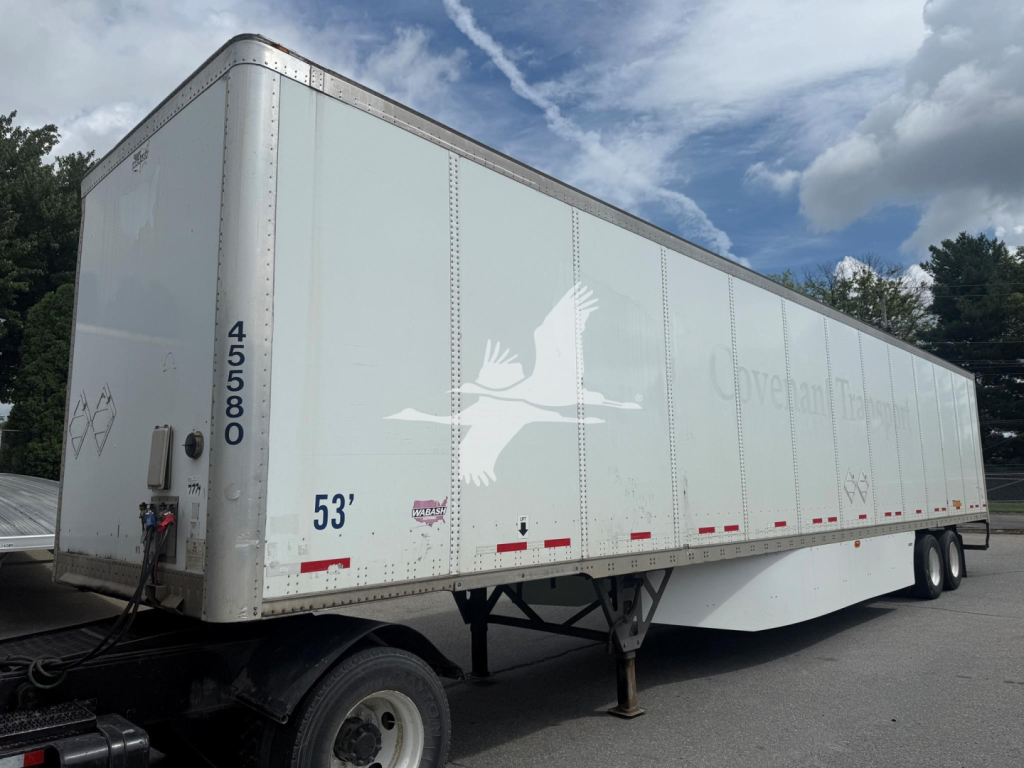
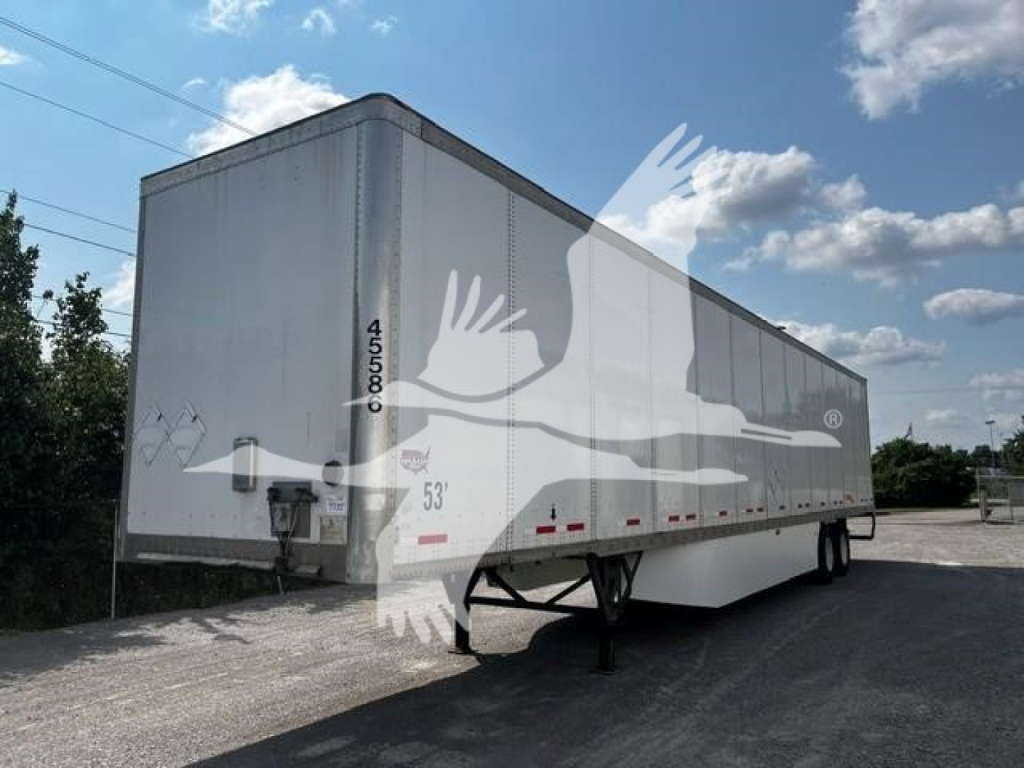
Shop 2017 van trailers for sale, including dry van semitrailers with common 53-foot specs, air ride, sliding tandems, swing doors, and logistics-ready features.
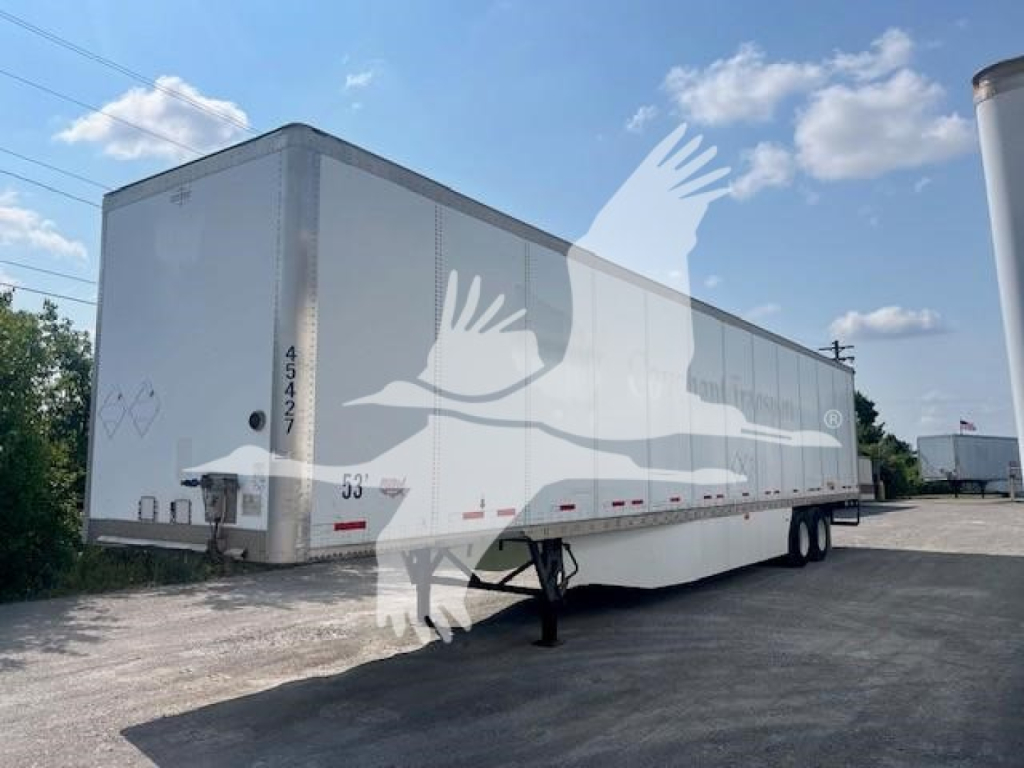
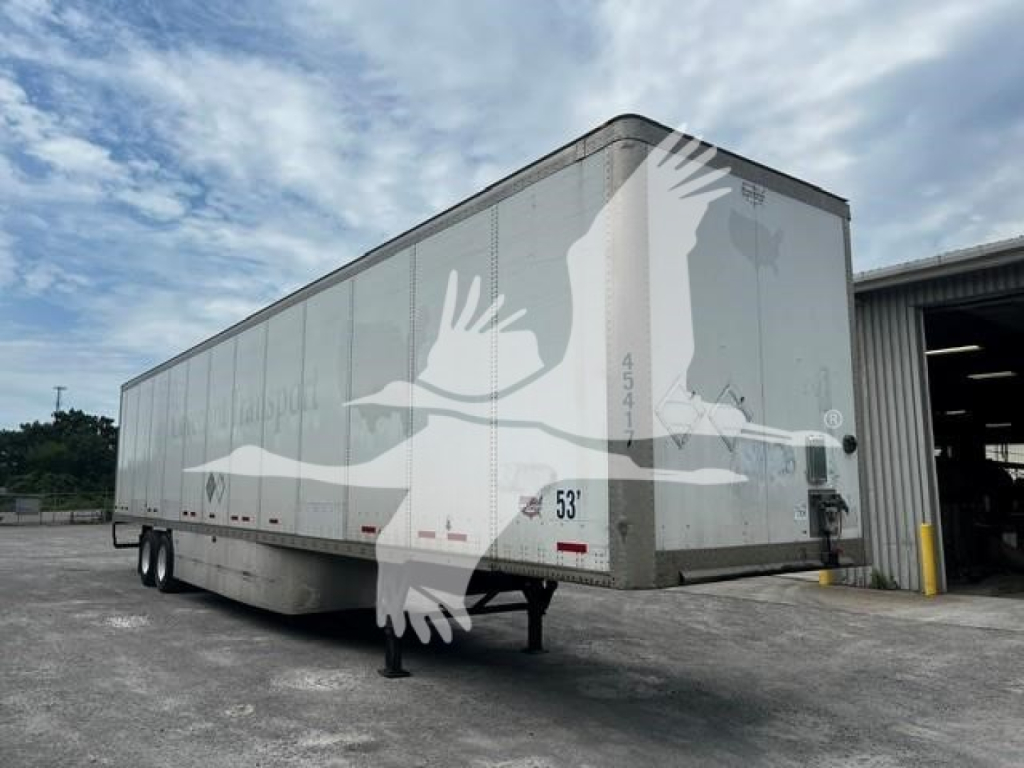
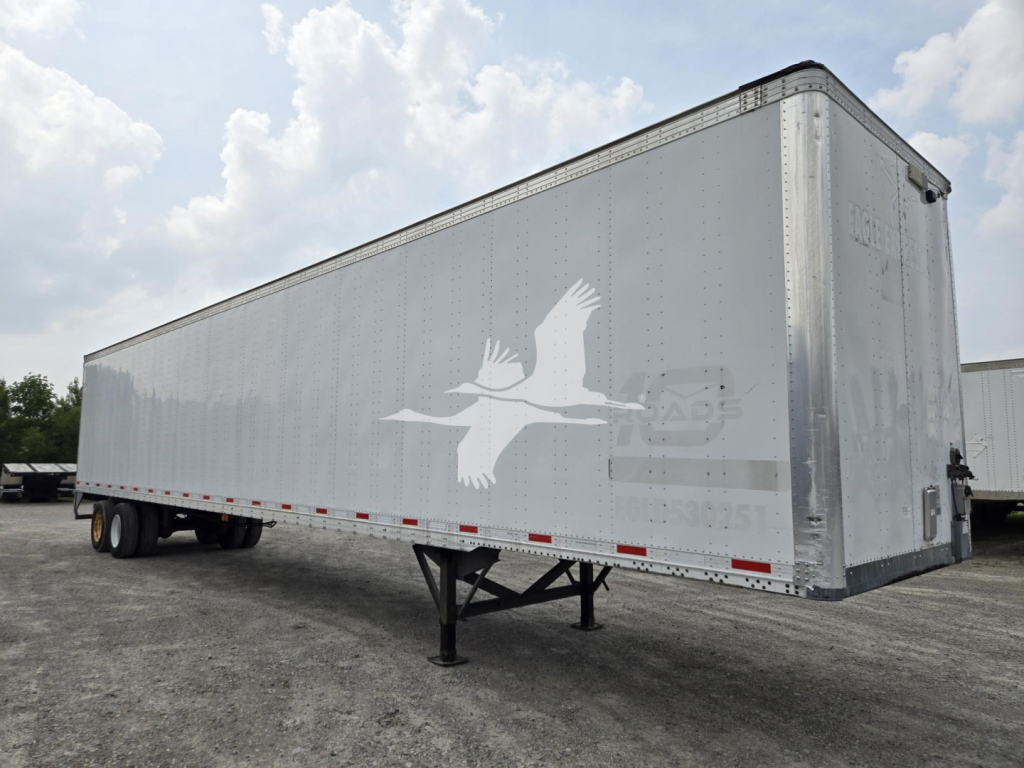
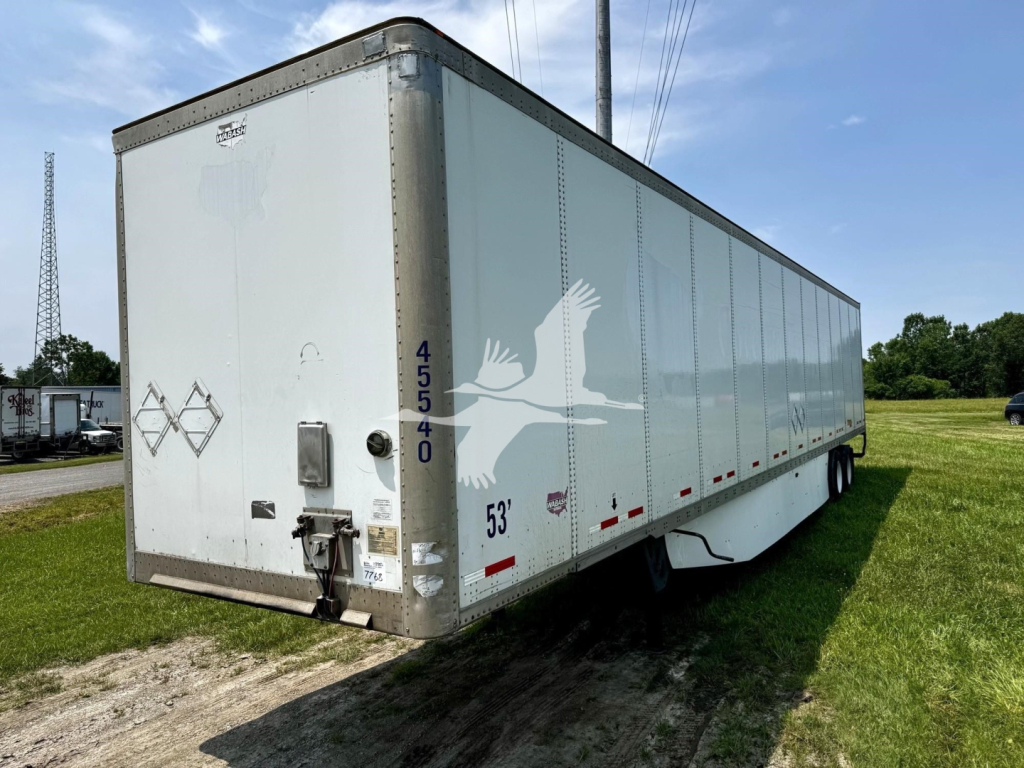
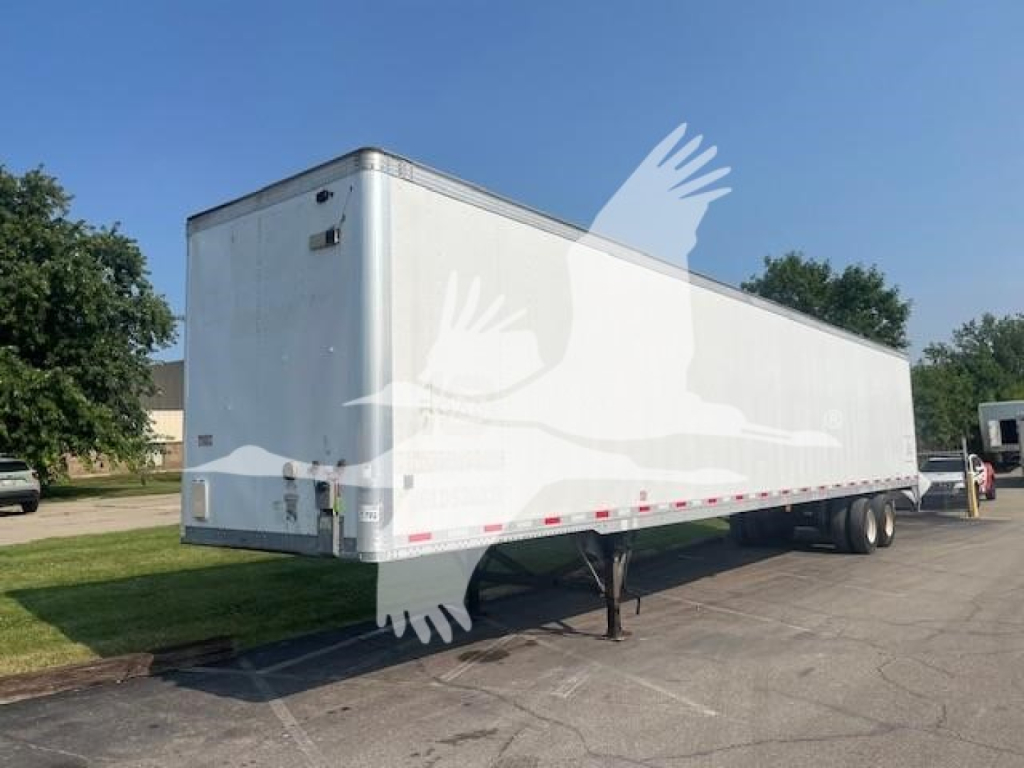
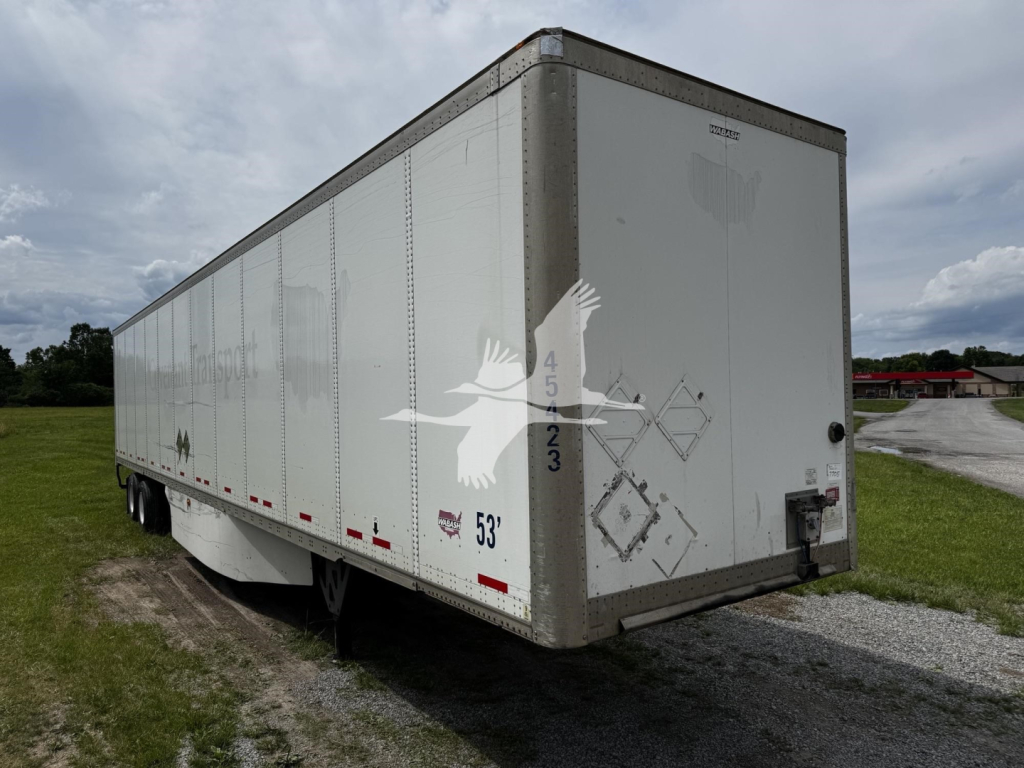
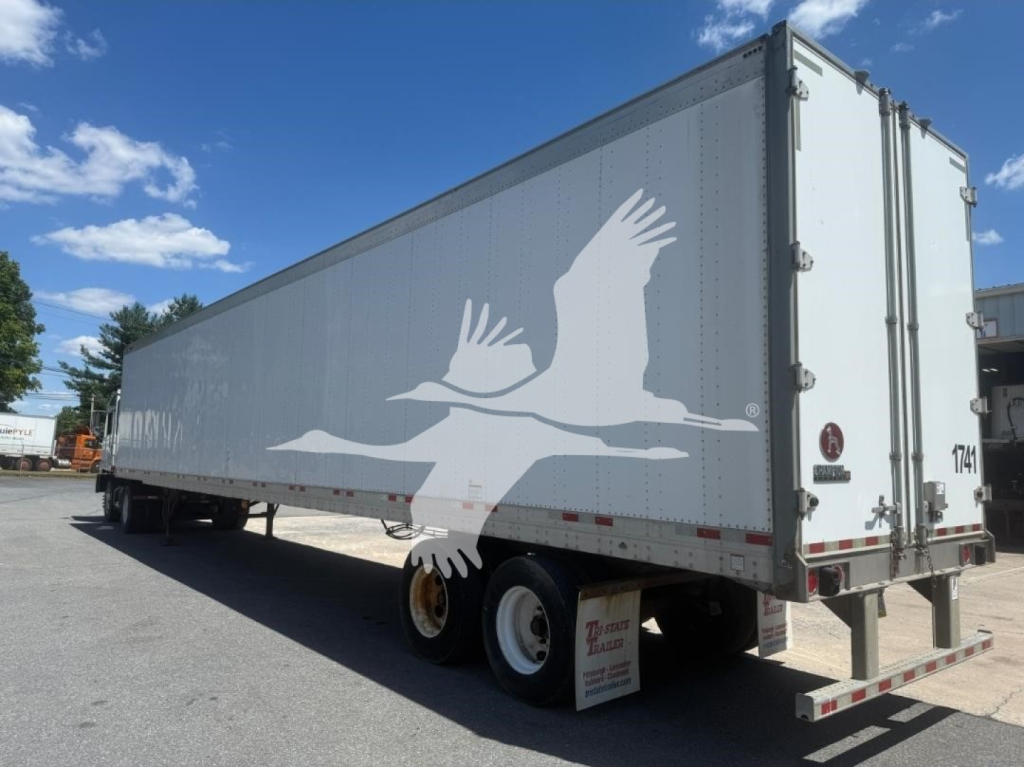
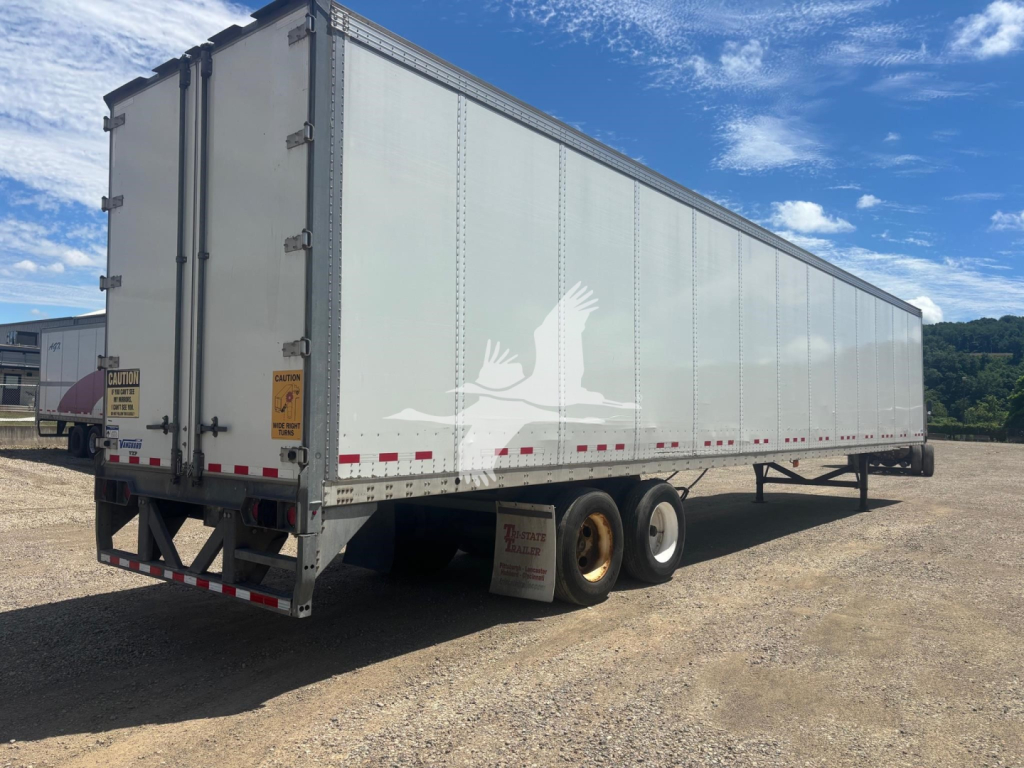
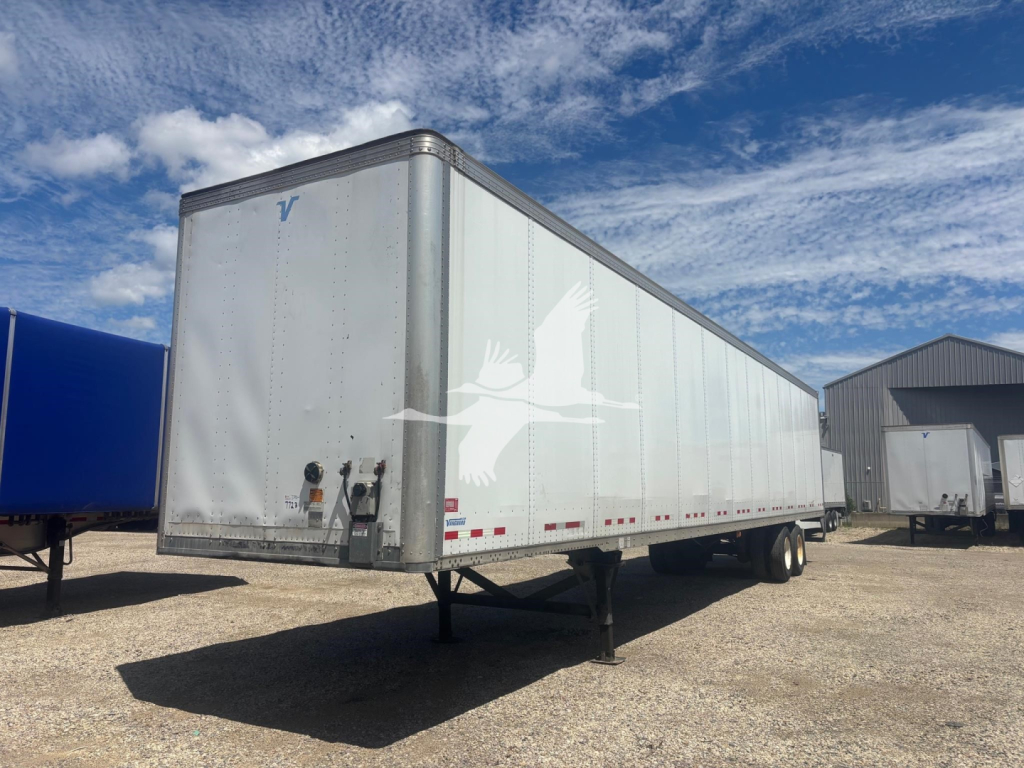
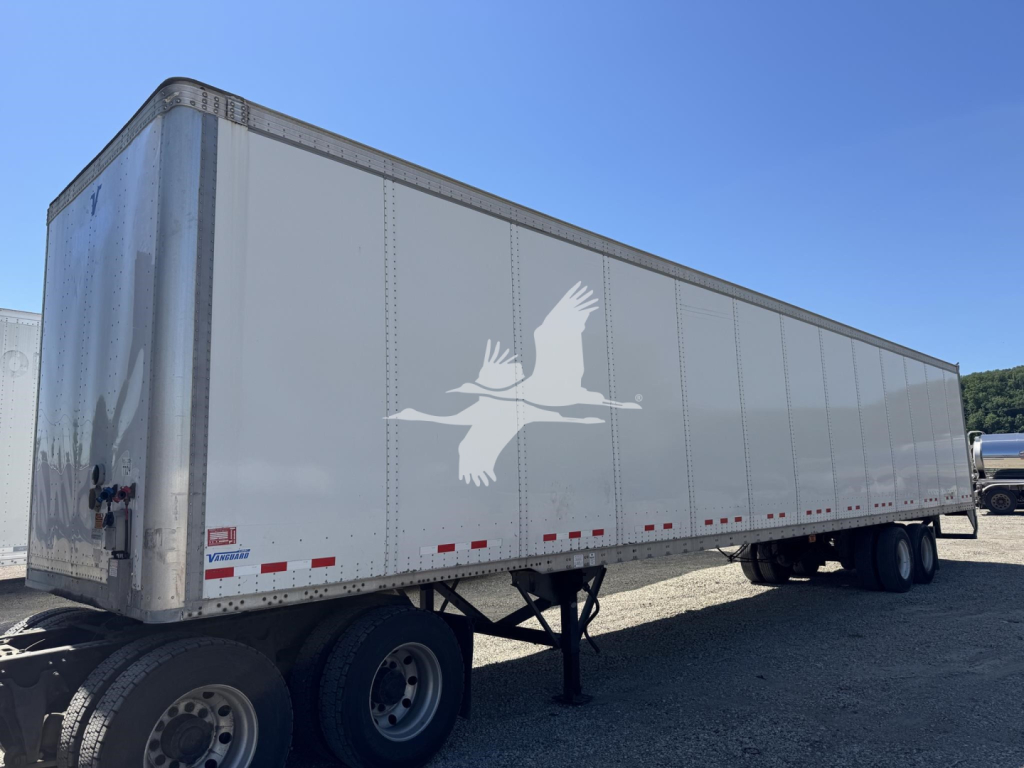
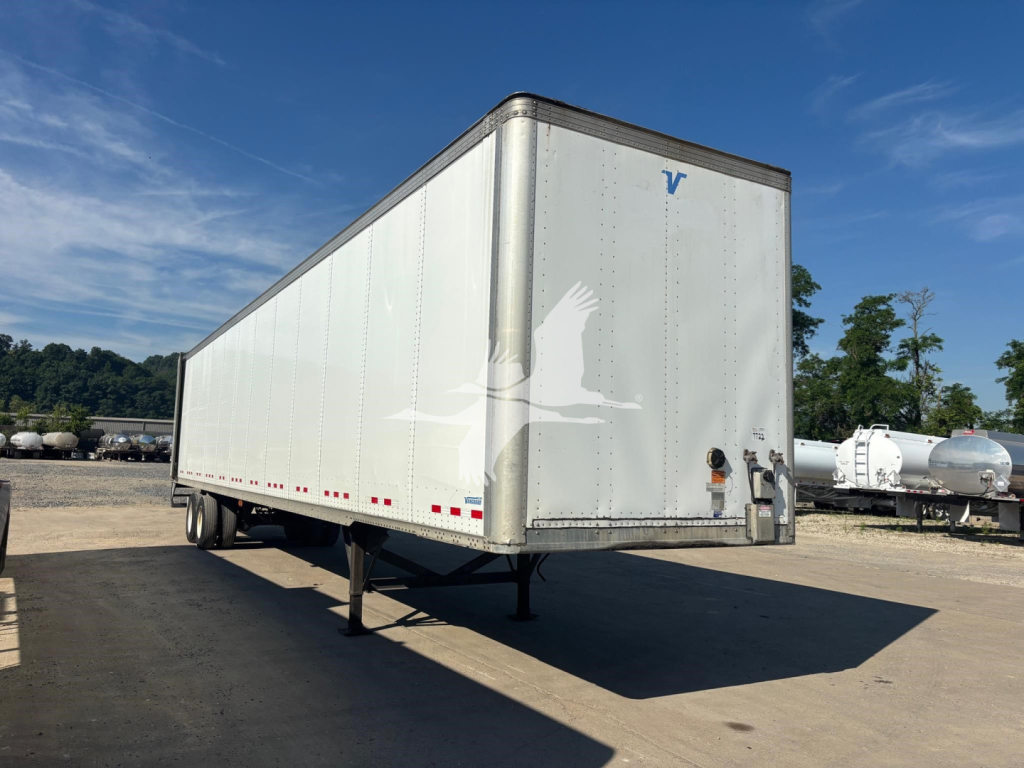
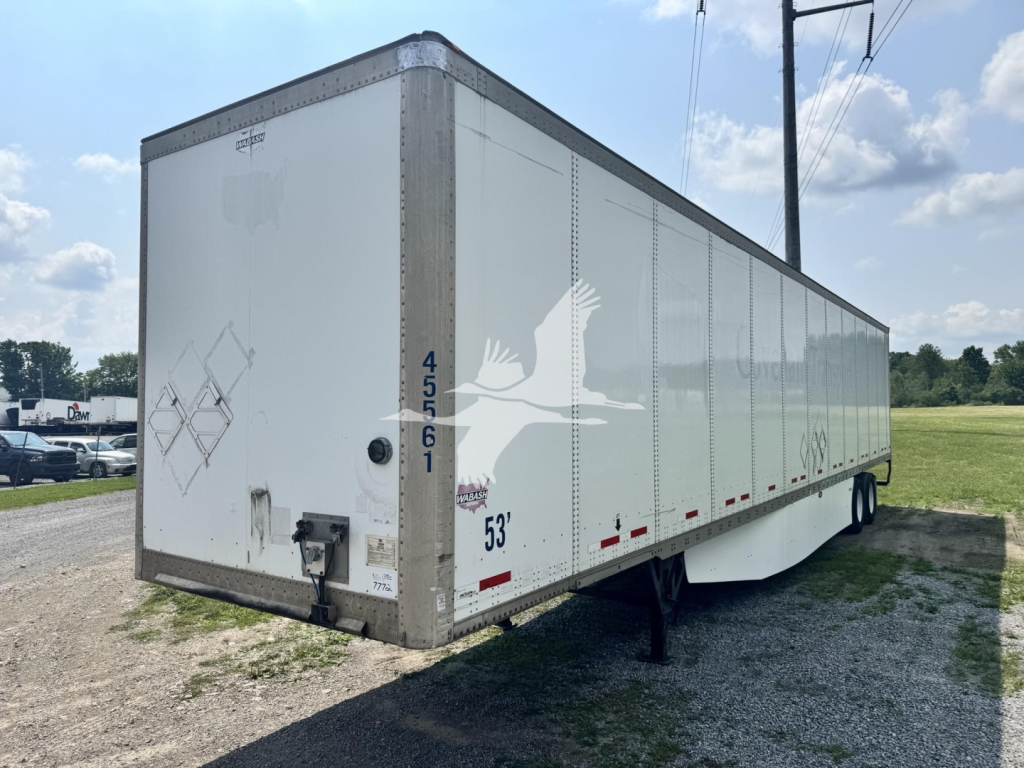
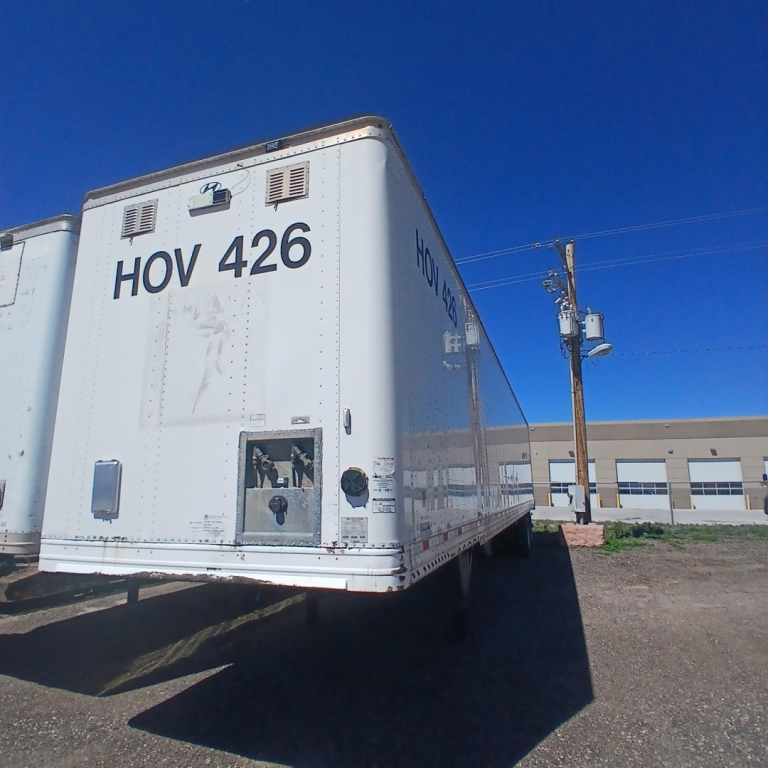
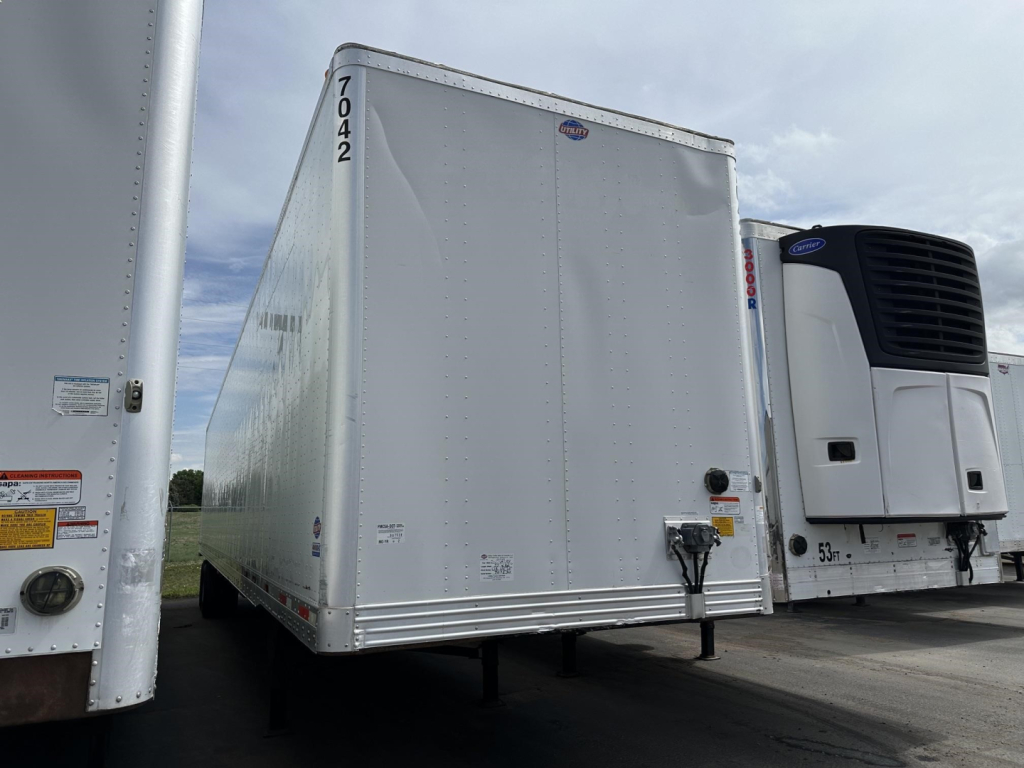
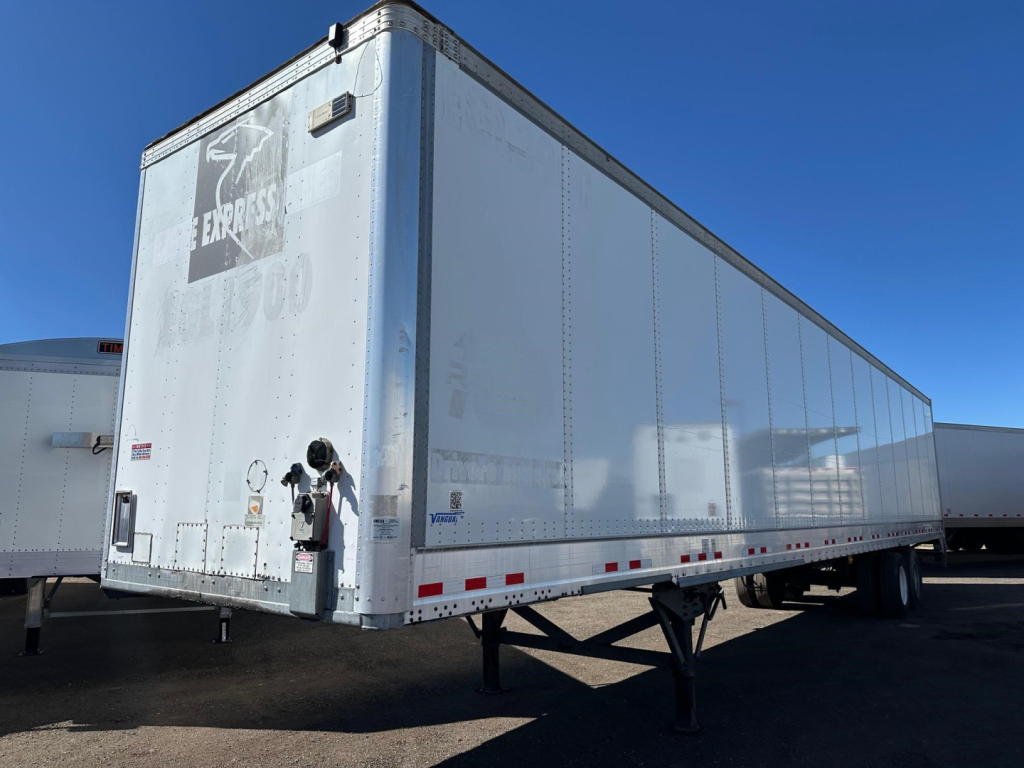
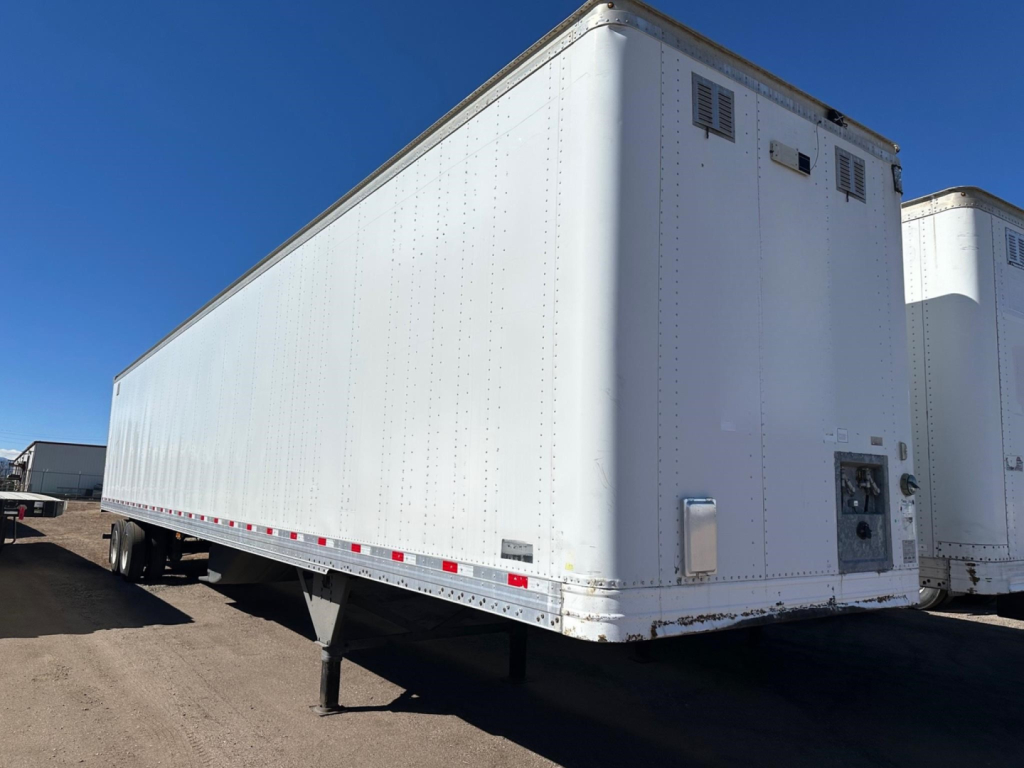
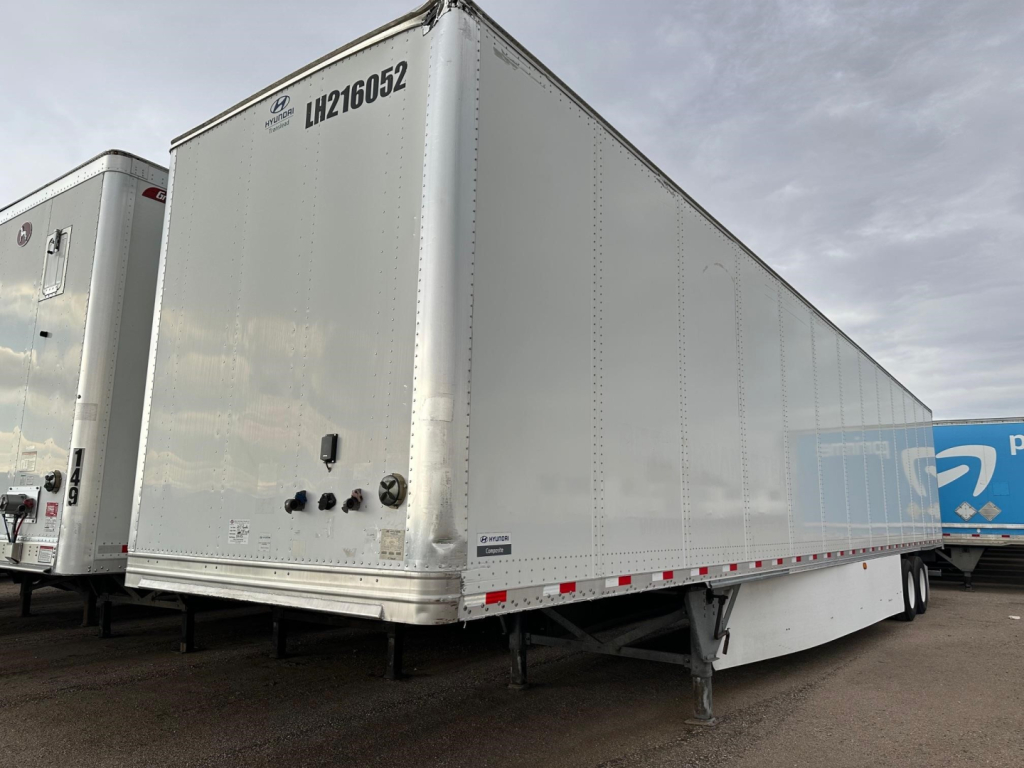
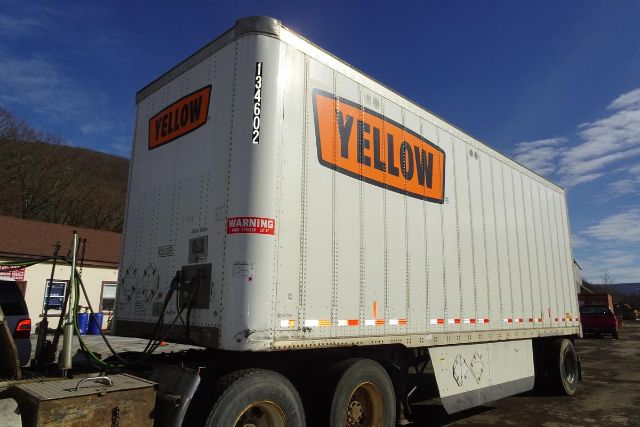
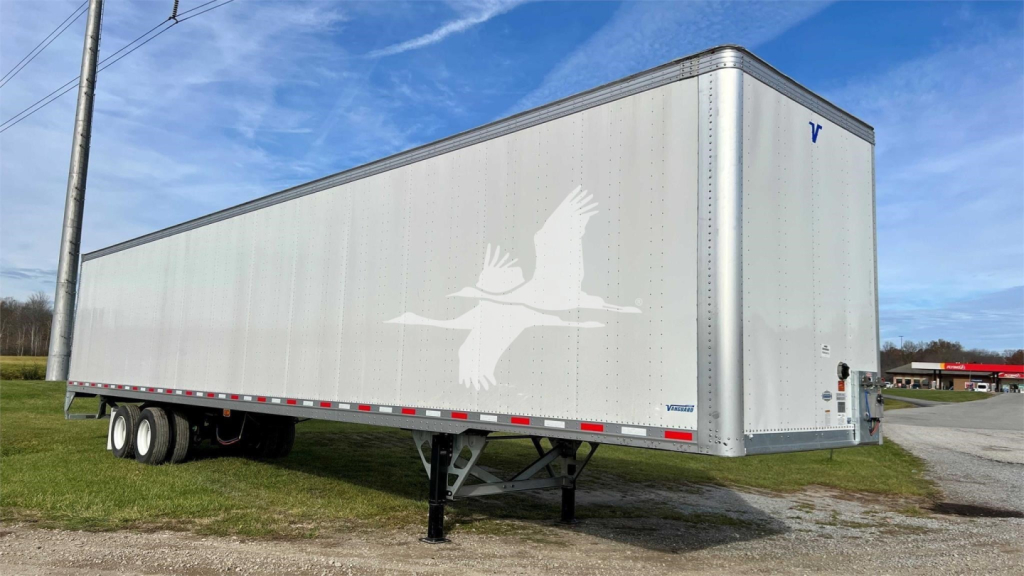
Showing 1 to 24 of 88 results
Have 2017 van trailer to sell? List it here to reach thousands of buyers.
2017 Van Trailers
The details that matter most on a used 2017 van trailer are the same details that affect uptime and cargo protection. Floor condition is a major checkpoint, especially in high-traffic forklift zones near the nose, threshold, and rear. Interior lining also matters. Plywood and composite liners help protect the sidewalls from pallet impact, while aluminum scuff plates add durability lower on the wall where abuse is highest. Buyers should also pay attention to roof condition, door frame integrity, and signs of water intrusion around seams, fasteners, and rear closures. A clean, dry box with solid rear door seals can save a lot of grief in food-grade compatible and retail freight service.
Running gear and fleet-spec equipment can vary, but many 2017 van trailers are equipped with sliding tandems, 22.5 low-profile tires, and air ride suspension. Tire inflation systems are common on fleet-maintained trailers and can reduce roadside downtime if they are functioning properly. Disc or drum brake spec will depend on the original build, so brake type, remaining lining life, and wheel-end condition are worth reviewing closely. Buyers moving in states with strict bridge compliance or operating in dense warehouse networks should also verify tandem slide operation, kingpin setting, suspension wear, and overall axle alignment. These factors affect tire life, loading flexibility, and how easily the trailer works across different customer docks and state regulations.
A 2017 dry van trailer, also known simply as a van trailer or box trailer, is often a practical choice for carriers that need a versatile freight platform with broad load acceptance. Compared with much older trailers, this year range may offer a better mix of structural life, cargo-friendly interiors, and fleet-oriented options like scuff liners, threshold plates, stainless rear frames, and aerodynamic components. The right trailer depends on your freight mix more than the badge on the nose. General commodity haulers may prioritize floor rating and door durability, while dedicated contract freight may place more value on clean interiors, presentable appearance, and low-maintenance spec choices.
Frequently Asked Questions about 2017 Van Trailers
What are the most common specifications on a 2017 van trailer?
Most 2017 van trailers on the used market are 53 feet long, 102 inches wide, and 13 feet 6 inches high. Common specs include air ride suspension, sliding tandems, swing doors, wood floors, and either plywood or composite interior liners. Many are configured as standard dry vans for palletized freight, retail distribution, and general over-the-road service.
What should I inspect first on a used 2017 dry van trailer?
Start with the floor, roof, rear frame, and door seals. Floor damage from forklifts is one of the most expensive and common wear points on a van trailer. After that, inspect the sidewalls for impact damage, check for leaks or water staining, and review suspension, brakes, tires, and wheel ends. A trailer can look clean outside and still need significant floor or structural work inside the box.
Is a 2017 van trailer a good fit for general freight hauling?
Yes. A 2017 van trailer is typically well-suited for general freight, dry goods, packaged consumer products, and dock freight that does not require temperature control. This model year is new enough to offer modern fleet specs on many units, but old enough to be more budget-friendly than late-model trailers. Suitability still depends on floor rating, interior condition, and how the trailer was maintained.
Are composite-lined trailers better than plywood-lined trailers?
Each has advantages. Composite liners are often valued for durability, cleaner appearance, and resistance to certain types of moisture-related wear. Plywood liners remain common, repairable, and effective for protecting the trailer wall from pallet contact. The better choice depends less on the material alone and more on actual condition, panel integrity, and how much sidewall abuse the trailer has seen.
Why do sliding tandems matter on a van trailer?
Sliding tandems give the trailer more flexibility for axle weight distribution, bridge law compliance, and dock approach requirements. They are especially important for carriers crossing multiple states or handling mixed freight weights. A properly functioning tandem slide can make loading easier, help avoid overweight axle issues, and improve day-to-day usability in warehouse and distribution environments.