
2017 Van Trailers For Sale in New York
Shop 2017 van trailers for sale in New York. Compare dry van specs, lengths, axle setups, door types, floors, and trailer construction.
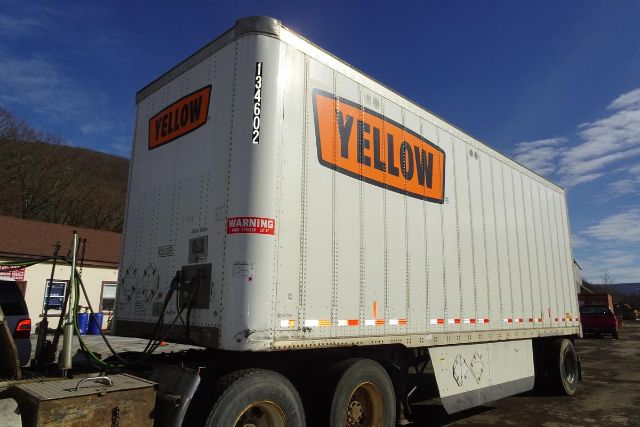
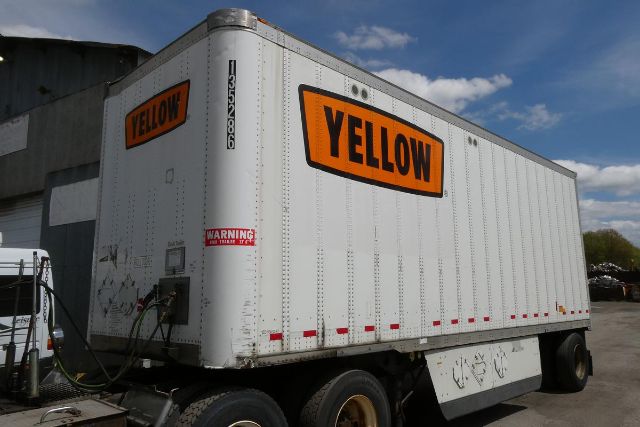
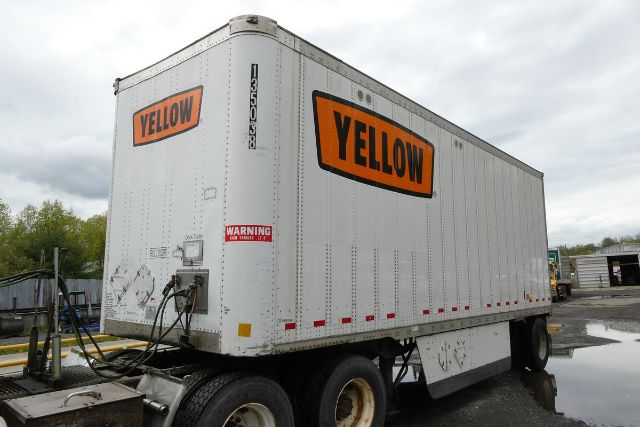
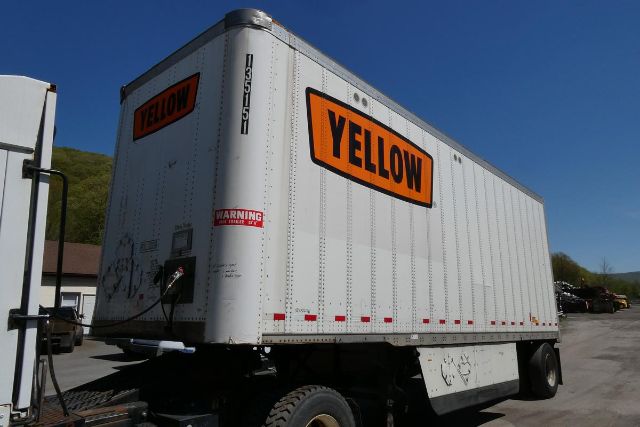
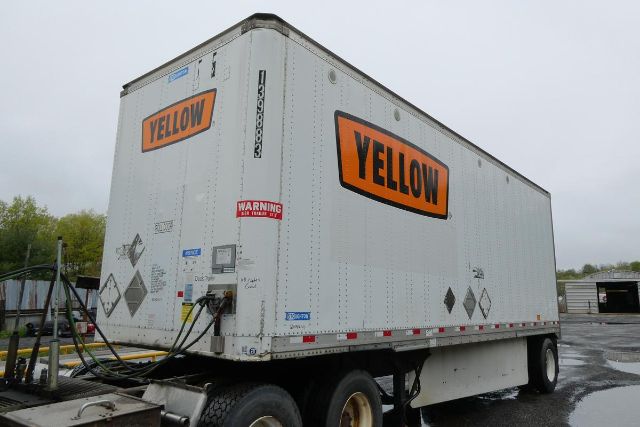
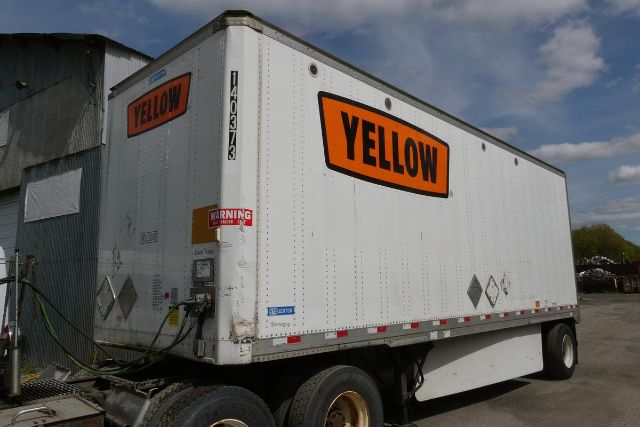

Have 2017 van trailer to sell? List it here to reach thousands of buyers.
2017 Van Trailers in New York
The first buying decision is usually freight type and lane profile. For dock-to-dock general freight, a 53-foot van with a swing or roll-up rear door and a sliding tandem is the standard choice. Sliding tandems matter in New York because bridge laws, turnpike requirements, and shipper dock layouts can make kingpin setting and axle placement more than a paperwork issue. If the trailer is going into urban work around the boroughs or tighter Northeast facilities, buyers often pay closer attention to overall length, door opening height, inside height, and suspension condition. A van trailer used in regional stop-and-go service will show wear in different places than one that spent its life in long-haul linehaul.
Condition matters more than age alone on a 2017 dry van. Buyers should inspect crossmembers, threshold, rear frame, upper coupler plate, slider box, bogie rails, and the floor around forklift traffic lanes. Check for wall patching, roof repairs, prior accident damage, and signs of chronic water intrusion. Tire size, wheel-end spec, brake type, and suspension setup affect operating cost and interchange flexibility. Air-ride suspension is often preferred for ride quality and cargo protection, while spring ride can still make sense in harder-use applications with a lower acquisition cost. Roll-up doors are common in LTL and multi-stop work, while swing doors usually provide a fuller rear opening and fewer moving parts.
A well-matched 2017 van trailer can handle palletized freight, retail replenishment, packaged goods, dry food products, and general commodity hauling. Also known as a dry van trailer, this equipment class is built for enclosed freight protection rather than temperature control. Buyers comparing listings should look past the basic year and make and focus on interior cube, empty weight, door opening dimensions, GVWR, and how the trailer was previously used. A cleaner maintenance history, solid floor, straight frame, and compliant lighting, brake, and ABS systems usually matter more than cosmetic appearance when the trailer is going to work immediately.
Frequently Asked Questions about 2017 Van Trailers in New York
What should I look for first on a used 2017 van trailer?
Start with the structural items that drive safety, compliance, and repair cost. Inspect the frame, crossmembers, upper coupler, rear impact guard, slider rails, tandem assembly, floor condition, roof, and rear door frame. Then verify brakes, ABS, lights, tires, wheel ends, and suspension. Cosmetic panel wear is common on a working dry van, but hidden floor rot, cracked crossmembers, or a damaged slider can turn a reasonable trailer into an expensive one.
Is a sliding tandem important on a dry van trailer in New York?
Yes, for many operations it is. A sliding tandem helps adjust axle spread and kingpin-to-rear-axle dimensions to meet bridge laws, customer yard requirements, and loading needs. In New York and across the Northeast, that flexibility can make routing and legal loading much easier than with a fixed tandem. Buyers running specific dedicated lanes should still confirm the trailer's kingpin setting and slider travel match their operation.
What is the difference between swing doors and roll-up doors on a van trailer?
Swing doors usually provide the widest and tallest practical rear opening, which helps with forklift access and full-size pallet loading. They are mechanically simpler and often preferred in truckload service. Roll-up doors are common in city and multi-stop freight because they do not swing out into tight docks or alleys, but they add moving parts and can reduce usable rear opening height. The better choice depends on dock conditions, freight handling, and how often the trailer is loaded and unloaded.
Are 2017 dry van trailers typically aluminum or steel?
Many 2017 van trailers use a mixed construction design rather than being entirely one material. Aluminum sidewalls and roof components help control tare weight, while steel is often used in high-stress areas such as the rear frame, crossmember connections, and understructure. Buyers should evaluate the actual build spec because material choice affects empty weight, corrosion behavior, repair methods, and long-term durability.
What freight is a 2017 van trailer best suited for?
A 2017 dry van trailer is best suited for palletized and non-perishable freight that needs weather protection but not refrigeration. Common applications include retail freight, packaged consumer goods, paper products, dry food, boxed industrial materials, and general commodity freight. The exact fit depends on interior dimensions, floor rating, door configuration, and suspension, especially if the trailer will see heavy forklift traffic or frequent dock work.