
2017 Wabash Van Trailers For Sale in New York
Shop 2017 Wabash van trailers for sale in New York. Compare 53-foot dry vans, specs, tandem setups, floors, roofs, and door configurations.
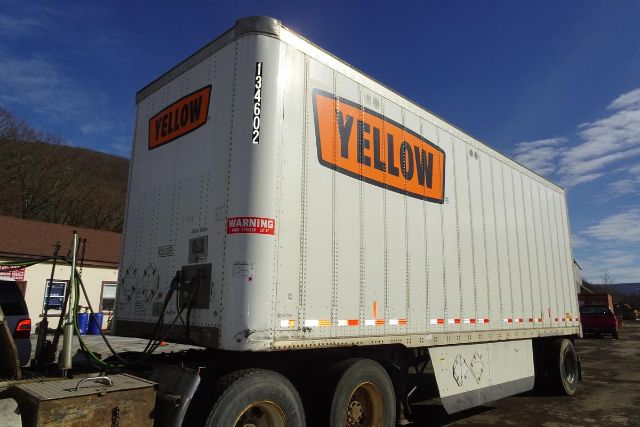
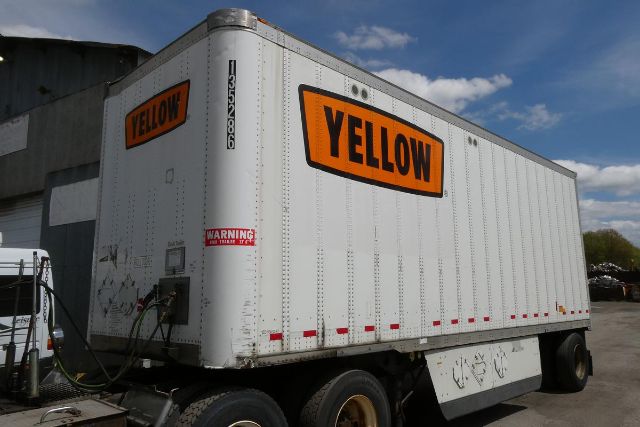
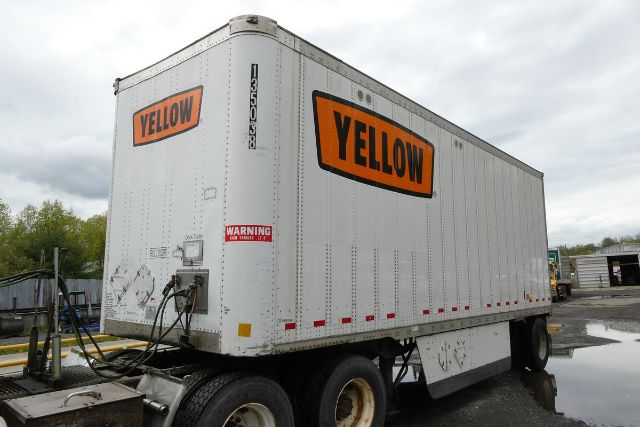
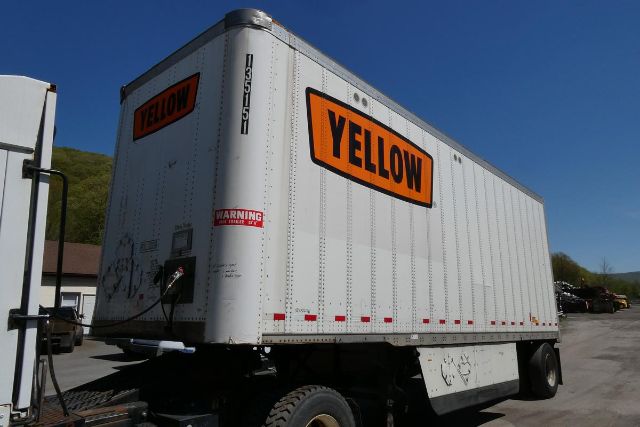

Have 2017 wabash van trailer to sell? List it here to reach thousands of buyers.
2017 Wabash Van Trailers in New York
Most Wabash van trailers from this era use a steel and aluminum construction with a wood floor over steel or mixed crossmember designs. Common specs include a 102-inch outside width, air ride or spring suspension, tandem axles with a slider, and 295/75R22.5 tires on hub-piloted steel or aluminum wheels. Many dry vans in this class run a 13-foot 6-inch overall height, with interior height depending on floor and roof configuration. A sliding tandem remains important for bridge compliance and weight distribution, while floor condition, crossmember spacing, rear frame integrity, and roof condition are key wear points on any used van trailer. Roll-up doors are common on city and multi-stop applications, while swing doors can offer a wider clear opening and lower maintenance in some operations.
Wabash is well known for dry van designs that balance tare weight with durability, which matters if the trailer will handle dense freight one week and lightweight cube freight the next. Buyers should inspect scuff liners, side posts, logistics track or vertical E-track, nose structure, and the threshold area at the rear since these areas show how the trailer was loaded and unloaded. If the trailer has side skirts, aerodynamic packages, or tire inflation systems, those features can help fuel economy and roadside uptime in regional or highway use. Landing gear condition, brake life, wheel-end service history, and evidence of floor repairs are just as important as the basic year and make.
For a 2017 model, the value usually comes down to how well the trailer matches the freight profile and how cleanly it has been maintained. A shipper moving standard 26-pallet dry freight may prioritize cube and dock-height consistency, while a carrier hauling heavier consumer goods may pay closer attention to empty weight and floor rating. Wabash van trailers are also known as dry van trailers or enclosed van trailers, and they remain one of the most versatile trailer types in commercial trucking. A careful review of suspension type, kingpin setting, swing clearance, door opening dimensions, and any prior body or frame repair will tell a buyer more than the badge alone.
Frequently Asked Questions about 2017 Wabash Van Trailers in New York
What should I inspect first on a used 2017 Wabash van trailer?
Start with the floor, roof, rear frame, and tandem suspension. Floor rot, patched decking, bent crossmembers, roof leaks, and damage around the door frame can turn an otherwise usable dry van into a repair-heavy trailer. After that, check brake components, tires, wheel ends, landing gear, and the slider assembly if equipped. These areas affect both immediate operating cost and DOT readiness.
Are 2017 Wabash van trailers usually 53-foot dry vans?
Many are 53-foot dry vans because that is the dominant size in general freight service, but Wabash also built other lengths for regional and specialized applications. A 53-foot trailer usually offers the best flexibility for standard palletized freight and long-haul work. Buyers should still confirm interior dimensions, door opening, and axle placement because those details matter more than nominal trailer length alone.
Is a sliding tandem important on a dry van trailer in New York?
Yes, a sliding tandem is valuable because it helps with axle weight distribution and bridge compliance. In New York and the Northeast, carriers often need flexibility to shift weight for legal scaling and route requirements. A slider also helps match different freight densities across lanes. The condition of the slider rails, pins, bushings, and locking mechanism should be inspected closely.
What construction materials are common on a Wabash van trailer?
Wabash dry vans commonly use a mix of aluminum and steel in the body and substructure, along with a wood floor system. This combination is designed to balance durability, repairability, and tare weight. Material mix can vary by build and option package, so buyers should look at roof bows, sidewall structure, floor composition, and crossmember design to understand how the trailer was spec'd for its intended service.
What door type is better on a used van trailer, roll-up or swing doors?
That depends on the route and loading environment. Roll-up doors are popular in city and multi-stop operations because they are convenient at crowded docks and in tight spaces. Swing doors can provide a wider clear opening and often involve fewer moving parts, which some fleets prefer for highway freight. The right choice comes down to your loading pattern, dock conditions, and maintenance preference.