
2017 Wabash Van Trailers For Sale
Shop 2017 Wabash van trailers for sale. Compare 53-foot dry van specs, suspension, doors, floor types, and trailer weight details.
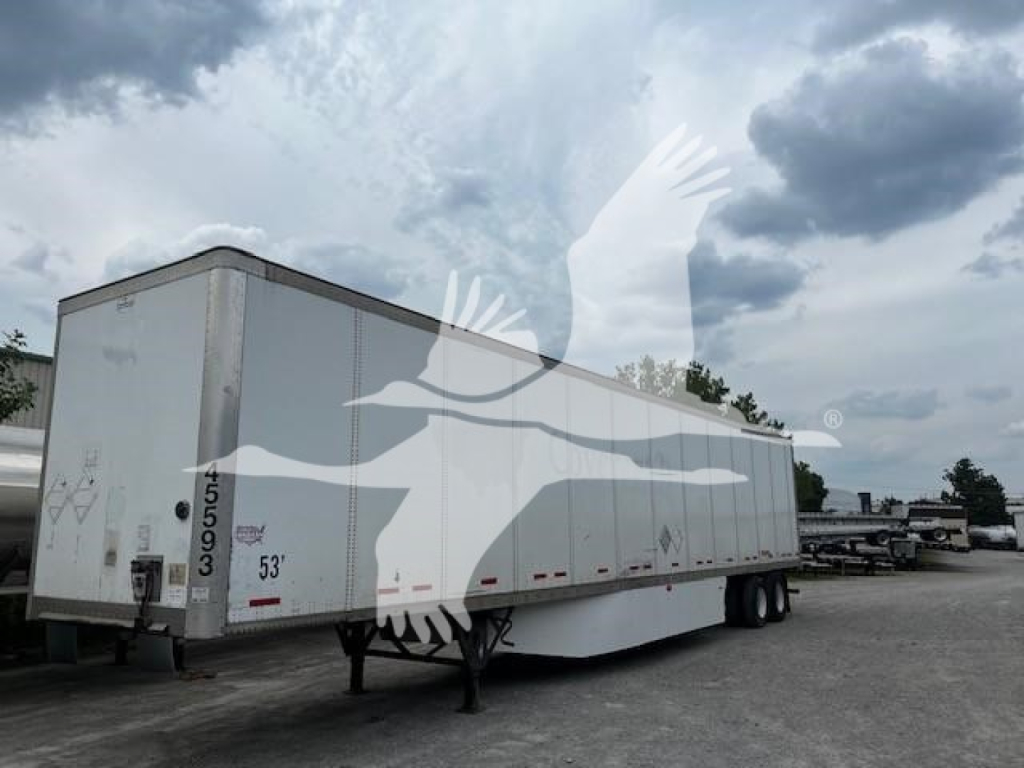
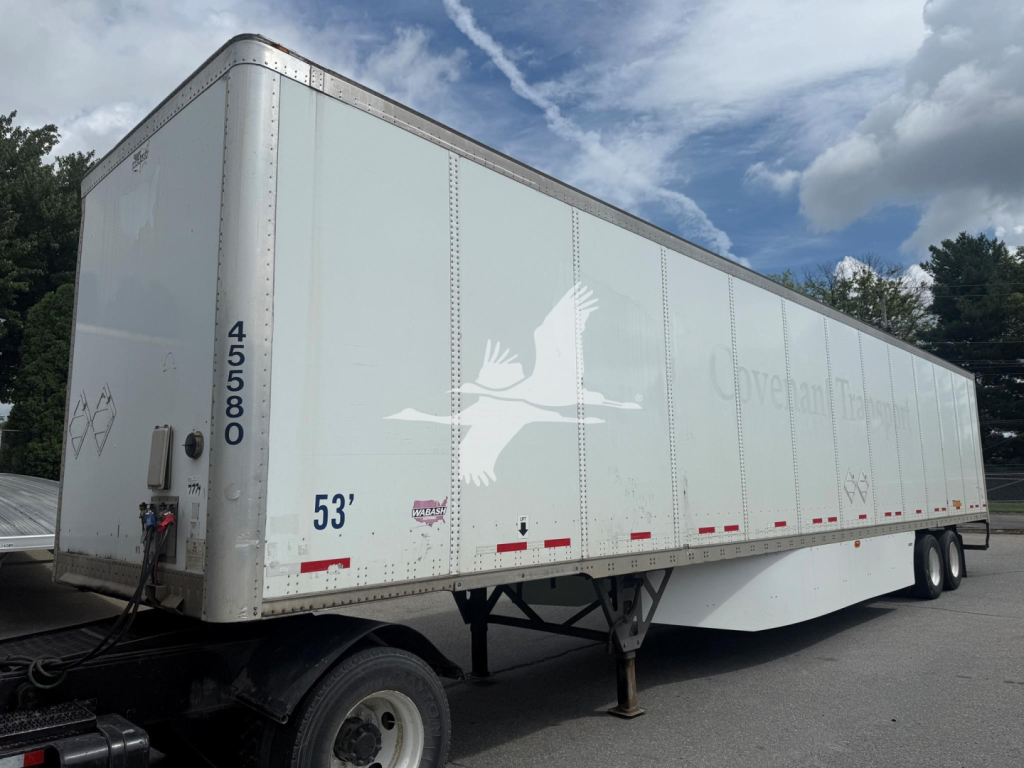
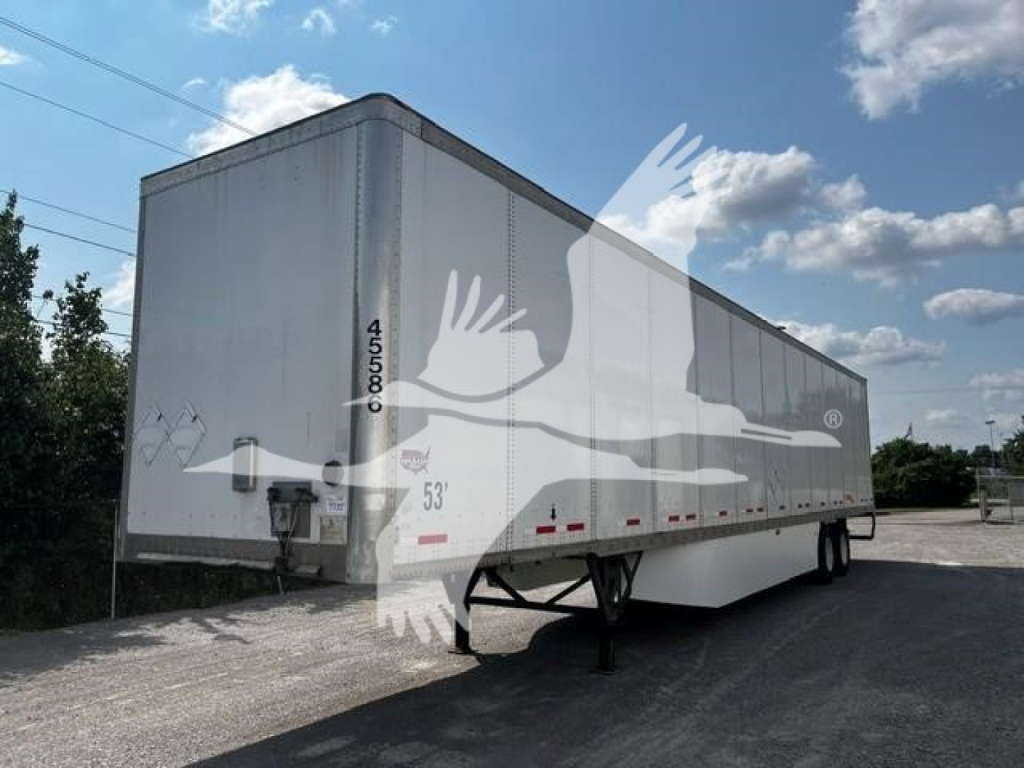
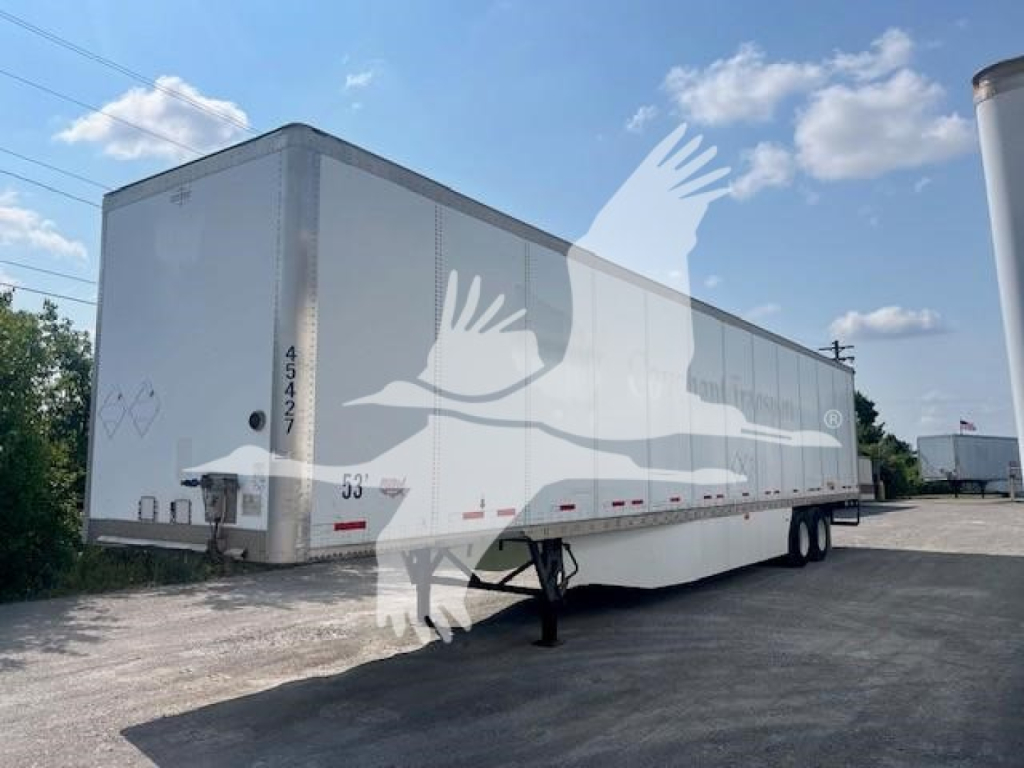

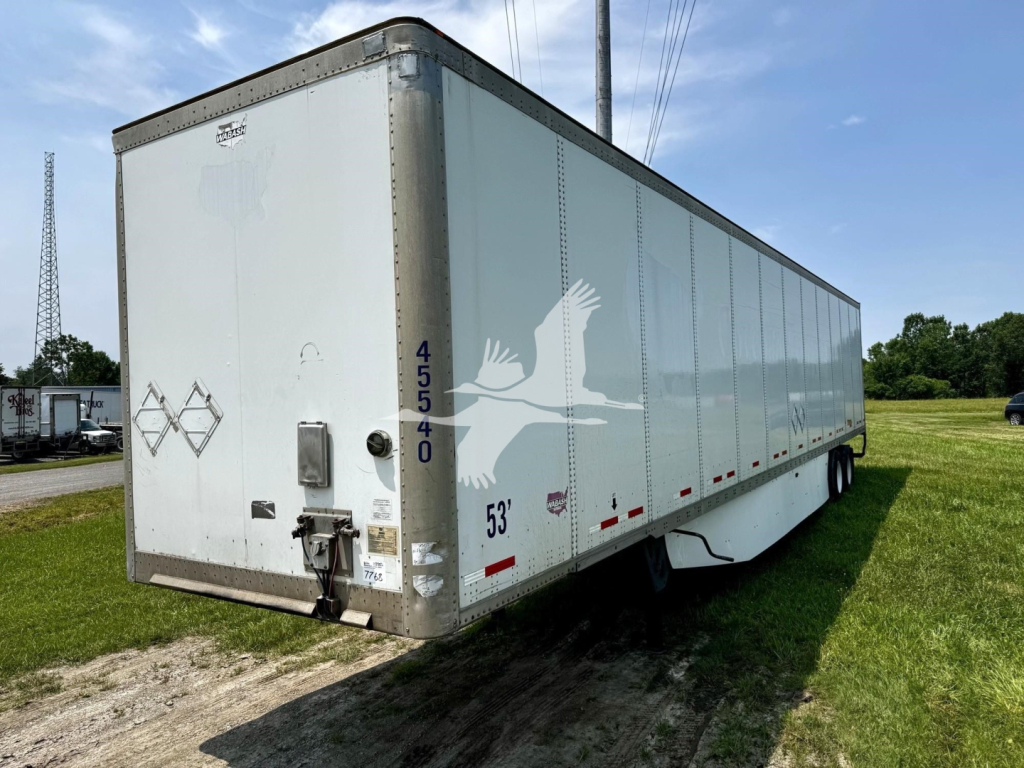
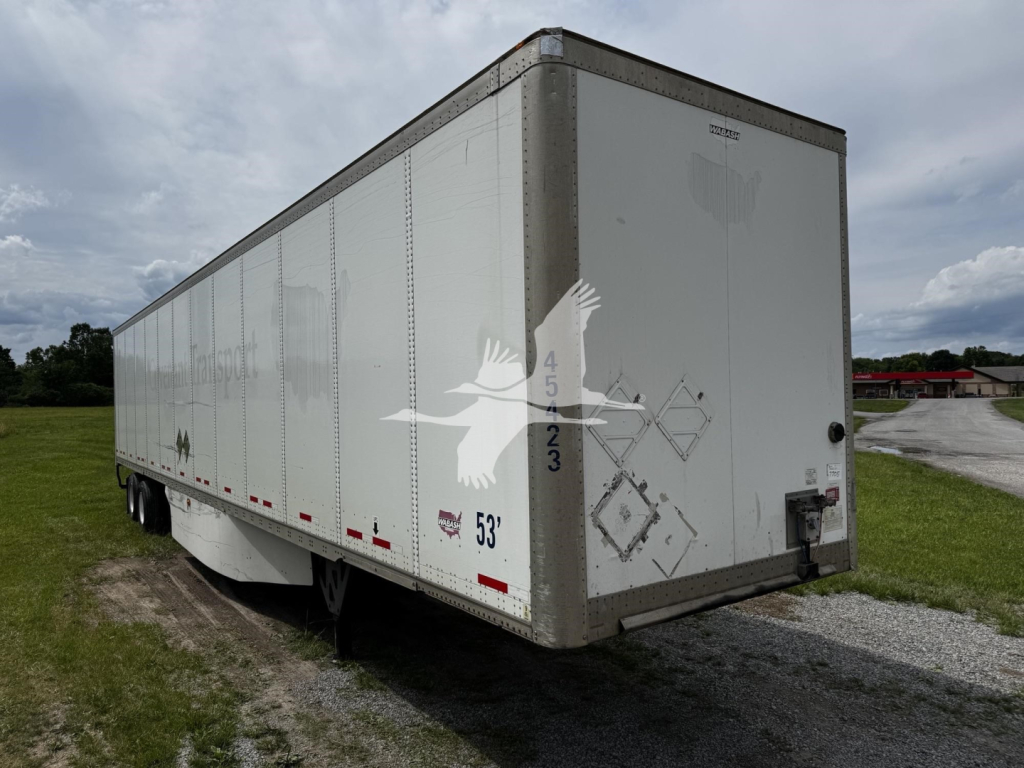
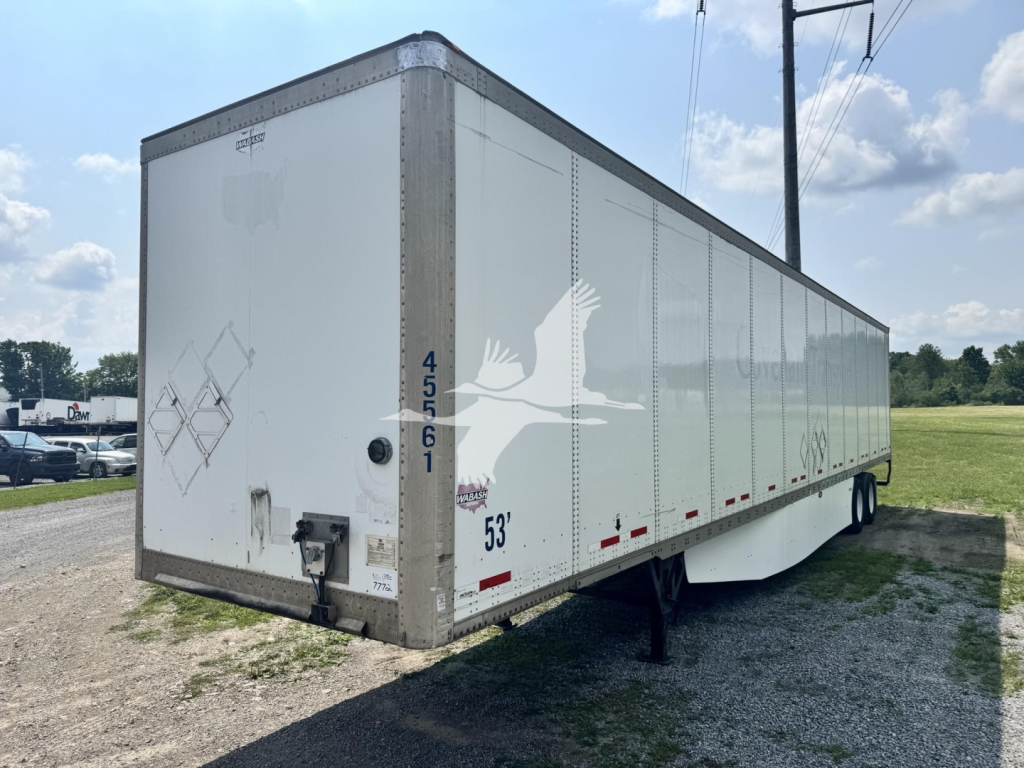
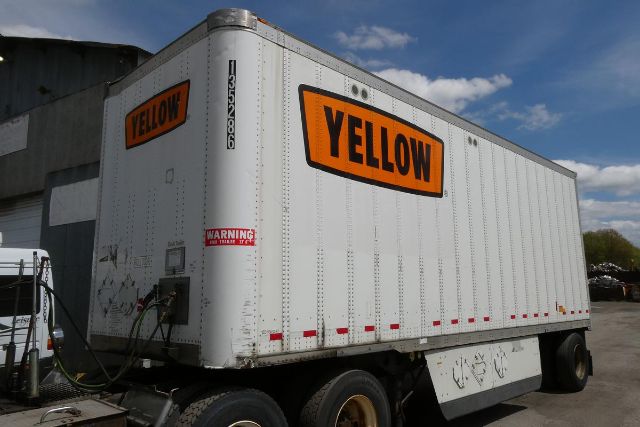
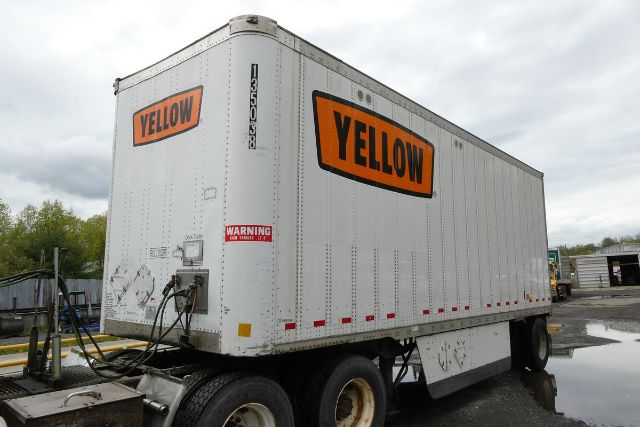
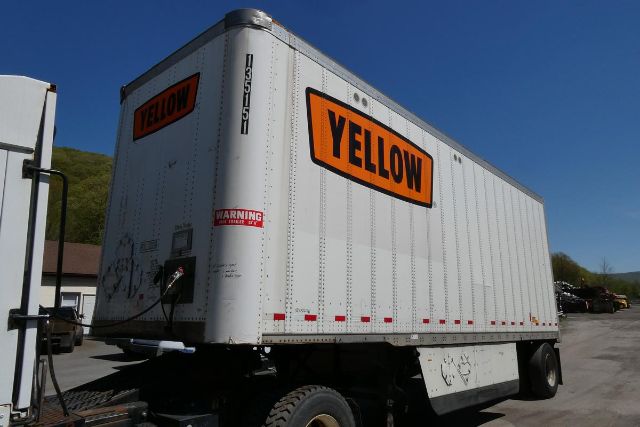

Have 2017 wabash van trailer to sell? List it here to reach thousands of buyers.
2017 Wabash Van Trailers
Frequently Asked Questions about 2017 Wabash Van Trailers
What should I check first on a used 2017 Wabash van trailer?
Start with the floor, roof, rear frame, suspension, and tandem slide. Floor wear tells you a lot about forklift traffic and concentrated load history. Inspect crossmembers for repairs or corrosion, look for roof leaks or patched panels, and check the rear sill and door frame for impact damage. On air ride or spring ride units, pay close attention to bushings, airbags if equipped, shocks, and axle alignment. Tire wear patterns can reveal suspension issues or a bent subframe.
What are common specs on a 2017 Wabash dry van?
Most 2017 Wabash van trailers in the highway market are 53 feet long, 102 inches wide, and built with a steel and aluminum combination to balance durability and weight. Many carry tandem axles with a sliding suspension, air brakes, 22.5-inch wheels, wood floors over steel crossmembers, and aluminum or translucent roof panels. Interior options often include logistics posts, scuff liners, duct floors, and swing or roll-up rear doors. Actual tare weight and cargo capacity vary with build spec.
Is a 2017 Wabash van trailer good for fleet use?
Yes. This model year fits well in mixed regional and over-the-road fleets because Wabash dry vans are common enough that technicians, drivers, and trailer shops already know the product. That helps with maintenance planning, body repairs, and replacement parts sourcing. Fleet buyers still need to compare individual trailer specs closely because floor rating, door type, lining, and suspension package can materially affect uptime and application fit.
How do I choose between swing doors and roll-up doors on a van trailer?
Swing doors usually provide a slightly larger rear opening and keep more interior clearance at the back of the trailer, which matters for cube and full-pallet loading. Roll-up doors can be useful in tight dock or route delivery environments where door swing is a problem, but they add weight and introduce another moving assembly to maintain. For linehaul freight and standard dock work, many buyers still prefer swing doors. For frequent urban stops, a roll-up door may be worth the tradeoff.