
2017 Stoughton Van Trailers For Sale in New York
Shop 2017 Stoughton van trailers for sale in New York. Compare dry van specs, dimensions, axle setups, door types, and fleet-ready features.
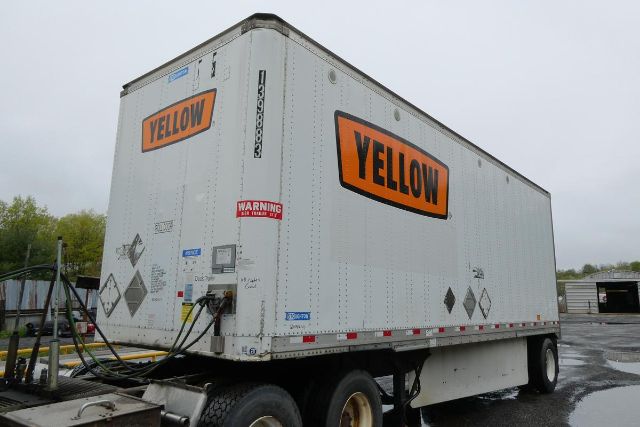
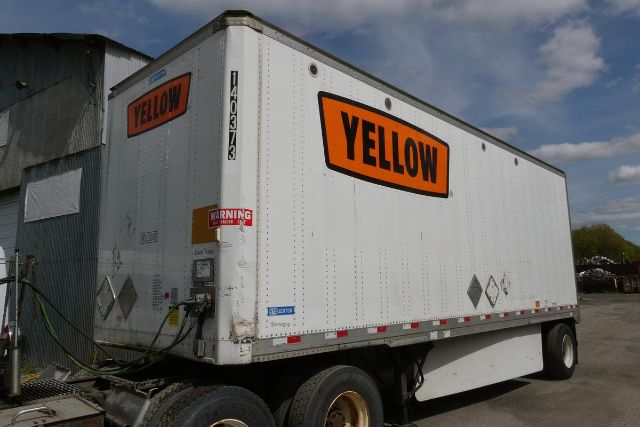

Have 2017 stoughton van trailer to sell? List it here to reach thousands of buyers.
2017 Stoughton Van Trailers in New York
The first decision is usually configuration. Many Stoughton van trailers in this part of the market are 28-foot pup trailers with fixed single axles, spring suspension, air brakes, and 295/75R22.5 tires on steel hub-piloted wheels. That setup is common in P&D and doubles service because it is simple, proven, and easy to keep in rotation. If the trailer will run doubles, confirm converter dolly compatibility, brake condition, and overall frame integrity. Width is commonly 102 inches, and overall height is often 13 feet 6 inches, so buyers should verify door opening dimensions along with interior cube, especially if the freight mix includes carts, pallets, or taller retail loads.
Body details have a bigger impact on usability than many buyers expect. Roll-up rear doors are common on Stoughton vans in this class because they work well at crowded docks and in city unloading conditions, but door hardware condition is critical. Check cables, rollers, tracks, and steel surround areas for wear or impact damage. Floors should be inspected closely for forklift traffic, soft spots, patched sections, and threshold damage. Side skins, roof bows, rivet lines, and crossmembers deserve the same attention, particularly on trailers that have spent years in high-cycle terminal work. Features like side windows, side skirts, and scuff protection can also show up depending on prior fleet spec and intended use.
A 2017 model year can be a strong value point for buyers who want a newer van trailer without paying late-model pricing. Focus on service history, brake system condition, tire age, suspension wear, and evidence of leak repair around the roof and front wall. In New York, road salt and winter moisture make underbody corrosion, wiring condition, and door sealing worth extra scrutiny. For buyers comparing multiple 2017 Stoughton van trailers for sale, the best unit is usually the one with the cleanest structural condition, the most usable floor and door package, and a spec that matches the route profile rather than the cheapest asking price.
Frequently Asked Questions about 2017 Stoughton Van Trailers in New York
What is a Stoughton van trailer typically used for?
A Stoughton van trailer, also called a dry van trailer, is used to haul palletized freight, boxed goods, retail shipments, general commodities, and other cargo that needs weather protection and secure enclosed transport. In the used market, many are configured for regional distribution, LTL service, terminal-to-terminal freight, and city deliveries where dock access and cargo protection matter more than open-deck flexibility.
What should I inspect first on a used 2017 Stoughton van trailer?
Start with the floor, rear door assembly, frame, crossmembers, suspension, and brake system. On a fleet-used dry van, the floor condition often tells you how hard the trailer has worked. Check for forklift damage, patched boards, cracked threshold areas, and signs of moisture intrusion. Then inspect roll-up door tracks, rollers, cables, and seals, because these components see constant wear and can quickly turn into downtime issues if neglected.
Are 28-foot Stoughton van trailers suitable for doubles service?
Many 28-foot Stoughton van trailers are built for P&D and doubles applications, but suitability depends on the exact spec and condition. Buyers should confirm axle configuration, brake setup, pintle and converter dolly compatibility where applicable, and any markings or equipment that indicate prior doubles service. Structural condition is especially important because repeated terminal work and high-cycle coupling can be hard on a trailer over time.
Why do door opening dimensions matter on a van trailer?
Door opening width and height directly affect what can be loaded quickly and safely. A trailer may have standard outside dimensions, but a slightly smaller rear opening can slow down pallet handling, cart loading, or specialized freight movement. Buyers moving taller freight or using specific dock equipment should compare rear door opening measurements instead of assuming every dry van in the category offers the same access.
What makes New York buyers look harder at underbody condition on van trailers?
New York service often means winter road salt, freeze-thaw cycles, and heavy urban stop-and-go use. That combination can accelerate corrosion on crossmembers, landing gear components, brake hardware, wiring, and rear frame sections. A trailer with solid underbody structure, clean air line routing, and limited corrosion is usually a better long-term buy than a similar unit with lower cosmetic appeal but advanced rust underneath.