
2017 Stoughton Van Trailers For Sale
Shop 2017 Stoughton van trailers for sale. Compare 28-foot dry van specs, single-axle configurations, doors, suspensions, and body options.

Have 2017 stoughton van trailer to sell? List it here to reach thousands of buyers.
2017 Stoughton Van Trailers
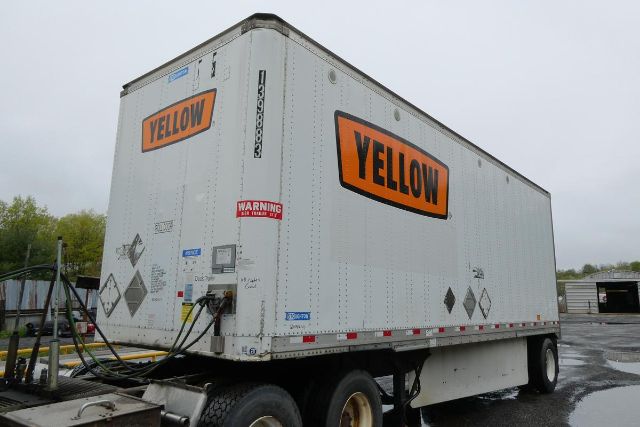
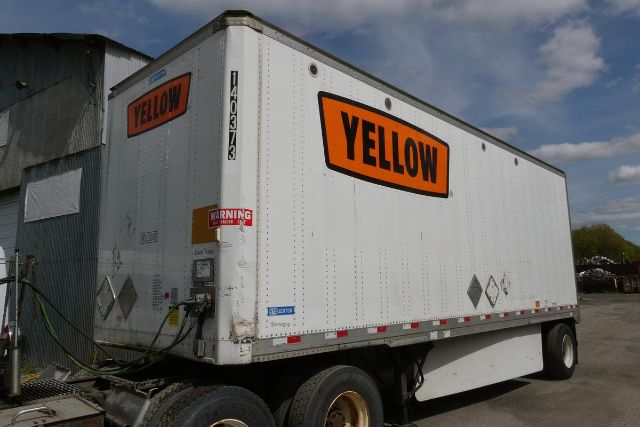
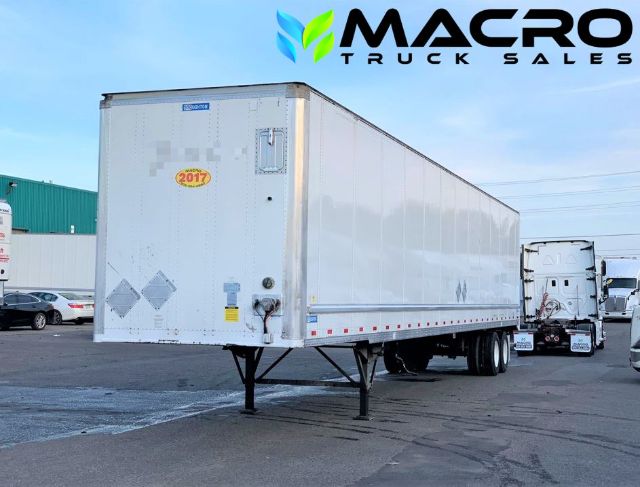
Construction details matter on a used Stoughton van because they directly affect tare weight, durability, and repair cost. Common examples use a steel and aluminum trailer composition with an aluminum roof and a wood-over-steel floor. That combination is familiar to most fleets and service shops, and it balances structural strength with manageable empty weight. Roll-up rear doors are common on 28-foot Stoughton vans, especially for dock work and city deliveries, but door condition deserves close attention. Worn cables, bent tracks, damaged stainless or steel surrounds, and poor seal contact can all turn into recurring downtime. Interior lining, scuff protection, side walls, and floor wear are just as important if the trailer spent time in heavy touch freight service.
Running gear and roadability should be evaluated with the trailer's intended lane in mind. Many 2017 Stoughton van trailers in this class use a fixed single axle, spring suspension, air brakes, 295/75R22.5 tires, and steel hub-piloted wheels. Some units also include side skirts and a tire inflation system, which can help with fuel efficiency and tire management in steady regional service. For doubles operations, confirm converter dolly compatibility, towing package details, and the condition of electrical and air connections. Tire age, tread depth, brake wear, suspension bushing condition, and signs of frame or crossmember corrosion all deserve a close look on any used van trailer.
For buyers focused on application, a 2017 Stoughton dry van is best judged by freight type, dock environment, and route structure. A 28-foot van is easier to position in tight urban stops than a full 53-foot trailer, and it remains a standard choice for terminal-to-terminal networks, retail replenishment, parcel freight, and general dry goods. Side windows show up on some fleet-spec units and may suit niche uses, but most buyers will care more about cubic capacity, door opening dimensions, floor integrity, and how well the trailer tracks in a doubles setup. If the goal is dependable enclosed freight service with a simpler, proven spec, Stoughton van trailers from this year remain a straightforward category to compare.
Frequently Asked Questions about 2017 Stoughton Van Trailers
What is the most common configuration for a 2017 Stoughton van trailer?
A common configuration is a 28-foot dry van with 102-inch width, 13-foot 6-inch overall height, fixed single axle, spring suspension, air brakes, and 295/75R22.5 tires. Many units in this class are pup trailers built for regional freight and doubles service rather than long-haul 53-foot applications. Construction often includes a steel and aluminum body, aluminum roof, and wood-over-steel floor.
Are 2017 Stoughton van trailers suitable for doubles operations?
Many are, especially 28-foot pup vans spec'd for LTL and hub-and-spoke freight networks. Buyers should still verify that the trailer is configured for doubles use and inspect the towing-related components carefully. Air and electrical connections, rear structure condition, brake response, and overall tracking stability all matter when a trailer will spend regular time in a doubles set.
What should I inspect first on a used Stoughton dry van trailer?
Start with the floor, rear door assembly, roof, side walls, suspension, brakes, and tire condition. On roll-up door units, check cables, springs, tracks, and seal integrity because these parts wear heavily in city and dock service. Also inspect crossmembers, landing gear structure if equipped, wheel ends, and any signs of corrosion, collision repair, or uneven tire wear that could point to alignment or suspension issues.
What freight is a 2017 Stoughton van trailer best suited for?
This trailer class is typically used for general dry freight that needs weather protection and secure enclosed transport. Common applications include LTL freight, package and parcel distribution, retail freight, terminal transfers, and city pickup-and-delivery routes. A 28-foot Stoughton van is especially useful where dock access is tight and maneuverability is more important than maximum trailer length.
Do features like side skirts and tire inflation systems matter on a van trailer?
They can, depending on duty cycle. Side skirts may improve aerodynamics in regular highway service, while a tire inflation system can reduce tire-related downtime and help maintain more consistent pressure across the axle. On a regional trailer that runs frequent miles, both features can add practical value, but buyers should inspect them for damage, leaks, and parts support before assigning much premium to them.