
2017 Utility Van Trailers For Sale
Shop 2017 Utility van trailers. Compare 53-foot dry van specs, suspension, doors, floor condition, and fleet-ready options.
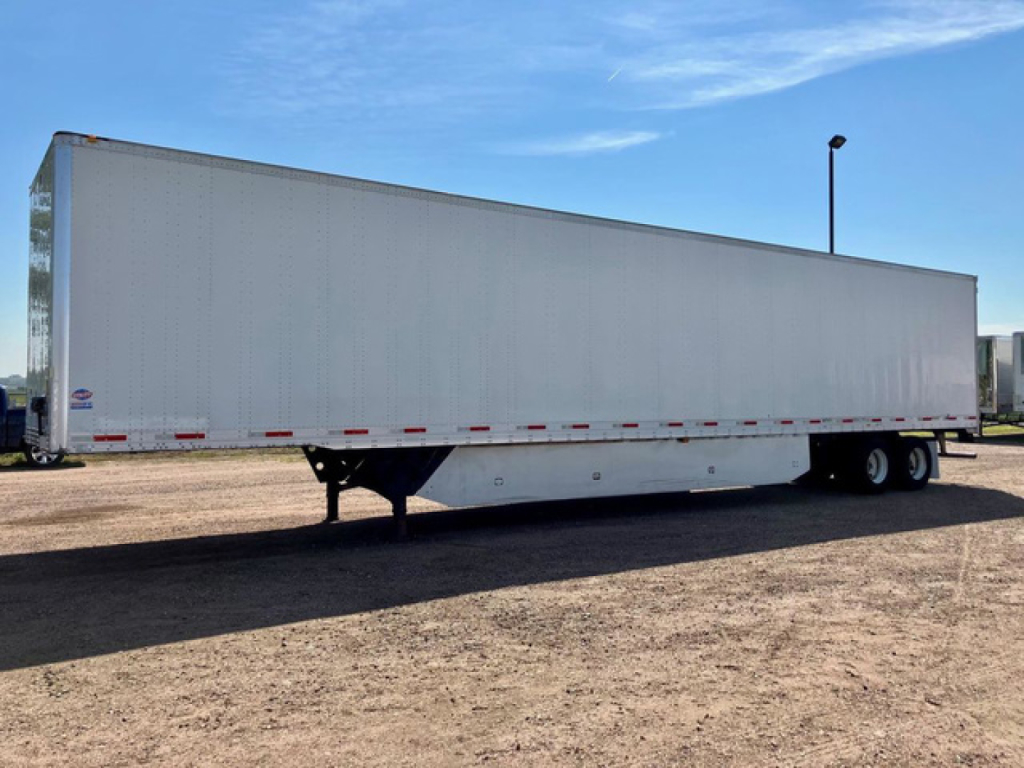
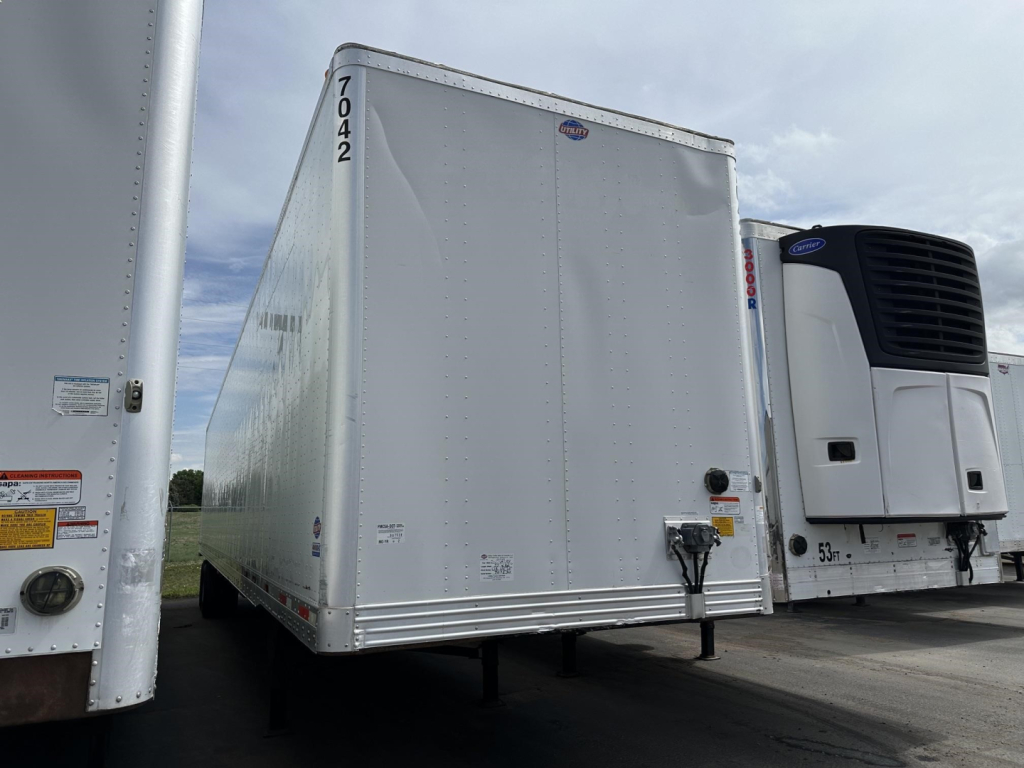

Have 2017 utility van trailer to sell? List it here to reach thousands of buyers.
2017 Utility Van Trailers
The condition of the floor, rear frame, and sidewalls matters more than almost any cosmetic detail on a used van trailer. On a 2017 model, buyers should pay close attention to laminated or hardwood floor wear, crossmember integrity, scuff liner condition, roof repairs, and signs of impact around the nose and rear corner posts. Door type is another key decision. Composite swing doors are common and easy to work with at most docks, but the hinges, seals, and locking gear should be checked closely. High base rail construction can be a plus in heavy dock environments because it helps protect the lower trailer side from repeated contact.
Spec decisions should match the lane and freight profile. Air ride is the standard choice for shippers handling palletized consumer freight because it helps protect cargo and is widely accepted in contract freight operations. Sliding tandems affect bridge law compliance and dock positioning, so rail and pin wear deserve a close look. Tire size is typically 22.5, and steel wheels remain common in fleet service for lower replacement cost, though wheel-end condition and brake history are more important than wheel material alone. Buyers comparing 2017 Utility dry vans should also look for plated trailer history, DOT compliance, prior fleet maintenance intervals, and any evidence of consistent PM records.
A well-matched 2017 Utility van trailer can still deliver strong value in regional or long-haul use if the structure is sound and the trailer was spec'd for mainstream freight. Utility dry vans are known for broad parts support, familiar repair procedures, and resale appeal in the secondary market. For most buyers, the smart evaluation process is simple: confirm the body is straight, verify suspension and brake condition, inspect the floor and doors carefully, and make sure the trailer's weight and spec align with the freight it will haul every week.
Frequently Asked Questions about 2017 Utility Van Trailers
What are the most common specs on a 2017 Utility van trailer?
Most 2017 Utility van trailers are 53 feet long, 102 inches wide, and set up as dry vans for general freight. Common specs include tandem sliding axles, air ride suspension, 22.5-inch tires, steel wheels, aluminum roofs, laminated or hardwood floors, and rear swing doors. Some trailers also have PSI or similar tire inflation systems, high base rails, and fleet-oriented standardization that simplifies parts and service.
What should I inspect first on a used 2017 Utility dry van?
Start with the floor, rear frame, suspension, and doors. Floor damage, soft spots, forklift wear, and broken or patched boards can turn into expensive repairs quickly. Check the rear sill, threshold, corner posts, roof bows, and side panels for impact damage or corrosion. Then inspect the tandem slide, air ride components, brake system, wheel ends, and tire wear pattern to see how the trailer has been maintained.
Is a 2017 Utility van trailer good for fleet and contract freight work?
Yes, a 2017 Utility dry van can still be a strong choice for fleet, dedicated, and spot-market freight if it has a solid maintenance history. Utility trailers are widely used in commercial fleets, so they are familiar to shops, drivers, and carriers. That matters when uptime, parts access, and resale value are part of the buying decision. The key is making sure the trailer's current condition supports the service level your operation requires.
Are swing doors better than roll-up doors on a van trailer?
Swing doors are the more common setup on over-the-road dry vans because they seal well, are durable, and preserve interior cube. They are also simpler in many dock environments. Roll-up doors can be useful in certain delivery applications, but they add weight and can reduce usable rear opening space. On a 2017 Utility van trailer, the better choice usually depends on dock use, freight type, and how often the trailer is loaded and unloaded.
Why does air ride suspension matter on a dry van trailer?
Air ride suspension helps reduce cargo shock and is often preferred for palletized freight, packaged consumer goods, and shipper-sensitive loads. It also tends to support better ride quality and broader acceptance in contract freight applications. On a used 2017 trailer, air ride is a positive feature, but buyers should still inspect airbags, shocks, bushings, and suspension alignment because worn components can affect tire life and handling.