
2017 Trailers For Sale in New York
Browse 2017 trailers for sale in New York, including dry van, reefer, and specialty trailer options with specs that matter to fleet buyers.
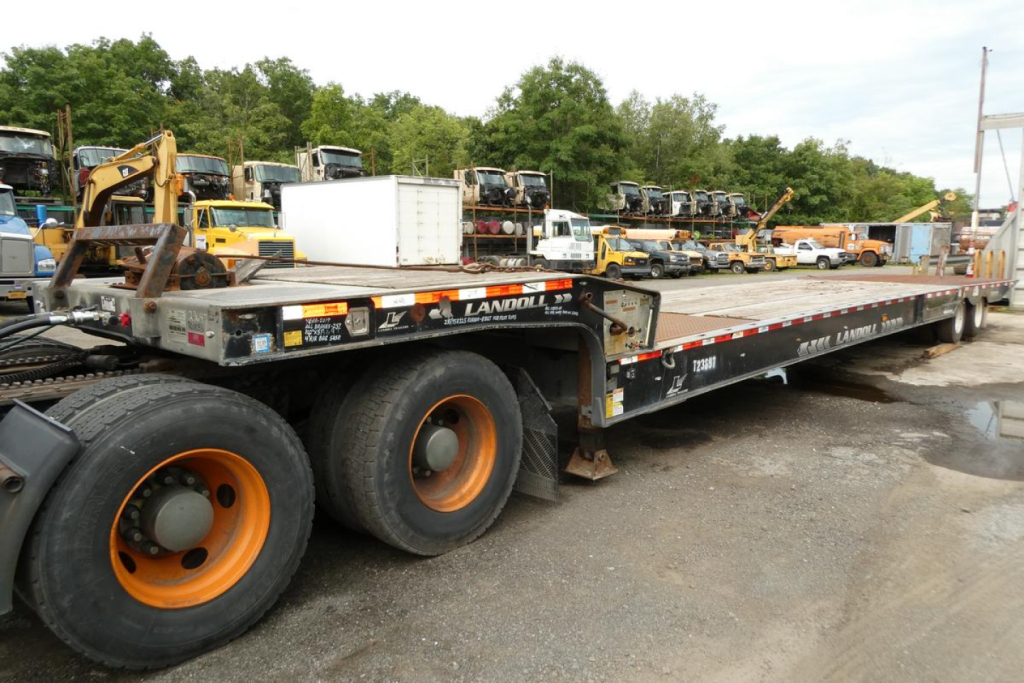
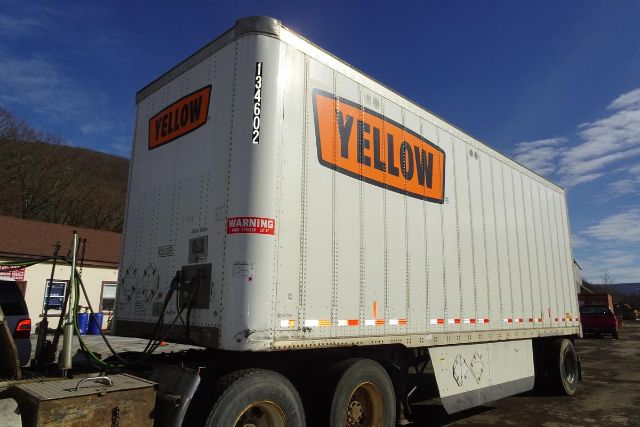
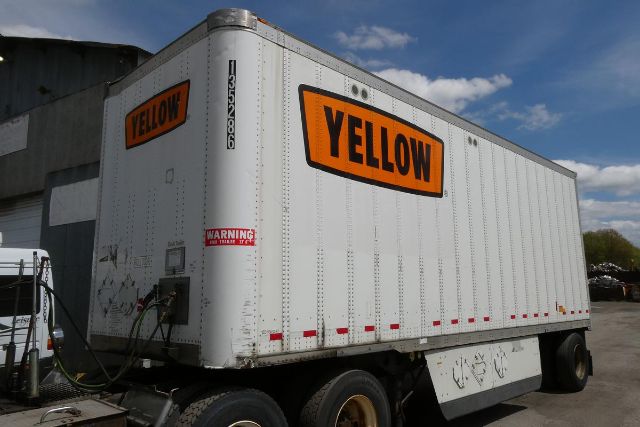
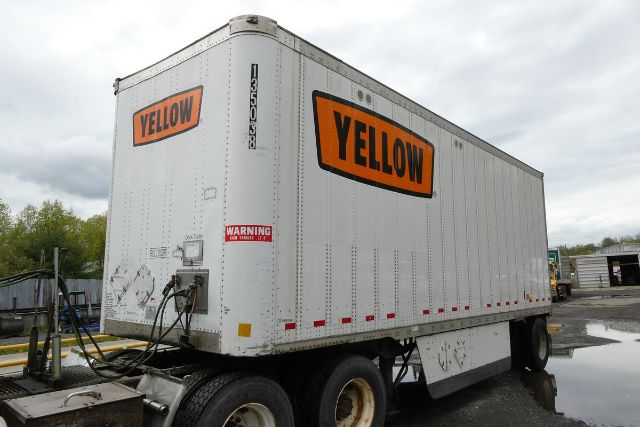
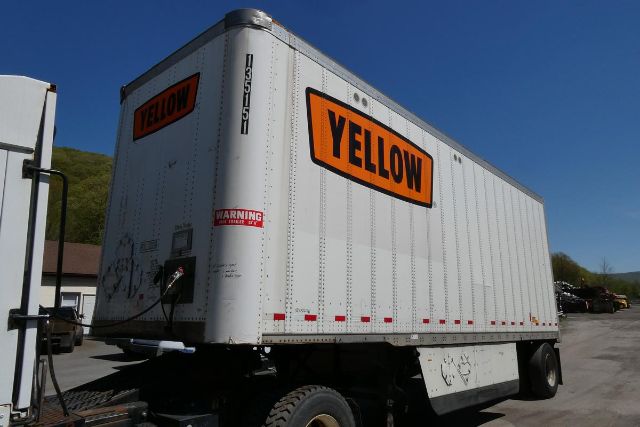
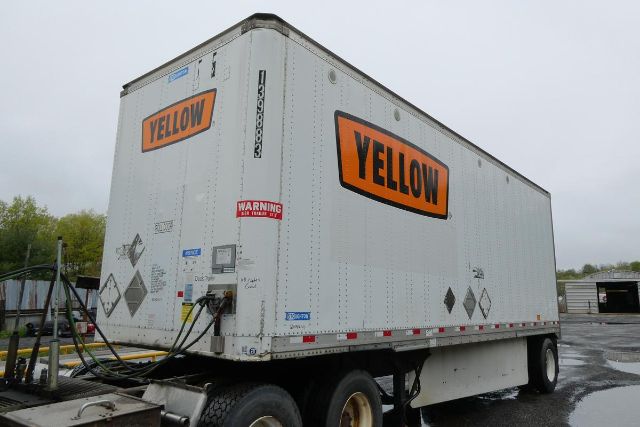
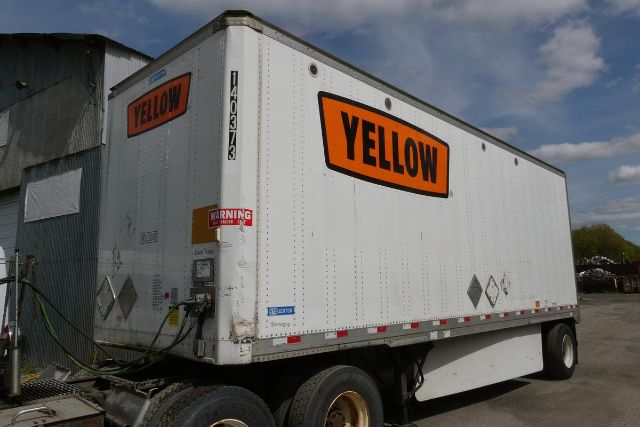

Selling a 2017 trailer? List your 2017 trailer for sale and reach thousands of commercial buyers.
2017 Trailers in New York
The first decision is trailer type. A 2017 dry van is typically the standard choice for general freight, retail, packaged goods, and dock-high distribution. Common specs include 48-foot or 53-foot length, 102-inch width, swing or roll-up rear doors, wood or wood-over-steel floors, and aluminum or aluminum-steel construction. A 2017 reefer trailer adds another layer of evaluation because the refrigeration unit, duct floor, chute design, insulation condition, door seals, and hours on the unit matter as much as the trailer body itself. For buyers handling food-grade, frozen, or temperature-controlled freight, the condition of the reefer unit, floor wear, and interior lining usually has a direct impact on operating cost.
Running gear and structural condition deserve close attention on any 2017 trailer. Tandem axles with a sliding suspension remain common because they give flexibility for bridge laws and axle spread requirements. Air ride is often preferred for sensitive freight and better ride quality, while spring ride may still appeal in simpler applications. Check tire size, wheel type, brake wear, hub condition, and whether the trailer is equipped with features such as automatic tire inflation. On van and reefer trailers, inspect the floor for forklift damage, the crossmembers for corrosion, the roof for patches or light intrusion, and the rear frame for impact wear around the door surround. In a Northeast market, corrosion at the rear sill, slider box, crossmember ends, and landing gear mounts can be a deciding factor.
A good 2017 trailer should match the freight lane as much as the budget. Regional distribution buyers may value a liftgate, roll-up door, and durable interior scuff protection. Long-haul operators may prioritize lighter tare weight, aerodynamic spec choices, and low-maintenance components. Reefer buyers may look for a proven Thermo King or Carrier unit, ducted flooring, stainless front corners, and tight door seals for temperature retention. Dry van buyers often compare interior height, door opening, logistics posts, and floor rating. When reviewing 2017 trailers for sale in New York, the strongest candidates are usually the ones with a clear maintenance history, solid understructure, and specs that fit the freight instead of forcing operational compromises.
Frequently Asked Questions about 2017 Trailers in New York
What should I look for first on a used 2017 trailer?
Start with the structure and running gear before cosmetic appearance. Check the frame, crossmembers, slider assembly, suspension, brakes, tires, wheels, landing gear, and rear frame for damage or corrosion. On van and reefer trailers, inspect the floor closely for forklift wear, soft spots, patches, and fastener pull-through. If it is a reefer, evaluate the refrigeration unit hours, maintenance records, door seals, evaporator condition, and interior lining before making a value judgment.
Is a 2017 trailer a good age for fleet or owner-operator use?
Yes, a 2017 trailer can be a strong value point if it has been maintained properly. It is generally modern enough to include desirable fleet specs such as air ride, sliding tandems, aluminum construction, and tire inflation systems, while avoiding the price premium of newer equipment. The real value depends on service history, prior application, corrosion exposure, and component condition rather than year alone.
What trailer types are most common in the 2017 market?
Dry vans and reefer trailers are the most common categories buyers will see in this model year range, with occasional flatbed, drop deck, and specialty configurations depending on market demand. Dry vans are used for general freight and distribution, while reefers are built for temperature-controlled freight. Each type has different inspection priorities, so the right choice depends on the cargo, lane length, dock setup, and loading method.
How important is suspension type on a 2017 trailer?
Suspension type affects ride quality, cargo protection, and maintenance. Air ride is widely preferred for freight that benefits from a smoother ride and for fleets trying to reduce cargo damage, while spring ride may be simpler and less expensive in certain applications. The condition of the suspension components, bushings, airbags or springs, shocks, and slider rails matters more than the label alone, especially on a trailer that has already seen years of service.
What matters most when buying a 2017 reefer trailer?
The refrigeration unit is only part of the equation. Buyers should also check the integrity of the insulated body, the condition of the floor and air channels, the rear doors and seals, and the cleanliness and repair history of the interior. Unit hours, reefer service records, fuel system condition, and evidence of consistent temperature performance all help determine whether a 2017 reefer will be reliable in regular operation.