
Used Progress Vacuum Tank Trucks For Sale in New York
Browse used Progress vacuum tank trucks for sanitary, septic, and liquid waste work, including common tank specs, build details, and buying points.
Selling a used progress vacuum tank truck? List your used progress vacuum tank truck for sale and reach thousands of commercial buyers.
Used Progress Vacuum Tank Trucks in New York
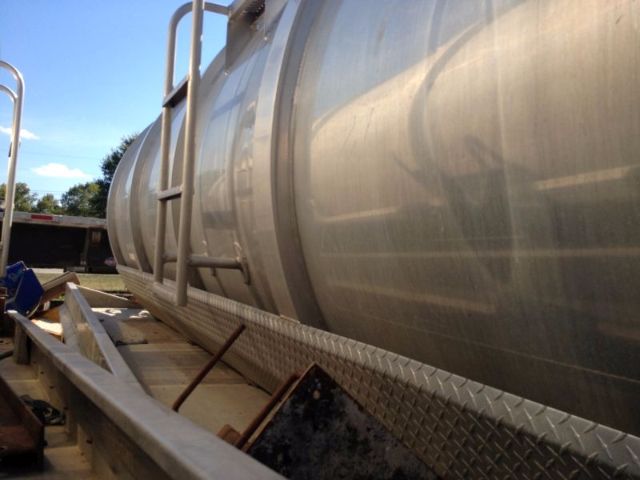
A typical Progress vacuum tank setup in this class may include a single-compartment baffled tank in the 3,000 to 4,000 gallon range, top hatch access, rear discharge hatches, rear discharge plumbing, hose trays, sight or inspection lenses, and ladder access. Aluminum construction helps control tare weight and can be a strong fit for municipal or private sanitary hauling where corrosion resistance is important, but condition still matters. On a used vacuum tank truck, pay close attention to hatch sealing surfaces, gasket condition, pitting around discharge openings, interior tank condition, and the integrity of any baffles. Small defects around rear openings or hatch flanges can turn into cleanup issues, vacuum loss, or extra rework if not addressed before the truck goes into service.
The truck side of the package deserves just as much scrutiny as the tank. Vacuum system performance depends on the pump, plumbing layout, valves, moisture traps, and controls, not just gallon capacity. Buyers should confirm pump make and model, airflow rating, service history, PTO operation, and how quickly the unit builds and holds vacuum. In New York, operating conditions can be hard on older equipment, so corrosion on frame rails, crossmembers, mounting points, and plumbing supports should be checked carefully, especially on trucks that have seen winter road salt. Tire condition, brake specification, axle ratings, and wheelbase also affect how usable the truck will be in tight residential work versus longer municipal or commercial routes.
For many buyers, a used Progress vacuum tank truck is attractive because it offers a proven sanitary tank design with simpler service requirements than more specialized vacuum excavation or combination sewer equipment. The best match depends on the work. Septic and portable toilet service often favor manageable tank sizes and easy washout access, while municipal or industrial applications may place more value on tank material, discharge configuration, and pump performance. If the unit is described as non-code, buyers should verify exactly what commodities it is suitable for and confirm local compliance requirements before purchase. A careful review of seals, discharge hardware, tank shell condition, and vacuum components usually tells you more about remaining value than the model year alone.
Frequently Asked Questions about Used Progress Vacuum Tank Trucks in New York
What should I inspect first on a used Progress vacuum tank truck?
Start with the tank and discharge system. Check hatch gaskets, sealing surfaces, rear discharge openings, internal baffles if accessible, sight glasses, and all plumbing connections for leaks, pitting, or signs of previous repairs. After that, inspect the vacuum pump, PTO, valves, traps, and controls to make sure the truck can build and hold vacuum consistently. On older units, frame corrosion and tank mounting condition are just as important as the tank itself.
Are Progress vacuum tank trucks typically aluminum or steel?
Many Progress sanitary vacuum tanks are aluminum, which helps reduce empty weight and offers good corrosion resistance in liquid waste service. Steel tanks are also used in parts of the vacuum truck market, but aluminum is common in sanitary applications where payload and washdown durability matter. Material choice should always be evaluated alongside overall condition, because damaged aluminum or corroded steel can both become expensive repairs.
What does a non-code vacuum tank mean?
A non-code vacuum tank generally means the tank was not built to a pressure vessel code used for certain regulated hauling applications. In practice, that often makes it suitable for sanitary or septic work rather than commodities that require a coded vessel. Buyers should confirm the intended product, regulatory requirements, and any state or local compliance rules before putting a non-code unit into service.
What tank size is common for a used sanitary vacuum tank truck?
A common size for sanitary and septic work is roughly 3,000 to 4,000 gallons, although actual capacity depends on chassis, axle ratings, and the intended route profile. A mid-size tank can be a practical choice for residential service because it balances payload with maneuverability. Larger tanks may improve productivity on longer runs, but they can limit access in tighter jobsite or neighborhood conditions.
How important is the rear discharge configuration on a vacuum tank truck?
Rear discharge layout is a major buying factor because it affects unloading speed, cleanup, and maintenance access. Buyers should look at the discharge hatch size, plumbing arrangement, valve condition, and the sealing surface around the opening. Wear, pitting, or poor sealing at the rear discharge can lead to leaks and downtime, so this area deserves close inspection on any used vacuum tank truck.