
Progress Vacuum Tank Trucks For Sale
Browse Progress vacuum tank trucks, including sanitary and non-code configurations, with common specs, tank materials, capacities, and application insights.
Selling a progress vacuum tank truck? List your progress vacuum tank truck for sale and reach thousands of commercial buyers.
Progress Vacuum Tank Trucks
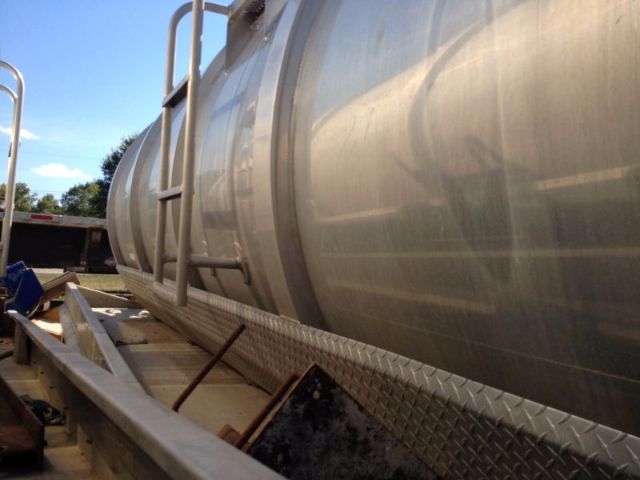
Tank construction is a major value point on a Progress vacuum tank truck. Aluminum tanks are popular because they reduce tare weight and resist corrosion in many wastewater applications, while steel may still appeal in heavier-duty or price-sensitive operations. Common features include single-compartment baffled tanks, top hatches, rear discharge hatches, rear discharge plumbing, hose trays, inspection ports, and side ladders for safe access. On used units, buyers should pay close attention to hatch sealing surfaces, gasket condition, internal corrosion or pitting, and the condition of the rear discharge opening. These details directly affect vacuum integrity, leak prevention, and cleanup time in daily service.
The vacuum system itself deserves close inspection because pump performance determines how productive the truck will be on route. Check pump brand and model, CFM rating, drive setup, PTO engagement, scrubber or secondary shutoff protection, and the condition of valves, sight glasses, and plumbing. A truck used in septic or sanitary service also benefits from simple, durable plumbing layouts that are easy to rinse out and maintain. If the unit has visual level indicators, hose storage, or operator-friendly rear controls, those features can save time across a full day of stops.
Chassis fit matters just as much as the tank. Buyers should verify axle ratings, wheelbase, suspension, transmission, and engine horsepower against the loaded weight of the tank and the route profile. A vacuum tank truck that spends its time on rural septic runs has different needs than one working tight municipal alleys or industrial sites. Progress units are often evaluated on straightforward design, usable access, and practical tank layouts, so the best purchase is usually the one with a sound tank, a healthy vacuum system, and a chassis spec that supports the intended payload without running at its limit.
Frequently Asked Questions about Progress Vacuum Tank Trucks
What should I check first on a used Progress vacuum tank truck?
Start with the tank itself. Inspect the shell, heads, welds, hatch openings, rear discharge area, and all sealing surfaces for corrosion, pitting, cracks, or repairs. Then confirm the condition of gaskets, valves, sight glasses, plumbing, and hose trays. After that, evaluate the vacuum pump, PTO operation, and any scrubber or shutdown protection. A solid chassis is important, but expensive tank or vacuum system repairs usually drive the real reconditioning cost on this type of truck.
Are Progress vacuum tank trucks used mainly for septic and sanitary service?
Many are used in septic, sanitary, and wastewater applications, especially non-code configurations built for vacuum collection and transport of non-hazardous liquid waste. That said, actual use depends on the tank specification, material, plumbing setup, and any regulatory requirements tied to the product being hauled. Buyers should match the truck to the intended commodity rather than assume every vacuum tank is interchangeable across septic, industrial, and municipal work.
Is an aluminum vacuum tank better than steel?
Aluminum usually offers lower empty weight and strong corrosion resistance in many sanitary and wastewater environments, which can improve payload and long-term tank life. Steel may be preferred where lower acquisition cost or certain duty conditions make sense. The better choice depends on what the truck hauls, how often it is washed out, the local climate, and how much tare weight matters on the route. Condition is often more important than material alone on a used vacuum tank truck.
What does non-code mean on a vacuum tank truck?
Non-code generally means the tank was not built to a pressure vessel code standard for commodities or applications that require that certification. In sanitary and septic service, non-code tanks are common, but that does not make them suitable for every liquid or every contract. Buyers should verify state rules, disposal site requirements, and customer specifications before purchasing. Code status should always match the legal and operational demands of the job.
What tank features improve daily productivity on a vacuum tank truck?
Practical service features make a measurable difference over a full day of pumping. Top hatches, rear discharge hatches, rear plumbing, visual level indicators, hose trays, side access ladders, and straightforward valve layouts all help reduce loading time, unloading time, and cleanup effort. Baffled single-compartment tanks are also common because they help manage liquid movement in transit. For most operators, simple access and dependable sealing are more valuable than unnecessary complexity.