
Vacuum Tank Trucks For Sale
Vacuum tank trucks, also called vac trucks, for septic, industrial and oilfield work. Compare pump CFM, tank size, materials, code ratings and axles.
Selling a vacuum tank truck? List your vacuum tank truck for sale and reach thousands of commercial buyers.
Vacuum Tank Trucks
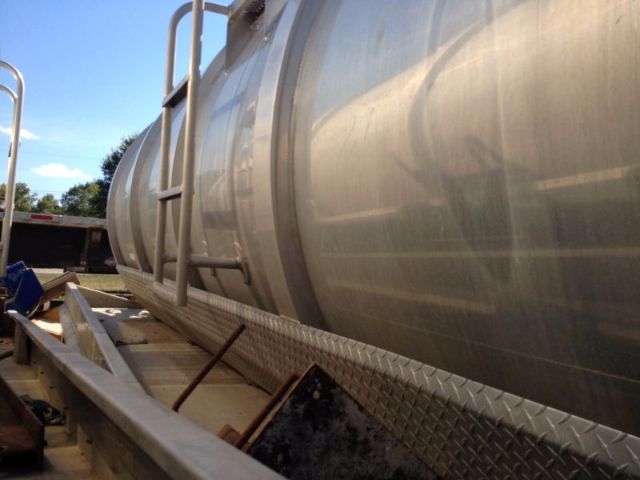
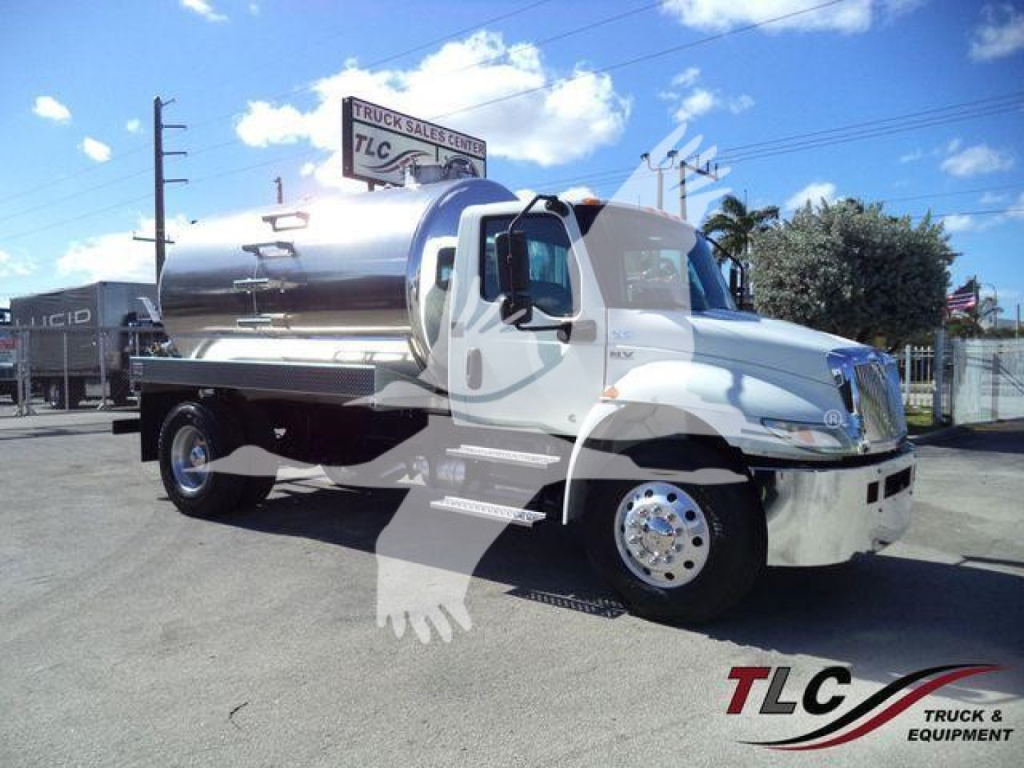
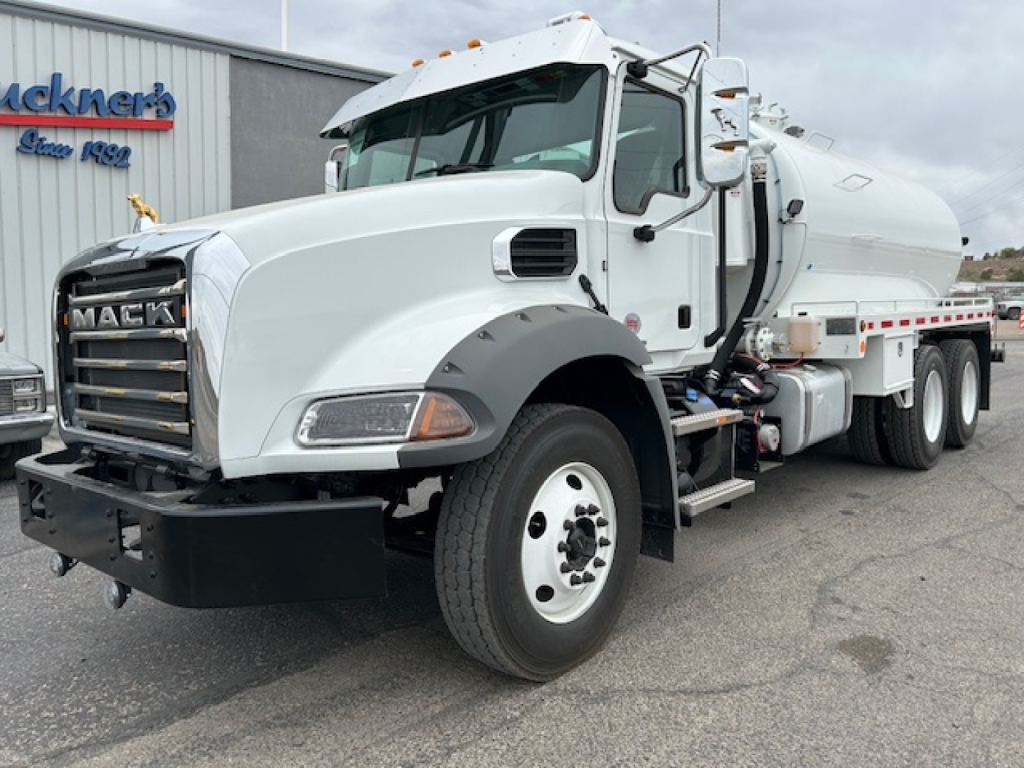
The tank defines payload and route efficiency. Vacuum tank trucks, also known as vac trucks or vacuum tankers, typically range from 1,500 to 3,600 gallons on single or tandem axles for septic work, and 4,000 to 6,000 plus gallons on tandem or tri‑axle chassis for industrial and oilfield loads. Oilfield units are often listed in barrels, 100 to 130 bbl. Carbon steel is economical and durable, stainless resists corrosives and brine, aluminum saves weight for higher legal payload but dislikes caustics. Internal baffles and surge plates help braking stability, and a full opening rear door with a tank hoist speeds heavy sludge cleanout. Wheelbase, axle spacing and lift axles are critical for bridge law compliance and site access.
Loading and offloading hardware sets daily pace. Look for a properly sized primary and secondary shutoff, demister or cyclone scrubber and a moisture trap to protect the pump. Common valve sizes are 4 to 6 inches with quick‑disconnects. Pressure offload uses the tank to push product, good for long hose runs, while transfer pumps or gravity work for simple drops. Top manways, rear cleanouts and 3 to 4 inch boom arms improve site reach. Cold climate packages add heated valves, jacketed compartments and glycol trace. Useful visibility features include sight glasses, digital level sensors and rear view cameras for tight jobsites.
Compliance and application drive the spec. Non‑code tanks handle septic and non‑hazardous waste. Corrosives, flammables or certain oilfield products often require ASME stamped and DOT 407 or 412 code tanks, spark‑resistant components and gas scrubbers. For municipal jet‑vac work, combination units pair a debris tank with a high pressure jetter and water boiler for winter. Match transmission to duty cycle, with Allison automatics common in stop‑and‑go service. For lifecycle value, evaluate unladen weight, legal payload in your states, corrosion protection, pump hours and service records. Inspect door seals, hinge pins, tank thickness, pump end play and gearbox leaks. A well spec’d vacuum tanker reduces trips, stays compliant and keeps revenue miles productive.
Also known as: Vacuum Truck, Vac Truck, Vacuum Tanker Truck
Frequently Asked Questions about Vacuum Tank Trucks
How do I choose the right vacuum pump or blower for my routes?
Match the pump to your material and hose runs. Rotary vane units around 230 to 500 CFM and 25 to 27 inHg handle septic, grease and light sludges efficiently with low maintenance. For hydro excavation, heavy slurries or long hose pulls, pick a lobe blower or liquid ring system in the 1,000 to 3,000 plus CFM range. Deeper vacuum favors thick product pickup, higher CFM moves more air for faster loading. Consider duty cycle, noise limits, cooling and filtration to protect the pump in continuous service.
What tank size and axle configuration should I select?
Size the tank to your most common payload and site access. Single or tandem axle trucks with 1,500 to 3,600 gallons fit residential septic and tight urban work. Industrial and oilfield routes often justify 4,000 to 6,000 plus gallons or 100 to 130 bbl on tandem or tri‑axle chassis. Verify bridge law and axle spacing in your states, and use lift axles where allowed to balance tire wear and compliance. Larger tanks cut trips but increase wheelbase and curb weight, which can limit maneuverability and payload on weight‑restricted roads.
Do I need a code or ASME stamped vacuum tank?
If you haul non‑hazardous waste such as septic or grease, a non‑code tank is typical. If you move corrosives, flammables or regulated industrial waste, you may need an ASME stamped tank and a DOT 407 or 412 code vessel with appropriate fittings, emergency relief, grounding and compatible materials. Local, state and federal rules vary, so confirm with your hazmat program and insurer before selecting a tank. Code tanks add weight and cost but open regulated lanes and customers.
Which tank material is best, carbon steel, stainless or aluminum?
Carbon steel offers the best value and durability for general service. Stainless steel, often 304 or 316, resists corrosives, salt brine and some chemicals and is preferred for food waste and caustics. Aluminum cuts unladen weight for higher legal payload and better fuel economy, but it is not ideal for strong caustics or abrasive sludges and needs careful support at mounting points. Consider corrosion risk, product compatibility, climate and your cleaning regimen when choosing materials.
What features speed loading and offloading on a vac truck?
A well engineered air path with primary and secondary shutoffs, a cyclone or demister scrubber, and clean filters protects the pump and maintains airflow. Full opening rear doors and a tank hoist help dump heavy sludge. Pressure offload is efficient for long hose runs, while a transfer pump or gravity suits simple drops. Heated valves and lines prevent freeze ups. Top booms, rear cleanouts, large sight glasses and electronic level sensors improve jobsite speed and operator safety.