
Used Progress Vacuum Tank Trucks For Sale
Used Progress vacuum tank trucks for sanitary, septic, and liquid waste hauling. Compare tank size, material, discharge setup, and condition.
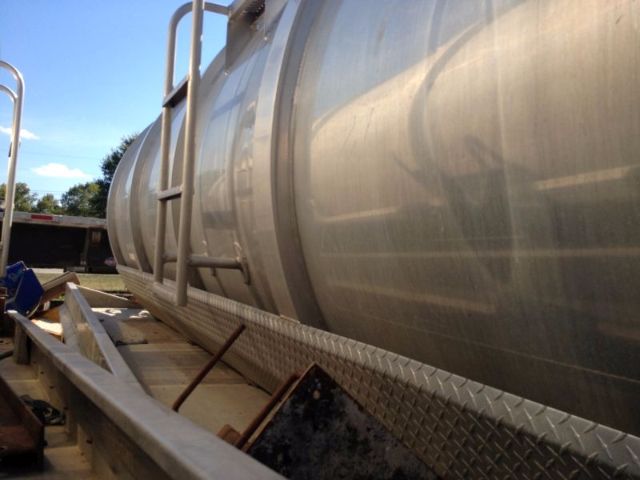
Selling a used progress vacuum tank truck? List your used progress vacuum tank truck for sale and reach thousands of commercial buyers.
Used Progress Vacuum Tank Trucks
Tank construction is a major decision point. Aluminum tanks are popular because they reduce empty weight and can help payload, but buyers should inspect closely for pitting, weld repairs, hatch sealing surfaces, and wear around rear discharge openings. Common specs in this class include single-compartment baffled tanks, top hatches, rear discharge hatches, rear discharge plumbing, side access ladders, hose trays, and visual level indicators such as sight glasses or inspection lenses. Capacity varies by build, but many used units in this segment fall into the municipal and contractor sweet spot where they are large enough for route efficiency without becoming difficult to maneuver into rural properties, subdivisions, treatment sites, and tight service yards.
On a used Progress vacuum tank truck, the most important inspection points are vacuum pump condition, PTO operation, plumbing integrity, valve function, hatch gaskets, and the structural condition of the tank shell and heads. Buyers should also look at baffles, internal cleanliness, ladder mounts, hose tray supports, and any evidence of product residue that points to the truck's prior service. If the truck has rear discharge plumbing, check how easily it can be serviced and whether the outlet sealing surfaces are still true. A good used vacuum tank truck can be a productive route unit for years, but deferred maintenance in pumps, seals, and discharge hardware can turn a low purchase price into a costly rebuild.
Fit to the job matters as much as fit to the budget. A Progress vacuum tank truck used for septic pumping may need different hose storage, washout access, and discharge hardware than a unit serving municipal sewer work or industrial liquid recovery. Buyers should confirm gallon capacity, tank dimensions, axle ratings, pump brand and CFM, hose diameter, and the truck's legal operating weight in their region. If the unit is mounted on a chassis, review engine hours, transmission type, suspension, brake setup, and frame condition with the same care as the tank itself. The right used Progress vacuum tank truck is one that matches your route density, dumping cycle, waste stream, and maintenance capability without forcing compromises on sealing, safety, or legal compliance.
Frequently Asked Questions about Used Progress Vacuum Tank Trucks
What should I inspect first on a used Progress vacuum tank truck?
Start with the tank and vacuum system, because those are the most expensive and application-critical components. Inspect the tank shell for corrosion, pitting, cracks, weld repairs, and damage around hatches and discharge openings. Check hatch gaskets, sight glasses, valves, plumbing, and rear discharge components for leaks or wear. Then verify PTO engagement, vacuum pump performance, and overall chassis condition so you know the entire truck can work as a complete unit.
Are Progress vacuum tank trucks typically used for septic and sanitary service?
Yes. Many Progress vacuum tank trucks are used in septic, sanitary, portable toilet, grease, and other non-hazardous liquid waste applications. The exact use depends on tank code status, plumbing layout, pump setup, and local regulations. Buyers should confirm that the truck's tank specification and discharge arrangement match the intended waste stream and the compliance requirements in the area where it will operate.
Why does tank material matter on a vacuum tank truck?
Tank material affects weight, corrosion resistance, repair strategy, and long-term operating cost. Aluminum tanks can reduce tare weight and improve payload, which is valuable on route work, but they still need careful inspection for pitting, fatigue, and sealing surface wear. Steel tanks may offer different repair and durability characteristics depending on application. The best choice depends on the product handled, service environment, and how the truck has been maintained.
What common features are found on used vacuum tank trucks in this category?
Common features include single-compartment baffled tanks, top hatches, rear discharge hatches, rear discharge plumbing, hose trays, side access ladders, and visual level indicators. Some units are configured for straightforward sanitary transfer work, while others may have more specialized pumping or hose-handling setups. Buyers should compare these features against route needs, dump frequency, and ease of cleaning and service.
How do I know if a used vacuum tank truck is the right size for my operation?
Tank size should match the volume of each stop, the distance to disposal or treatment sites, and the legal gross vehicle weight you can run in your state. A larger tank can improve route efficiency, but it may reduce maneuverability and create weight challenges on certain chassis or job sites. Review gallon capacity, axle ratings, pump performance, and turning radius together rather than choosing by tank size alone.