
Used Log Trailers For Sale
Used log trailers for sale: compare bunk spacing, frame condition, suspension wear, and axle layouts for timber hauling across the US and Canada.
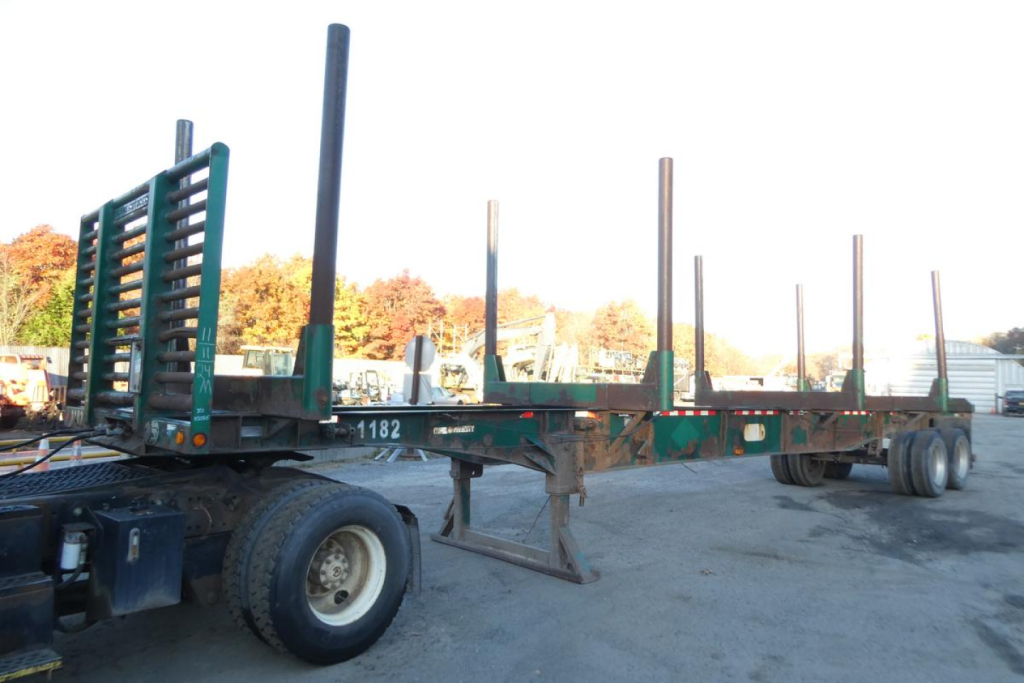
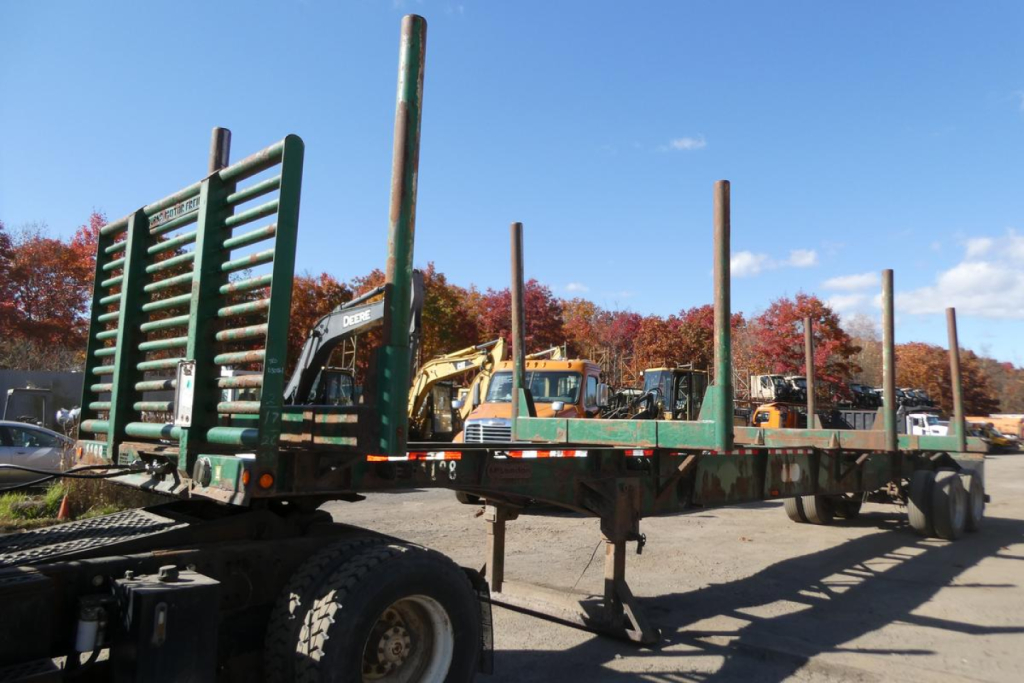
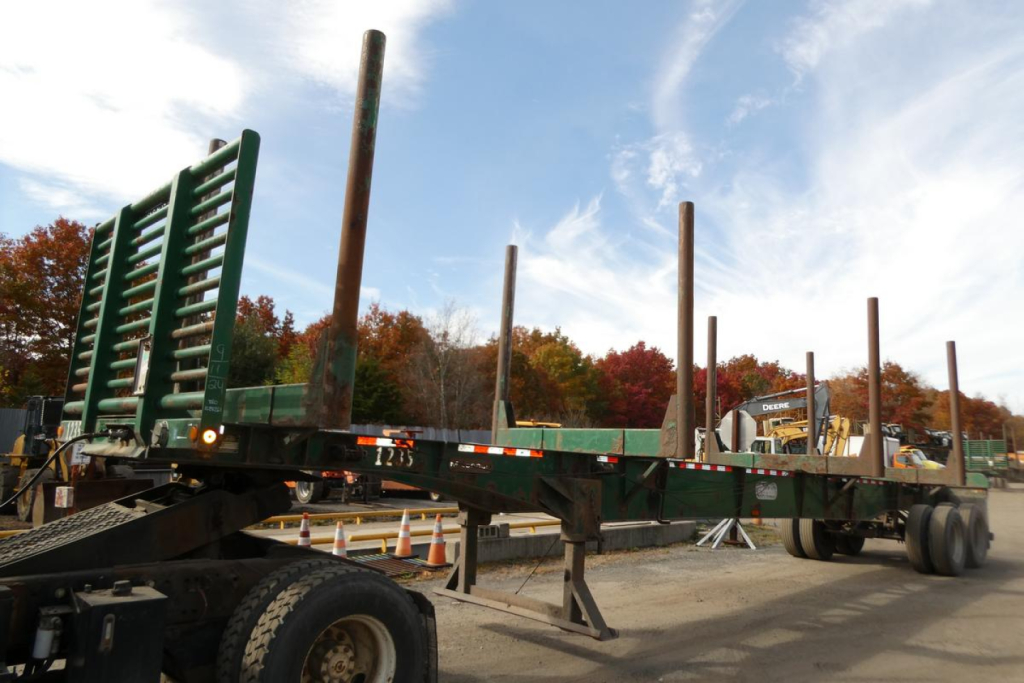
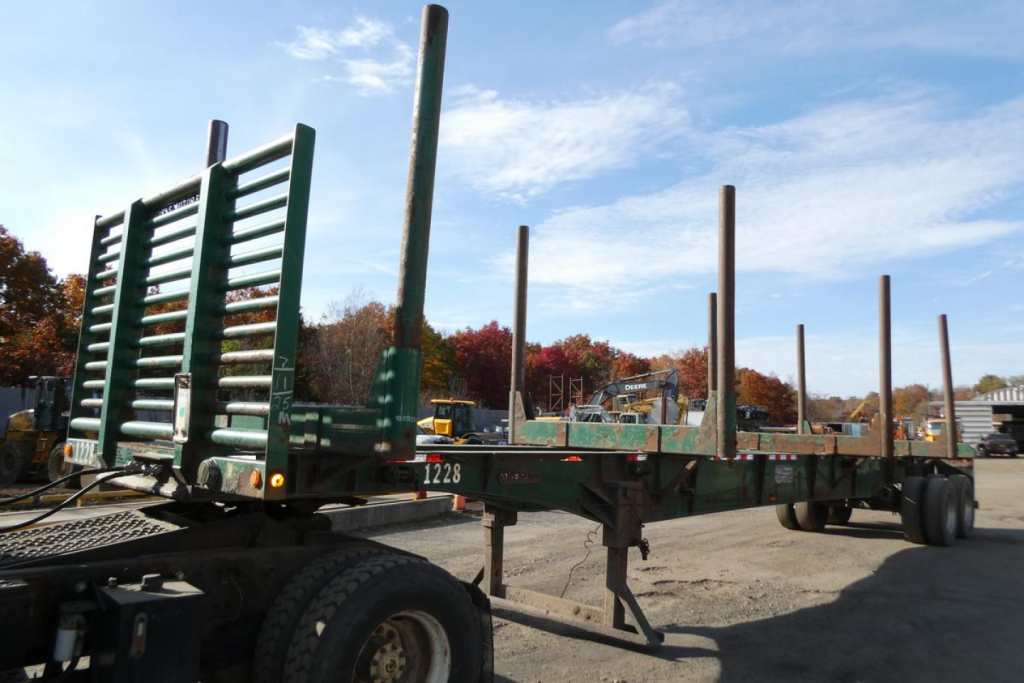
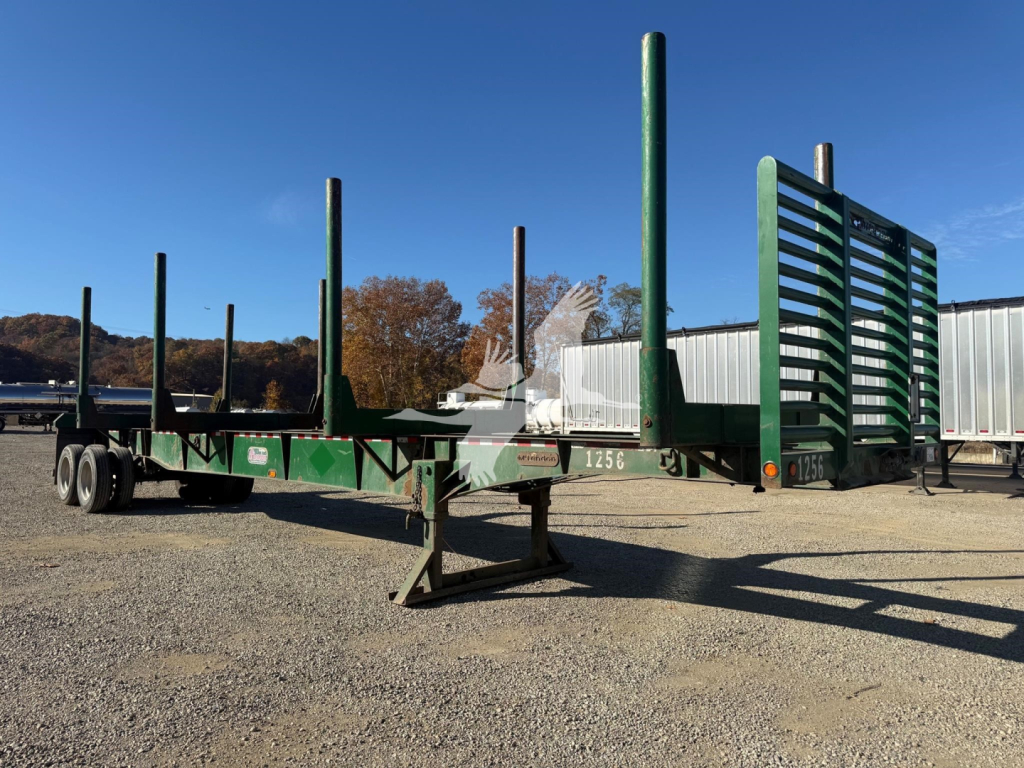
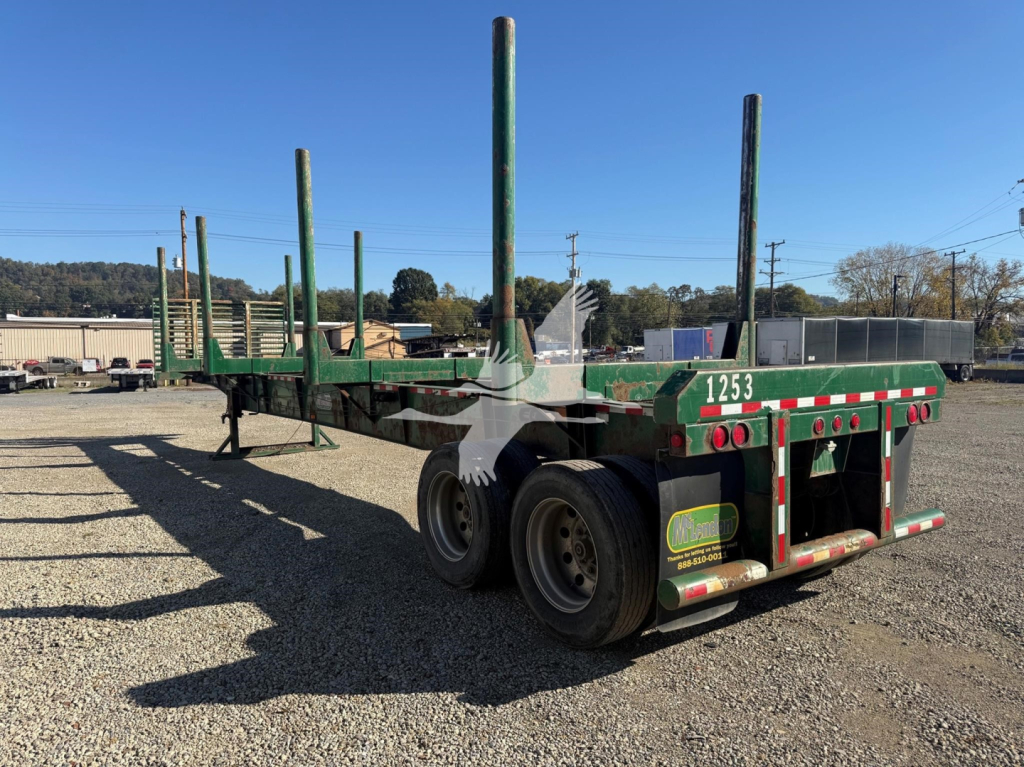
Selling a used log trailer? List your used log trailer for sale and reach thousands of commercial buyers.
Used Log Trailers
Fatigue damage matters more than fresh paint on a used timber trailer. Inspect main rails, bunk bases, stake pockets, suspension hangers, and the upper coupler for cracks, distortion, or undocumented weld repairs. Check spring equalizers and bushings on mechanical suspensions, or bags and height controls on air-ride designs. Measure brake lining and drum wear, inspect wheel seals, and look for tire wear suggesting axle misalignment. Test the air system and ABS where equipped rather than relying on an inspection sticker. Request brake, bearing, suspension, and structural repair records; compare the data plate with any axle changes or added bunks, and obtain a current tare weight.
Northern US and Canadian road salt makes crossmember and suspension-mount corrosion a priority, while muddy forest roads demand suitable ground clearance. Check state or provincial axle limits, bridge rules, log-overhang requirements, and seasonal weight restrictions along the actual route before choosing tandem or multi-axle equipment. A trailer's GVWR is a structural rating, not permission to carry that weight on public roads.
Frequently Asked Questions about Used Log Trailers
What securement rules apply to logs hauled on a logging trailer?
U.S. interstate log loads are subject to 49 CFR 393.116, which sets log-specific securement requirements. Required arrangements vary with log length, loading direction, and the bunk and stake system. Inspect tiedown anchors, winches, cables, and chains for condition and identifiable ratings. Canadian operators should verify the destination province's implementation of National Safety Code Standard 10 rather than assuming every U.S. arrangement is acceptable.
How do I check the ABS on an older used log trailer?
A functioning warning lamp and an ABS diagnostic check are the starting points for inspecting an ABS-equipped used log trailer. Confirm power through the electrical connector, inspect wheel-speed sensor wiring, and retrieve stored faults with compatible equipment. Some faults require wheel movement to clear, so follow the system manufacturer's test procedure. An extinguished lamp alone does not prove the system works if the lamp circuit is disconnected.
Can I add an axle to a used log trailer to increase payload?
Adding an axle does not automatically increase a used log trailer's GVWR or legal payload. The frame, suspension attachments, brakes, tires, and upper coupler must support the revised configuration, and axle spacing must qualify under the route's weight rules. Obtain an engineering review and determine whether revised certification or inspection is required before modifying the trailer. Extra axle weight also reduces the net payload gain.
Is a self-loading log trailer worth the extra equipment?
A self-loading log trailer is most useful when pickup or delivery sites lack dependable loading equipment. The loader adds tare weight, maintenance, and hydraulic requirements, reducing the weight available for timber. Verify PTO and hydraulic compatibility, loader reach, stabilizer condition, and mounting-frame integrity. For dedicated trips between equipped landings and mills, a conventional bunk trailer avoids carrying a loader that the operation does not need.