
Log Trailers For Sale
Browse log trailers for timber hauling, including plantation and highway setups with common bolster, axle, suspension, and brake options.
Selling a log trailer? List your log trailer for sale and reach thousands of commercial buyers.
Log Trailers
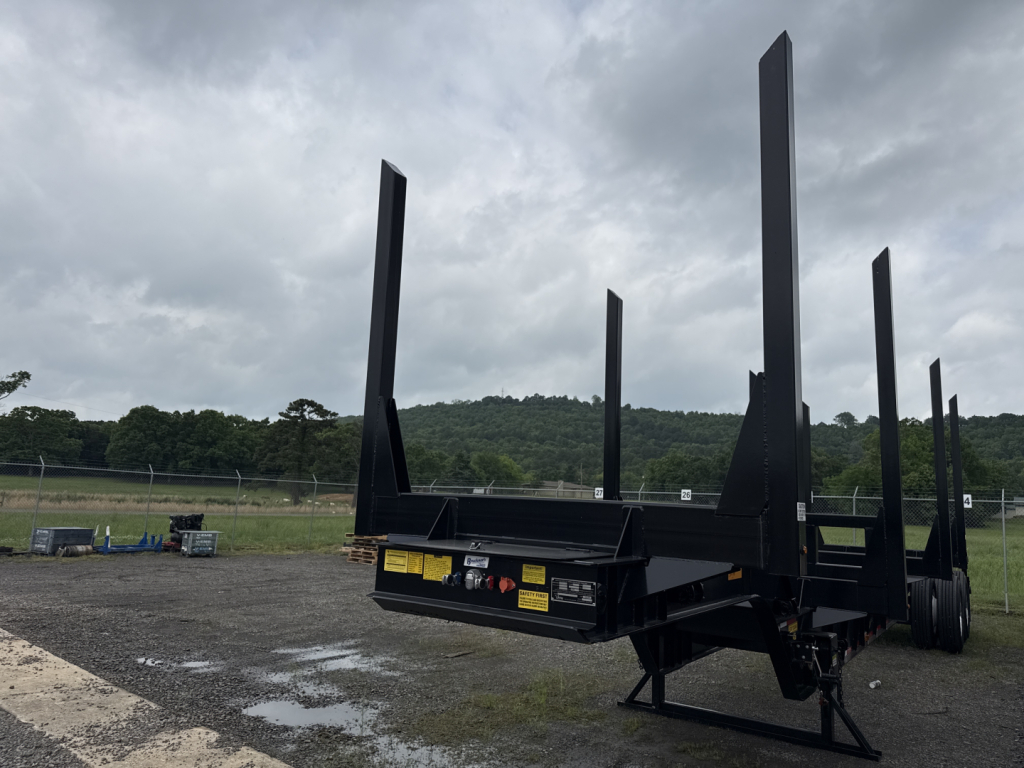
The most important spec decisions are overall length, bolster count and spacing, axle rating, and suspension design. Common configurations include tandem axle trailers with 22.5 or 24.5 rubber, air ride or mechanical suspension, and drum brakes, although exact spec depends on region and payload targets. Drop-center frames are common because they help lower the center of gravity and improve load stability. Buyers should also pay attention to landing gear design, grapple bar size, bunk and stake construction, tire and wheel package, and whether the trailer includes load scale systems or onboard electronics. On timber work, small spec differences matter because they affect legal payload, loading speed, and how well the trailer tracks on uneven ground.
A good log trailer needs to do two things well: carry weight without excessive tare, and keep the load secure when road conditions get rough. Steel construction remains common for durability and repairability, but lightweight designs are popular where every pound of payload counts. Bolster design is especially important because it influences how the logs sit, how fast loaders can work, and how well the load stays centered. Suspension tuning also matters more than many buyers expect. Air ride can improve ride quality and reduce shock on the frame and bunk structure, while other setups may be preferred for severe off-road service where simplicity and toughness are the priority.
Before buying, confirm the trailer matches your state bridge laws, typical wood length, and loading method. Check axle capacity, brake type, kingpin and frame condition on used units, and inspect bunk wear, bolster alignment, crossmember integrity, and any cracking around suspension hangers. If the trailer will see frequent mud, stumps, and tight landings, durability and service access should rank ahead of cosmetic features. A well-matched log trailer can improve payload consistency, shorten loading cycles, and hold up better over years of timber hauling than a trailer spec'd too lightly for the job.
Also known as: Logging Trailer, Timber Trailer
Frequently Asked Questions about Log Trailers
What is the difference between a plantation log trailer and a highway log trailer?
A plantation log trailer is generally built to be lighter and more maneuverable for short-haul timber work, smaller tracts, and frequent loading in the woods. A highway log trailer is often spec'd for more sustained road miles, heavier-duty frame sections, and a setup that balances payload with stability and compliance on paved routes. The right choice depends on haul distance, road conditions, average wood length, and how often the trailer leaves improved roads.
How many bolsters should a log trailer have?
Bolster count depends on trailer length, the type of timber being hauled, and load distribution requirements. More bolsters can improve support and load control, especially with mixed or shorter wood, while fewer bolsters may reduce tare weight and simplify loading for certain applications. Buyers should match bolster spacing to their common log lengths and loader practice so the trailer carries weight evenly and keeps the load stable in transit.
Is air ride a good choice for a log trailer?
Air ride can be a strong option on a log trailer when ride quality, load stability, and reduced frame shock are priorities. It can help the trailer track better on-road and may reduce vibration transferred into the bunk structure and load. For severe off-road use, some operators still prefer simpler suspension designs with fewer components exposed to damage. The better choice depends on how much time the trailer spends on pavement versus woods roads and landings.
What should I inspect on a used log trailer?
Focus on structural areas first. Inspect the frame rails, crossmembers, bolsters, stake pockets, suspension hangers, axle alignment, landing gear mounts, and any welded repair areas. Look for cracks, bent bunks, abnormal tire wear, brake condition, and signs that the trailer has been overloaded or twisted off-road. On timber equipment, structural condition and running gear health matter far more than paint or cosmetic appearance.
What axle and tire setup is common on log trailers?
Many log trailers are built as tandem axle units with heavy-capacity axles and commercial trailer tire sizes such as 11R24.5, though local practice and legal weight limits vary by state and region. Axle rating should be selected based on legal gross weight, terrain, and expected payload density. Tire choice should also reflect off-road exposure, cut resistance, and service availability, not just highway performance.