
Used Log Trailers For Sale in New York
Used log trailers for sale in New York: compare bunk spacing, frame corrosion, axle ratings, and route limits before choosing a timber hauling setup.
Selling a used log trailer? List your used log trailer for sale and reach thousands of commercial buyers.
Used Log Trailers in New York
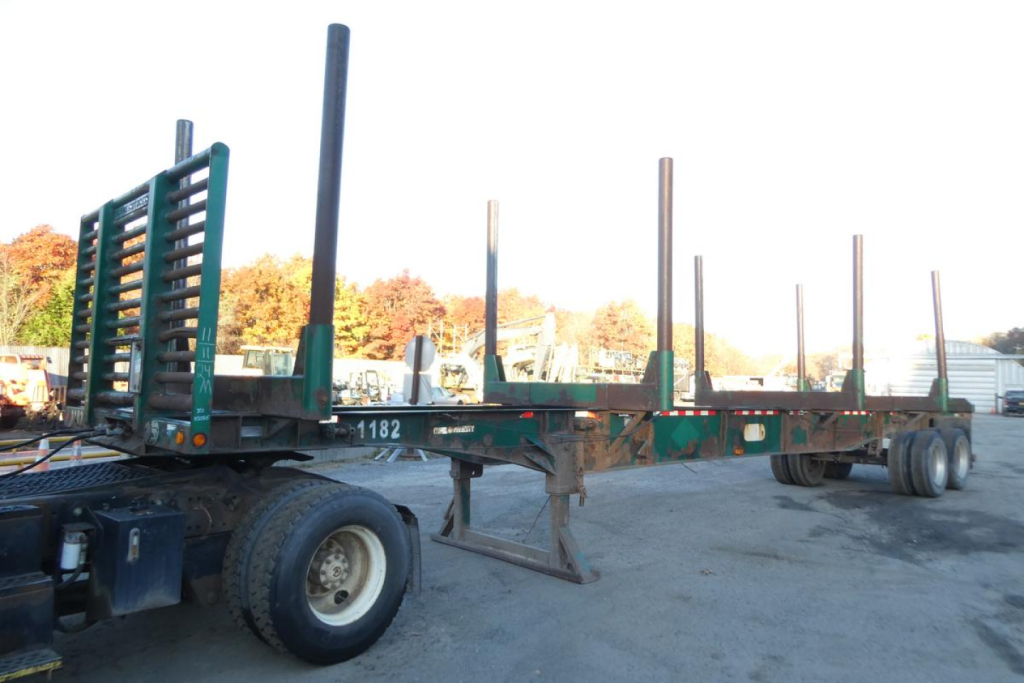
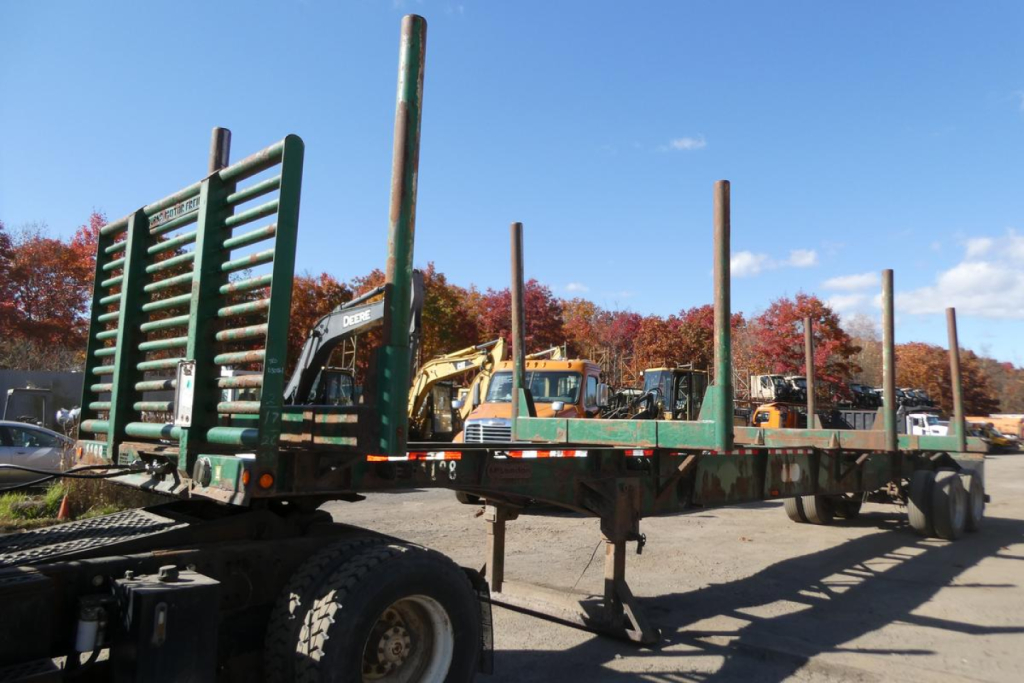
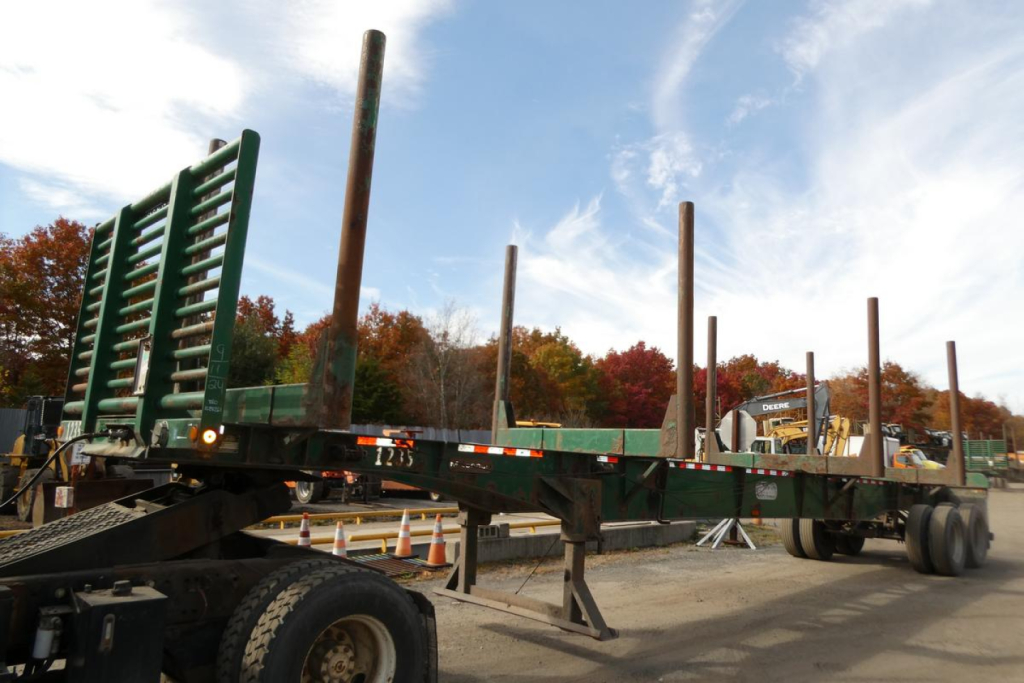
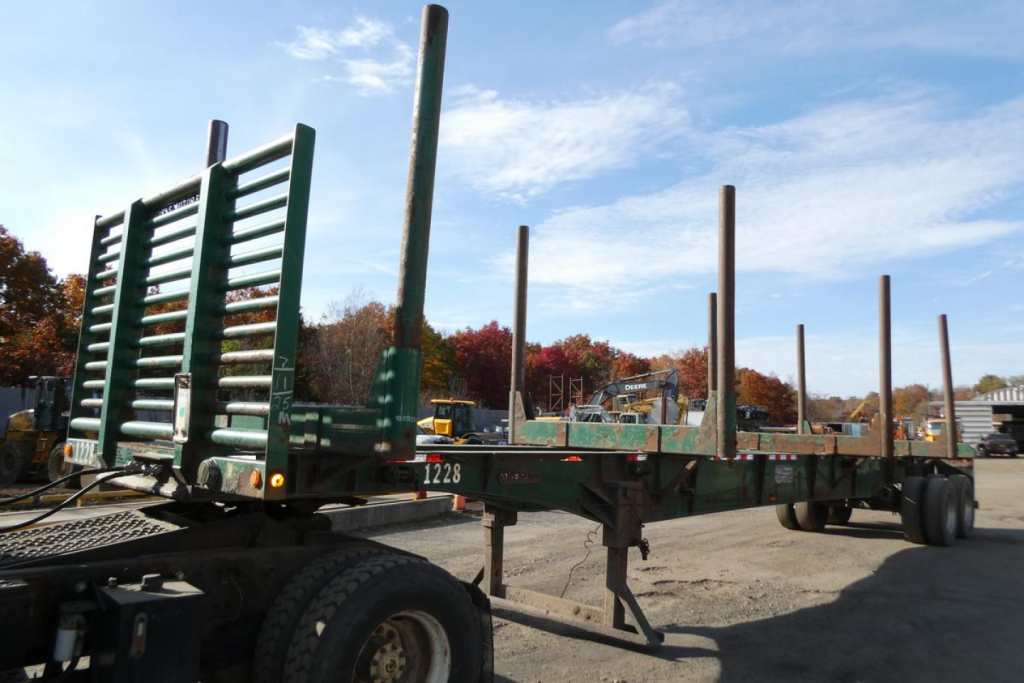
A fixed-tandem bunk semitrailer serves a different loading pattern than an extendable pole trailer intended for long logs. Compare support locations, allowable overhang, tractor clearance, and loaded center of gravity before treating different configurations as interchangeable. A 45-foot bunk trailer may accommodate multiple shortwood stacks, but nominal length alone does not establish loading flexibility. Confirm manufacturer-approved bunk positions, stake ratings, and securement anchor capacity rather than accepting improvised extensions or relocated bunks without engineering documentation.
Inspect used steel frames closely around bunk mounts, suspension hangers, crossmembers, and the upper coupler plate. New York salt exposure can leave heavy scaling between overlapping plates even when exterior paint looks presentable. Look for cracked welds, buckled flanges, elongated mounting holes, and repairs that hide the original load path. Measure kingpin wear, inspect landing gear and stake pockets, and check spring hangers or air suspension components for movement. Maintenance records should document brake work, wheel-end service, alignment, and structural repairs. Uneven tire wear deserves investigation rather than dismissal as normal logging-road use.
Calculate working payload from the actual empty weight of the tractor-trailer combination, not the trailer's GVWR alone. Axle ratings, tire capacities, axle spacing, registration, and route restrictions can each impose a lower limit. Check posted bridges and seasonal town or county road restrictions before committing to a mill route. Confirm applicable New York weight and permit requirements for the intended operation. A heavier frame may suit rough woods work, but additional tare weight reduces payload whenever the route's legal gross limit controls.
Frequently Asked Questions about Used Log Trailers in New York
How much weight can a log truck and trailer legally haul in New York?
80,000 pounds is the standard federal gross combination limit on Interstate highways, subject to axle-weight and bridge-formula limits. That figure includes the tractor, log trailer, fuel, equipment, and timber, not just the load. New York permits and other lawful exceptions can change the applicable limit, while state and local routes require separate checks. Obtain axle weights with a representative load before establishing a hauling plan.
What securement rules apply to logs on a logging trailer?
Log length and loading orientation determine the applicable securement requirements under 49 CFR 393.116 for covered commercial operations. Federal rules distinguish shortwood logs measuring 16 feet or less from longwood logs exceeding 16 feet. Bunk construction, stakes, and loading arrangement affect the required securement method. Stake containment does not automatically eliminate tiedown requirements, so verify the complete loading arrangement rather than counting winches alone.
Is spring suspension or air ride better for a used log trailer?
Spring suspension is a practical choice for a log trailer working rough landings where mechanical simplicity matters. Air ride can reduce empty-trailer bounce, but adds air springs, leveling valves, and plumbing that need protection and maintenance. Compare axle articulation, ground clearance, suspension capacity, and repair support for the actual route. Neither suspension type compensates for overloaded axles or inadequate frame design.
Should an older used log trailer have ABS?
Most air-braked log trailers manufactured on or after March 1, 1998, were required to have ABS under federal manufacturing standards. Verify the manufacture date rather than relying only on the advertised model year. Inspect the trailer warning lamp, sensor wiring, tone rings, and electrical supply, and retrieve faults with compatible diagnostic equipment. Earlier manufacture does not excuse defective foundation brakes or other unsafe brake components.