
Used McLendon Log Trailers For Sale
Used McLendon log trailers for sale: compare FT45L bunk layouts, steel-frame condition, axle ratings, and securement before choosing a timber hauler.
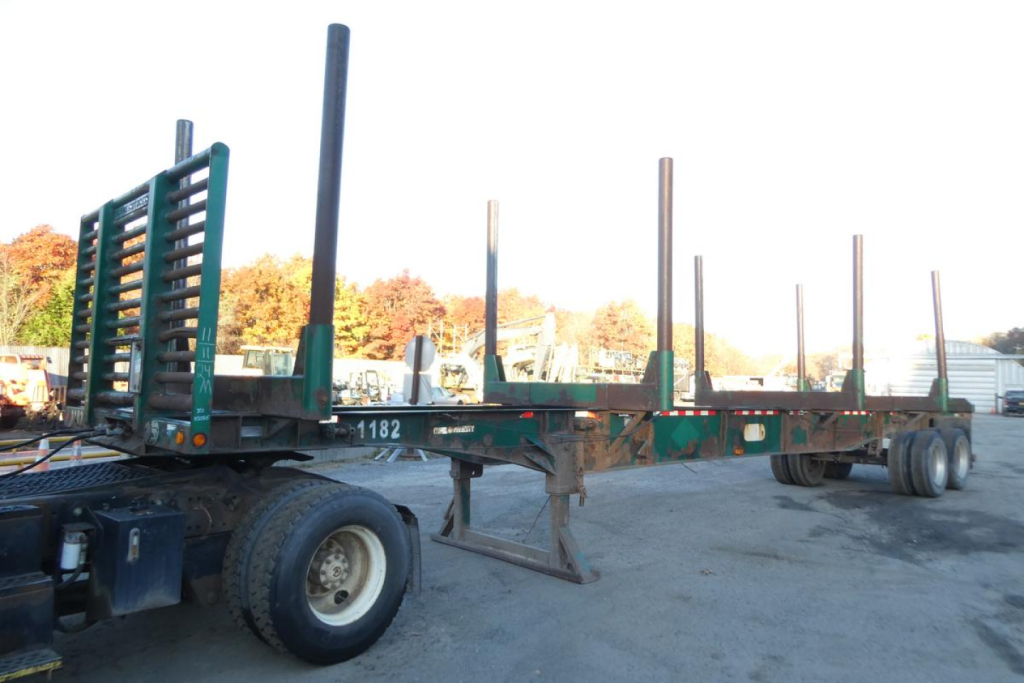
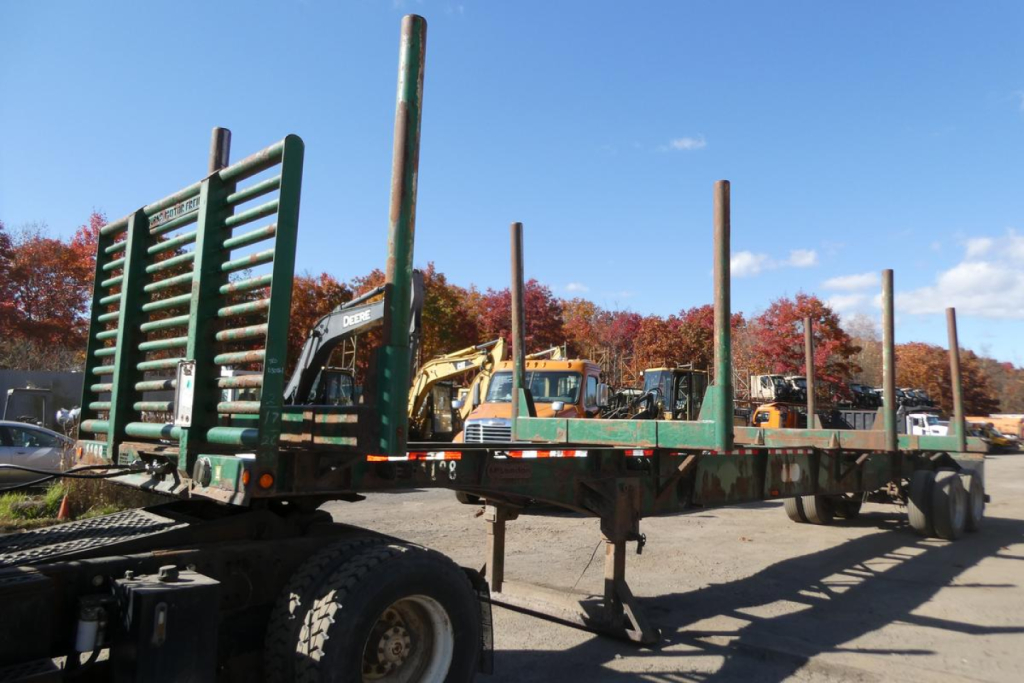
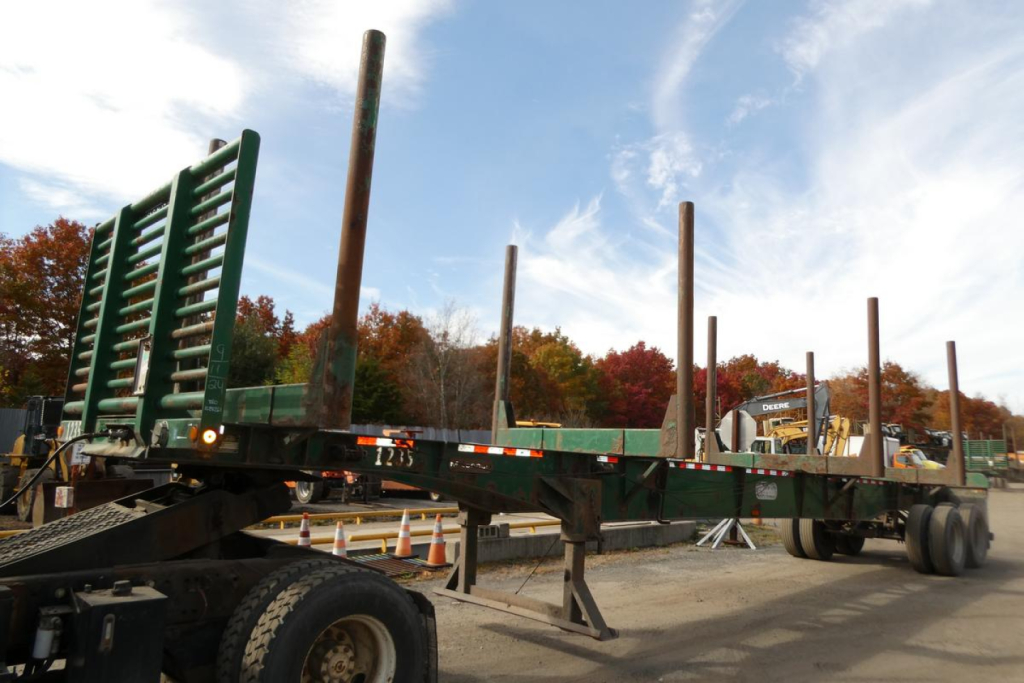
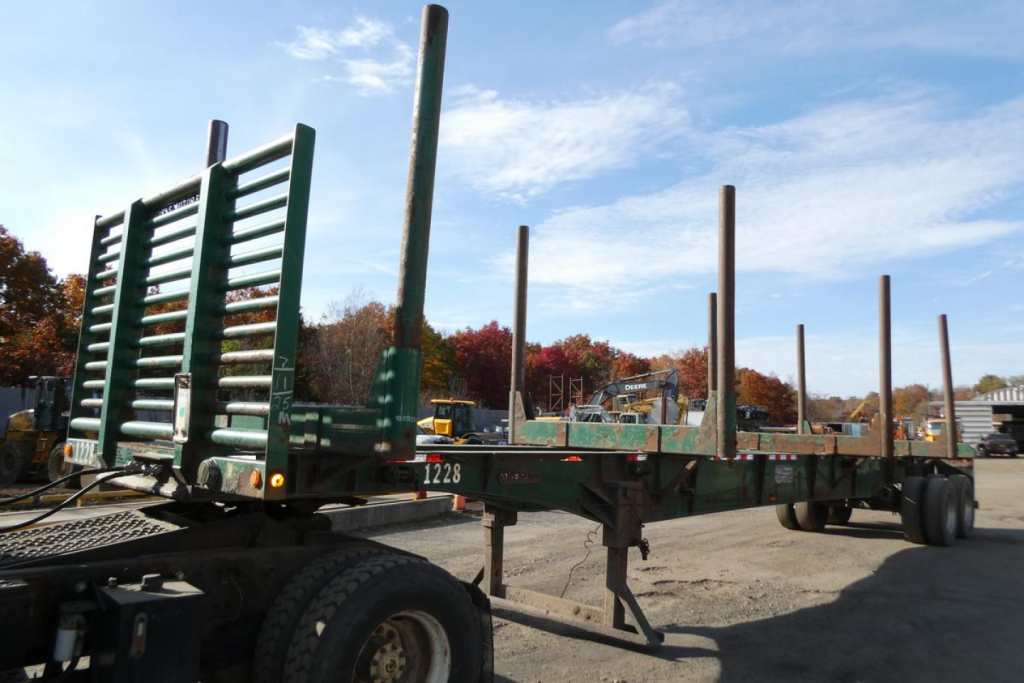
Selling a used mclendon log trailer? List your used mclendon log trailer for sale and reach thousands of commercial buyers.
Used McLendon Log Trailers
Inspect a used timber trailer unloaded for twisted stakes, cracked bunk or bolster welds, kingpin-plate damage, worn suspension hangers, and corrosion beneath trapped bark or debris. Request brake and wheel-end service records, inspect spring pins and bushings, and test air lines and securement hardware rather than relying on a stated brake percentage. Northern road salt, rough forest roads, and seasonal load restrictions make operating history and state or provincial route rules essential buying checks.
Frequently Asked Questions about Used McLendon Log Trailers
Can a McLendon log trailer rated at 80,000 pounds carry 80,000 pounds of logs?
No. A McLendon log trailer's GVWR includes the trailer's own weight plus its load, not just the logs. Determine working payload using a certified empty combination weight, then check gross, axle, tire, bridge, and route limits separately. A high trailer rating does not increase the tractor's ratings or authorize overweight operation.
What securement rules apply to a McLendon logging trailer?
U.S. interstate log hauling must meet the log-specific securement requirements in 49 CFR 393.116. Log length, load orientation, and bunk arrangement determine the applicable requirements; counting winches alone does not establish compliance. Inspect tiedown ratings, anchors, stakes, and tensioning hardware on a used McLendon logging trailer. Canadian operations must follow the applicable provincial cargo-securement requirements.
How do I know whether a used McLendon log trailer will fit my tractor?
Fifth-wheel height, kingpin engagement, and turning clearance are the first compatibility checks for a used McLendon log trailer. Measure cab-to-trailer clearance through the intended articulation range, accounting for the headboard and front log overhang. Confirm landing-gear clearance over the tractor frame, compatible air and electrical connections, and sufficient tractor ratings for the intended combination and axle loading.
Can I move the bunks on a used McLendon log trailer?
Bunk relocation on a McLendon log trailer should follow a manufacturer-approved or engineered mounting plan, not improvised holes or welds in the frame. Moving bunks changes concentrated frame loads, log support, and weight distribution between the kingpin and trailer axles. Before buying a trailer that needs modification, confirm acceptable mounting locations, reinforcement requirements, and compatibility with the intended log lengths.