
Used Trucks For Sale in New Jersey
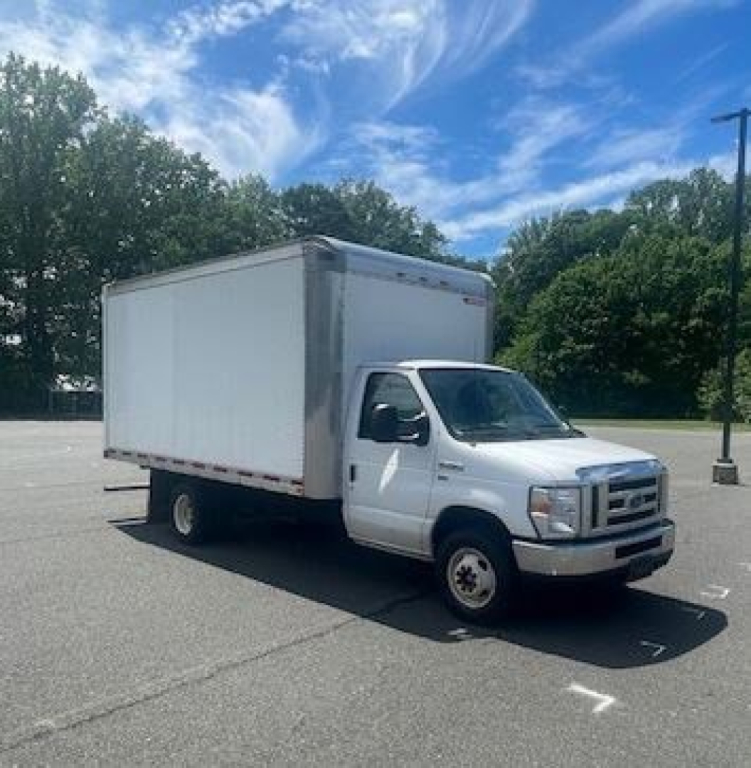
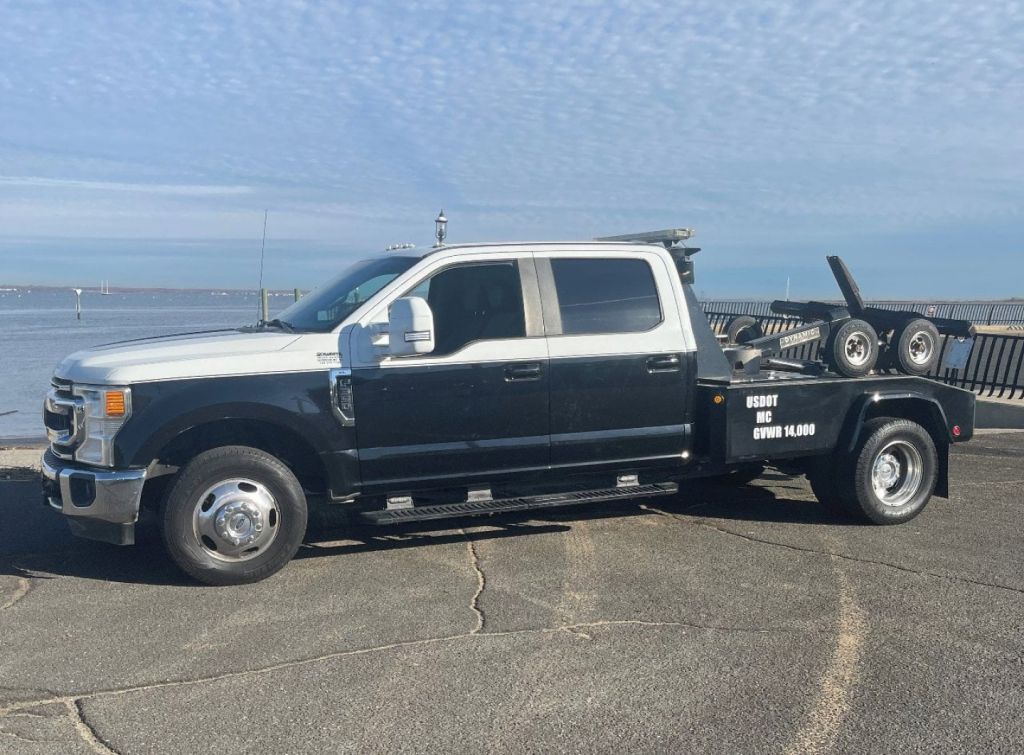
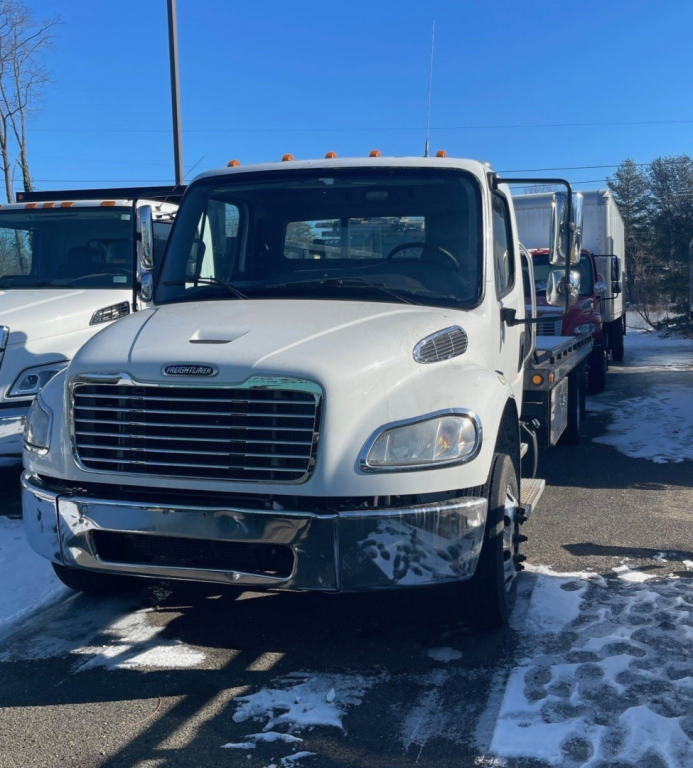
Browse used trucks for sale in New Jersey, including box trucks, pickups, vacuum trucks, and work-ready commercial units.
Learn more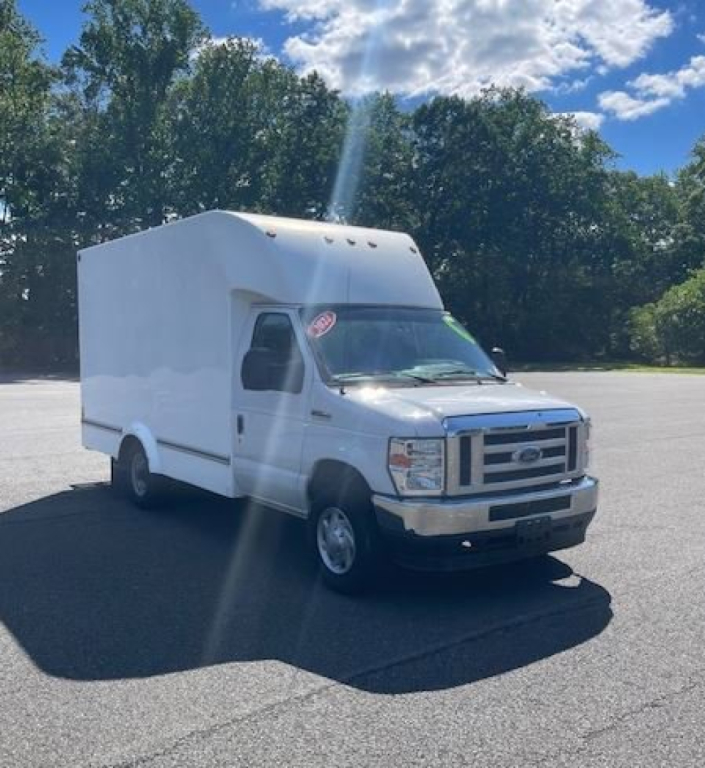

Showing 25 to 36 of 47 results
Have used truck to sell? List it here to reach thousands of buyers.
About Used Trucks in New Jersey
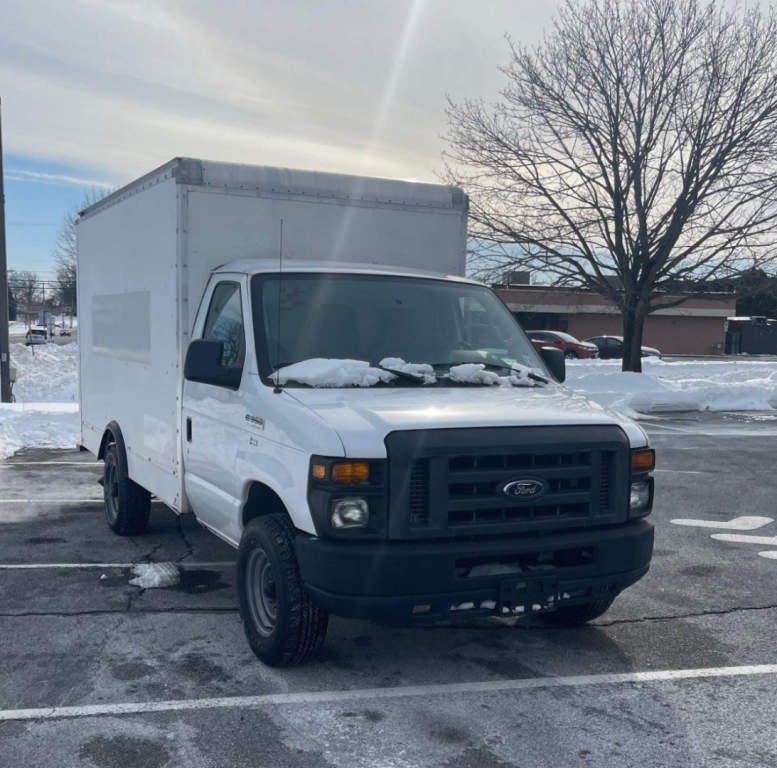
For delivery and route work, medium-duty box trucks such as Hino, Freightliner, Isuzu, Ford, and International models are common. Key buying points include box length, cargo height, liftgate capacity, door configuration, engine hours, and whether the truck falls into a non-CDL weight class. Diesel engines remain common in this segment because they hold up well under stop-and-go commercial use, but transmission type, rear axle ratio, and maintenance history matter just as much. If the truck will operate in tight city streets, wheelbase, turning radius, and cab visibility deserve close attention.
For pickup-based work trucks, buyers usually compare cab configuration, bed length, 2WD versus 4WD, gas versus diesel, and factory towing equipment. A used pickup in commercial service should be evaluated for frame condition, bed wear, suspension sag, brake life, and signs of plow use or repeated trailer hauling. In New Jersey, corrosion is a major consideration on any used truck, especially around cab corners, rocker panels, brake lines, crossmembers, and underbody components exposed to winter road treatment. Service records, tire condition, and evidence of consistent fleet maintenance can tell you more than cosmetic appearance.
Specialty trucks such as vacuum trucks, dump vac units, utility bodies, and other vocational builds require a more technical inspection. Buyers should verify PTO operation, pump condition, tank integrity, hydraulic performance, and the status of any emissions equipment or interlock systems. On any used truck, it is smart to confirm VIN history, engine family, registration class, and body upfit details before purchase. The strongest value usually comes from a truck with clear application fit, documented maintenance, and specs that match the route, payload, and operating environment it will face every day.
Frequently Asked Questions
What should I look for when buying a used truck in New Jersey?
Start with the truck’s intended job, then verify GVWR, payload or towing needs, body type, axle setup, and powertrain. In New Jersey, rust and corrosion are especially important because winter road salt can affect frames, brake lines, suspension parts, crossmembers, and electrical connections. A buyer should also review maintenance records, check for fluid leaks, inspect tire wear for alignment or suspension issues, and confirm that any body equipment, liftgate, PTO, hydraulics, or pump systems operate correctly.
Are diesel or gas used trucks better for commercial use?
Diesel trucks are often preferred for heavier loads, higher annual mileage, and medium-duty or vocational service because they typically offer stronger low-end torque and long service life when maintained properly. Gas trucks can make sense for lighter-duty work, lower annual mileage, and lower upfront cost. The better choice depends on route length, idling time, payload, maintenance budget, and whether the truck will spend most of its time in city traffic, on job sites, or on highway runs.
What is the difference between a non-CDL box truck and a CDL-required truck?
The difference usually comes down to gross vehicle weight rating. Many box trucks are spec'd to stay under the 26,001-pound threshold so they can be operated without a CDL in most standard applications, which can simplify hiring and route staffing. Heavier trucks with higher GVWR, larger bodies, or more payload capacity may require a CDL and sometimes additional endorsements depending on use. Buyers should confirm the specific truck’s GVWR on the door tag and make sure it matches their labor and compliance needs.
How do I evaluate a used vocational truck like a vacuum truck?
A vocational truck should be inspected as both a chassis and a piece of working equipment. Beyond engine, transmission, brakes, and suspension, pay close attention to PTO engagement, pump output, hydraulic functions, tank condition, hose storage, valves, controls, and safety systems. If the truck is built for municipal, sewer, or industrial work, ask about pressure testing, pump service intervals, and any repairs to the tank or boom system. A functional demonstration is far more valuable than a visual inspection alone.
Why does wheelbase matter on a used commercial truck?
Wheelbase affects maneuverability, ride quality, body length compatibility, and weight distribution. A shorter wheelbase is usually better for urban deliveries, tight streets, and crowded job sites, while a longer wheelbase can support larger bodies or improve highway stability. If the truck has a box, service body, dump body, or specialty equipment installed, the wheelbase needs to fit that upfit correctly so axle loading, turning clearance, and overall handling stay within safe operating limits.