
Used 2020 Commercial Trucks For Sale in New Jersey
Browse used 2020 trucks for sale in New Jersey, including box trucks, tow trucks, pickups, and medium-duty work trucks for local and regional use.
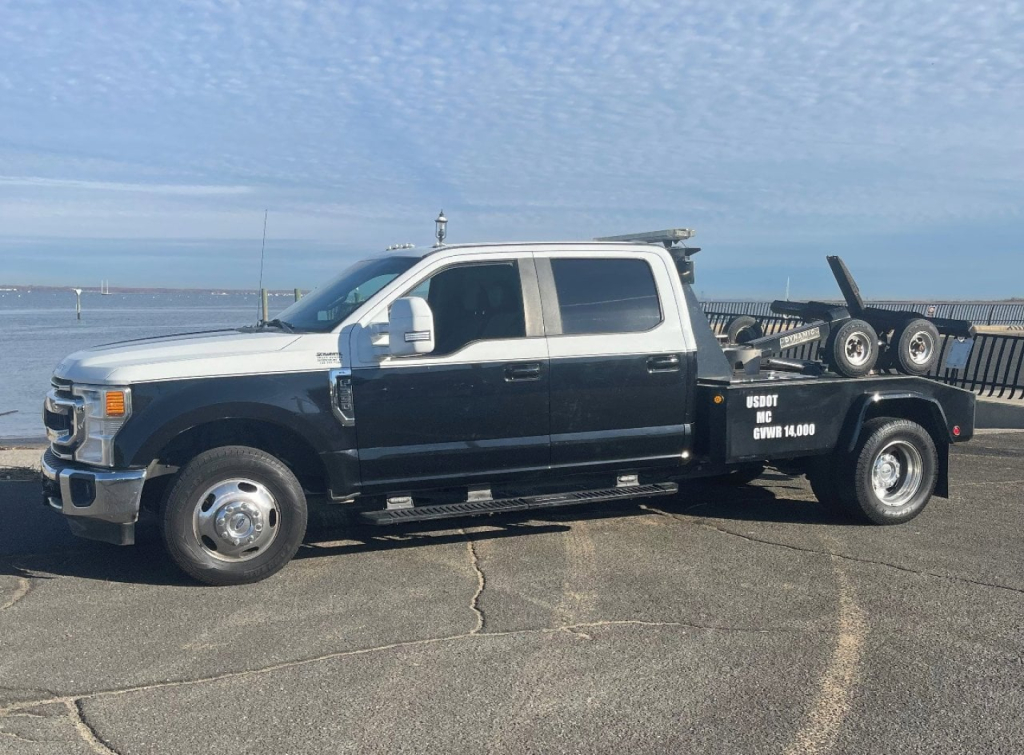
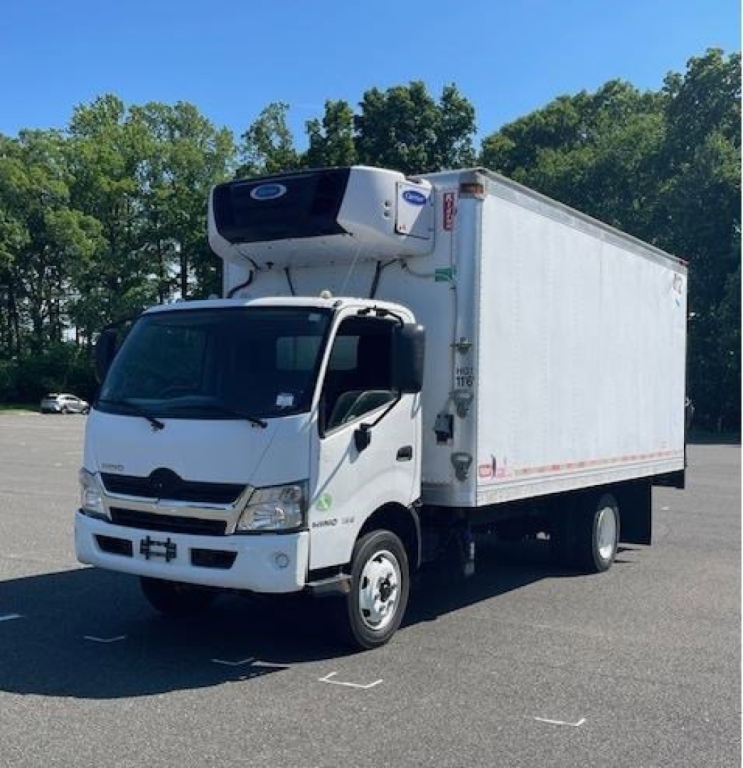

Selling a used 2020 commercial truck? List your used 2020 commercial truck for sale and reach thousands of commercial buyers.
Used 2020 Commercial Trucks in New Jersey
For medium-duty buyers, pay close attention to GVWR, axle ratings, wheelbase, and transmission spec before focusing on appearance. Many 2020 box trucks fall into Class 4 through Class 7, with common diesel engines paired to Allison automatic transmissions, spring suspension, and 16-foot to 26-foot van bodies. If non-CDL operation matters, de-rated or 25,950 GVWR units are especially relevant. Liftgate capacity, body construction, slat lining, cargo logistics, and door configuration can make a bigger difference in day-to-day use than the chassis badge. In tighter Northeast delivery routes, overall length, turning radius, and dock access are practical buying points, especially for urban and suburban service areas across New Jersey.
For vocational and specialty trucks, body equipment often determines value more than the chassis year alone. A 2020 tow truck, mechanic truck, or utility body should be evaluated around PTO operation, hydraulic performance, subframe condition, boom or carrier wear, and service history. On pickup-based work trucks, engine choice, bed setup, towing equipment, four-wheel-drive availability, and cab configuration usually drive buying decisions. Across all types, a used 2020 truck should be reviewed for corrosion exposure, frame condition, brake and tire life, emissions aftertreatment history, and signs of hard fleet use. Trucks that have spent time in snow and salt regions deserve extra scrutiny around crossmembers, fuel and brake lines, electrical connections, and underbody hardware.
New Jersey buyers often balance highway capability with dense local-route practicality, so gearing, horsepower, and cab comfort all matter. Features like power and heated mirrors, backup cameras, cruise control, Bluetooth, and air-ride or premium seating can improve driver retention and reduce fatigue on repeat routes. If the truck will run in metro freight, parcel delivery, building supply, towing, landscaping, or municipal support, match the spec to the duty cycle rather than buying on mileage alone. A well-configured used 2020 truck can deliver a better fit than a newer but poorly spec'd unit, especially when payload, body equipment, and operating cost line up with the work.
Frequently Asked Questions about Used 2020 Commercial Trucks in New Jersey
What should I look for first when buying a used 2020 truck in New Jersey?
Start with the truck’s intended job, then verify the core chassis and body specifications. GVWR, axle ratings, wheelbase, engine, transmission, and body type should match the payload, route length, and licensing requirements for your operation. In New Jersey, buyers should also inspect for rust and corrosion from winter road treatment, especially on frames, crossmembers, brake lines, wiring, and body mounts. Service records, emissions system history, tire condition, and brake life are also important on a 2020 model.
Is a 2020 truck a good balance between price and modern features?
For many buyers, yes. A 2020 truck is typically new enough to offer updated cab ergonomics, better safety technology, and solid parts support, while still coming in below the cost of newer late-model equipment. That can make it attractive for fleets replacing older units or owner-operators trying to control capital cost. The real value depends on specification, maintenance history, and application, not just the model year.
What matters most on a used 2020 box truck?
On a box truck, the key factors are GVWR, body length, liftgate capacity, door style, and the engine-transmission combination. Many buyers also focus on whether the truck is non-CDL compliant, especially in the 25,950 GVWR range. Check the body interior for wall damage, floor wear, leaks, and evidence of heavy forklift use. A strong chassis spec paired with the wrong body setup can still be a poor fit for delivery, moving, or route work.
How do I evaluate a used 2020 vocational truck like a tow truck or service truck?
The body equipment and hydraulic systems need as much attention as the truck itself. On a tow truck, inspect the wrecker or carrier assembly, PTO function, winches, cylinders, controls, and subframe for wear or repairs. On service and utility trucks, look at compartment condition, crane or compressor operation if equipped, and signs of overload or frame stress. A clean engine and cab do not make up for worn vocational equipment, because body repairs and hydraulic work can be expensive.
Does mileage matter more than spec on a used 2020 truck?
Mileage matters, but specification and maintenance history usually matter more. A higher-mileage truck with the right GVWR, correct body, documented service, and good drivetrain health can be a better buy than a lower-mileage unit that is poorly matched to the work. For local delivery and vocational applications, idle hours, PTO hours, route type, and maintenance quality often tell you more than the odometer alone. Buyers should look at total operating condition, not just the mileage figure.