
Used Cab and Chassis Trucks For Sale in New Jersey
Browse used cab and chassis trucks in New Jersey. Compare wheelbases, GVWR, engine options, PTO setup, and body-ready specs by application.
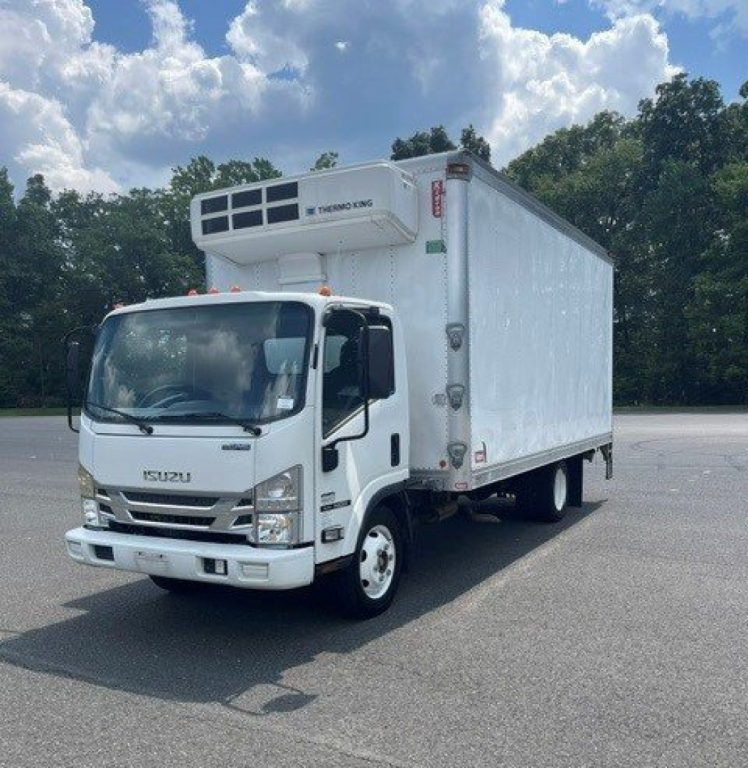
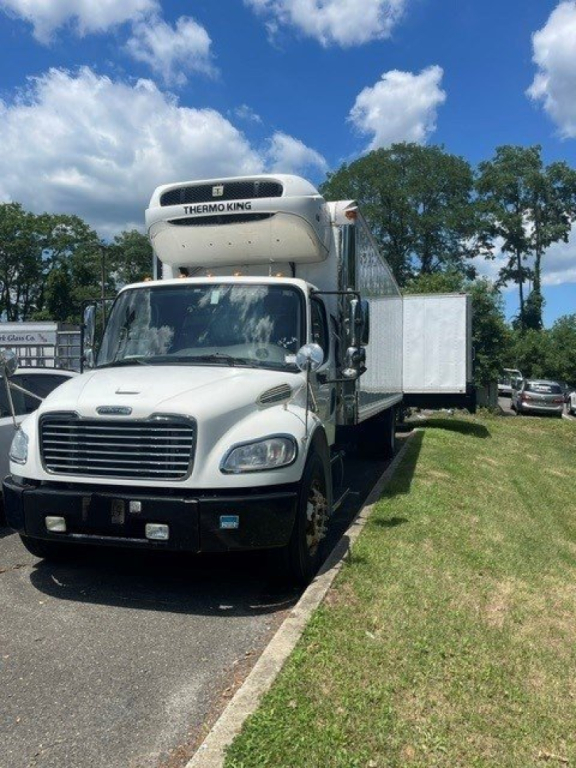
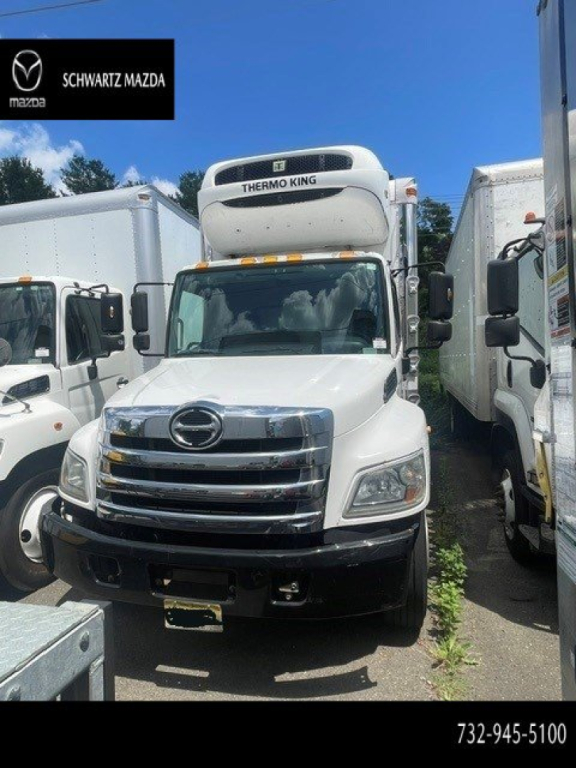
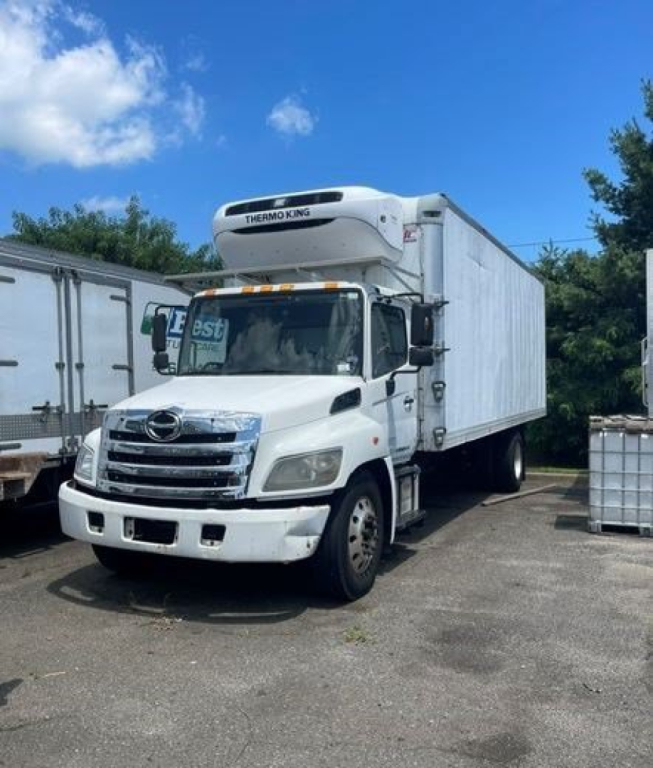

Selling a used cab and chassis truck? List your used cab and chassis truck for sale and reach thousands of commercial buyers.
Used Cab and Chassis Trucks in New Jersey
Wheelbase and GVWR are usually the first hard specs to confirm. A shorter wheelbase is easier to maneuver in dense urban areas and tighter job sites, while a longer wheelbase supports larger van bodies, stake bodies, and equipment installations. Light and medium-duty cab and chassis trucks commonly range from Class 3 through Class 7, with gasoline and diesel power both well represented. Gas models are common in local delivery and contractor work where lower upfront cost and simpler emissions systems matter. Diesel models are often preferred for heavier payloads, PTO use, and higher annual miles. Buyers should also verify cab-to-axle measurement, frame rail condition, axle ratio, suspension type, and whether the truck is already drilled or reinforced for a prior body.
For New Jersey operators, application matters as much as brand. Urban routes around Newark, Jersey City, and the Turnpike corridor reward tight turning radius, automatic transmissions, and body configurations that stay legal on bridge and street restrictions. Shore, utility, and municipal work may put more emphasis on corrosion resistance, especially on older frames exposed to winter road salt. A careful used-truck inspection should include crossmembers, spring hangers, fuel and brake lines, electrical pass-throughs, PTO provisions, and any signs of frame modification. If the truck previously carried a box, dump, or service body, inspect for mounting holes, fish plates, and wiring repairs that could affect the next upfit.
The best used cab and chassis truck is the one that fits the body without forcing compromises. Buyers typically compare engine hours and mileage alongside transmission type, rear axle rating, front axle capacity, tire size, brake setup, and available PTO or upfitter switches. Common platforms in this category include cutaway-based units for smaller commercial bodies and conventional cab and chassis trucks for heavier vocational work. Also known as body-ready trucks or chassis cabs, these units are purchased for what they can become. Matching the chassis to the final body, payload, and route profile is what determines long-term value.
Frequently Asked Questions about Used Cab and Chassis Trucks in New Jersey
What is the difference between a cab and chassis truck and a cutaway truck?
A cab and chassis truck typically has a complete front cab with exposed frame rails behind it, built to accept bodies such as dumps, flatbeds, van bodies, utility bodies, or hooklifts. A cutaway usually starts with a van-style front section and is commonly used for box vans, shuttle buses, small service bodies, and delivery applications. The right choice depends on payload, body type, and service access needs. Conventional cab and chassis units usually offer higher GVWR options and broader vocational upfit flexibility.
Which specs matter most when buying a used cab and chassis truck?
The most important specs are GVWR, cab-to-axle length, wheelbase, axle ratings, frame condition, engine type, transmission, and PTO compatibility. These determine whether the truck can legally and safely carry the body and payload you plan to install. Buyers should also check suspension type, axle ratio, brake system, tire capacity, and any previous body-mount modifications. A mismatch in cab-to-axle or rear axle rating can turn an otherwise solid truck into an expensive upfit problem.
Is diesel or gas better for a used cab and chassis truck?
Gas engines often make sense for lighter-duty local work, lower annual mileage, and fleets that want simpler maintenance and lower acquisition cost. Diesel engines are usually favored for heavier payloads, longer service life under load, PTO-driven equipment, and higher-mileage applications. The better choice depends on body weight, route profile, idle time, and emissions system tolerance. In a used truck, service history and current condition are often more important than fuel type alone.
How do I know if a used cab and chassis will accept the body I need?
Start with the body manufacturer's required cab-to-axle, wheelbase, frame width, and axle capacity. Then compare those requirements to the truck’s actual chassis dimensions and ratings. Confirm there is enough frame length for mounting, enough front and rear axle capacity for the finished build, and proper clearance for toolboxes, liftgates, hoists, or hydraulic components. If the truck had a prior body, inspect the frame for alterations that may affect mounting or compliance with the new body install.
What should New Jersey buyers inspect closely on a used chassis cab?
Rust and corrosion should be high on the checklist, especially on frame rails, crossmembers, brake and fuel lines, battery boxes, spring mounts, and electrical connections. New Jersey road salt and coastal conditions can accelerate corrosion on vocational trucks. Buyers should also confirm state-specific registration and weight class needs, and make sure the truck’s axle and GVWR ratings align with local operating requirements. A good underbody inspection is just as important as checking the engine and transmission.