
Used 2019 Cab and Chassis Trucks For Sale in New Jersey
Browse used 2019 cab and chassis trucks in New Jersey. Compare wheelbases, GVWR, engine options, and body-ready configurations.
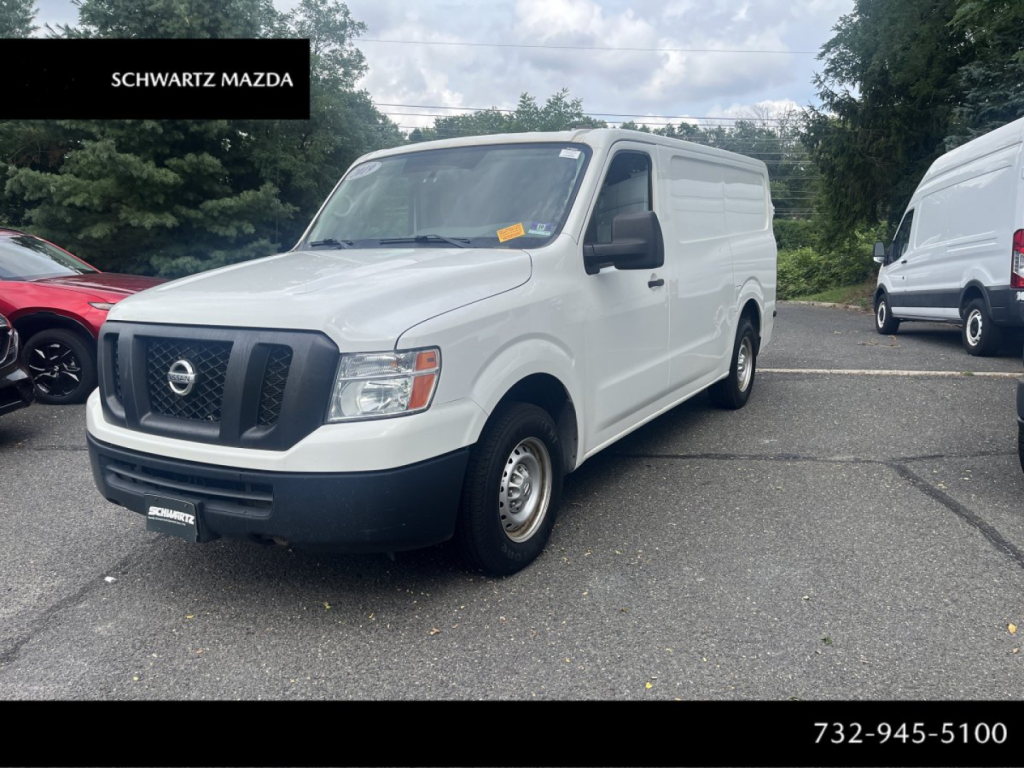
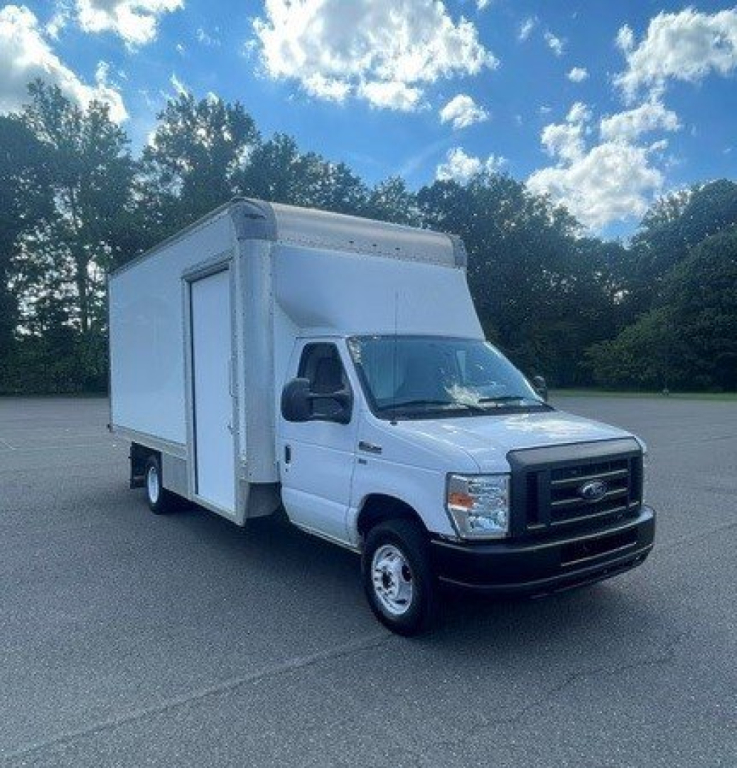

Have used 2019 cab and chassis truck to sell? List it here to reach thousands of buyers.
Used 2019 Cab and Chassis Trucks in New Jersey
In New Jersey, application matters because these trucks are often worked in dense urban corridors, short regional routes, and municipal or contractor duty cycles. That makes turning radius, cab style, and overall length especially important. Class 3 to Class 5 cab and chassis models are common for parcel, telecom, plumbing, HVAC, and light towing work, while Class 6 to Class 8 chassis are more often set up for dumps, hooklifts, wreckers, and heavier vocational bodies. Diesel engines dominate the medium-duty side, but gasoline-powered cutaway and stripped chassis units remain relevant for lighter delivery and service applications where lower upfront maintenance complexity is a priority.
A serious buyer should look closely at axle configuration, suspension, transmission type, and frame condition before focusing on cosmetics. Automatic transmissions are common in 2019 units, especially in metro delivery and service fleets, while heavier vocational chassis may pair an automatic or automated manual with PTO-ready options. Check for frame drilling history, corrosion around body mounts and crossmembers, signs of overload, and whether the truck was ordered with upfitter switches, trailer brake provisions, wheel-end specifications, and the correct fuel tank placement for your intended body. If the truck already carries a body, verify whether the current upfit can be removed cleanly or repurposed without compromising wheelbase or weight distribution.
For buyers comparing used 2019 cab and chassis trucks for sale in New Jersey, the smartest approach is to start with GVWR and body plan, then narrow by engine platform, wheelbase, and service history. Ford E-Series and Transit cutaway variants are common on the lighter end, while Kenworth, Hino, Freightliner, International, Chevrolet, GMC, Ram, and Isuzu all appear depending on class and intended use. A well-matched cab and chassis can be one of the most flexible assets in a fleet, but only if the chassis specs support the body, payload, and route demands from day one.
Frequently Asked Questions about Used 2019 Cab and Chassis Trucks in New Jersey
What should I check first on a used 2019 cab and chassis truck?
Start with GVWR, wheelbase, and cab-to-axle measurement because those dimensions determine what body the truck can accept. After that, confirm rear axle rating, frame condition, PTO capability if needed, and whether the suspension and tire capacity support your planned payload. These basic chassis specs matter more than appearance because an otherwise clean truck can still be a poor fit for the body or work cycle you need.
What bodies are commonly installed on a cab and chassis truck?
Cab and chassis trucks are commonly upfitted with dump bodies, utility bodies, dry van bodies, reefer bodies, flatbeds, landscape dumps, stake bodies, service bodies, and tow bodies. The right body depends on frame length, axle capacity, fuel tank placement, and desired weight distribution. Buyers should confirm that the chassis dimensions and ratings match the exact body design rather than assuming all medium-duty frames accept the same upfit.
Is a 2019 cab and chassis truck a good choice for New Jersey fleet work?
A 2019 model year can be a strong fit for New Jersey operations because it is new enough to offer modern powertrains, automatic transmission availability, and updated safety features, while still being more affordable than newer replacements. For urban and suburban routes, buyers should pay extra attention to turning radius, brake condition, idle history, and corrosion from road salt exposure. Service records are especially important in this market because stop-and-go use can accelerate wear.
Are diesel or gas engines better in a used cab and chassis truck?
Diesel engines are typically preferred in medium-duty and heavier vocational applications because they deliver stronger torque, better performance under load, and good durability in high-mileage use. Gas engines still make sense in lighter cutaway and chassis cab applications where routes are shorter, payloads are lower, and maintenance simplicity matters more than maximum pulling power. The better choice depends on body weight, annual miles, idle time, and whether the truck will spend most of its life in local delivery or heavier vocational service.
Why do wheelbase and cab-to-axle measurements matter so much?
Wheelbase and cab-to-axle measurements determine where a body can be mounted and how the load will sit over the axles. If these dimensions are wrong, the body may not fit properly, rear overhang may be excessive, or weight distribution may push an axle over its legal rating. Buyers planning an upfit should verify these measurements early because they affect body cost, installation time, drivability, and long-term compliance.