
Used Trucks For Sale in Massachusetts
Used trucks for sale in Massachusetts. Learn key specs, gearing, corrosion checks, and winter-ready features for New England routes.
Learn more
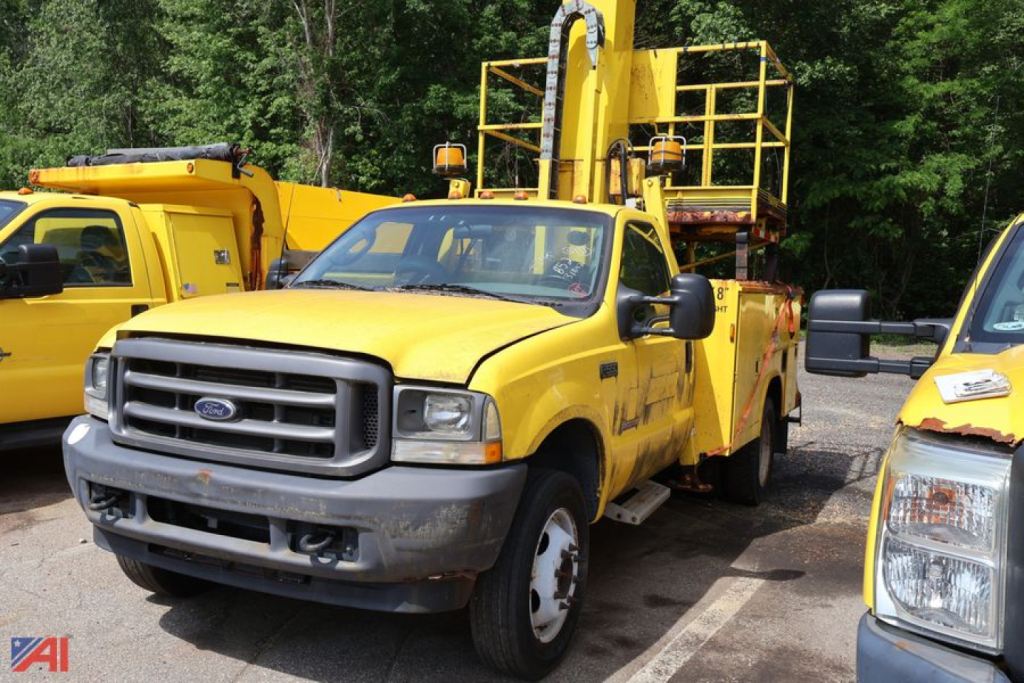
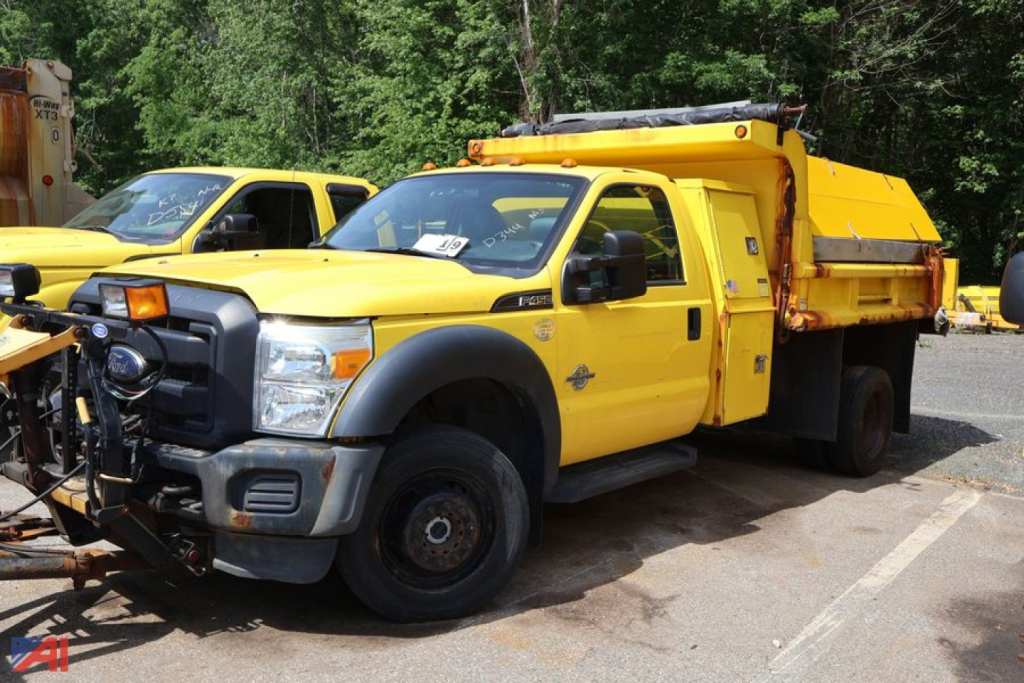
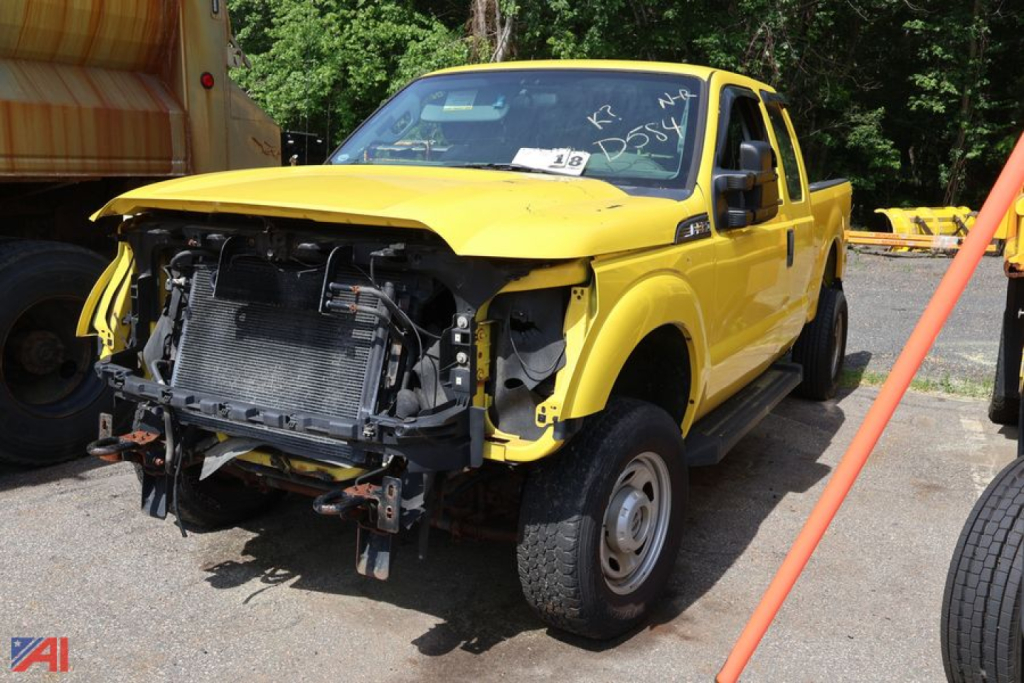
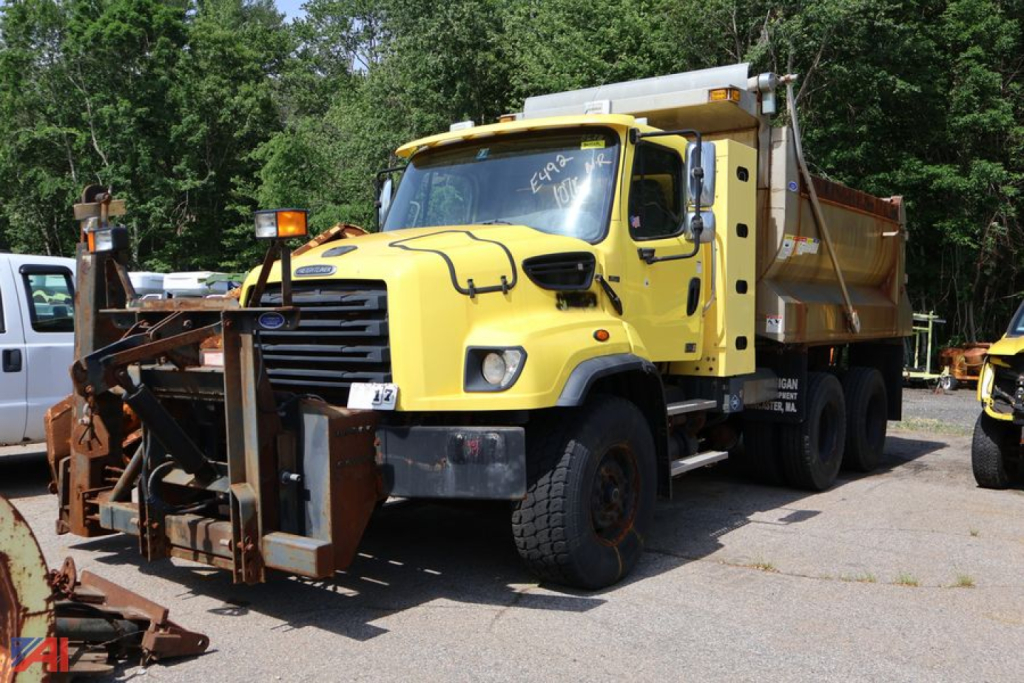
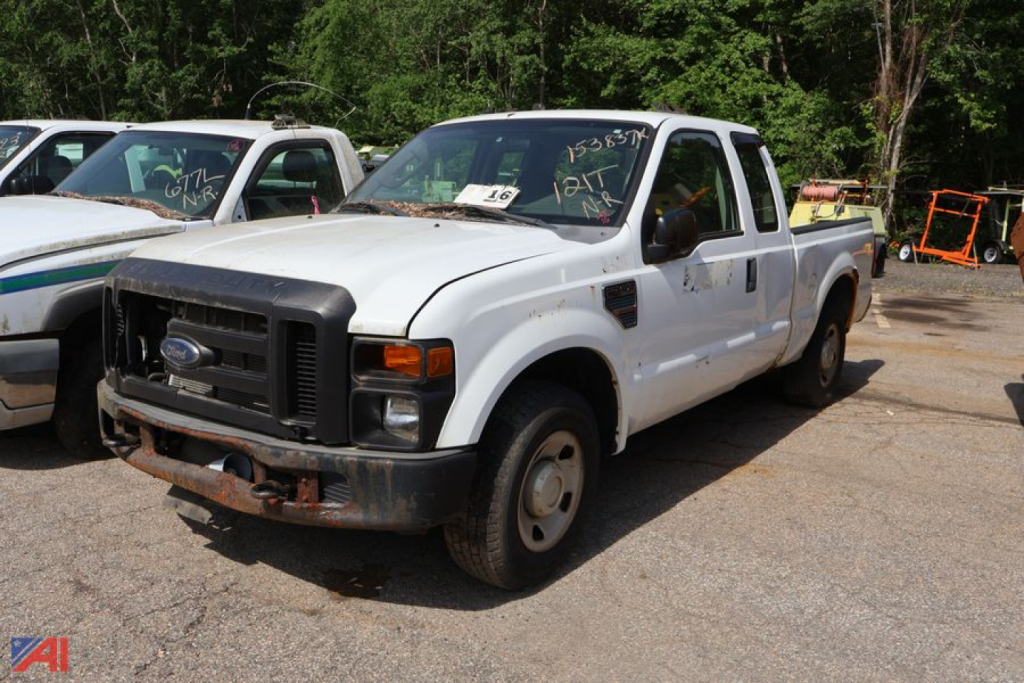
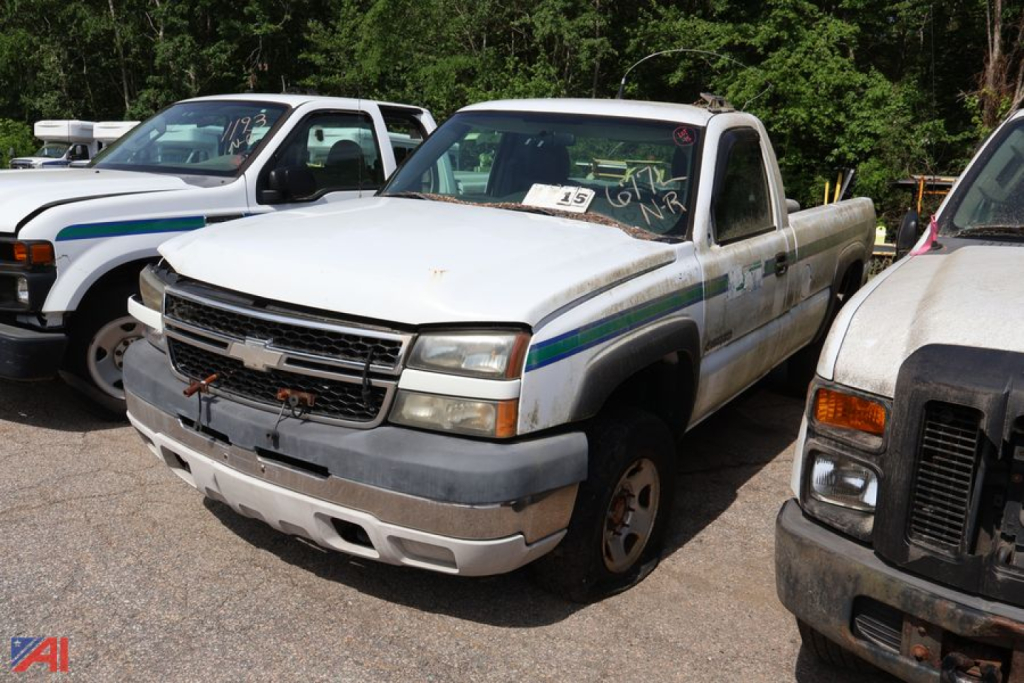
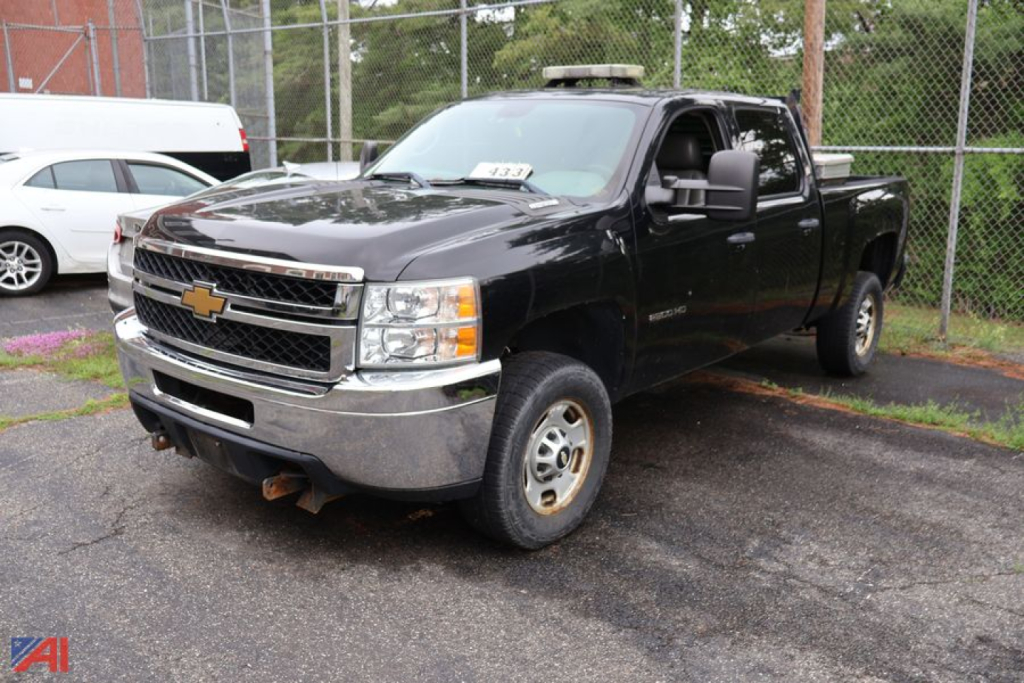
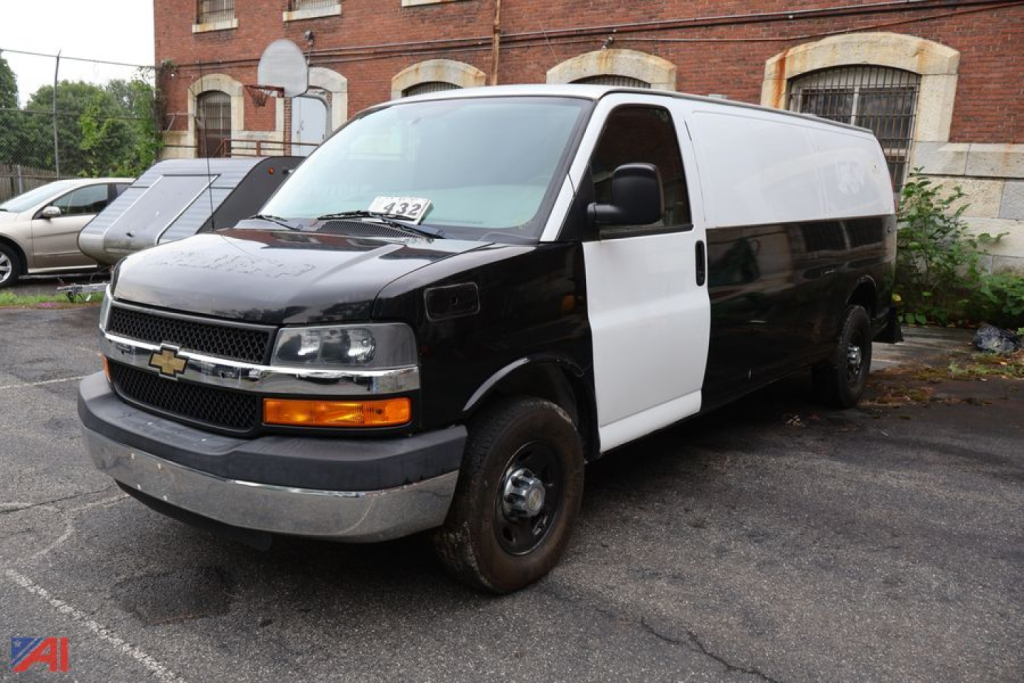
Showing 25 to 36 of 45 results
Have used truck to sell? List it here to reach thousands of buyers.
About Used Trucks in Massachusetts
Cold-weather and corrosion readiness matter on trucks that have lived through New England winters. Inspect frame rails, crossmembers, suspension hangers, brake and fuel lines, DEF tanks and brackets, battery boxes, cab mounts, and electrical connectors for rust bloom and scaling. Ask for DPF service intervals, SCR component replacements, and NOx sensor history. High idle hours can load up aftertreatment even when mileage looks low. Winter-friendly specs like block heaters, heated mirrors, air dryers with good desiccant, fuel heaters, and strong cold-cranking batteries reduce downtime. Look for sealed wiring, aluminum or stainless components, quality undercoating, and intact fender and splash protection to slow future corrosion.
Match configuration to the job. Sleeper and day cab tractors from brands like Freightliner, Volvo, Kenworth, Peterbilt, International, and Mack are common for Northeast regional and long haul. Medium-duty box trucks in the 18 to 26 foot range with 102 inch bodies, liftgates, and curbside doors fit older docks around Boston, Worcester, and Springfield. Reefers need documented hours and recent PMs on the unit for seafood, grocery, and pharma lanes. Dump, plow, and mixer trucks benefit from double-frames or inserts, 16k to 20k steer axles, 40k to 46k rears, full locking diffs, and central hydraulics. Air ride shines on linehaul for cargo protection; heavy spring or walking beam suspensions take abuse off road. Keep an eye on wheelbase for maneuverability in tight streets, fifth wheel height to match regional trailers, disc versus drum brake preferences, and tire choices that balance snow traction with rolling resistance.
Plan for total cost and compliance. Aero fairings, low-rolling-resistance tires, and optimized cruise speed help on I-90 and I-95. APUs or bunk heaters keep drivers comfortable and help meet the 5-minute Massachusetts idling limit, which also lowers regen frequency. Verify ABS function, dash warnings, and that the truck is ready for state safety and emissions inspection. For CDL thresholds, confirm GVWR and brake type on medium-duty units. Pull ECM reports, oil samples, and alignment records; check kingpins, fifth wheel lock, driveline U-joints, and steer and drive tire wear. For urban delivery, prioritize shorter wheelbase, good visibility, cameras or sensors, and liftgate capacity that matches your heaviest freight. Align your choice with bridge postings, seasonal weight limits, and the realities of New England weather to keep uptime high.
Frequently Asked Questions
What axle ratio works best for Massachusetts routes?
For mostly highway miles on the Mass Pike or I-95, a taller ratio in the 2.26 to 2.64 range with a 12-speed AMT optimizes fuel economy. Regional hauls with frequent grades or stop-and-go do better with 2.79 to 3.08 for stronger launch and hill performance. Vocational trucks that spend time off road or under load commonly run 3.55 to 4.10 with deep-reduction gears. Always pair ratio with tire size, transmission, typical cruise speed, and required startability.
How should I evaluate corrosion on a used Massachusetts truck?
Look beyond surface rust. Inspect frame flanges and crossmembers for scale and swelling, spring hangers and fifth wheel angles, brake and fuel hard lines, electrical harnesses and connectors, DEF and DPF brackets, cab mounts, battery boxes, and radiator supports. Check aluminum cab corners for blistering from dissimilar metals. Verify undercoating quality and look for fresh paint that may hide repairs. A borescope into frame rails and removal of a few harness wraps can reveal trouble spots caused by road salt.
Do I need an APU or bunk heater for operation in Massachusetts?
They are highly useful. Massachusetts enforces a 5-minute anti-idling limit, so an APU or diesel-fired bunk heater keeps drivers comfortable without running the engine. This reduces fuel burn, noise, and soot accumulation that can increase DPF regens. If you run hotel loads like microwaves or HVAC overnight, a full APU is ideal; for heat-only needs, a bunk heater is a lighter, lower-cost option.
What emissions system checks are smart before buying used?
Ask for documented DPF cleanings or replacements, recent regen history, and any SCR or DEF system repairs such as doser valves, pumps, heaters, or NOx sensors. Scan for fault codes and look at aftertreatment inlet and outlet temperature sensors. Inspect DEF quality and tank contamination, examine clamps and flex joints for leaks, and confirm there are no derate histories. A road test to full operating temperature helps ensure the system completes passive or commanded regens properly.
What specs help with urban deliveries around Boston?
A shorter wheelbase day cab or a cab-over medium-duty improves turning in tight streets. Pair a 102 inch wide box with a curbside door and a tuck-under or rail liftgate sized for your heaviest pallets. Consider wide-angle mirrors, cameras or proximity sensors, and good visibility from a set-back axle. Gear ratios in the mid 2.79 to 3.25 range with an AMT provide smooth low-speed control. If working under municipal contracts, check for any side guard or safety equipment requirements.