
Used Cargo Van Trucks For Sale in Massachusetts
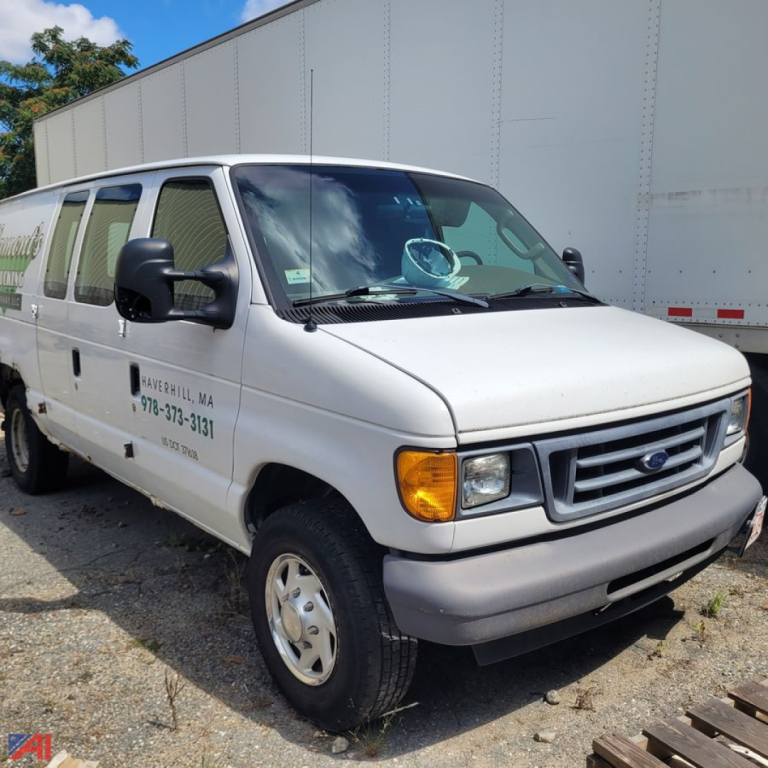
Have used cargo van truck to sell? List it here to reach thousands of buyers.
Used Cargo Van Trucks in Massachusetts
On used cargo vans, body layout matters as much as the chassis. Common setups include single or dual sliding side doors, 60-40 rear swing-out doors, full bulkheads, ladder racks, shelving packages, and inverter-ready electrical systems. A longer wheelbase increases cubic capacity and shelving length, but it also affects turning radius and curbside maneuverability in dense areas like Boston, Cambridge, and older industrial corridors. Buyers should also look closely at rear door opening height, floor condition, tie-down points, and signs of heavy commercial use around hinges, step-in areas, and partition mounts.
Powertrain and GVWR should match the work. Half-ton and lighter-duty vans can handle general parcel and light service work, while 2500, 350, and 3500 class vans are better suited for heavier payloads, upfit interiors, and daily stop-and-go operation. Gas engines remain common in this class because they are familiar to maintain and perform well in short-route duty cycles, though some fleets prioritize diesel for torque and highway mileage. On any used unit, pay attention to transmission behavior, idle quality, brake wear, suspension condition, and corrosion on rocker panels, door bottoms, underbody crossmembers, and rear floor seams, especially in New England where winter road salt accelerates rust.
A good used cargo van should fit the route, the driver, and the equipment load without wasting space or carrying unnecessary operating cost. Buyers comparing used cargo vans for sale in Massachusetts should verify interior dimensions, roof clearance, rear axle rating, and any existing upfit value before focusing only on price and mileage. Service history, tire condition, telematics wiring, and previous fleet use can tell you as much about remaining life as the odometer. In this category, the best value usually comes from a van with the right body configuration, a clean maintenance record, and an interior already set up for the job.
Frequently Asked Questions about Used Cargo Van Trucks in Massachusetts
What should I look for first when buying a used cargo van?
Start with the van’s intended job. Interior cargo length, roof height, payload rating, and door access will determine whether the unit actually fits your route and equipment. After that, inspect service records, transmission operation, brake condition, tire wear, and rust areas such as rocker panels, door bottoms, underbody components, and rear floor seams. On an upfitted van, check the quality of shelving installation, bulkhead mounting points, ladder rack wear, and any auxiliary wiring for lights, inverters, or telematics.
Which used cargo van models are common in Massachusetts?
Common used cargo van models in Massachusetts include the Ford Transit, Ford E-Series vans such as the E150 and E250, and the GMC Savana or Chevrolet Express platform. The Transit is often favored for modern body configurations, multiple roof heights, and flexible wheelbase choices. The Savana and older E-Series vans remain popular for straightforward serviceability, familiar gas powertrains, and durable full-frame construction in commercial fleet use.
Is a high-roof cargo van better than a low-roof model?
A high-roof cargo van is better when technicians need to move around inside the body, access shelving quickly, or carry taller equipment without sacrificing floor space. A low-roof van can be the better choice for parking garages, older urban areas, and fleets that prioritize easier entry clearance and slightly simpler loading. The right choice depends on route environment, cargo profile, and how much time drivers spend working inside the van rather than just loading and unloading.
How important is mileage on a used cargo van truck?
Mileage matters, but it should not be viewed alone. A higher-mileage van with documented maintenance, clean transmission performance, and a solid rust profile can be a better buy than a lower-mileage van with poor fleet care or severe corrosion. Idle hours, stop-and-go duty cycles, repeated heavy payload use, and neglected fluid service often affect long-term durability as much as the odometer reading. Condition, maintenance history, and previous application usually give a clearer picture of value.
What payload class should I choose in a used cargo van?
Choose the payload class based on the combined weight of tools, shelving, technicians, parts, and any roof-mounted equipment. Lighter-duty vans are fine for general deliveries and basic service work, but heavier 2500, 350, or 3500 class vans are usually the better fit for plumbers, electricians, HVAC fleets, and municipal departments carrying dense loads every day. Buyers should compare GVWR, rear axle rating, and available cargo volume together, because a van with plenty of space may still be limited by weight capacity.