
Used Cargo Van Trucks For Sale
Browse used cargo van trucks for delivery, service, and trades. Compare roof height, wheelbase, payload, access, and drivetrain options.
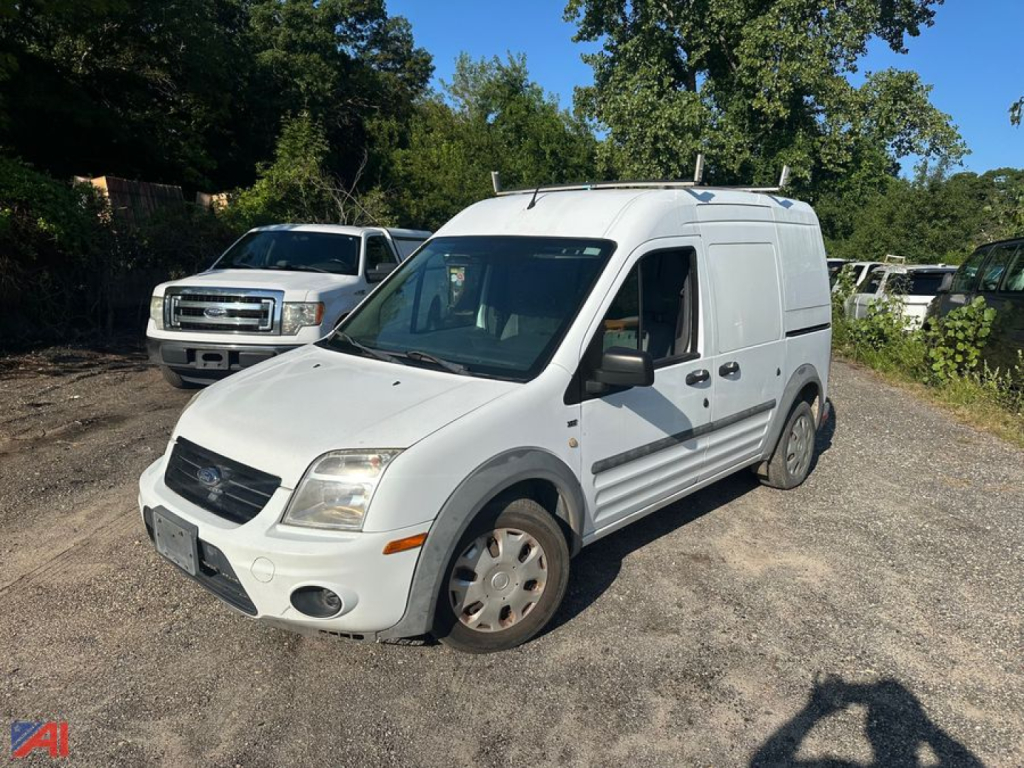
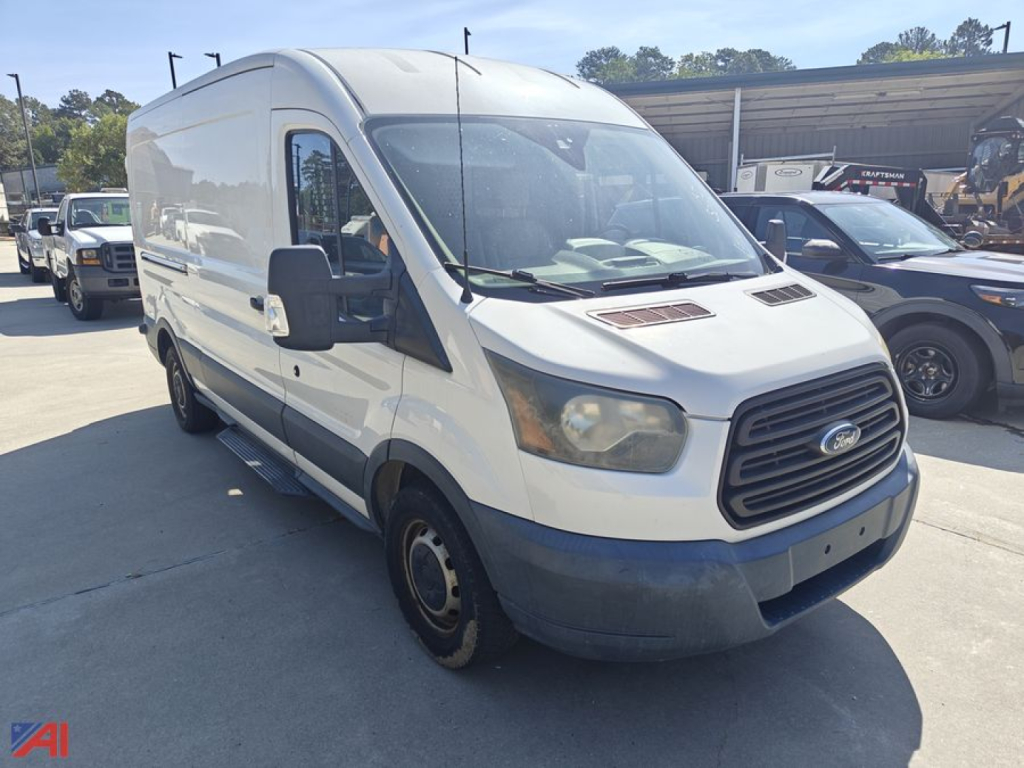
Have used cargo van truck to sell? List it here to reach thousands of buyers.
Used Cargo Van Trucks
A typical used cargo van in this class may be equipped with a gas or diesel engine, automatic transmission, rear-wheel drive, front-wheel drive, or all-wheel drive depending on the make and application. Payload ratings vary widely by series, so it is important to match the van to the job rather than shop by badge alone. Light-duty configurations work well for city delivery and technician fleets, while heavier setups are better for dense upfits and constant stop-and-go service. Interior dimensions matter just as much as GVWR. Standing room in a high-roof van can improve technician productivity, while a low-roof van may be a better fit for parking garages, urban routes, and height-restricted loading areas.
Used-condition evaluation should focus on more than mileage. Cargo vans often spend their lives idling, running short routes, and carrying permanently installed upfits, so service history, idle hours if available, suspension condition, brake wear, and door hardware are all worth checking closely. Inspect the cargo area for floor damage, wall punctures, corrosion, water intrusion, and signs of hard loading. If the van has shelves, ladder racks, bulkheads, inverter systems, or interior lighting, those additions can add real value when they match your trade, but they can also reduce usable space or indicate concentrated wear. Tire condition, alignment, roof damage, and the operation of sliding and rear doors are especially important on high-cycle fleet units.
For buyers comparing listings, the best used cargo van truck is the one that fits the route, upfit, and total operating cost target. Consider turning radius, load floor height, fuel economy, maintenance access, and the availability of replacement parts in your region. Fleets running dense urban routes may prioritize compact exterior dimensions and easy curbside entry, while service contractors may need taller rooflines, onboard power, and stronger alternator output for tools and equipment. A well-matched cargo van can lower theft exposure, protect tools and freight, and deliver a cleaner professional appearance at customer sites than many open-body alternatives.
Frequently Asked Questions about Used Cargo Van Trucks
What should I look for first when buying a used cargo van truck?
Start with the van’s interior dimensions, payload rating, and door configuration. Those three factors determine whether it can actually handle your shelves, tools, parts inventory, carts, or delivery volume. After that, review service records, inspect the cargo area for structural wear, and check the condition of sliding doors, rear hinges, brakes, suspension, and tires. Many used cargo vans see heavy stop-and-go use, so overall duty cycle matters as much as odometer mileage.
What is the difference between a low-roof and high-roof cargo van?
A low-roof cargo van is easier to park, fits more garages and height-restricted routes, and often works well for urban delivery. A high-roof cargo van provides more standing room and better vertical storage potential, which can improve efficiency for service technicians and trade upfits. The tradeoff is overall height, potential wind sensitivity, and route limitations where clearances are tight. The right choice depends on where the van operates and how often workers need to move inside the cargo area.
Are used cargo vans good for contractor and service fleet use?
Yes, used cargo vans are a common choice for contractor and service work because they offer enclosed storage, good maneuverability, and flexible upfit options. Shelving packages, ladder racks, partitions, power inverters, and work lighting can turn a basic cargo van into a mobile workshop. Buyers should confirm that any existing upfit matches the intended trade and has been installed cleanly, without wiring issues, floor damage, or corrosion hidden behind panels.
How important is drivetrain choice in a used cargo van?
Drivetrain choice affects traction, serviceability, and cargo packaging. Rear-wheel drive is often favored for heavier payloads and traditional work use. Front-wheel drive can offer a lower load floor and efficient packaging for urban operation. All-wheel drive is valuable for snow, wet job sites, and mixed road conditions. The best setup depends on climate, route type, expected payload, and how much importance you place on traction versus simplicity and maintenance cost.
Do miles tell the whole story on a used cargo van?
No. A cargo van with moderate miles may still have significant wear if it spent years idling, making short trips, or operating fully loaded with a dense upfit. Door hardware, seat wear, brake condition, suspension fatigue, electrical add-ons, and the state of the cargo floor often reveal how hard the unit was used. Maintenance records and a careful inspection usually tell you more than mileage alone.