
Used Cargo Van Trucks For Sale in New York
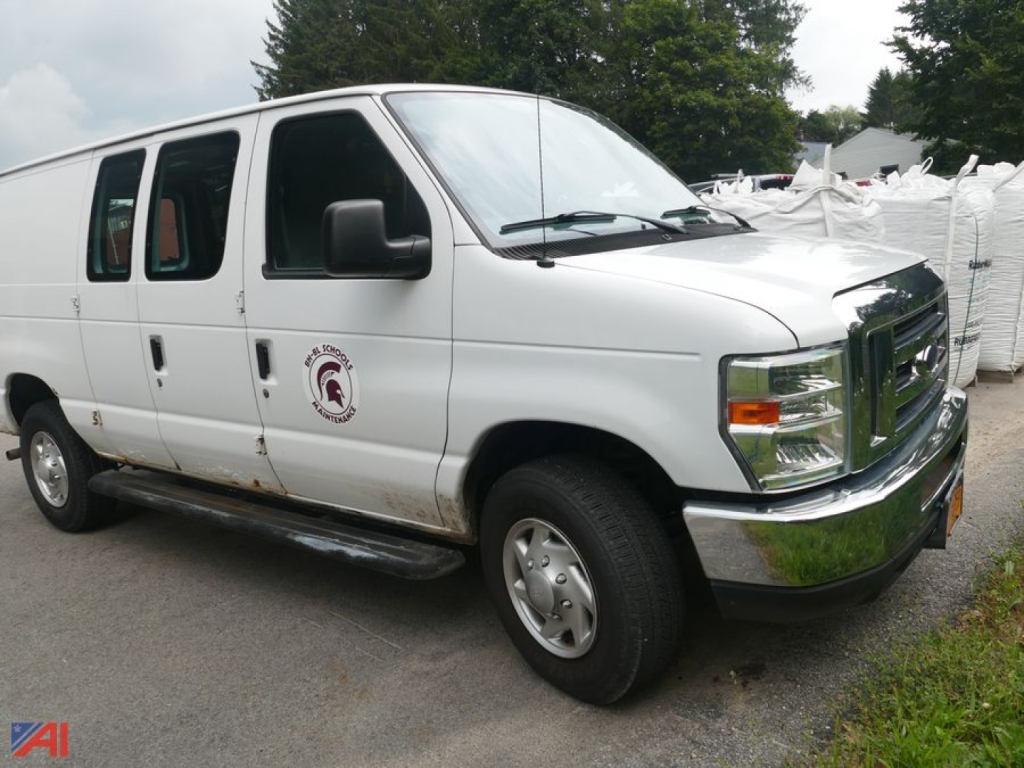
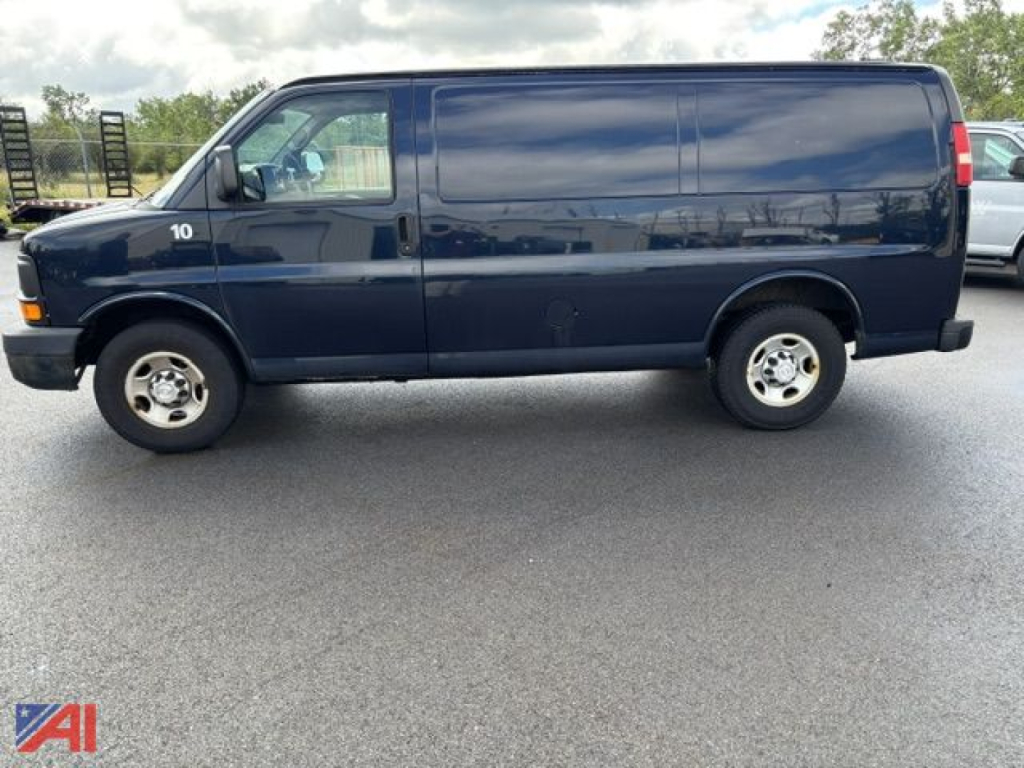
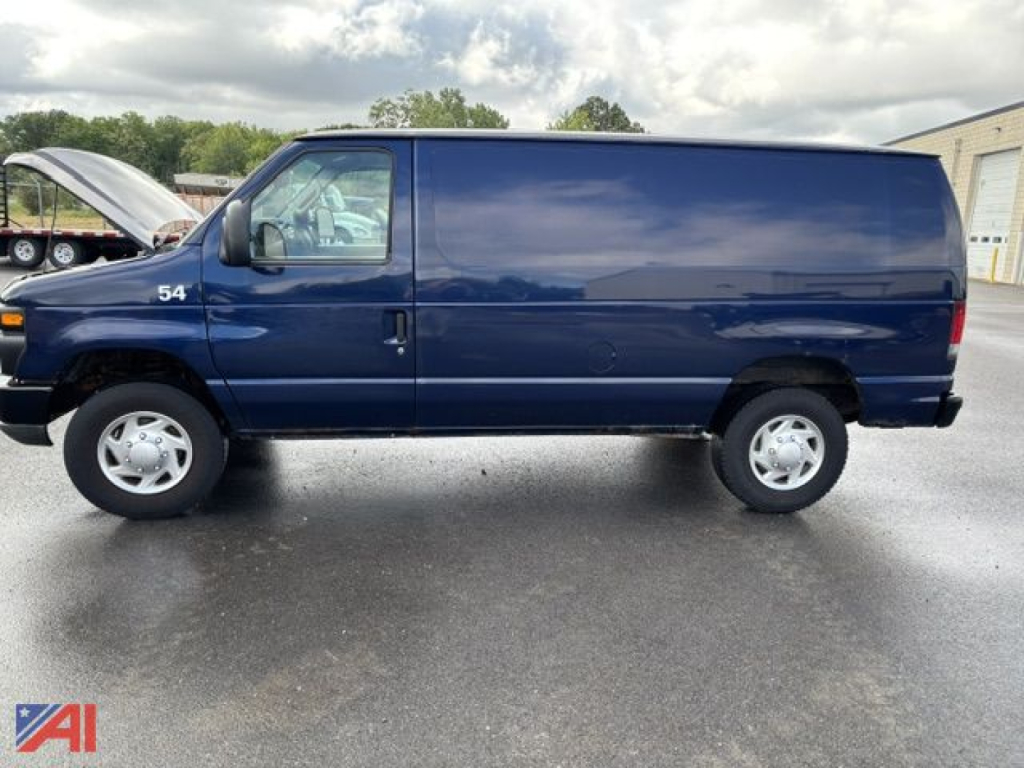
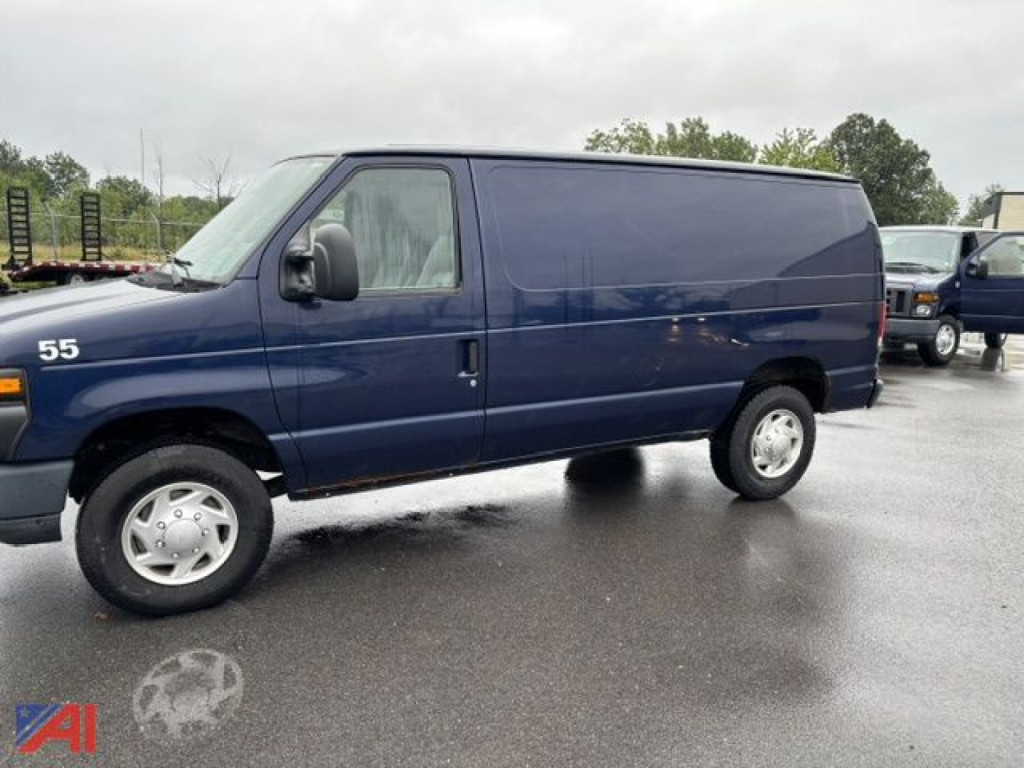
Have used cargo van truck to sell? List it here to reach thousands of buyers.
Used Cargo Van Trucks in New York
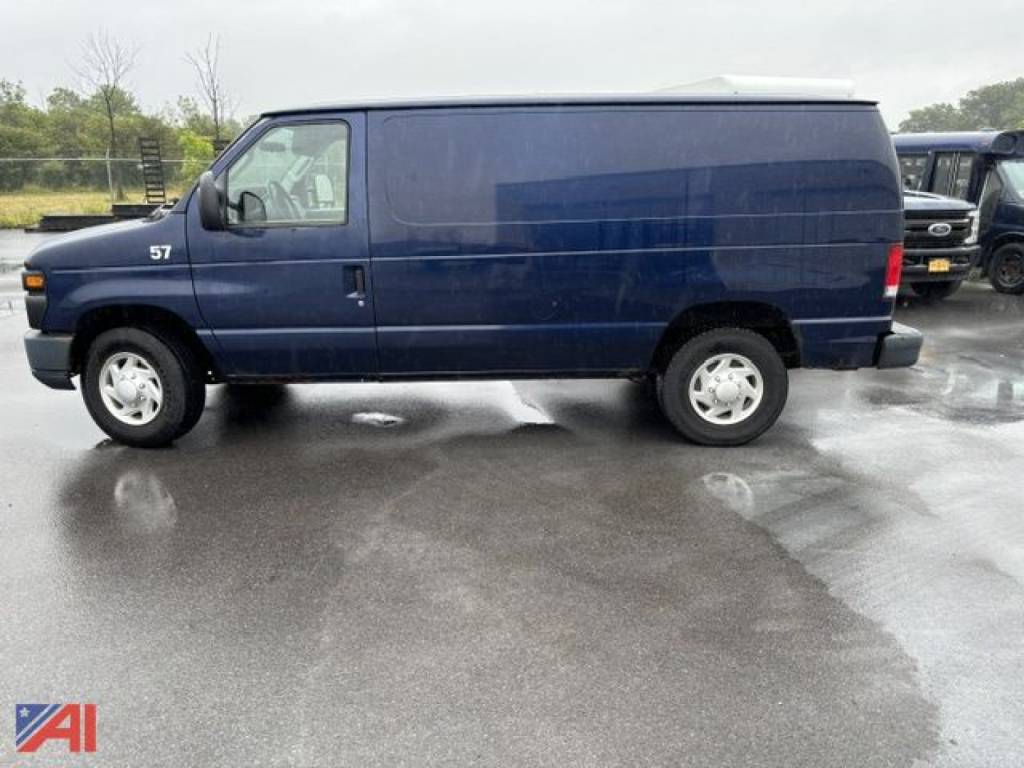
For most buyers, payload and interior configuration matter more than badge alone. Cargo vans are commonly set up with solid side panels, dual rear doors or a rear liftgate, and one or two sliding side doors. Inside, many used units already have shelving, partitions, ladder racks, E-track, inverter systems, or bulkheads installed, which can save real upfit cost if the layout matches your operation. Check the cargo floor condition, rear and side door alignment, hinge wear, and signs of water intrusion around seals. In New York, rust is a serious inspection item, especially on rocker panels, door bottoms, frame sections, brake lines, and underbody crossmembers.
Powertrain choice should match route type and annual miles. Gas V8 and V6 cargo vans are common in this class and usually make sense for mixed stop-and-go service because parts availability and repair familiarity are strong. Diesel vans can improve fuel economy on higher-mile routes, but emissions-system condition becomes a major used-buying factor. Pay attention to idle hours if the van came from telecom, utility, or municipal duty. Transmission shift quality, rear axle noise, steering play, suspension wear, and brake performance all deserve a close look because cargo vans often spend years in dense city traffic with frequent curbside stops.
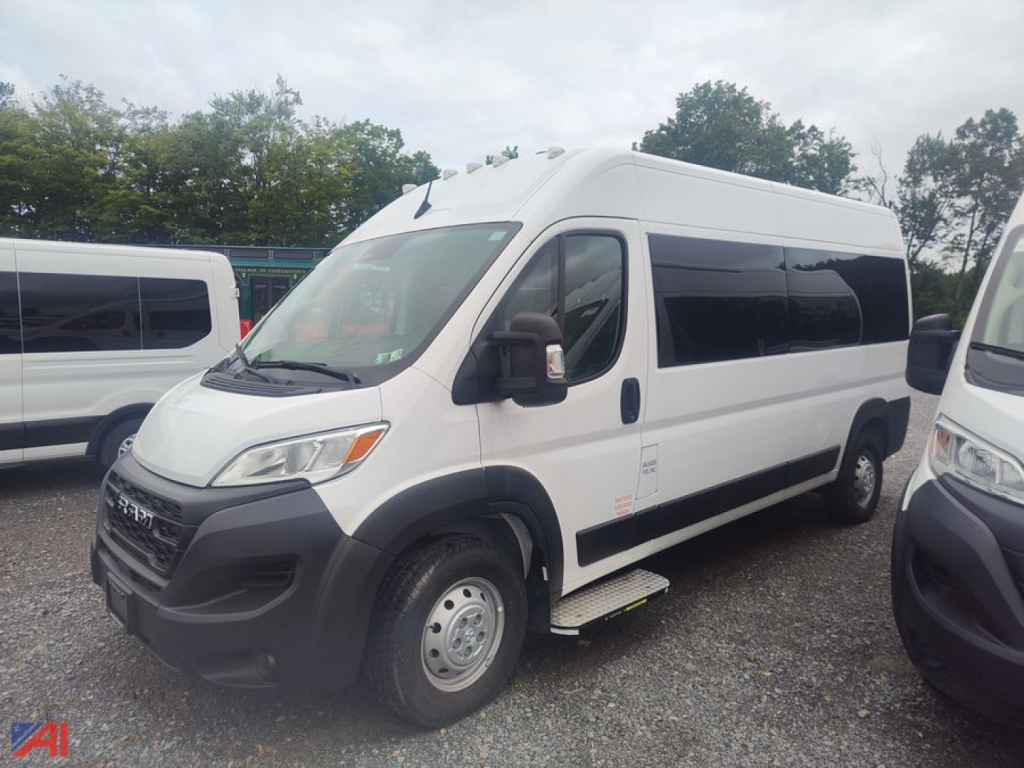
A used cargo van truck is often judged by access and efficiency as much as by miles. Low roof vans fit more parking structures and older urban garages, while high roof models improve technician productivity for trades that work out of the vehicle all day. Short wheelbase vans are easier to maneuver in tight borough streets, but extended-length models carry more shelving and bulky freight. Buyers comparing used cargo vans in New York should weigh body size, service history, corrosion exposure, and existing upfit equipment against the intended job. The right van is the one that matches your payload, route density, parking constraints, and service strategy without creating unnecessary downtime.
Frequently Asked Questions about Used Cargo Van Trucks in New York
What should I inspect first on a used cargo van in New York?
Start with rust, door condition, and service history. New York road salt can accelerate corrosion on rocker panels, frame areas, brake lines, fuel lines, and door bottoms. After that, inspect rear and side door operation, cargo floor wear, bulkhead mounting points, suspension condition, and evidence of hard stop-and-go use. A clean maintenance record matters because many cargo vans spend their lives in high-idle, short-trip service.
Which used cargo van is better for city routes: a traditional full-size van or a high-roof European-style van?
A traditional full-size van like a Chevrolet Express or Ford E-Series is often chosen for durability, familiar serviceability, and straightforward parts support. A high-roof van such as a Transit, ProMaster, or Sprinter usually offers better interior access, more usable standing room, and easier shelving layouts for technicians or parcel work. The better choice depends on parking height limits, route density, cargo cube needs, and how much time employees spend working inside the van.
How important is existing shelving or upfit equipment on a used cargo van?
Existing upfit equipment can add real value if it fits your operation. Shelving, ladder racks, partitions, bins, power inverters, and cargo management systems can reduce upfront setup cost and shorten the time to put the van into service. The key is to verify installation quality, check for extra body penetrations that may lead to leaks or rust, and make sure the added equipment does not reduce payload below your daily requirements.
Are gas or diesel engines better in a used cargo van?
Gas engines are often the safer used buy for urban fleets because they are common, easier to service, and well suited for stop-and-go driving. Diesel cargo vans can be a strong option for higher-mileage routes where fuel efficiency matters, but buyers need to assess the condition of the emissions system, turbocharger, and maintenance history carefully. Short-trip city use can be harder on diesel aftertreatment systems if the van was not operated long enough to complete proper regeneration cycles.
What size cargo van makes the most sense for contractor or delivery use?
The right size depends on payload, cargo shape, and operating environment. A standard or low-roof van works well when garage access, low-clearance parking, and maneuverability are priorities. A long-wheelbase or high-roof van makes more sense when the job requires shelving, technician walk-in space, or transport of taller cartons and equipment. Buyers should match wheelbase and roof height to route conditions first, then compare payload ratings and interior cargo dimensions.