
Used Ford Cargo Van Trucks For Sale in New York
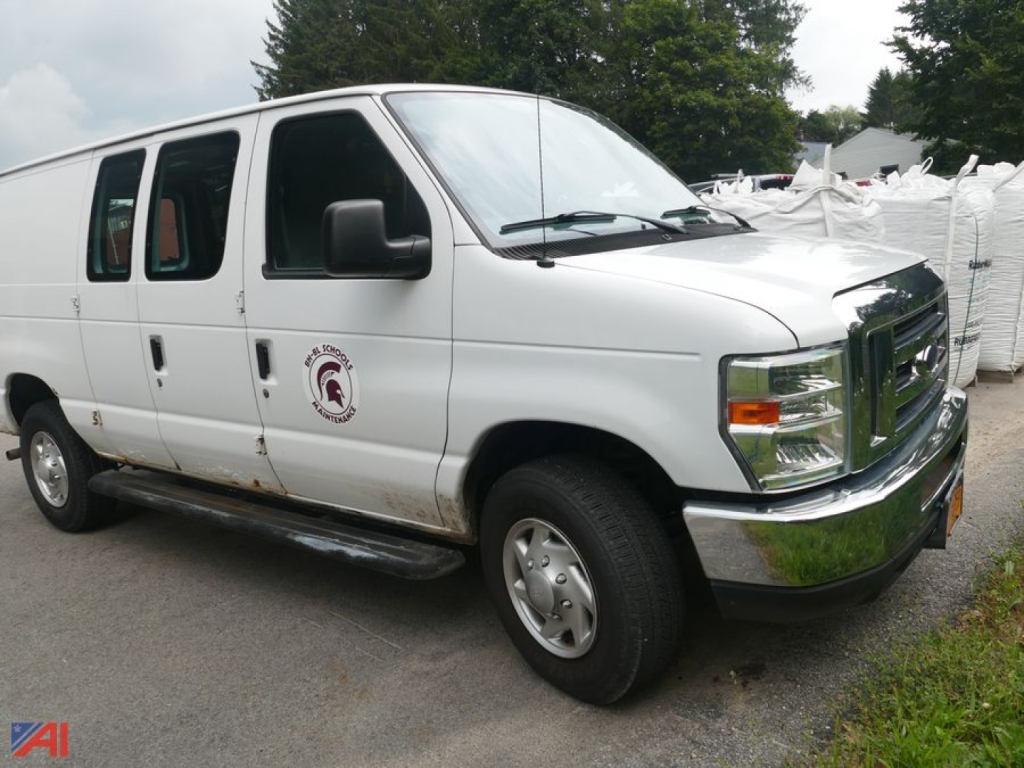
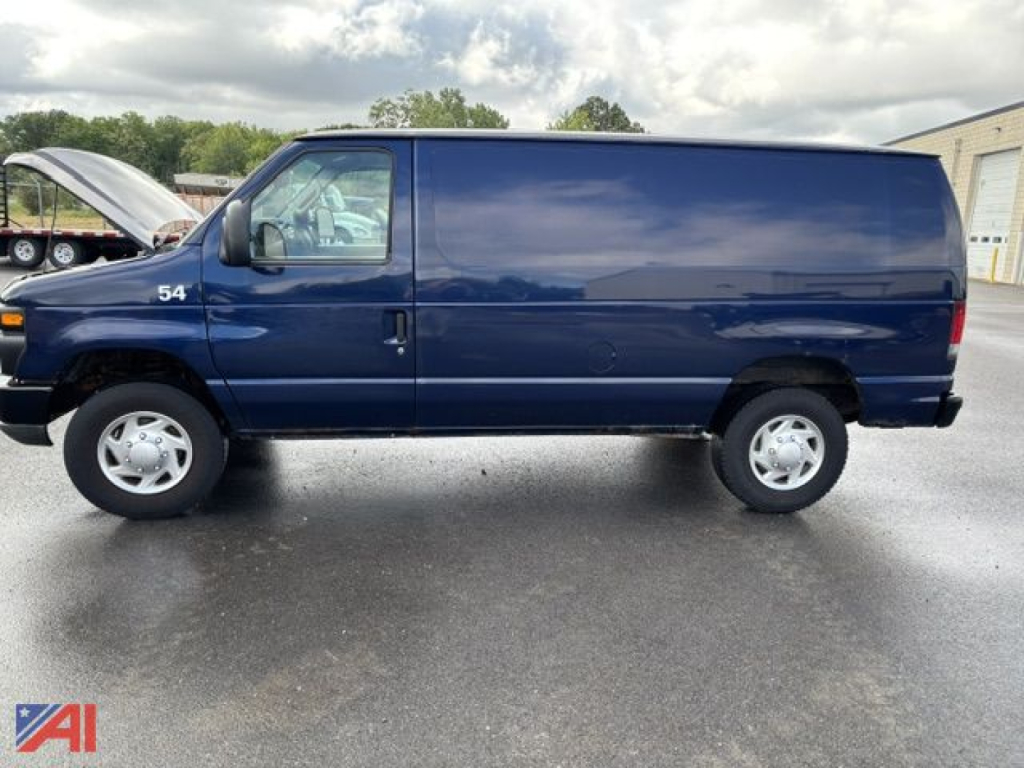
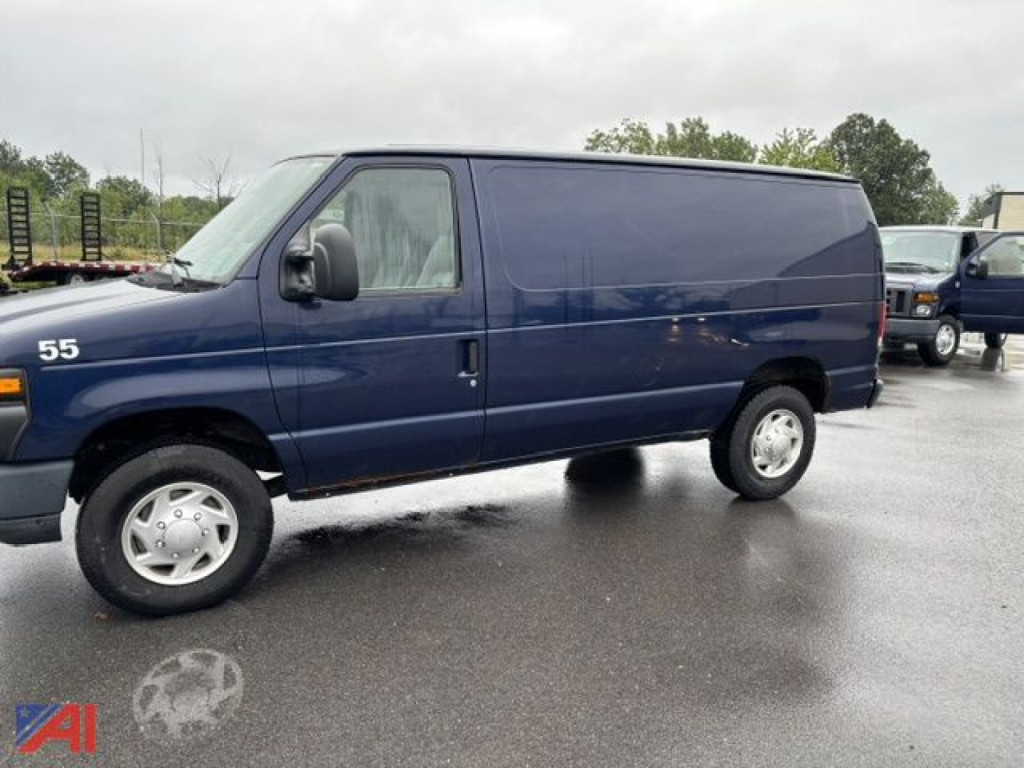
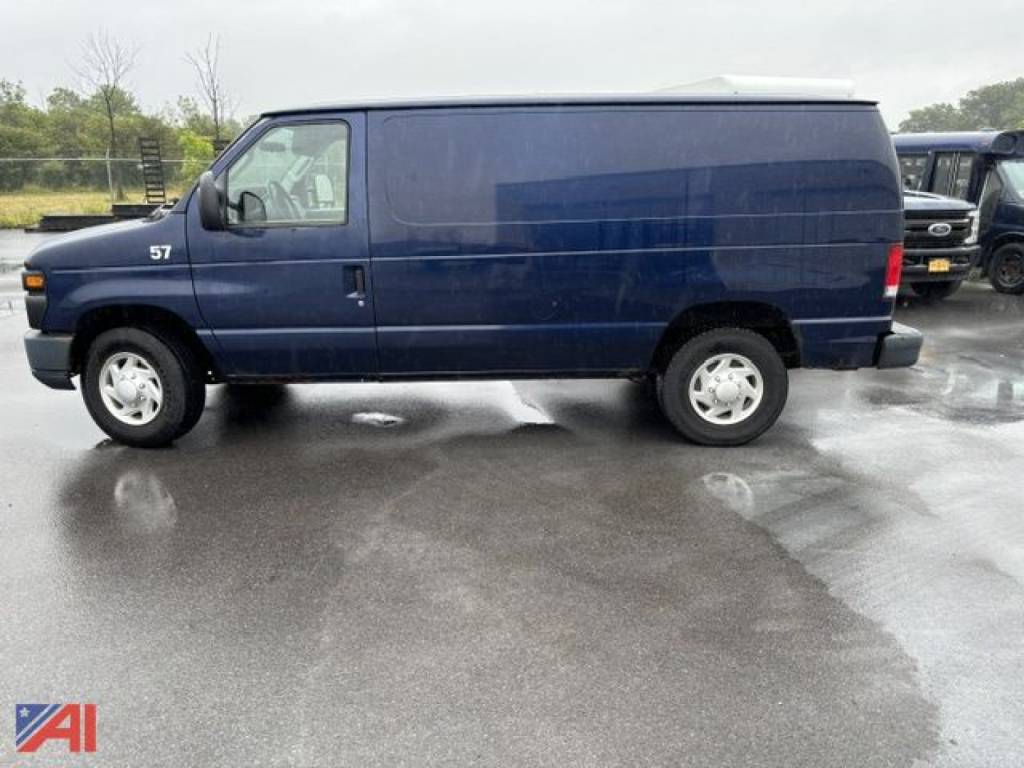
Have used ford cargo van truck to sell? List it here to reach thousands of buyers.
Used Ford Cargo Van Trucks in New York
The first decision is usually size and configuration. A used Ford Cargo Van may be set up as a standard-roof or high-roof unit, with regular, long, or extended body lengths depending on model year. Payload, interior standing height, rear door opening, and side-door access matter more than badge alone. Buyers hauling tools, shelves, parts bins, or parcel freight should check axle rating, GVWR, cargo floor condition, and signs of repeated overloading around the rear suspension and door openings. On used vans, bulkheads, ladder racks, shelving packages, inverter setups, and telematics hardware can add value if they match the job, but they should be inspected for installation quality and corrosion around mounting points.
Powertrain choice can affect long-term cost more than purchase price. Older Ford E-250 cargo vans are often favored for proven gas-engine serviceability and straightforward parts support. Transit vans added more engine choices and a more car-like driving position, which many fleets prefer for stop-and-go work. For New York use, rust inspection is critical. Look closely at rocker panels, wheel arches, door bottoms, underbody crossmembers, brake and fuel lines, and rear step areas. A van that spent years on salted roads may show more structural and maintenance issues than mileage alone suggests. Service records, idle hours if available, tire wear patterns, transmission behavior, and HVAC performance are all worth checking because cargo vans often spend long hours in city traffic and on repeated short trips.
A good used Ford cargo van should fit the route, not just the budget. Tight city deliveries may favor a shorter wheelbase Transit for maneuverability and parking, while trade work often benefits from extended-body storage and higher roof clearance. Buyers should also confirm upfit compatibility, rear door swing, partition design, tow rating if trailers are involved, and whether the van can handle the payload without riding at the limit every day. When chosen correctly, a Ford cargo van, also known as a work van or full-size cargo van, can be one of the most efficient platforms for enclosed commercial hauling and mobile service work.
Frequently Asked Questions about Used Ford Cargo Van Trucks in New York
What is the difference between a used Ford E-250 cargo van and a Ford Transit cargo van?
The Ford E-250 is part of the older E-Series platform and is known for a traditional body-on-frame design, simple service access, and durable fleet use. The Ford Transit is a newer-generation cargo van with more body lengths, roof heights, and a more modern cab layout. Buyers often choose the E-250 for straightforward maintenance and familiarity, while the Transit is usually preferred for cargo flexibility, easier entry and exit, and better urban maneuverability depending on wheelbase and roof configuration.
What should I inspect first on a used Ford cargo van in New York?
Start with rust, underbody condition, and signs of hard commercial use. In New York, road salt can accelerate corrosion at rocker panels, wheel wells, door seams, brake lines, fuel lines, and frame or substructure components. After that, inspect the cargo area floor, rear and side door operation, suspension condition, transmission shift quality, tire wear, and any upfit equipment such as shelving, partitions, ladder racks, or electrical accessories. A clean service history is especially valuable on vans used for dense city routes and repeated stop-and-go driving.
How do I choose the right Ford cargo van size for my business?
Match the van to your real cargo profile, not just maximum capacity on paper. Payload rating, cargo floor length, interior roof height, and door opening dimensions are the key numbers. Electricians, plumbers, HVAC technicians, and telecom service crews often need shelving and standing room, which can make a high-roof Transit more efficient. Delivery operations in dense urban areas may prioritize a shorter wheelbase for easier parking and turning. If the van will tow or carry heavier equipment daily, axle ratings and GVWR deserve close attention.
Are used Ford cargo vans good for fleet service work?
Yes, Ford cargo vans are widely used in commercial fleets because they offer broad parts availability, common service knowledge, and flexible upfit potential. They work well for package delivery, contractor service, municipal departments, building maintenance, and mobile repair applications. A used unit can be a strong value if the maintenance history is documented and the van has not been overloaded or neglected. Fleet buyers should compare remaining useful life in the drivetrain, body condition, and upfit quality rather than focusing on odometer reading alone.
What upfits are common on used Ford cargo vans?
Common upfits include interior shelving, steel or composite bulkheads, ladder racks, roof rails, drawer systems, beacon lights, inverter systems, cargo matting, and partitioned storage for tools and parts. Some vans also have bins, e-track, trailer hitches, backup camera systems, and auxiliary power setups. These additions can save money if they fit your operation, but buyers should verify that the mounting points are secure, the electrical work is professionally installed, and the added equipment has not compromised payload capacity or caused body corrosion.