
Used Freightliner Trucks For Sale in Massachusetts
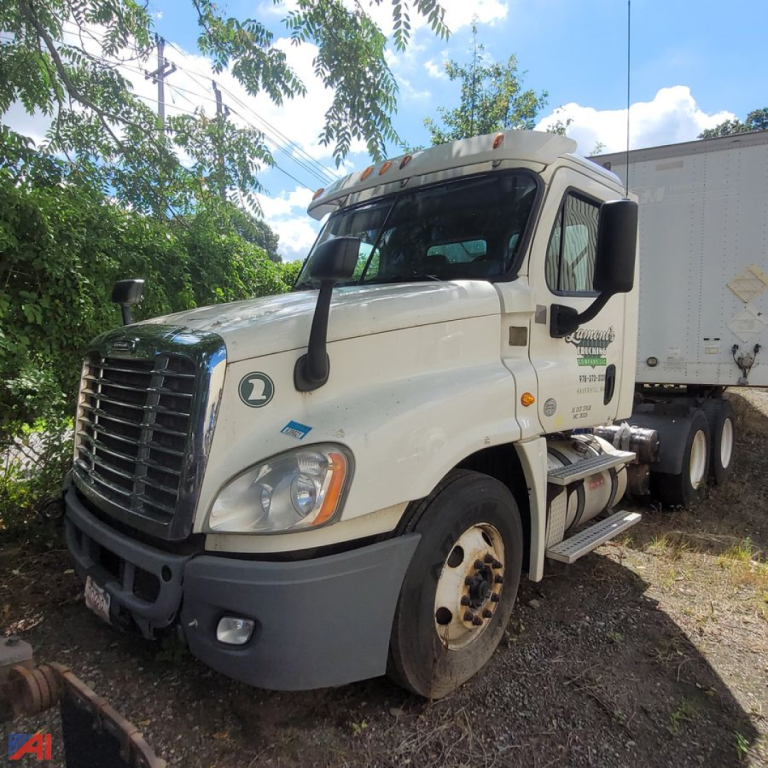
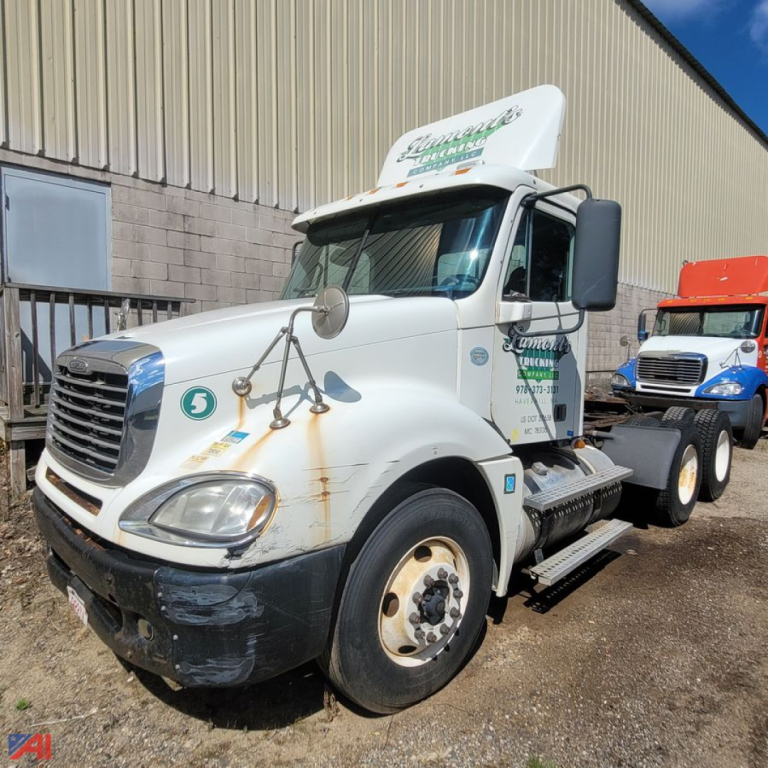
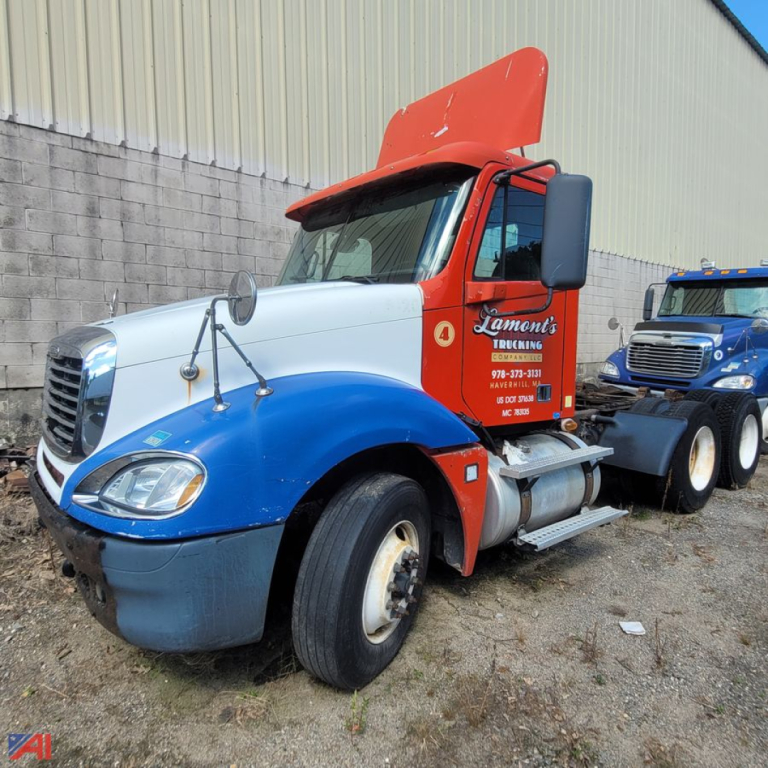
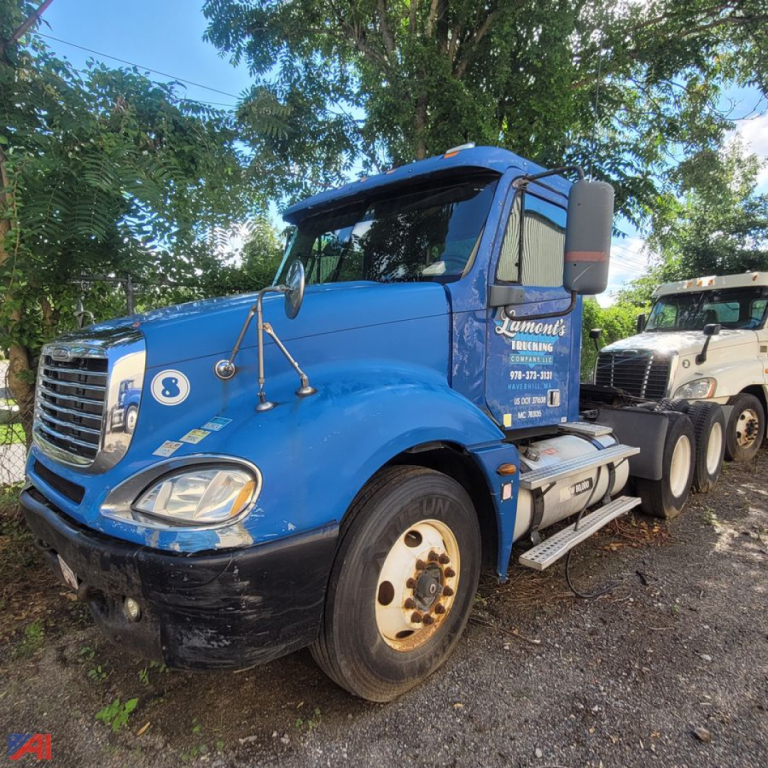
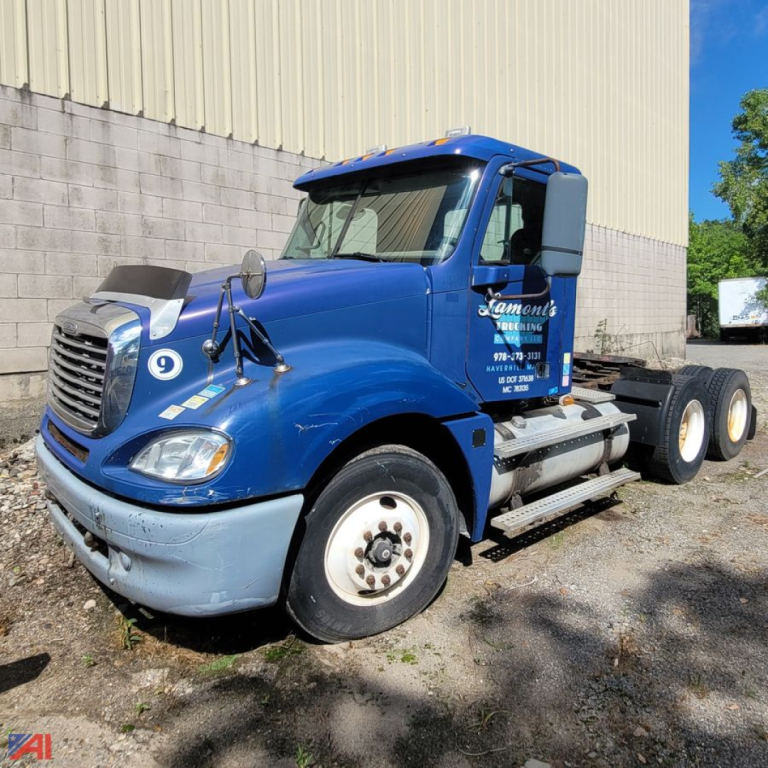
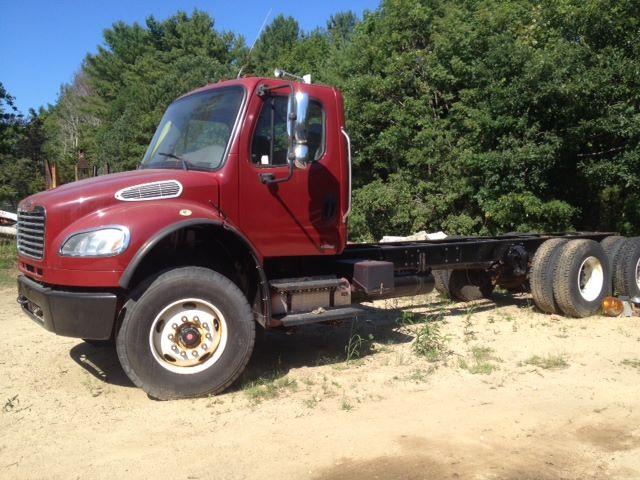

Have used freightliner truck to sell? List it here to reach thousands of buyers.
Used Freightliner Trucks in Massachusetts
Freightliner’s late‑model Cascadia dominates the used sleeper and day cab market, pairing Detroit DD13, DD15, or DD16 engines with the DT12 automated manual for efficient cruise control, smooth low‑speed control, and integrated downhill speed regulation. Many units include Detroit Assurance collision mitigation, lane departure alerts, and adaptive cruise. Regional fleets also turn up M2 106 and 108SD straight trucks in box, dump, and plow configurations, often with Cummins L9 or B6.7 and Allison automatics for PTO and start‑stop duty. Vocational buyers will see 114SD and 122SD specs with higher frame RBMs, double‑frame options, and factory PTO provisions for snow and municipal work.
Common configurations range from 4x2 city tractors to 6x4 highway sleepers, with wheelbases typically 170 to 230 inches for tractors and 186 to 300 inches for straight trucks depending on body length. AirLiner and Hendrickson air suspensions ride well on New England pavement and help protect freight, while steel spring setups suit off‑road and plow duty. Look for practical details that cut operating costs: aerodynamic packages on Cascadia Evolution and Next Gen trims, disc brakes for shorter stops on wet roads, tire inflation systems, aluminum wheels, and side extenders. For hotel loads under Massachusetts idling limits, battery APUs and bunk heaters reduce fuel burn and keep DPFs cleaner.
Buying used in this region rewards a close look at service history and undercarriage. Review aftertreatment records on DPF and SCR systems, inspect crossmembers, brake lines, and cab mounts for rust, and check kingpins, fifth‑wheel locks, and suspension bushings. Oil samples and ECM downloads reveal how a Detroit or Cummins has been run. Verify body upfit quality on M2 and SD series cab‑and‑chassis, confirm PTO ratios, and match GVWR and axle spacing to Massachusetts weight rules and 53‑foot trailer operations. Freightliner’s dealer and parts network across New England supports Detroit and Cummins powertrains, which helps keep downtime low after the purchase.
Frequently Asked Questions about Used Freightliner Trucks in Massachusetts
Which used Freightliner models are most common in Massachusetts and what do they suit best?
Cascadia sleepers and day cabs are prevalent for regional and interstate haul on I‑90, I‑93, and I‑95. Business Class M2 106 straight trucks show up widely in box, reefer, and service body form for urban delivery and municipal work. The 108SD and 114SD target vocational needs like dump, plow, and roll‑off, while the 122SD appears in heavier haul or severe‑duty roles.
What engine and transmission combinations should I look for on used Freightliner trucks?
Detroit DD13, DD15, and DD16 engines paired with the DT12 automated manual are common in Cascadia and deliver strong fuel economy, smooth shifting, and integrated safety features. Eaton UltraShift and manual 10 to 18‑speeds appear on older units and heavy haul, while Allison 3000 and 4000 series automatics are typical on M2 and SD vocational trucks for PTO work and frequent start‑stop. Cummins B6.7 and L9 power many M2 106 units, and Cummins X12 or X15 appear on some SD and legacy heavy tractors.
How should I spec a used Freightliner for New England winters?
Prioritize cold‑climate options like block heaters, heated mirrors, winter fronts, and high CCA batteries. For traction, look for inter‑axle locks, full‑locking differentials, and appropriate snow‑rated tires. Air disc brakes help in slush and salt, and underbody corrosion protection, sealed electrical connectors, and stainless or coated hardware extend component life. Battery APUs or bunk heaters also help meet Massachusetts idle restrictions while keeping the cab comfortable.
What are key inspection points on a used Freightliner from a salt state like Massachusetts?
Inspect frame rails, crossmembers, spring hangers, brake lines, and cab mounts for corrosion, paying attention to areas near fuel tank straps and battery boxes. Check wiring harnesses for chafing and greened pins, verify DPF and SCR maintenance records, and perform an ECM download for fault history and regens. On straight trucks, examine body mounts, floor crossmembers, and liftgate or PTO installations for quality and rust. Test the steering for play, evaluate brake pad and rotor thickness if disc‑equipped, and confirm suspension bushing condition.
Are there regional rules that affect how I should choose a used Freightliner in Massachusetts?
Massachusetts allows 102‑inch width and 53‑foot trailers on most designated routes, so match tractor wheelbase and kingpin setting to maintain bridge compliance and maneuverability. The state enforces anti‑idling limits, which makes APUs, battery HVAC, and bunk heaters valuable. For municipal and plow work, set‑forward axle vocational specs can help axle loading with front‑mounted equipment, while set‑back axles favor turning in dense urban areas like Boston.