
Used Pickup 2wd Trucks For Sale in Massachusetts
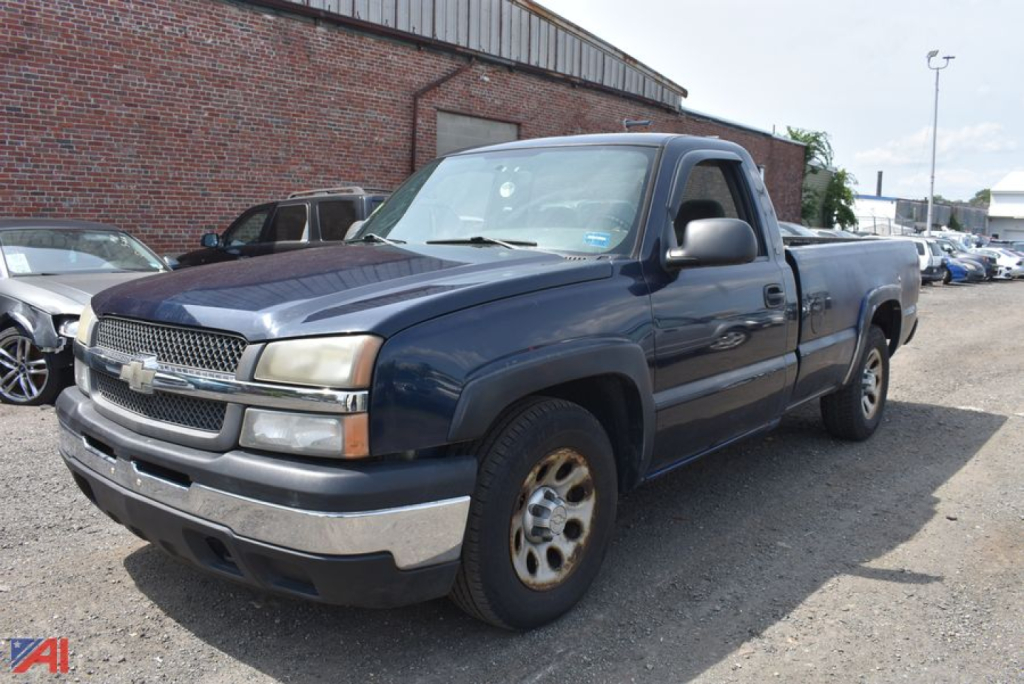
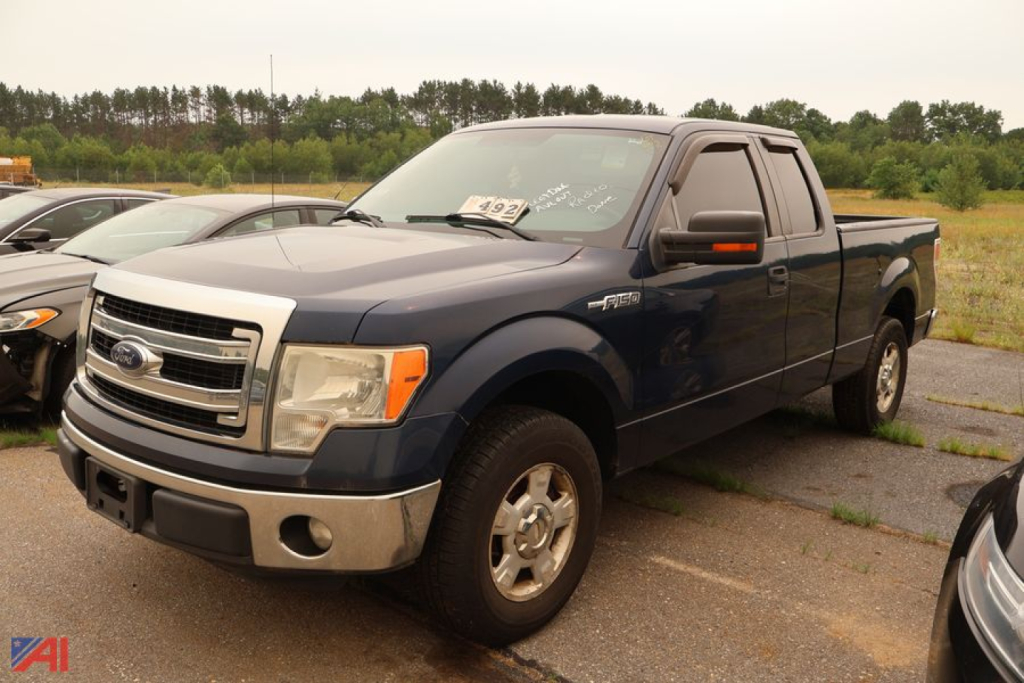
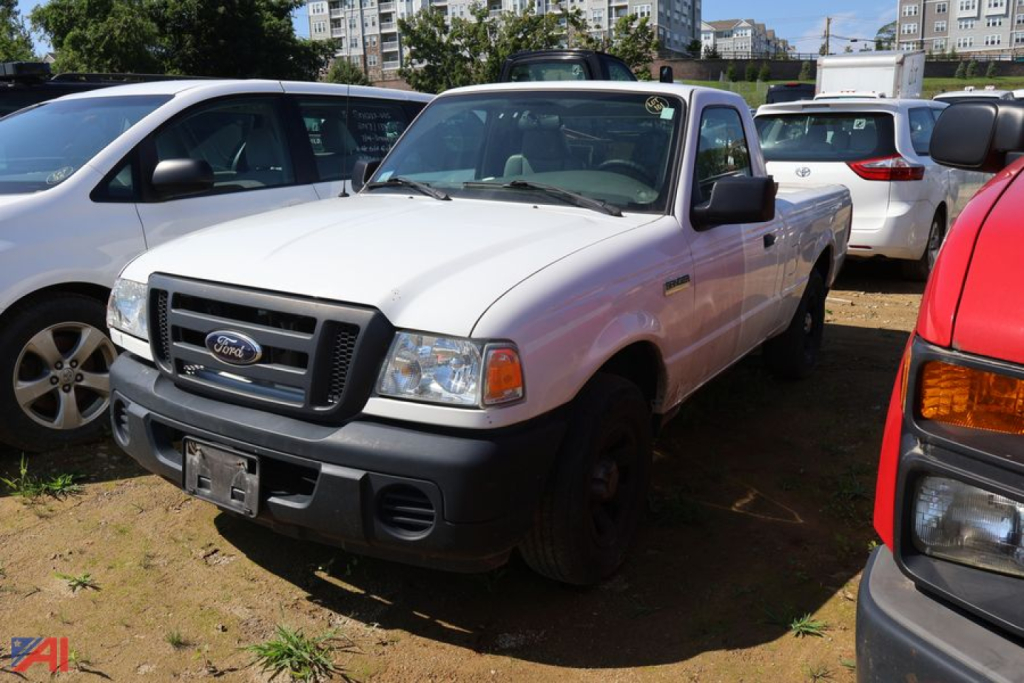
Have used pickup 2wd truck to sell? List it here to reach thousands of buyers.
Used Pickup 2wd Trucks in Massachusetts
A half-ton 2WD pickup is typically the better choice for mixed personal and commercial use, lighter trailers, and urban or suburban driving where maneuverability matters. A 3/4-ton truck brings a stiffer chassis, higher GVWR, stronger rear axle, heavier springs, and better capacity for equipment, materials, and sustained towing. Buyers should compare regular cab, extended cab, and crew cab layouts along with short bed and long bed configurations, because wheelbase affects turning radius, parking, bed access, and trailer stability. On used units, engine and transmission pairing matters as much as model year. Gas V8 trucks are common in this class and are often favored for simpler maintenance, while some heavy-duty pickups may be configured for higher tow ratings and vocational upfits.
Condition matters more than odometer alone. A used 2WD pickup that has spent its life in fleet service may show cosmetic wear but still be a solid candidate if service records, idle hours, brake condition, tire wear, frame condition, and suspension health check out. In Massachusetts, rust should be evaluated carefully on the frame, cab corners, rocker panels, bed supports, brake lines, and underbody hardware due to winter road treatment. Buyers should also inspect hitch equipment, receiver wear, bed floor damage, tailgate condition, electrical accessories, and any signs of prior plow or utility use, even on 2WD trucks. A clean powertrain and straight body are important, but so are practical details like payload sticker legibility, axle ratio, towing package content, and the condition of the differential, driveline, and cooling system.
For many applications, a 2WD pickup truck delivers the best value when traction demands are predictable and the truck will spend its working life on roads, yards, and developed job sites. It is also commonly referred to simply as a two-wheel-drive pickup or 2WD pickup. Buyers comparing listings should focus on GVWR, cab and bed setup, engine, axle rating, hitch class, and maintenance history before making a price comparison. The right used pickup in this category can serve as a daily work truck, supervisor truck, light tow vehicle, or municipal support unit without the extra weight and added components that come with four-wheel drive.
Frequently Asked Questions about Used Pickup 2wd Trucks in Massachusetts
What is the main advantage of a 2WD pickup truck over a 4x4?
A 2WD pickup truck typically has a lower purchase price, less drivetrain complexity, and reduced maintenance compared with a comparable 4x4. It also weighs less, which can help with payload and fuel economy in some configurations. For buyers operating mostly on paved roads, maintained lots, and controlled job sites, 2WD often provides the capability they need without paying for front-drive components that may see limited use.
Is a used 2WD pickup practical in Massachusetts?
A used 2WD pickup can be practical in Massachusetts if the truck will be used mainly on-road and the buyer understands winter traction limits. Tire selection, ballast, and driving conditions matter more in this state than they might in warmer regions. For municipal support, facility maintenance, delivery, and contractor use on paved routes, a 2WD truck can still be a cost-effective choice, but buyers working regularly in snow, mud, or unpaved access roads may prefer 4x4.
How do I choose between a half-ton and a 3/4-ton 2WD pickup?
A half-ton pickup is generally better for lighter payloads, personal use, and occasional towing, while a 3/4-ton pickup is designed for heavier work, higher GVWR, and more demanding trailer duty. The decision should be based on actual payload, trailer weight, bed cargo, and duty cycle rather than the badge alone. Buyers should verify axle ratings, spring package, receiver rating, and door-sticker capacities because equipment levels can change the truck's real-world capability.
What should I inspect first on a used 2WD pickup truck?
Start with frame and underbody condition, especially in a rust-prone market like Massachusetts. Then check the engine, transmission operation, differential, suspension components, brakes, tires, cooling system, and any evidence of hard fleet or towing use. Bed damage, hitch wear, uneven tire wear, steering looseness, and corrosion on brake lines or body mounts can tell you a lot about how the truck was used and what it may need next.
Are 2WD pickups good for towing?
Yes, many 2WD pickups tow very well, and in some configurations they can have competitive tow ratings because of lower curb weight. The key is matching the truck's engine, axle ratio, wheelbase, suspension, hitch equipment, and GVWR to the trailer. Buyers should confirm the actual tow package and door-sticker ratings on the specific truck rather than relying on a generic model rating.