
Used Commercial Trucks For Sale in Arkansas
Browse used trucks for sale in Arkansas, including pickup, medium-duty, heavy-duty, dump, mixer, vacuum, and day cab work trucks.
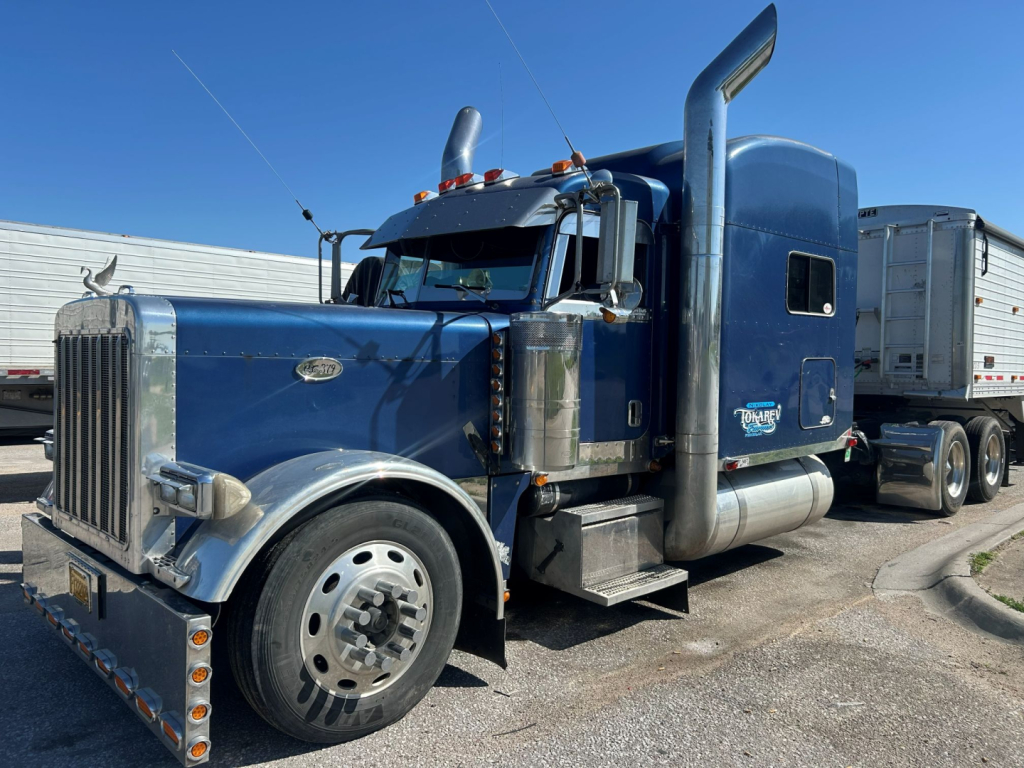
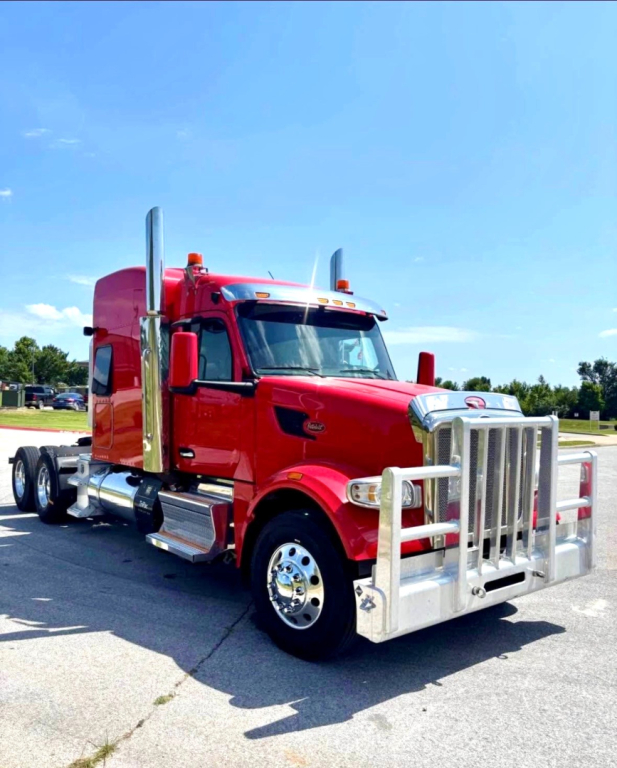
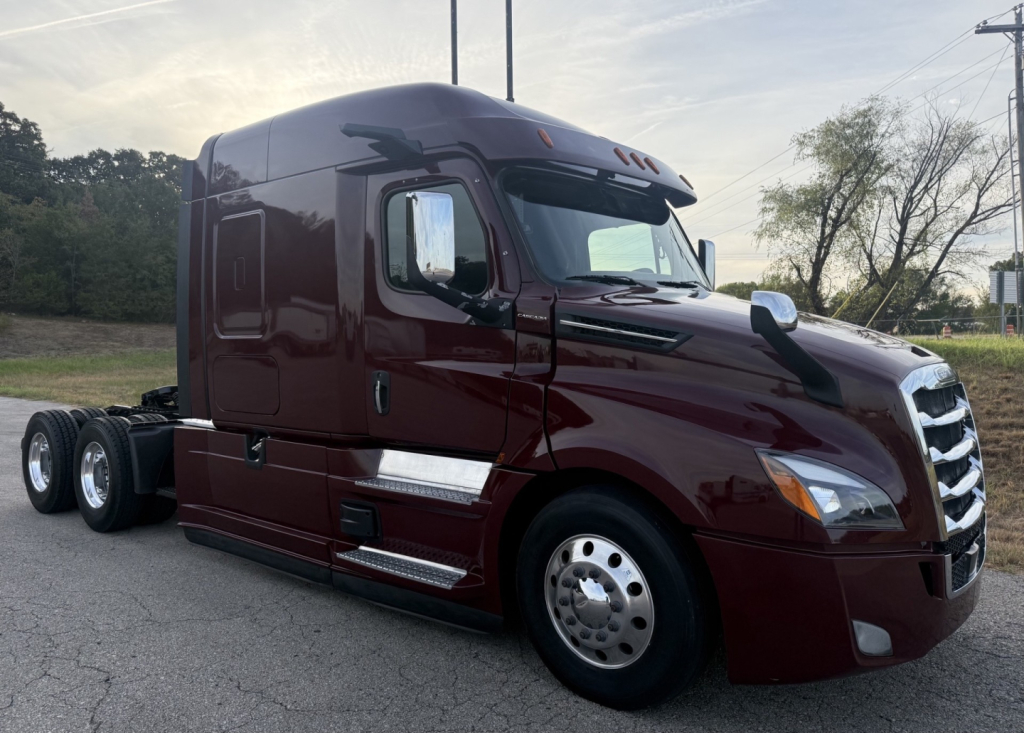
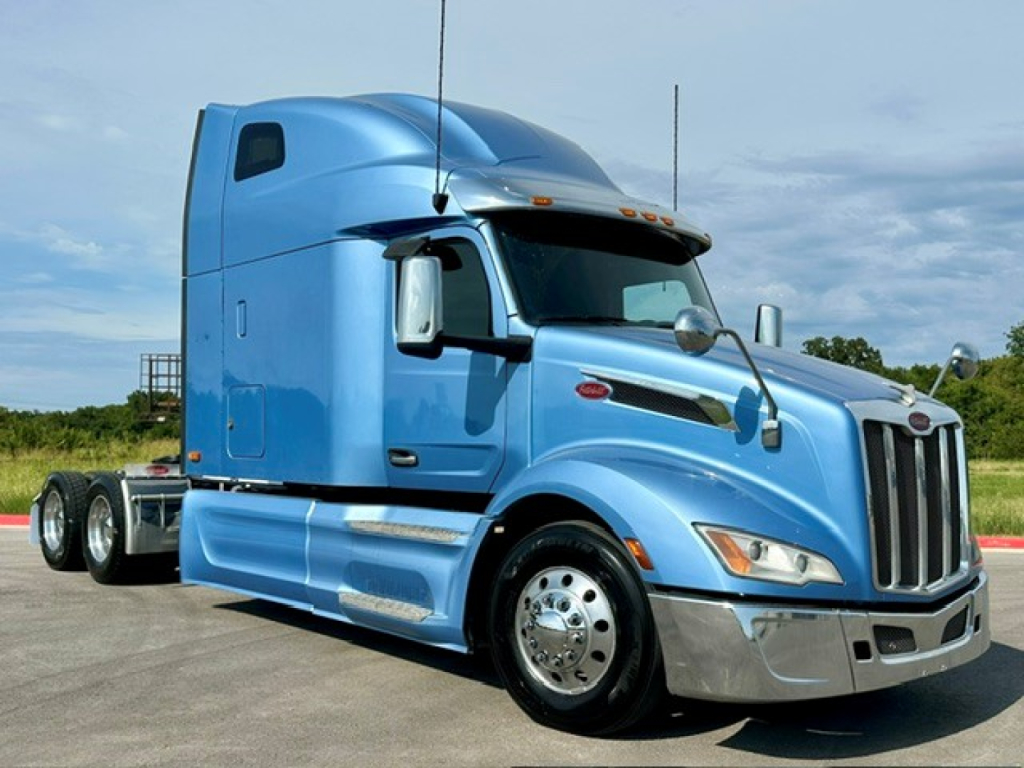
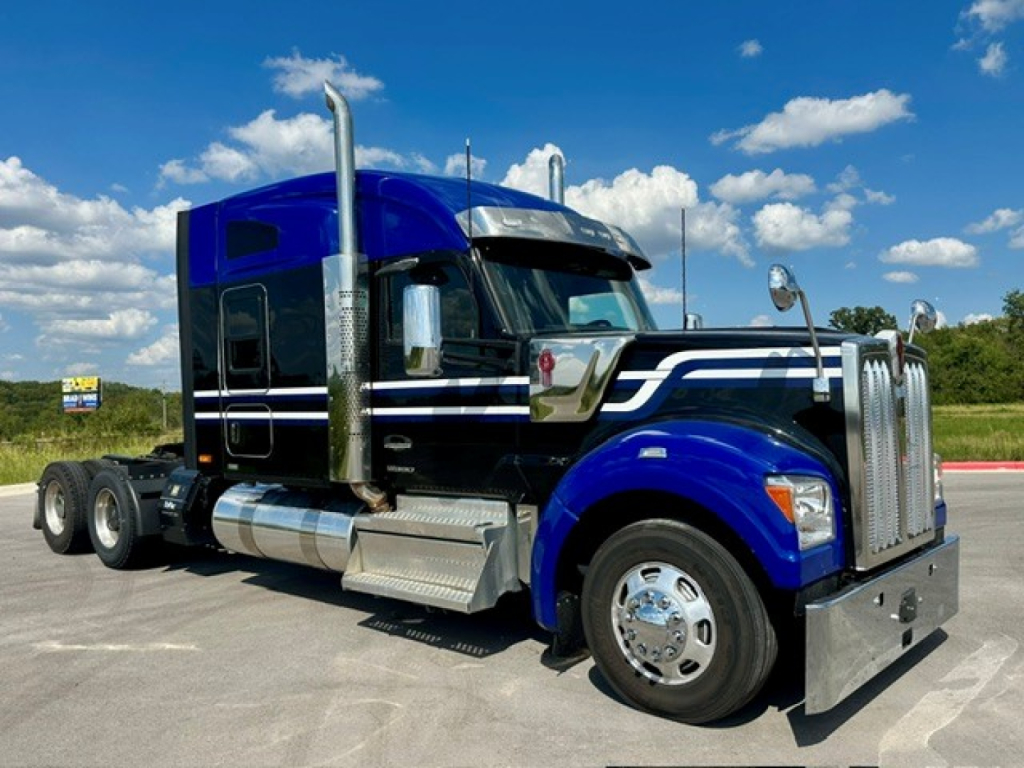
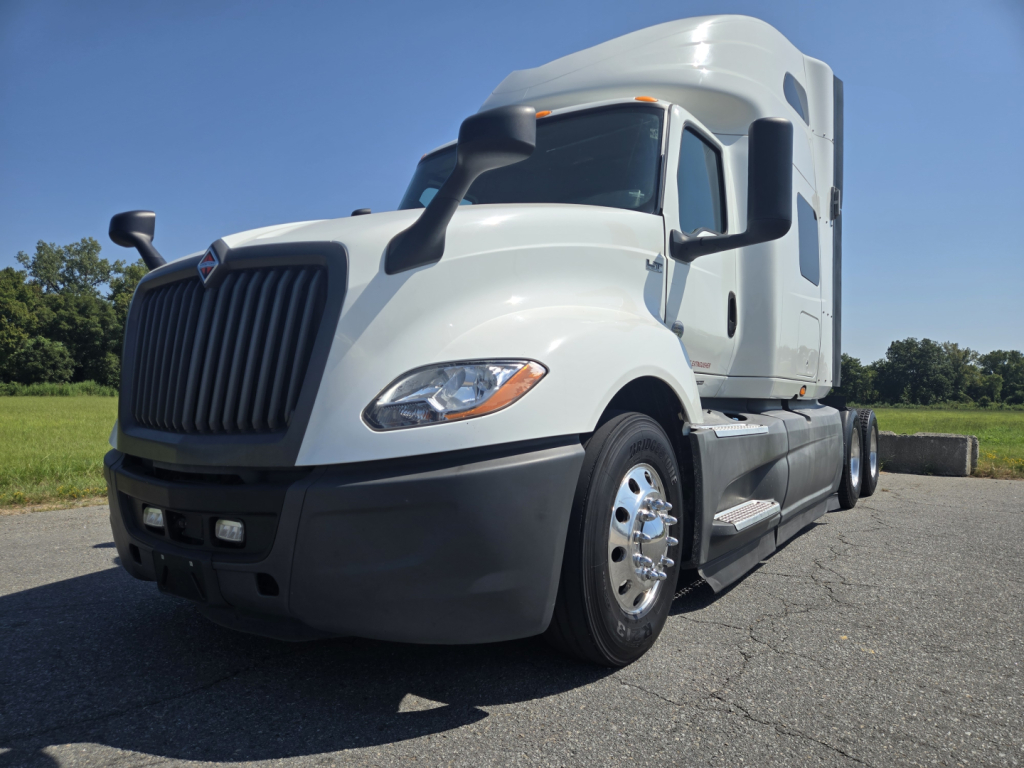
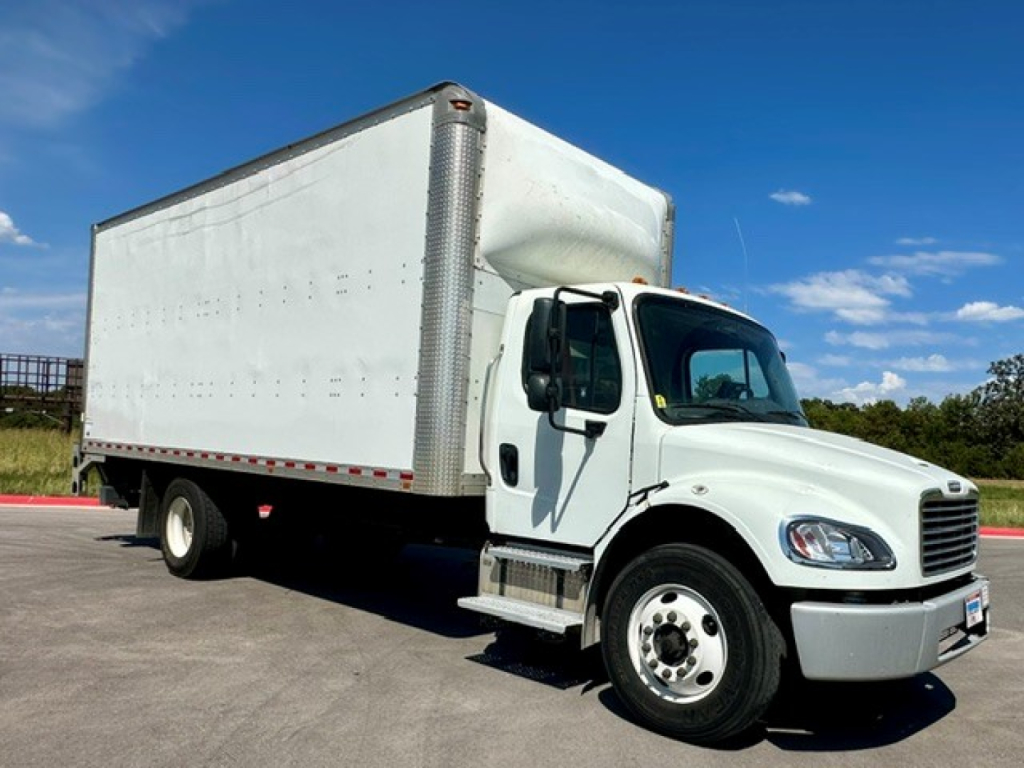
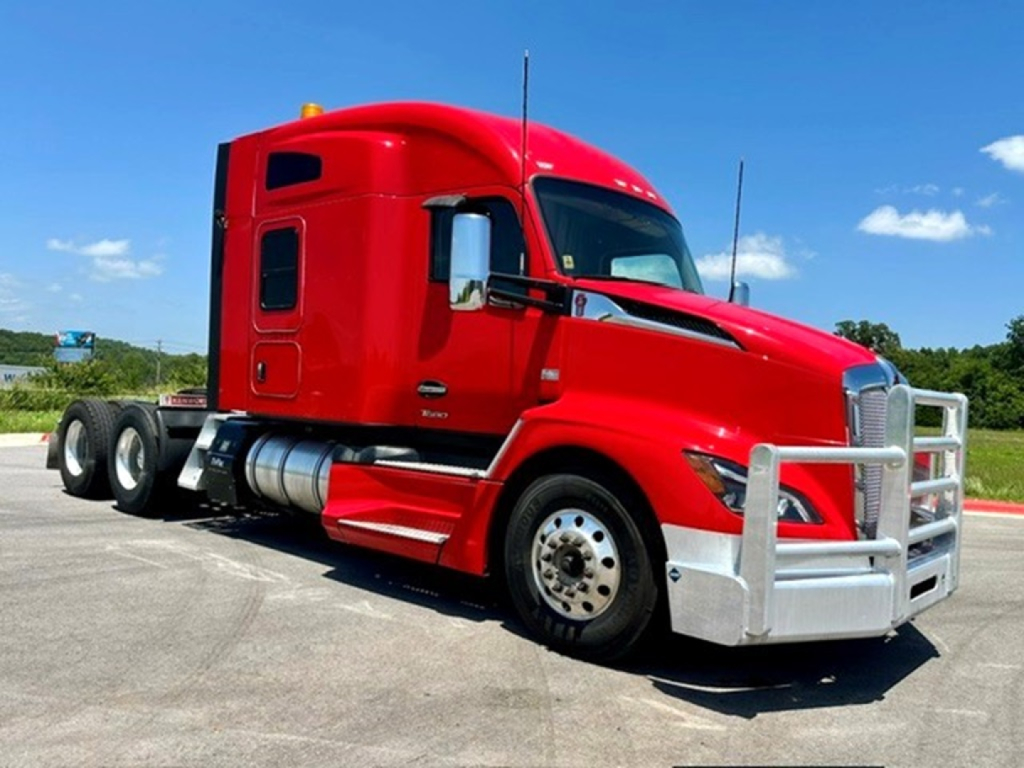
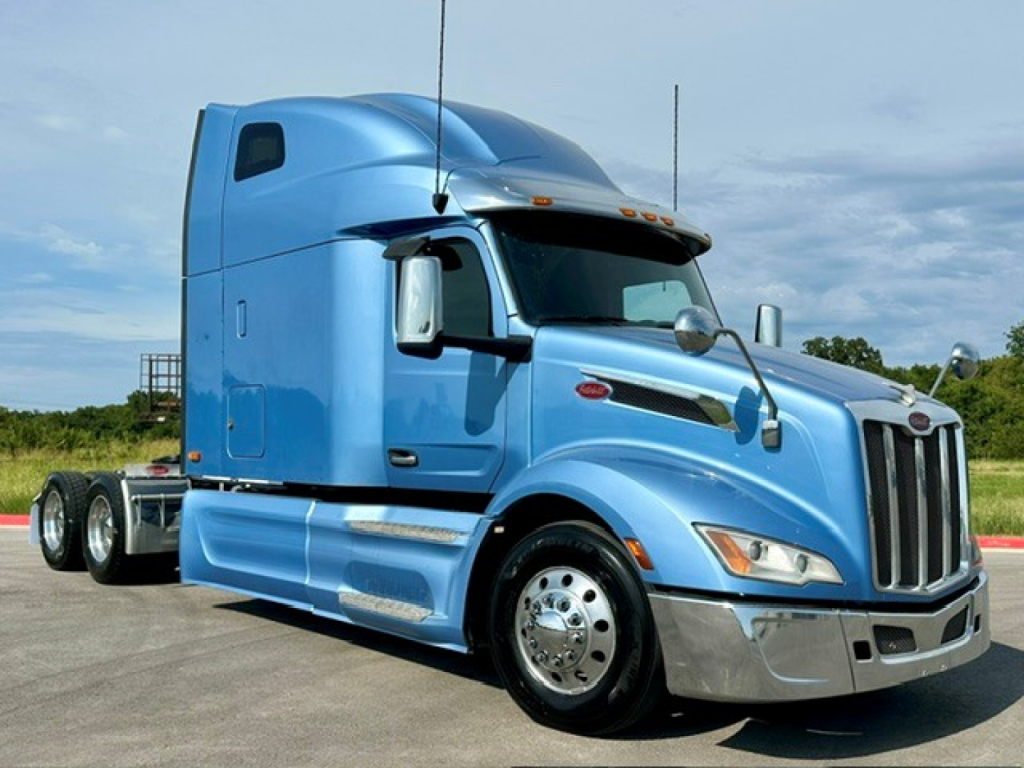
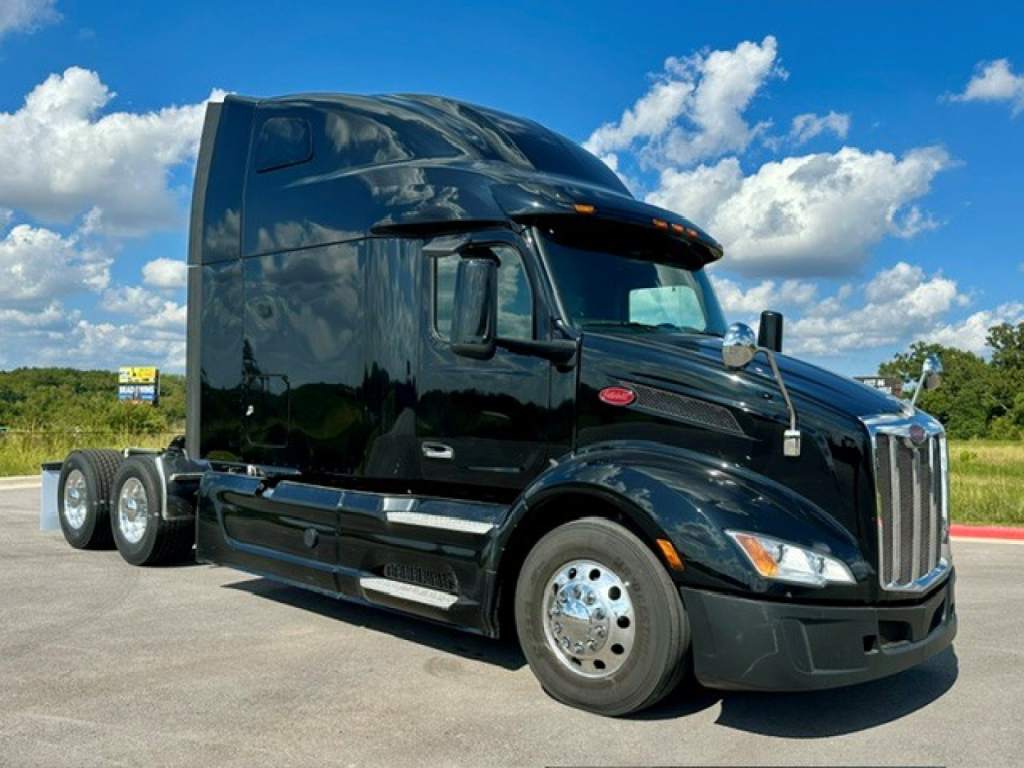
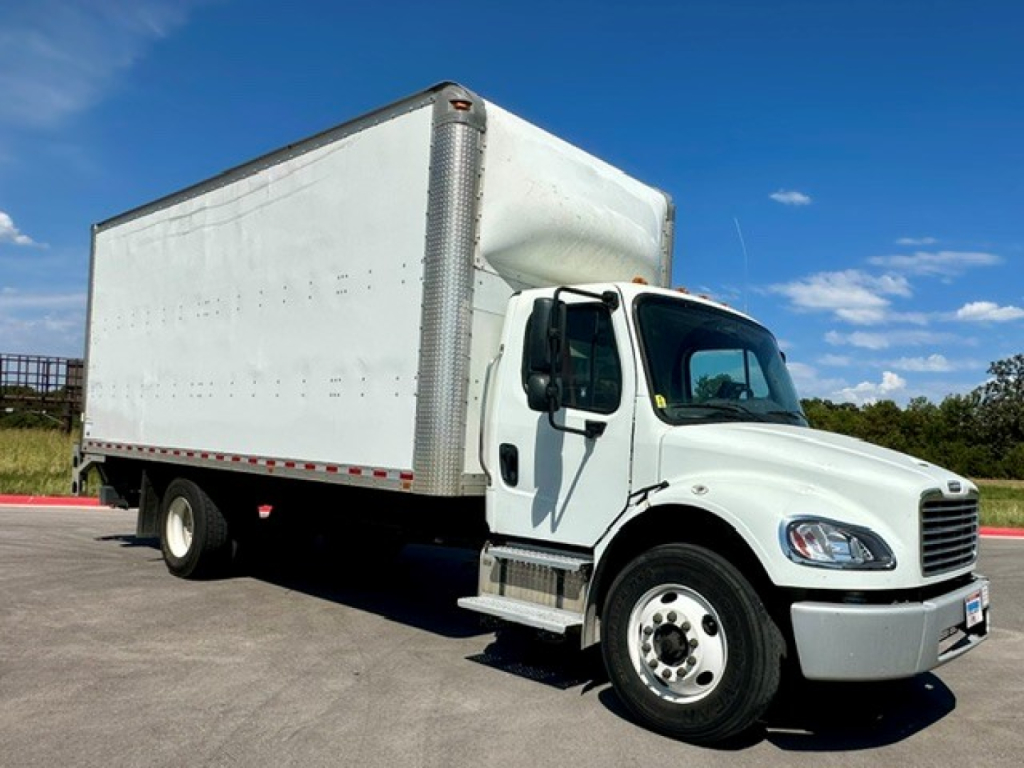
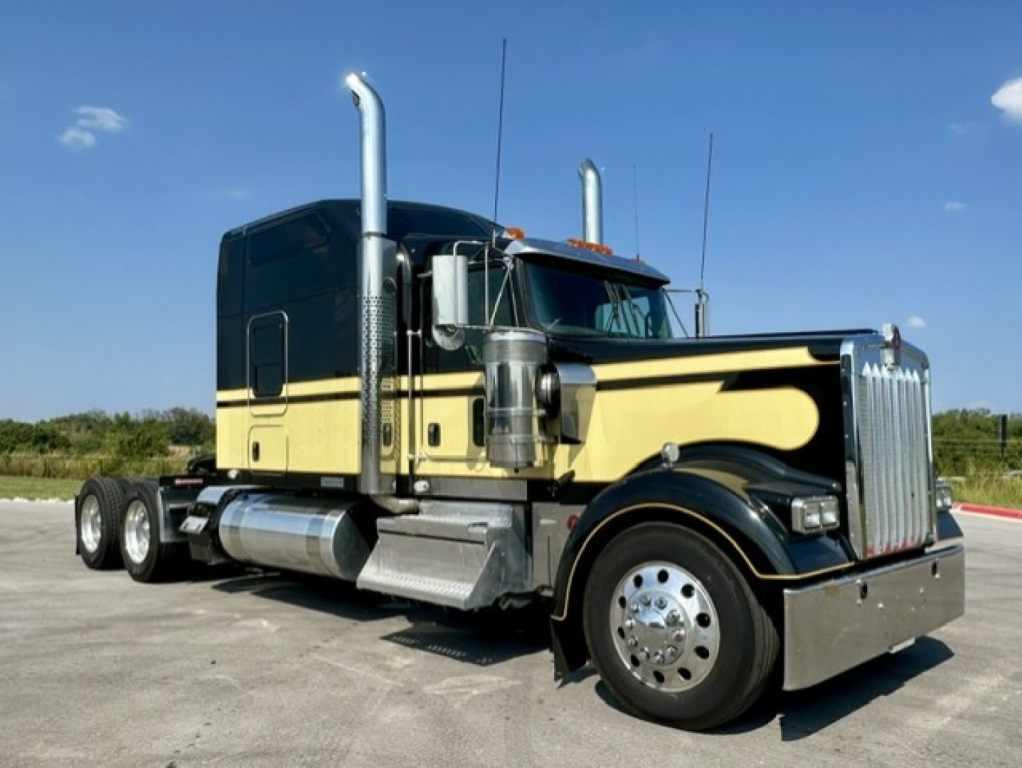
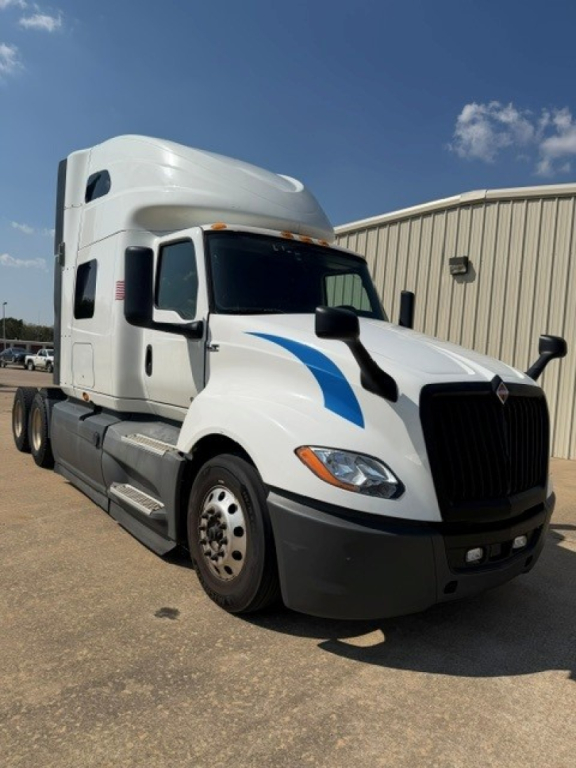

Have used commercial truck to sell? List it here to reach thousands of buyers.
Used Commercial Trucks in Arkansas
The biggest dividing line is truck class and body type. A used pickup-based work truck such as an F-250 service or utility body fits lighter tool-and-crew duty, while medium-duty platforms like a Freightliner M2 or M2106 are common for mixer, vacuum, and municipal applications where PTO-driven equipment, higher GVWR, and commercial brake systems are required. Heavy-duty conventional day cabs and vocational models such as an International WorkStar or Peterbilt 567 are built for severe-service hauling, dump work, lowboy pulling, and other high-load jobs. On these trucks, buyers should pay close attention to axle ratings, wheelbase, rear suspension, transmission configuration, and whether the truck is set up for the intended body or trailer. A tri-axle day cab with an 18-speed and high horsepower serves a very different purpose than a single-rear-wheel service truck with a utility bed.
Used vocational trucks deserve a closer inspection than general on-road trucks because the truck chassis is only part of the value. On a dump truck, check hoist performance, body floor wear, tailgate setup, and signs of heat or hydraulic damage. On a mixer, confirm drum hours, PTO engagement, water system operation, and chute condition. On a vacuum or sewer truck, the blower, boom, debris tank, hose reel, pump, and control panel can drive repair costs faster than the engine or transmission. For service and utility trucks, inspect compartment condition, ladder rack integrity, work lighting, power inverters, compressor setups, and any generator or crane equipment. Arkansas buyers also benefit from checking for corrosion around body mounts, crossmembers, and wiring, especially on former municipal and government units that may have spent years in stop-and-go duty cycles.
Powertrain choice still matters, but it should match the application. Cummins, Detroit, PACCAR, and Navistar-powered trucks each show up in the used Arkansas market, often paired with Allison automatics in vocational service or Eaton manual and automated manual transmissions in heavier haul applications. Lower rear ratios can favor highway efficiency, while vocational trucks often carry ratios better suited for startability and low-speed pulling. Air ride suspension can improve ride quality and trailer compatibility, while spring suspension remains common in dump and off-road work. A strong used truck is one with documented maintenance, working vocational equipment, correct axle and GVWR capacity, and a configuration that fits the route, payload, and operating terrain.
Frequently Asked Questions about Used Commercial Trucks in Arkansas
What types of used trucks are commonly available in Arkansas?
The Arkansas used truck market typically includes light-duty pickups with service or utility bodies, medium-duty commercial trucks, and heavy-duty vocational units such as dump trucks, mixers, vacuum trucks, and conventional day cabs. Availability often reflects regional industries including construction, municipal service, agriculture, and local haul. That means buyers will usually see a mix of chassis-cab work trucks, PTO-driven vocational equipment, and road tractors set up for local or severe-service use.
What should I inspect first on a used vocational truck?
Start with the truck's intended work system, not just the engine. On a dump truck, inspect the hoist, body, tailgate, and hydraulic lines. On a mixer, check drum operation, PTO function, and water components. On a vacuum truck, inspect the blower, pump, tank, boom, hose reel, and controls. After that, review the chassis for frame condition, axle ratings, brake wear, tire condition, suspension type, and signs of electrical or hydraulic neglect. Vocational equipment failures can be more expensive than standard chassis repairs.
Is mileage the most important factor when buying a used truck?
Mileage matters, but it is not the only measure of value or remaining service life. Idle hours, PTO hours, duty cycle, maintenance history, and previous application often tell more of the story. A municipal vacuum truck with moderate road miles may have significant equipment hours, while a day cab with higher highway miles may show less vocational wear. Buyers should compare mileage with engine hours, service records, transmission type, and overall chassis and body condition.
How do I choose the right axle and GVWR setup for a used truck?
Match the axle configuration and GVWR to the actual payload, body weight, and operating environment. Single-axle trucks can be suitable for lighter local service, while tandem and tri-axle configurations are more common for dump, mixer, and heavy haul applications. Front axle capacity, rear axle rating, suspension type, and wheelbase all affect legal payload, maneuverability, and body compatibility. Buying too little capacity creates compliance and durability problems, while buying too much truck can raise operating costs.
Are former municipal or government trucks a good used buy?
They can be, especially when maintenance records are available and the truck was serviced on schedule. Many government trucks have lower annual mileage and consistent preventive maintenance, but buyers still need to evaluate idle time, PTO usage, body wear, and application-specific equipment condition. Former municipal units often spend long periods in stop-and-go service, so brakes, hydraulics, wiring, and accessory systems deserve close attention.