
Used Peterbilt Trucks For Sale in Arkansas
Browse used Peterbilt trucks for sale in Arkansas, including highway and vocational models known for durability, serviceability, and driver appeal.
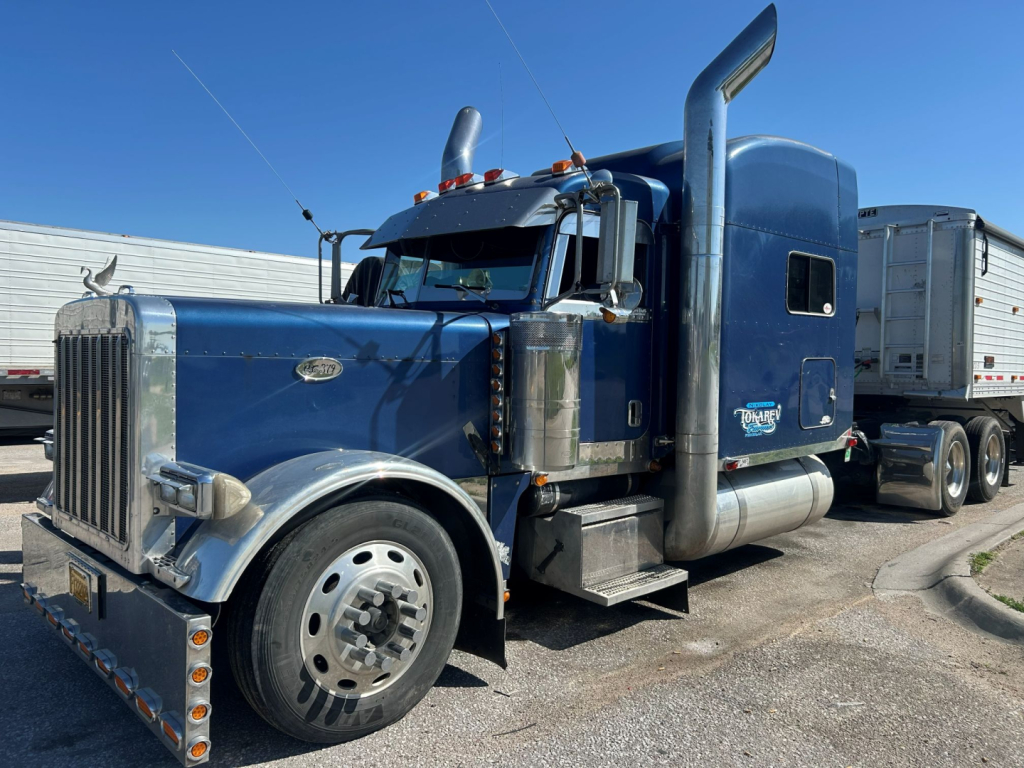
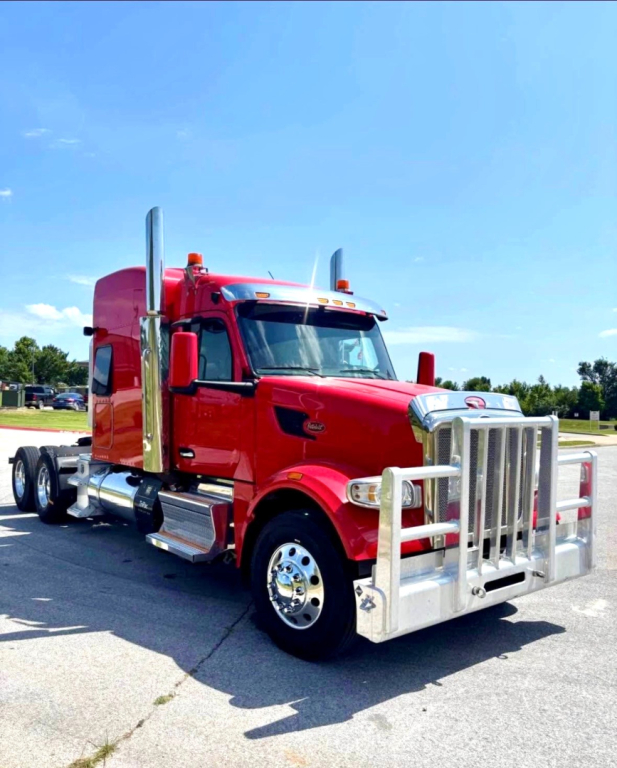
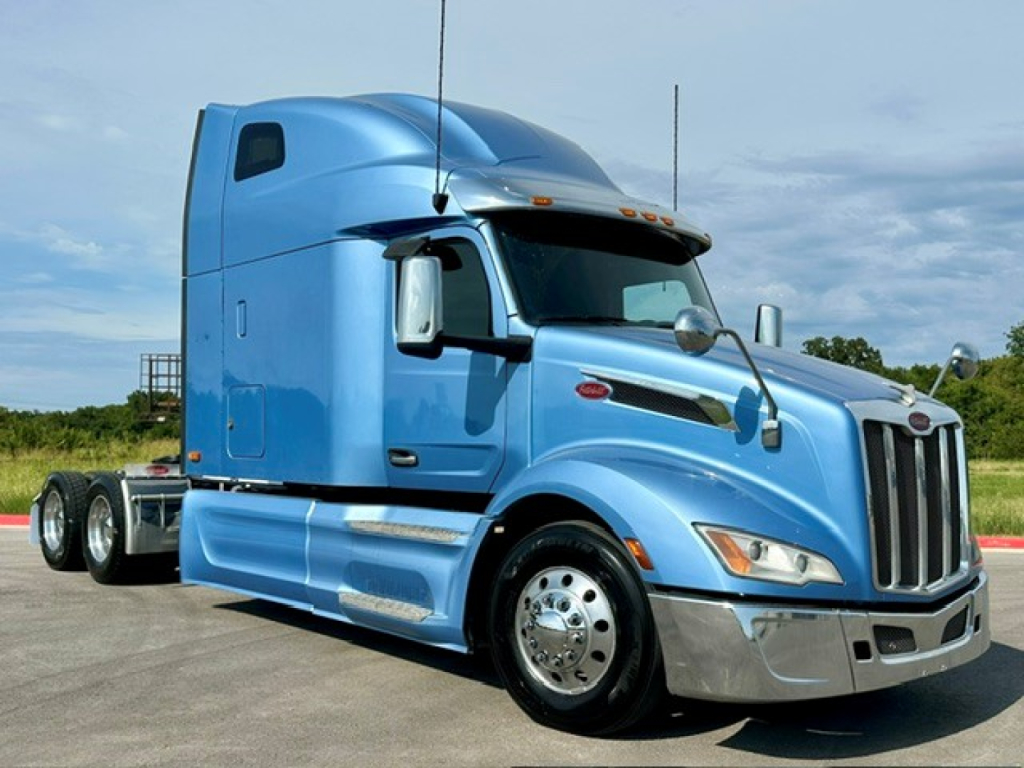
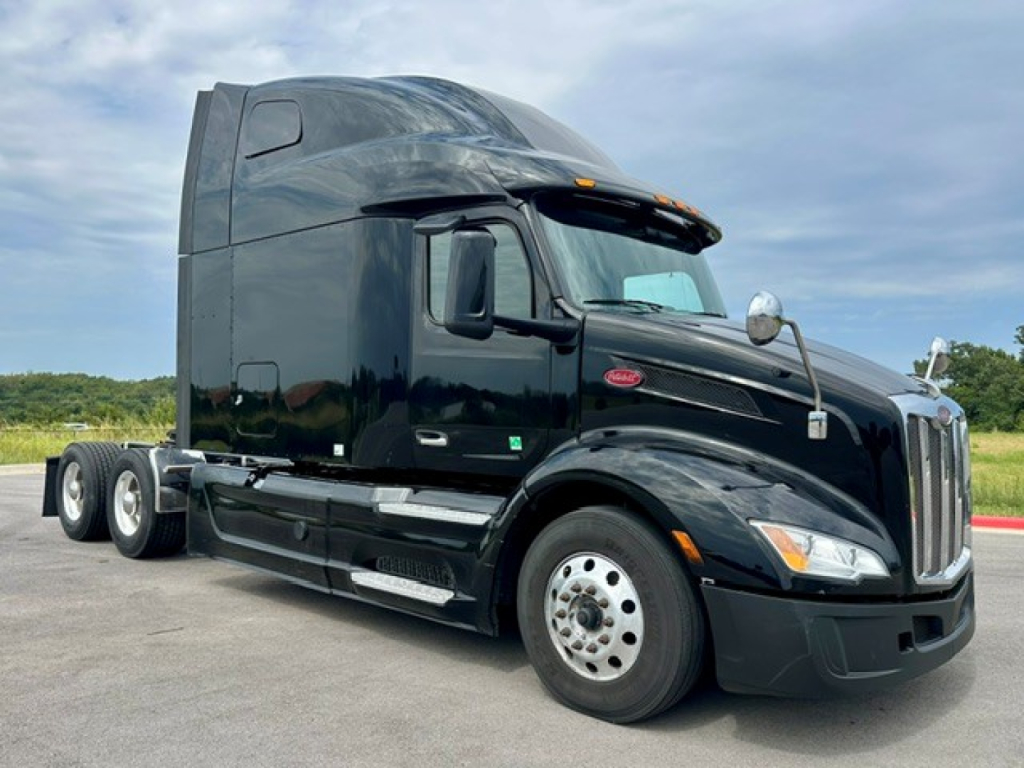
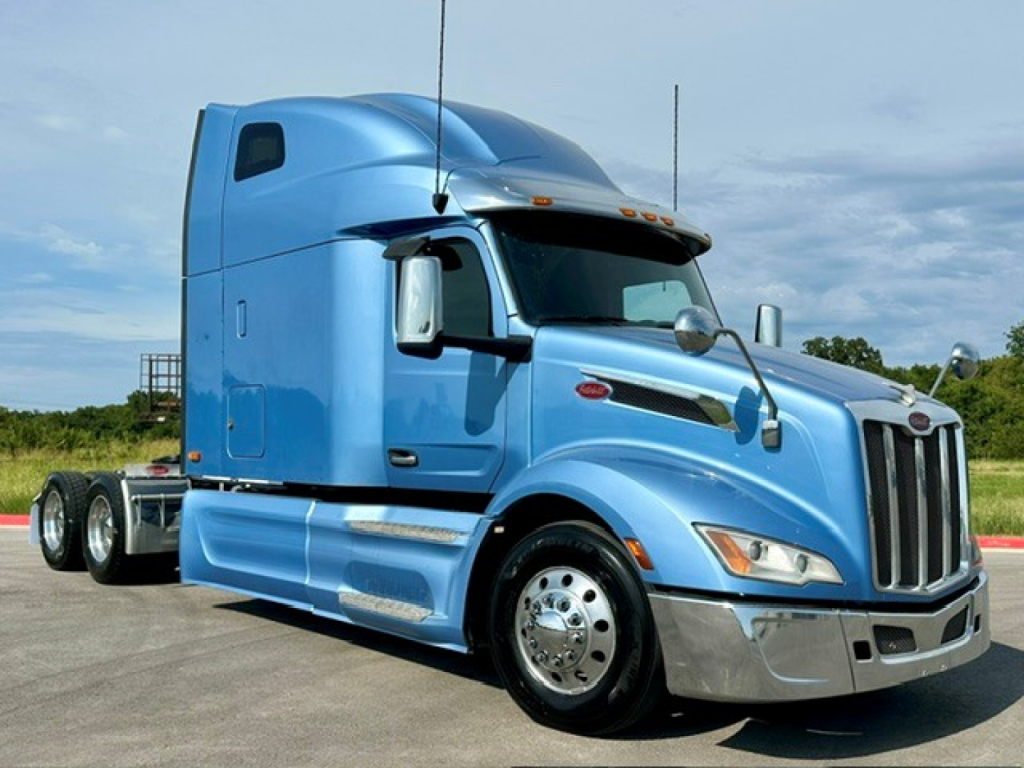
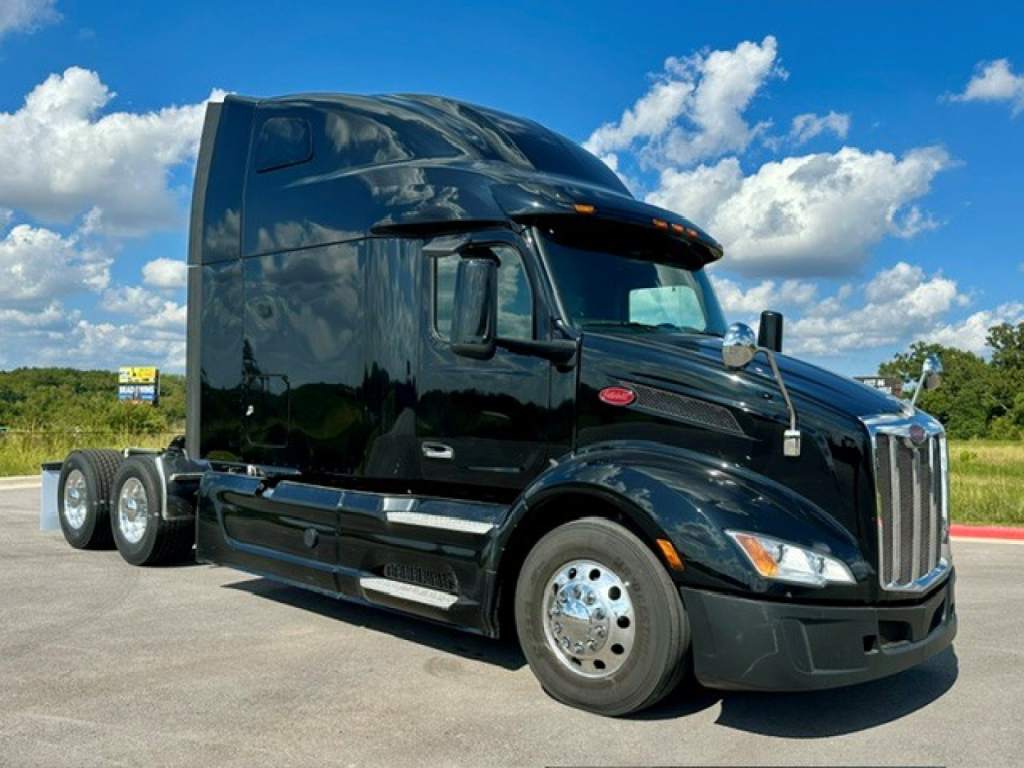

Have used peterbilt truck to sell? List it here to reach thousands of buyers.
Used Peterbilt Trucks in Arkansas
The first decision is usually application, then wheelbase, engine, and cab layout. Sleeper models are common for long-haul freight, while day cabs fit local and regional work where lower weight and tighter maneuvering matter. Buyers often focus on engine make, transmission type, rear axle ratio, suspension, and front axle capacity because those specs determine how well the truck matches the load and route. On older Peterbilts, especially long-hood conventionals, pay close attention to frame condition, prior engine work, driveline updates, steering wear, and signs of heavy customization. A truck with documented inframe or overhaul history, recent cooling system work, brake repairs, or suspension replacement can present better value than a lower-priced unit with unknown maintenance.
Arkansas operating conditions make rust, suspension fatigue, and tire wear important, but corrosion is often less severe than in northern markets. Even so, buyers should still inspect crossmembers, cab mounts, fifth wheel brackets, air tanks, and wiring for age-related issues. For highway tractors, check sleeper condition, HVAC performance, bunk equipment, and overall miles versus repair history. For vocational Peterbilts, look closely at PTO setup, hydraulic plumbing, frame reinforcement, lift axle condition, and any body or equipment mounting. If fuel economy is a priority, newer aerodynamic Peterbilt models may make more sense than a classic long-nose truck, while older 379 and similar models continue to attract buyers who want a rebuildable platform, strong resale, and a traditional owner-operator spec.
A good used Peterbilt is usually defined less by model year than by how it was spec'd and maintained. Service records, ECM data, tire age, brake life, emissions status, and evidence of quality repairs matter more than paint and chrome. Buyers comparing multiple listings should look at gross vehicle weight rating, sleeper size, axle configuration, engine horsepower, transmission model, and maintenance history in one pass so the truck's true operating fit is clear. Peterbilt remains one of the most sought-after names in the used truck market because the platform is familiar to fleets, attractive to independent operators, and available in both traditional and modern configurations.
Frequently Asked Questions about Used Peterbilt Trucks in Arkansas
What should I look for when buying a used Peterbilt truck?
Start with the truck's application and core mechanical history. Verify engine model, transmission, axle ratios, wheelbase, and suspension against the work the truck will actually do. Then review maintenance records, engine rebuild or inframe documentation, ECM data, brake and tire condition, and signs of frame damage or poor-quality repairs. On older Peterbilts, inspect steering components, wiring, cooling system parts, cab mounts, and driveline wear closely because age and prior modifications can affect long-term reliability.
Are older Peterbilt 379 trucks still a good buy?
They can be, especially for buyers who want a traditional long-hood platform with strong resale and broad aftermarket support. The value depends heavily on rebuild quality, frame condition, drivetrain spec, and documentation of major repairs. A well-maintained 379 with verified engine and transmission work can remain productive, but it should be inspected carefully for worn steering, suspension fatigue, electrical issues, and evidence of cosmetic customization hiding structural or mechanical problems.
Which used Peterbilt models are best for fuel economy?
Newer aerodynamic models such as the Peterbilt 579 generally offer better fuel economy than classic long-hood trucks because of their body design, lighter weight options, and newer powertrain technology. Actual results still depend on engine rating, transmission, rear axle ratio, cruise speed, trailer type, and total vehicle weight. Buyers focused on operating cost should compare complete drivetrain specs and emissions system condition instead of choosing by model name alone.
Is a sleeper or day cab better for a used Peterbilt?
That depends on route structure and payload needs. A sleeper is the better fit for over-the-road work, teams, and irregular regional lanes where overnight flexibility matters. A day cab is often better for local and short regional operations because it reduces tare weight, simplifies the truck, and can improve maneuverability. The best choice comes down to revenue use, wheelbase requirements, and the amount of time the driver spends away from the terminal.
Do used Peterbilt trucks hold their value well?
Yes, Peterbilt is one of the stronger names in the used truck market because the brand has consistent buyer demand from fleets and owner-operators. Long-hood models often carry especially strong appeal, but resale is still tied to maintenance history, emissions condition, mileage, and overall spec. A truck with documented service, a desirable drivetrain, and clean frame and cab condition will usually command more attention than a similar truck with missing records or deferred repairs.