
Used 2022 Commercial Trucks For Sale in Arkansas
Browse used 2022 trucks in Arkansas, including highway tractors, medium-duty, and vocational models with modern emissions and driver-focused specs.
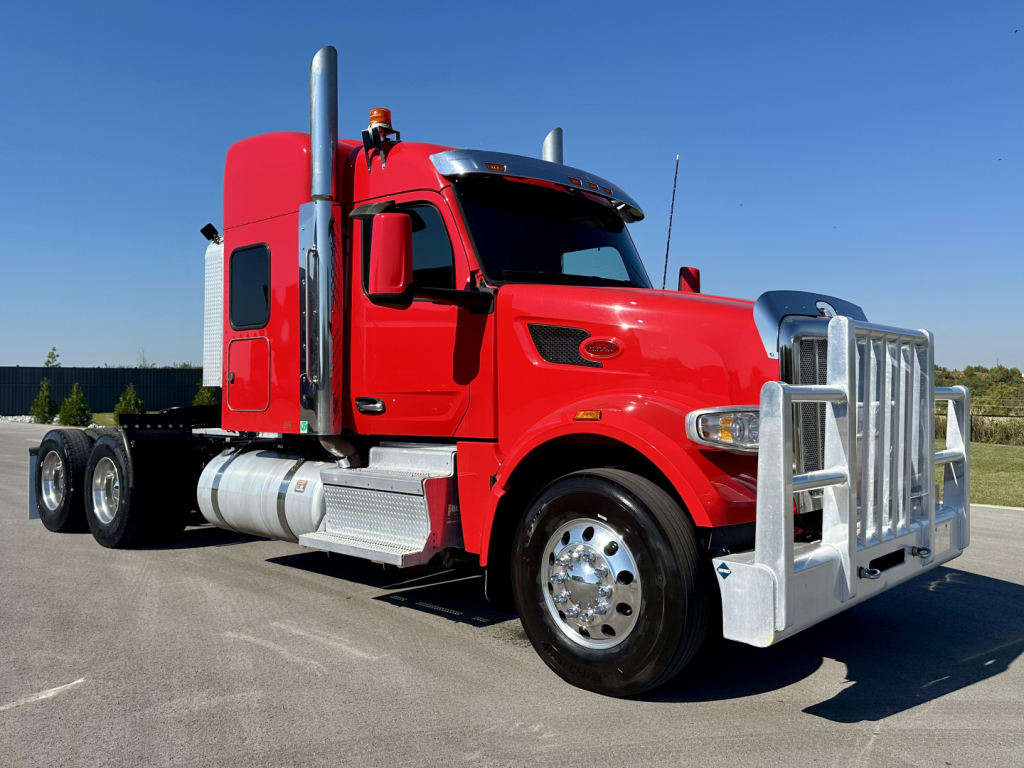
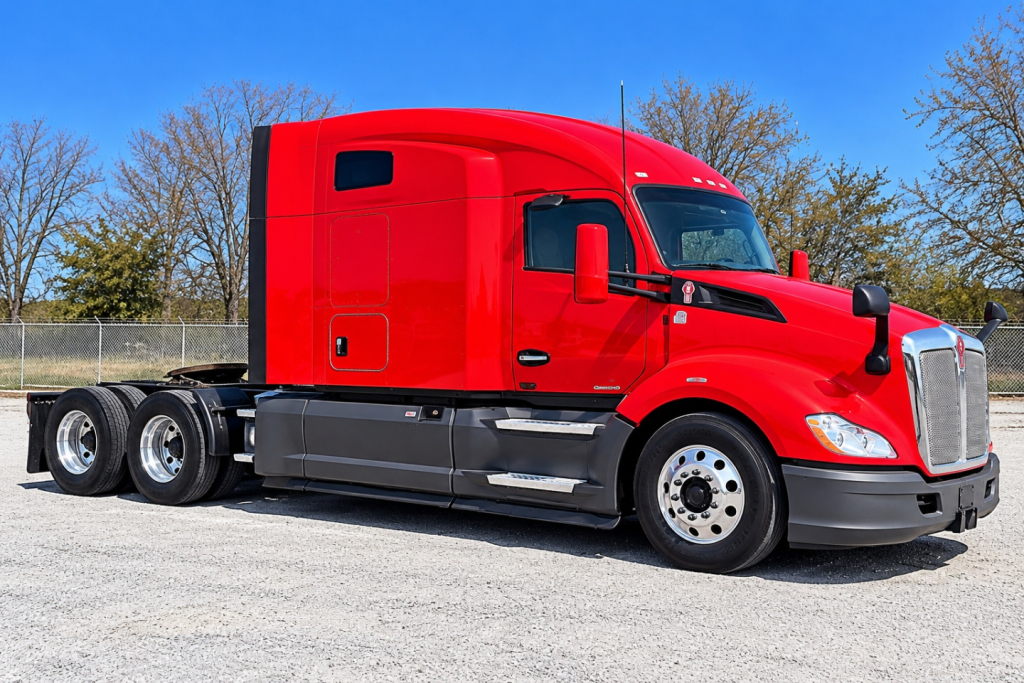
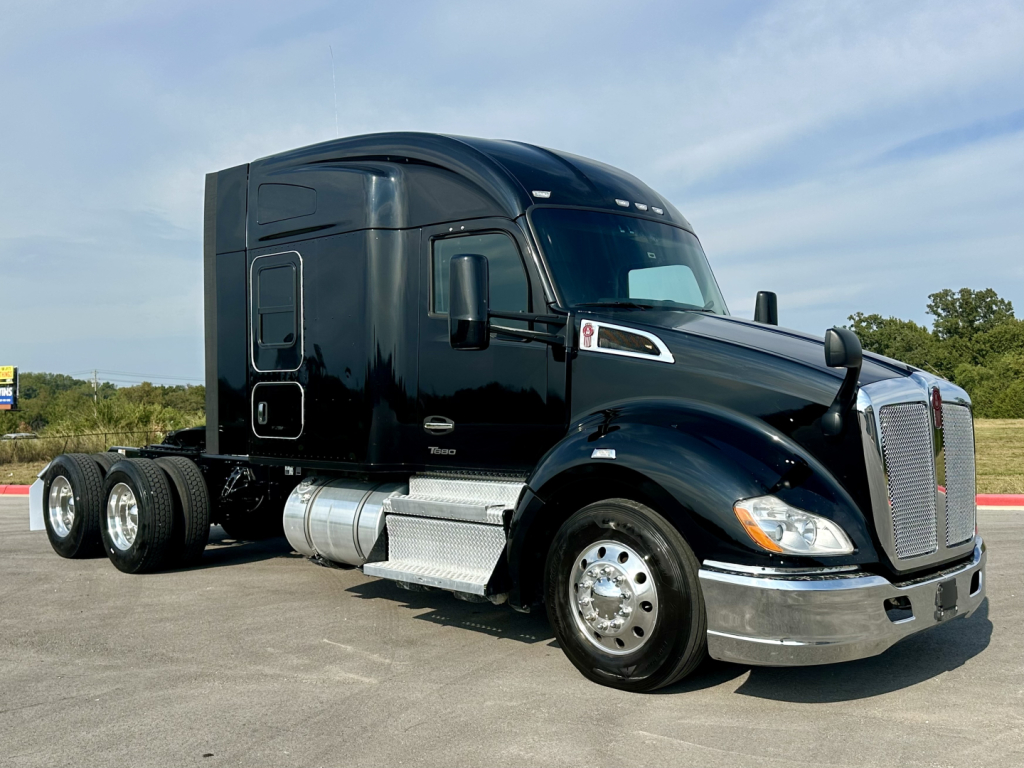
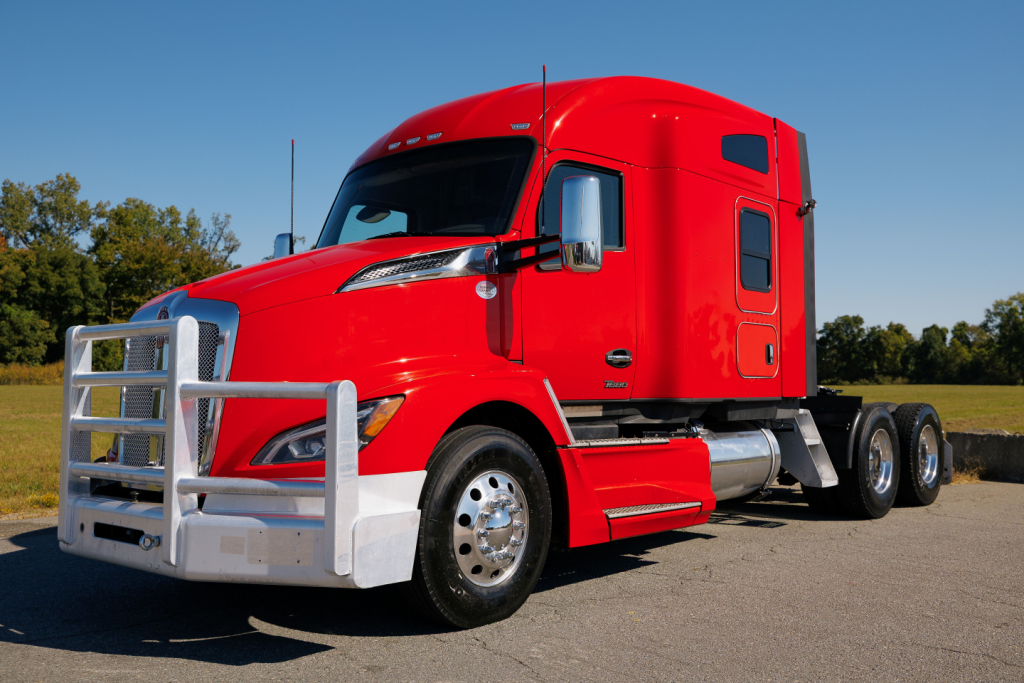
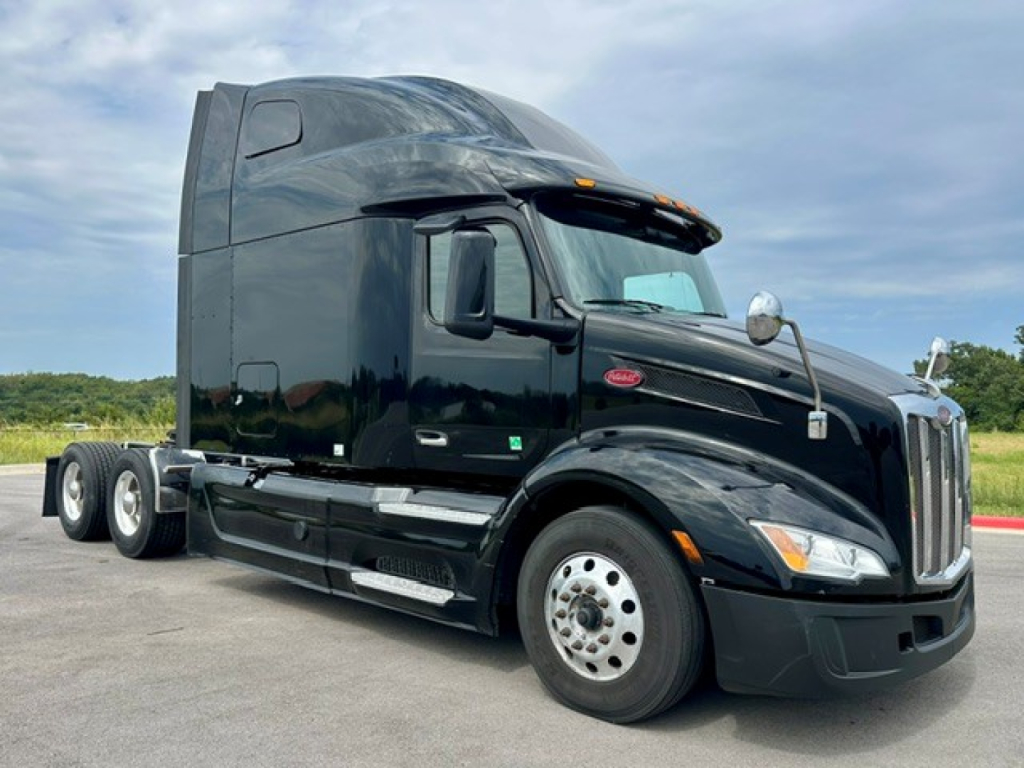
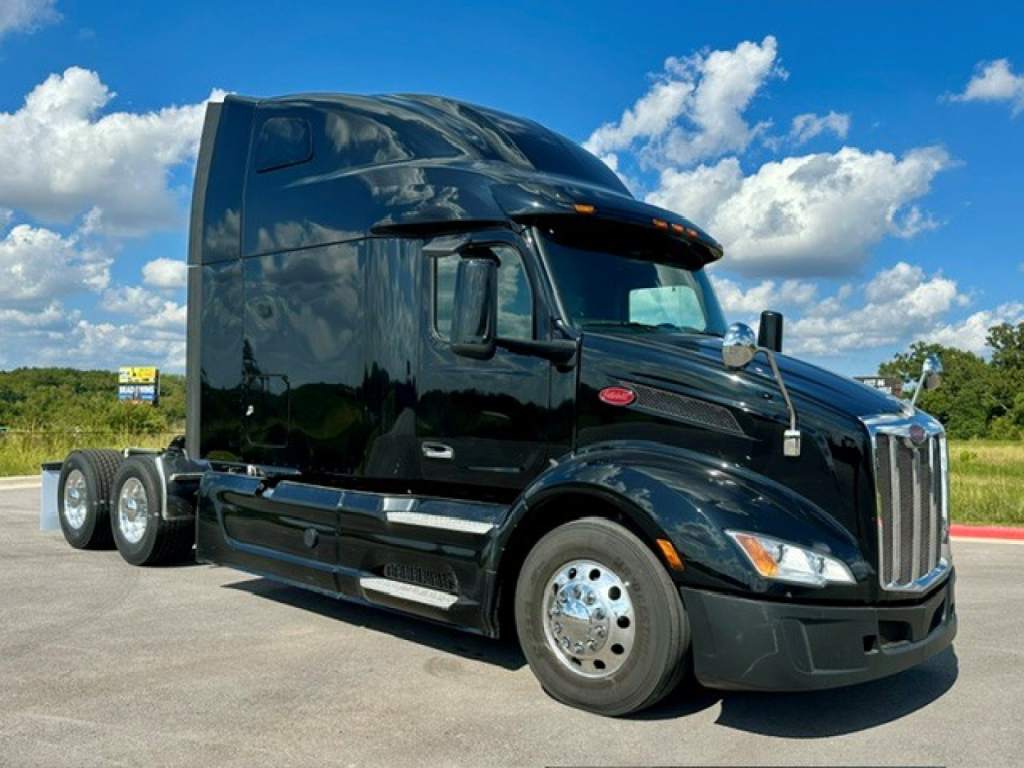
Selling a used 2022 commercial truck? List your used 2022 commercial truck for sale and reach thousands of commercial buyers.
Used 2022 Commercial Trucks in Arkansas
The first buying decision is usually application, then axle and engine spec. In Arkansas, that can mean balancing interstate freight needs on I-40 or I-30 with regional farm, construction, utility, or oilfield work. For over-the-road use, a 2022 sleeper or day cab often comes with aerodynamic packages, automated manual transmissions, and engine ratings commonly ranging from the mid-300s to 500 horsepower, depending on duty cycle. Medium-duty and vocational 2022 trucks may be spec'd with Allison automatics, PTO capability, spring or air-ride suspensions, and GVWR classes suited for local hauling or specialized body installations. Buyers should verify wheelbase, front axle capacity, rear axle ratio, and PTO provisions early, because those details determine whether the truck fits the intended body, trailer, and payload.
A used 2022 truck also deserves close attention on emissions and electronics. Many trucks from this model year use mature diesel aftertreatment systems with DPF, SCR, and DEF dosing strategies that perform well when maintained correctly, but service records still matter. Idle hours, engine hours versus road miles, regen history, and fault code activity can tell you as much as odometer reading. For sleepers and linehaul tractors, look at adaptive cruise, lane departure, disc versus drum brake setup, tire size, and fairing condition. For vocational trucks, inspect frame integrity, crossmembers, hydraulic plumbing, body upfit quality, and evidence of PTO or pump use. Arkansas buyers should also pay attention to rust history, especially on trucks that may have operated across multiple states, even if local corrosion is lighter than in northern markets.
Resale value and service support remain important advantages in this category. Popular 2022 truck platforms from Freightliner, International, Peterbilt, Kenworth, Mack, Western Star, Ram, Ford, and Chevrolet typically have broad parts availability and strong technician familiarity. That matters when comparing a highway tractor to a medium-duty chassis or pickup-based work truck. The best choice is rarely just the newest cab or lowest miles. It is the truck with the right engine and transmission pairing, axle ratings, maintenance documentation, and body or fifth-wheel setup for the work you need done in Arkansas.
Frequently Asked Questions about Used 2022 Commercial Trucks in Arkansas
What are the main advantages of buying a used 2022 truck in Arkansas?
A used 2022 truck often gives buyers a strong balance of modern features and lower acquisition cost than a new model. Trucks from this year commonly include updated safety systems, improved fuel-efficiency calibration, better cab ergonomics, and current emissions technology, while still being recent enough to have accessible maintenance history and strong parts support. For Arkansas operations, that makes 2022 models attractive for regional freight, agriculture, construction, and local delivery.
What should I check first on a used 2022 truck?
Start with the truck's intended application and confirm the hard specs match the job. Key items include GVWR or GCWR, axle configuration, wheelbase, engine horsepower and torque, transmission type, rear axle ratio, suspension, PTO capability, and any body or fifth-wheel setup. After that, review engine hours, idle hours, service records, fault codes, tire condition, brake wear, and signs of frame or suspension stress. On a 2022 model, electronic and aftertreatment health is just as important as mileage.
Are 2022 diesel trucks reliable from an emissions standpoint?
They can be very reliable if they were operated and maintained correctly. By 2022, most major manufacturers had well-developed DPF and SCR systems, but reliability still depends on duty cycle, quality of DEF usage, proper regen events, and consistent preventive maintenance. A truck that spent excessive time idling or short-cycling in stop-and-go work without proper service attention may present more emissions-related issues than one with higher road miles and clean maintenance records.
Is a 2022 sleeper truck a better buy than a 2022 day cab or medium-duty truck?
That depends entirely on route structure and payload requirements. A 2022 sleeper truck is better suited for over-the-road and multi-day regional work where driver comfort, fuel range, and aerodynamics matter. A day cab may be the better fit for short-haul, port, or dedicated regional lanes. A medium-duty 2022 truck makes more sense for city delivery, utility, flatbed, dump, or service applications where body configuration, GVWR, and maneuverability are more important than sleeper space.
Do Arkansas buyers need to worry much about corrosion on used 2022 trucks?
Yes, especially if the truck has a multistate operating history. Arkansas generally presents less corrosion risk than northern snow-belt states, but many used trucks have traveled across regions with heavy road salt exposure. Buyers should inspect frame rails, brake components, crossmembers, wiring, air tanks, suspension hardware, and cab mounts. A clean Arkansas location does not automatically mean the truck spent its life in a low-rust environment.