
Used Conventional Sleeper Trucks For Sale in Arkansas
Browse used conventional sleeper trucks in Arkansas with specs, sleeper options, drivetrain insights, and long-haul buying guidance.
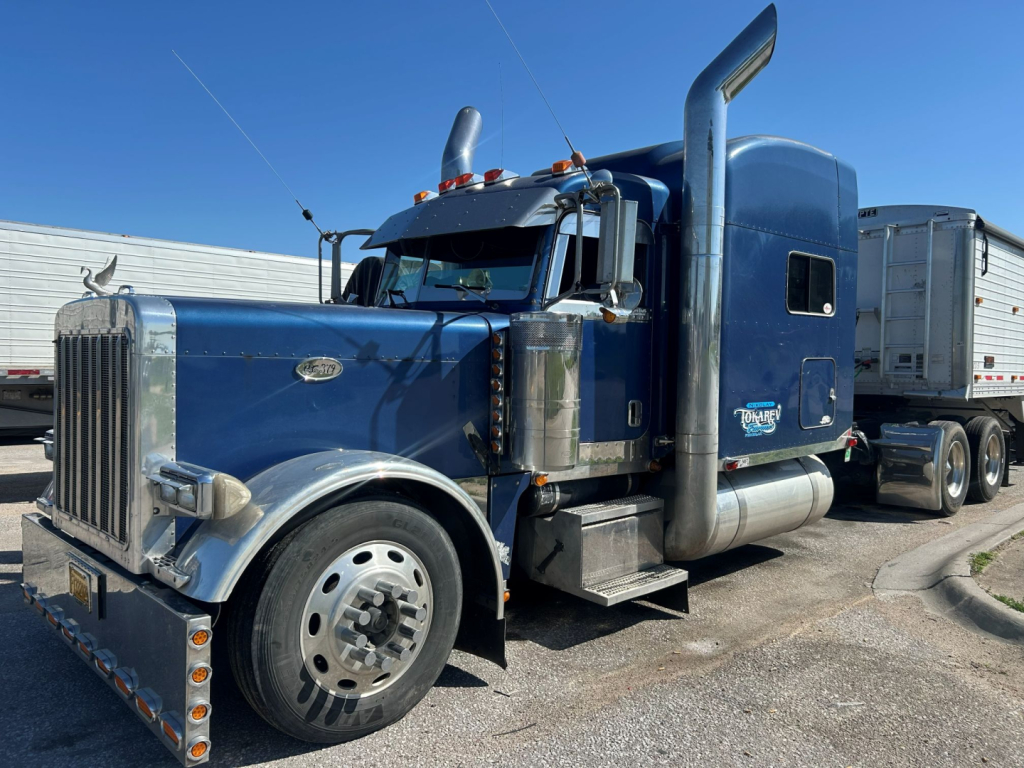
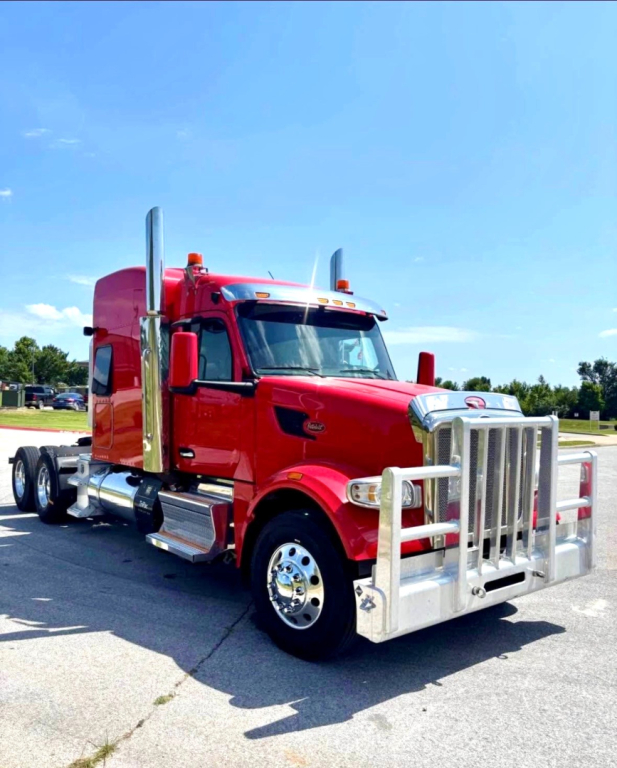
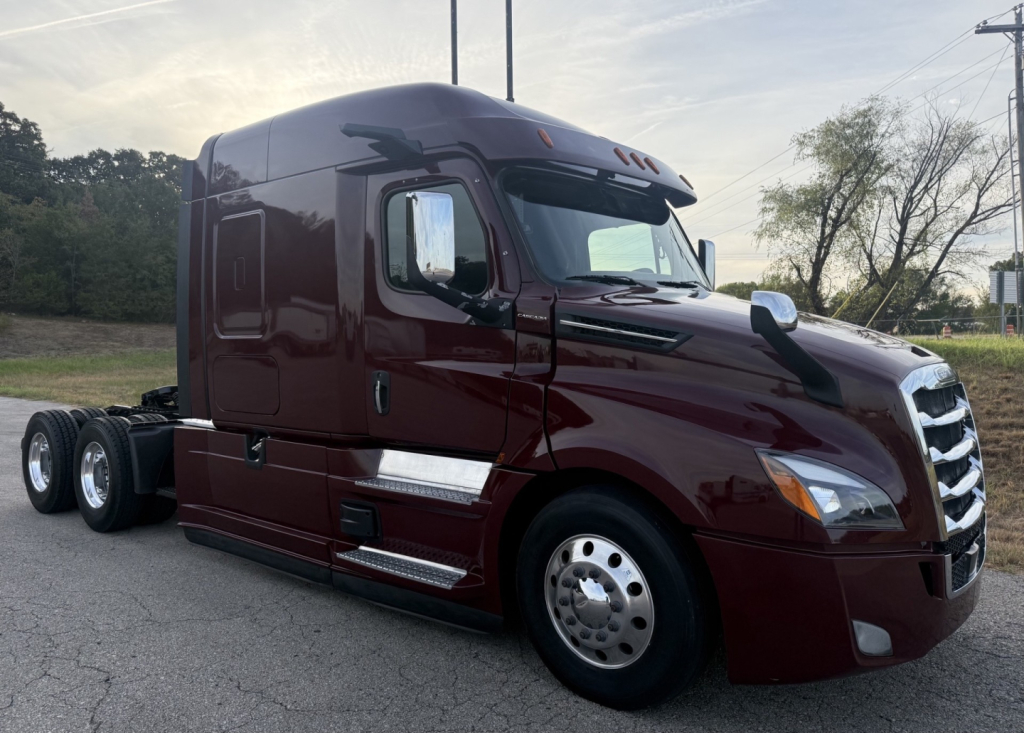
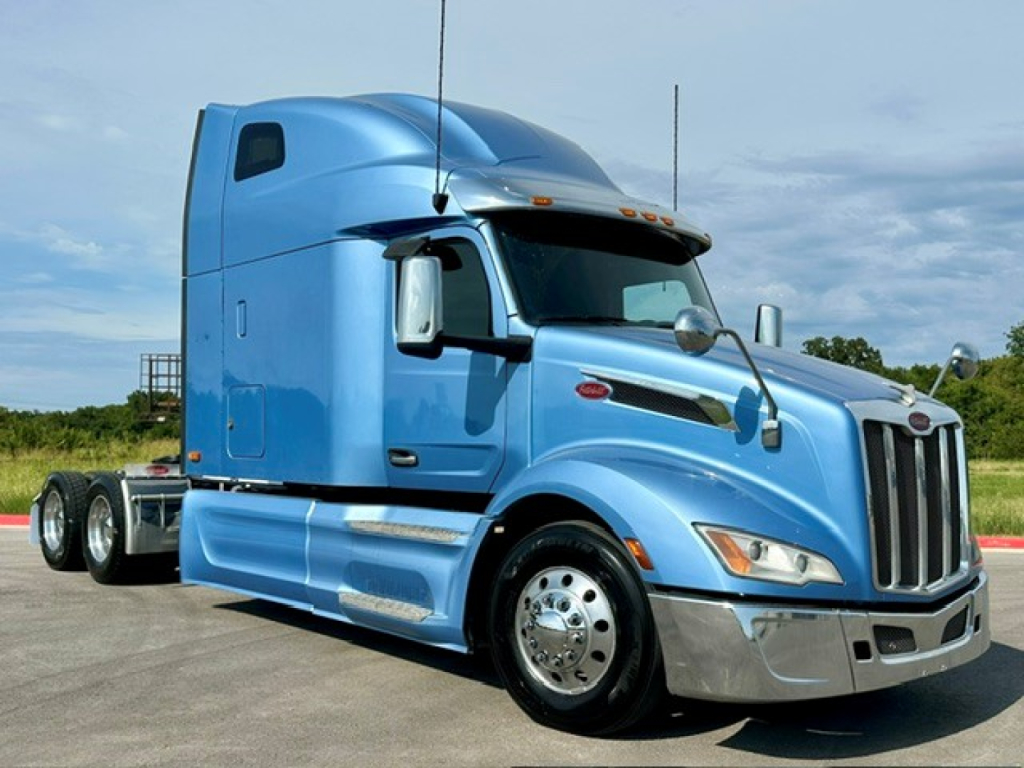
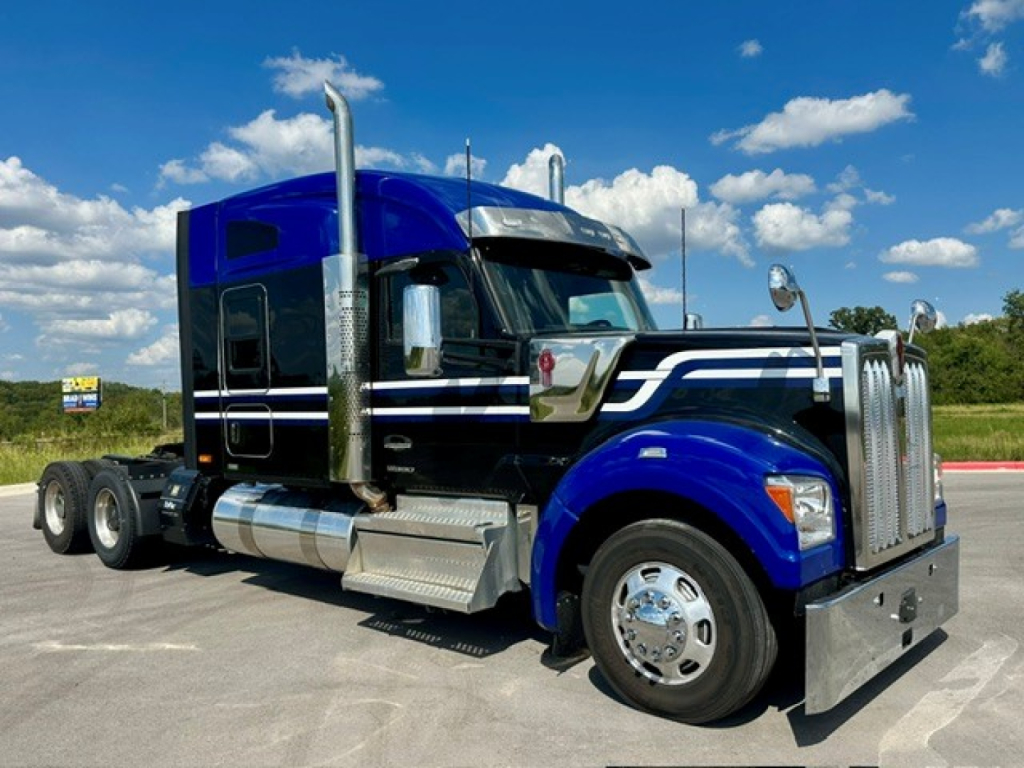
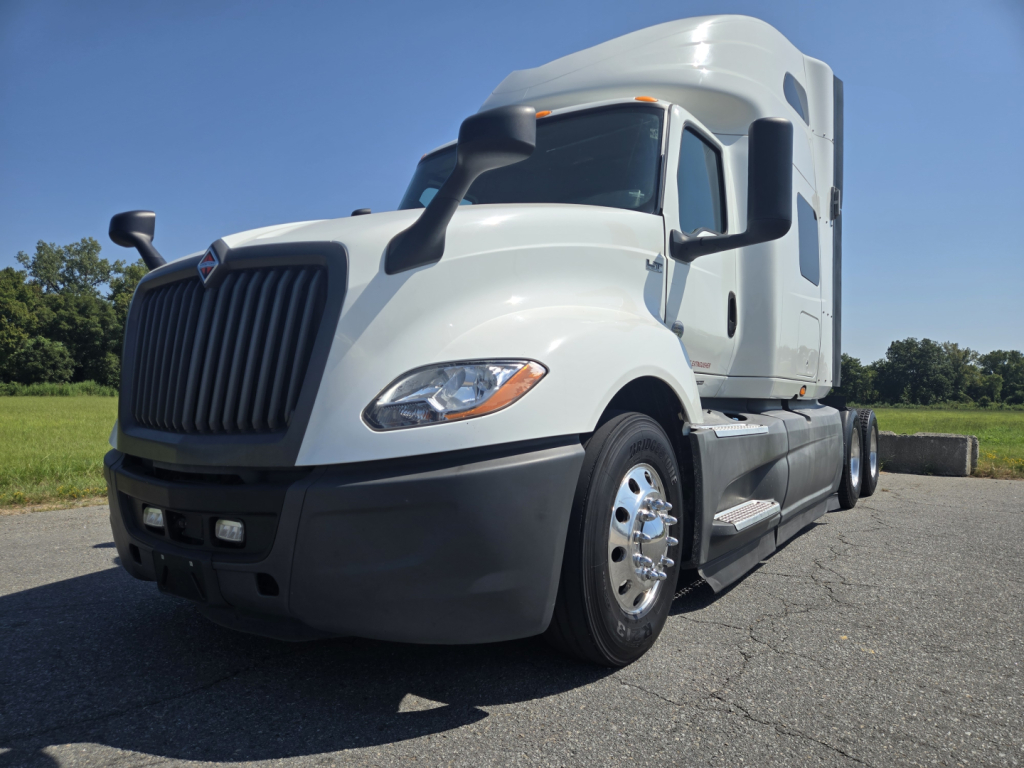
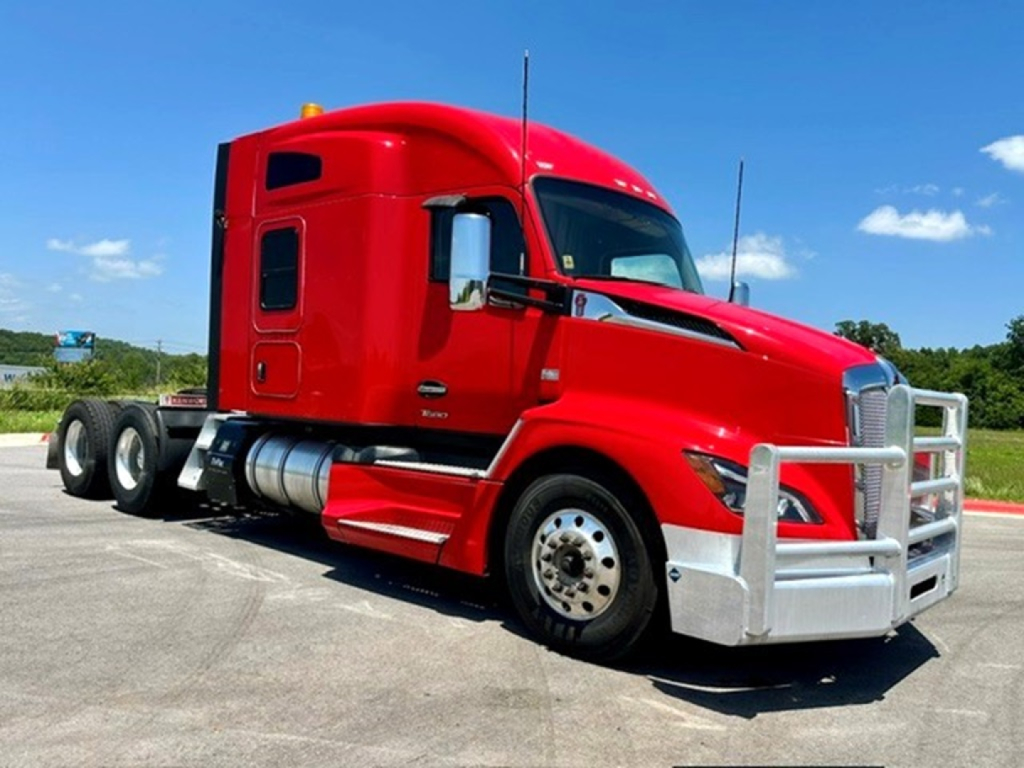
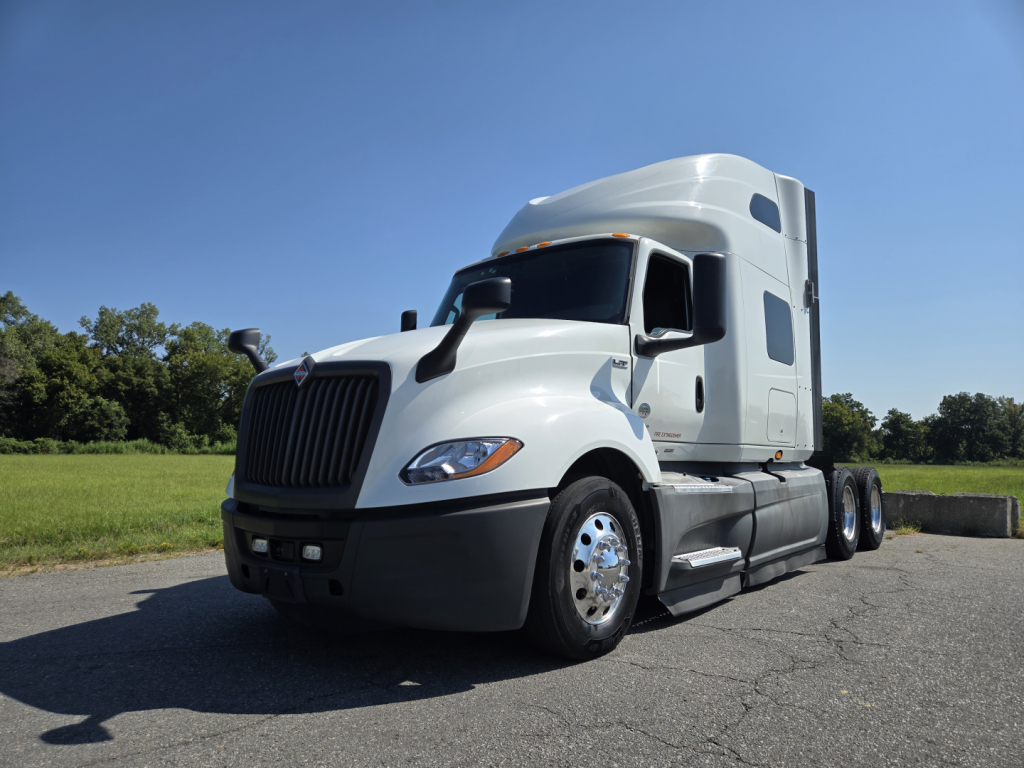
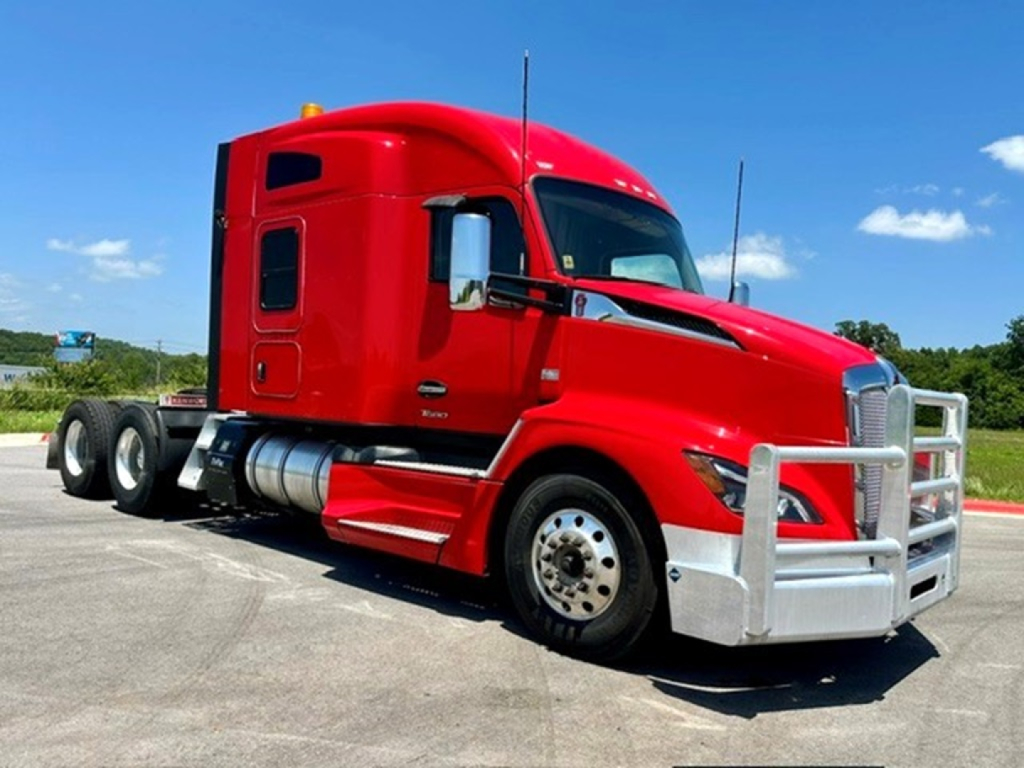
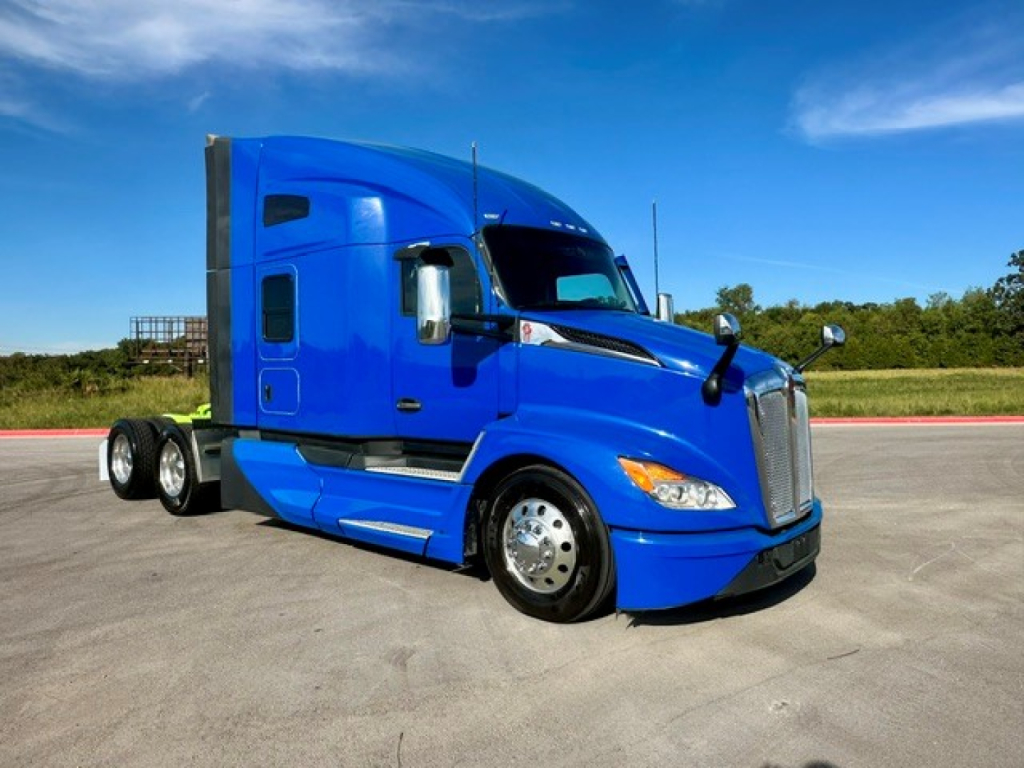
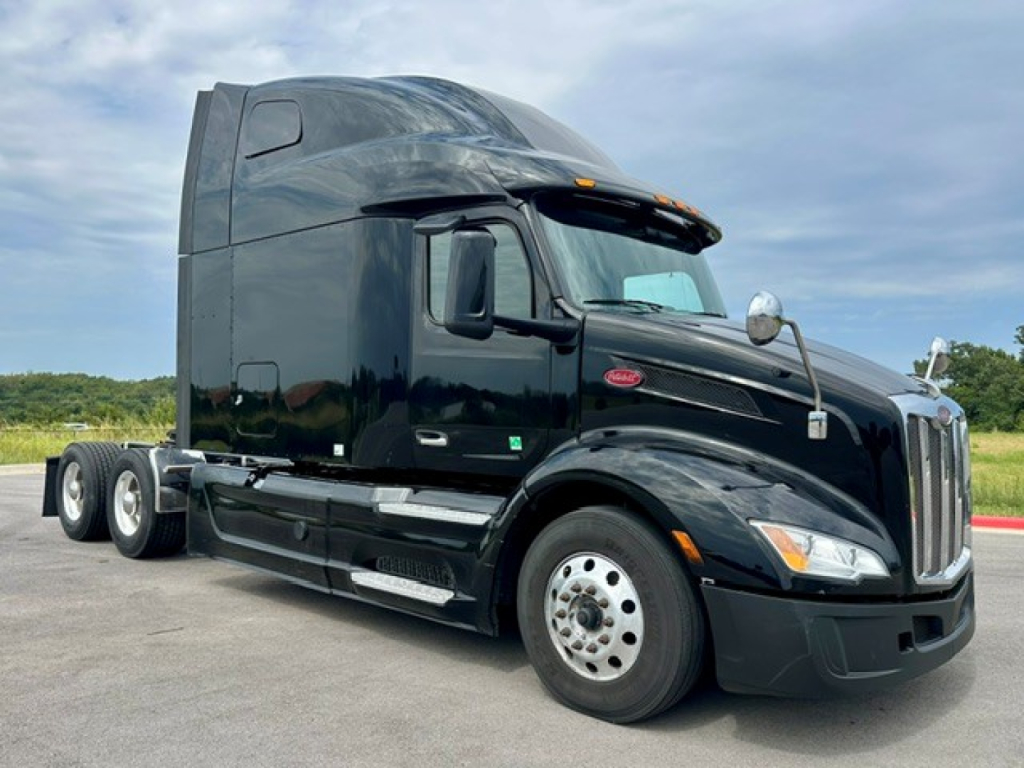
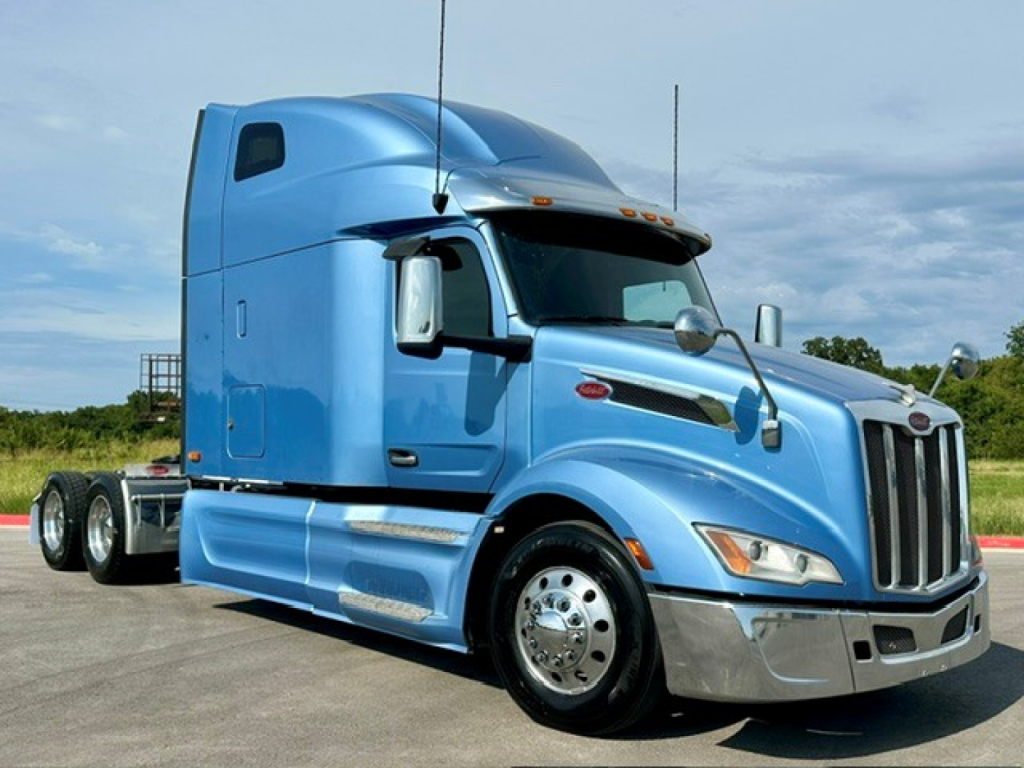
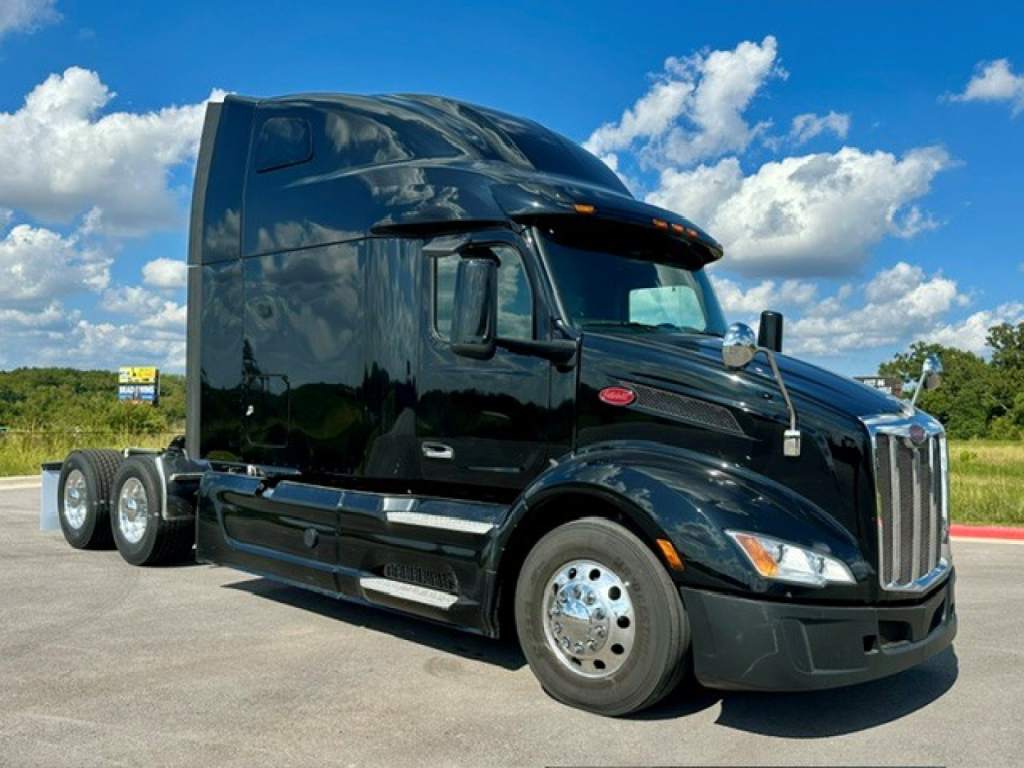
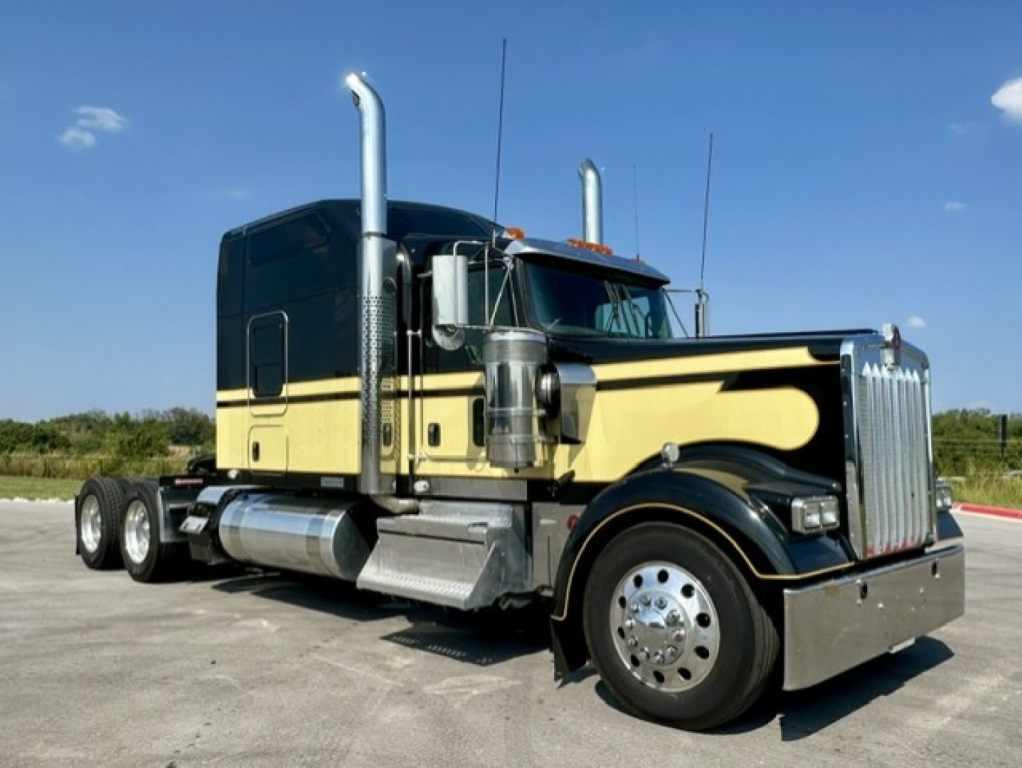
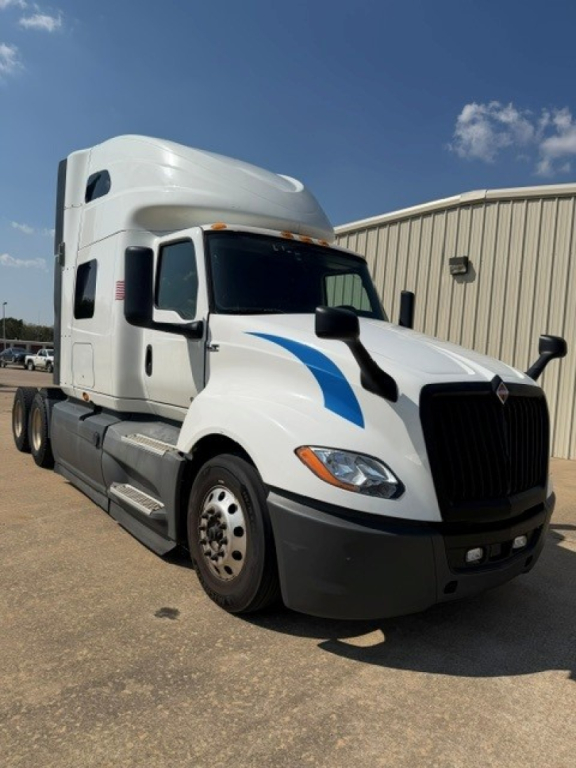

Have used conventional sleeper truck to sell? List it here to reach thousands of buyers.
Used Conventional Sleeper Trucks in Arkansas
The most important spec decisions usually come down to engine, transmission, rear axle ratio, sleeper size, and emissions system history. Common engines in this class include Detroit, Cummins, and Caterpillar on older units, paired with 10-speed, 13-speed, 18-speed, or automated manual transmissions. A truck geared for fuel economy on highway freight will feel different from one set up for heavy haul, hills, or frequent start-stop work. Sleeper configuration matters too. Mid-roof sleepers can keep weight down and work well for regional operations, while larger stand-up sleepers and double bunks make more sense for team driving or extended time on the road. On used trucks, buyers should pay close attention to DPF, DEF, EGR, turbo, injector, and aftertreatment service records on newer emissions-equipped models, along with clutch wear, driveline condition, and evidence of consistent PM intervals.
Cab and chassis details can make a major difference in day-to-day usability. APU systems, inverter setups, bunk heaters, load racks, fairings, and sleeper storage all add value depending on the application. Frame condition, fifth wheel wear, suspension bushings, brake life, tire date codes, and alignment are worth checking closely, especially on trucks that have spent time in multi-state service. Arkansas buyers also tend to weigh cooling system performance and A/C condition heavily because summer heat and long idle exposure can reveal weak components fast. If the truck is intended for flatbed or specialized trailer work, verify wheelbase, headache rack clearance, PTO capability if needed, and how the current kingpin setting and axle spread will affect bridge compliance and maneuverability.
A strong used conventional sleeper truck should match the freight first, then the driver, then the budget. A newer aerodynamic sleeper may deliver better fuel economy and a quieter cab for high-mileage lanes, while a well-kept long-hood truck may appeal to buyers who want simpler architecture, specific engine families, or a traditional owner-operator setup. The best value is rarely just the lowest purchase price. It is the truck with the right maintenance history, clean drivetrain spec, and sleeper configuration that supports revenue without creating avoidable downtime.
Frequently Asked Questions about Used Conventional Sleeper Trucks in Arkansas
What should I look for first on a used conventional sleeper truck?
Start with the drivetrain spec and maintenance records. Engine model, transmission type, rear axle ratio, and emissions equipment history will tell you far more about the truck’s fit than appearance alone. Review service documentation for oil changes, overheads, DPF cleaning, injector work, turbo replacement, coolant system repairs, and transmission or clutch work. Then inspect wear items such as brakes, tires, suspension, fifth wheel, batteries, and cab components because deferred maintenance in these areas adds up quickly after purchase.
Is a double-bunk sleeper worth it on a used truck?
A double-bunk sleeper is worth the extra space if the truck will be used for team driving, extended over-the-road runs, or drivers who spend multiple nights out each week. It adds comfort, storage, and flexibility, and many buyers also value the extra room for inverter setups, refrigerator space, and personal gear. For lighter regional work, a smaller sleeper may be the better choice because it can reduce weight and keep the truck simpler. The right decision depends on route length, driver retention needs, and payload sensitivity.
Are newer aerodynamic sleeper trucks better than older long-hood conventionals?
They are better for some operations, but not all. Newer aerodynamic sleepers usually offer improved fuel economy, quieter interiors, tighter turning, and more modern safety and driver-assist systems. Older long-hood conventionals are still attractive to buyers who prefer certain engine platforms, easier access for some repairs, or a traditional owner-operator layout. The tradeoff is that older trucks may have age-related wiring, suspension, and interior issues, while newer trucks may bring more emissions-system complexity. The right choice depends on your maintenance model, route profile, and total cost of ownership goals.
How important is an APU on a used sleeper truck in Arkansas?
An APU can be a major advantage in Arkansas because summer heat puts constant demand on cab cooling during rest periods. It helps reduce engine idling, lowers fuel consumption, and can limit wear tied to extended idle hours. It also improves driver comfort, which matters on long-haul operations. On a used truck, confirm the APU’s hours, service history, output, and whether it properly supports HVAC and hotel loads before assigning too much value to it.
What axle and transmission setup works best for general freight?
For general van and reefer freight, many buyers favor a tandem axle sleeper with a 10-speed or automated manual transmission and highway-friendly rear axle gearing for balanced fuel economy and drivability. A 13-speed may be preferred when routes include hills, heavier loads, or more driver control is needed. The best setup depends on average gross weight, terrain, start-stop frequency, and the trailer you plan to pull. Matching gearing to your lanes is critical because a poor spec can cost fuel every mile or leave the truck struggling under load.