
Used 2023 Conventional Sleeper Trucks For Sale in Arkansas
Used 2023 conventional sleeper trucks for sale in Arkansas: compare gearing, emissions records, and sleeper specs for Ozark grades and interstate hauling.
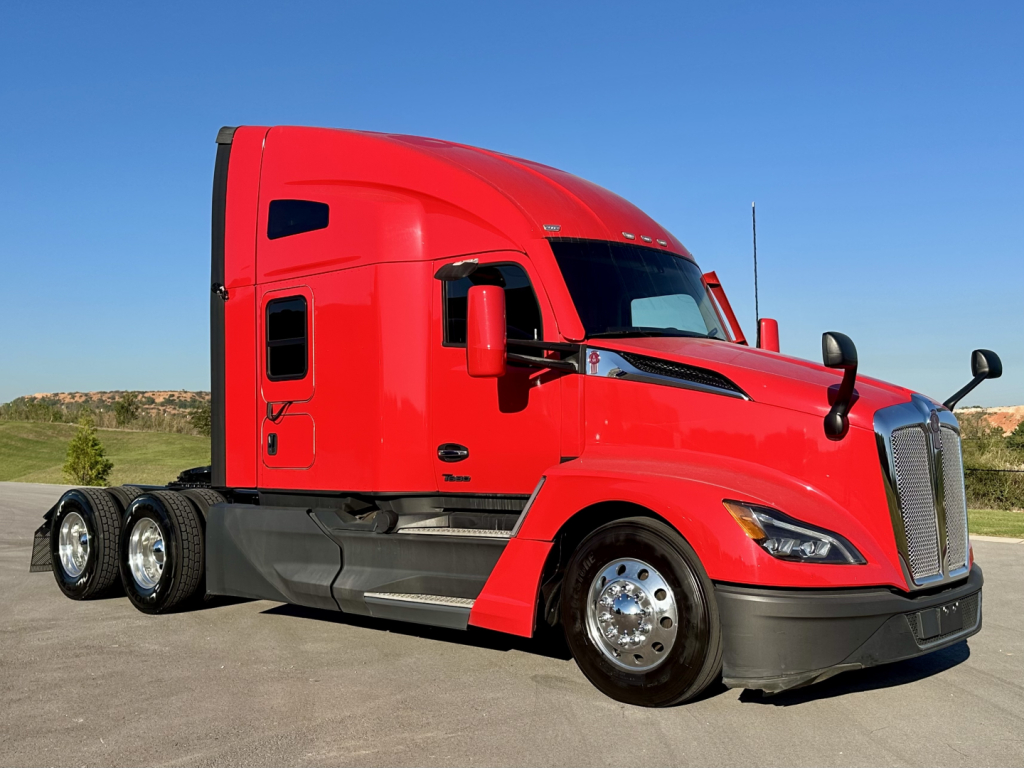
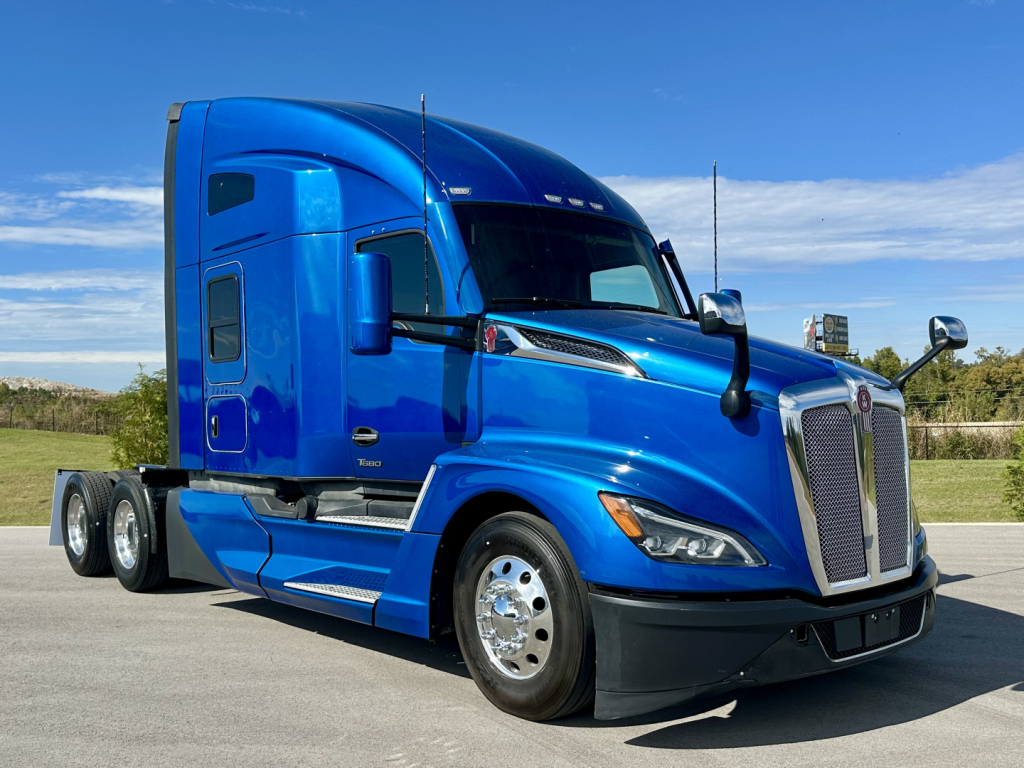
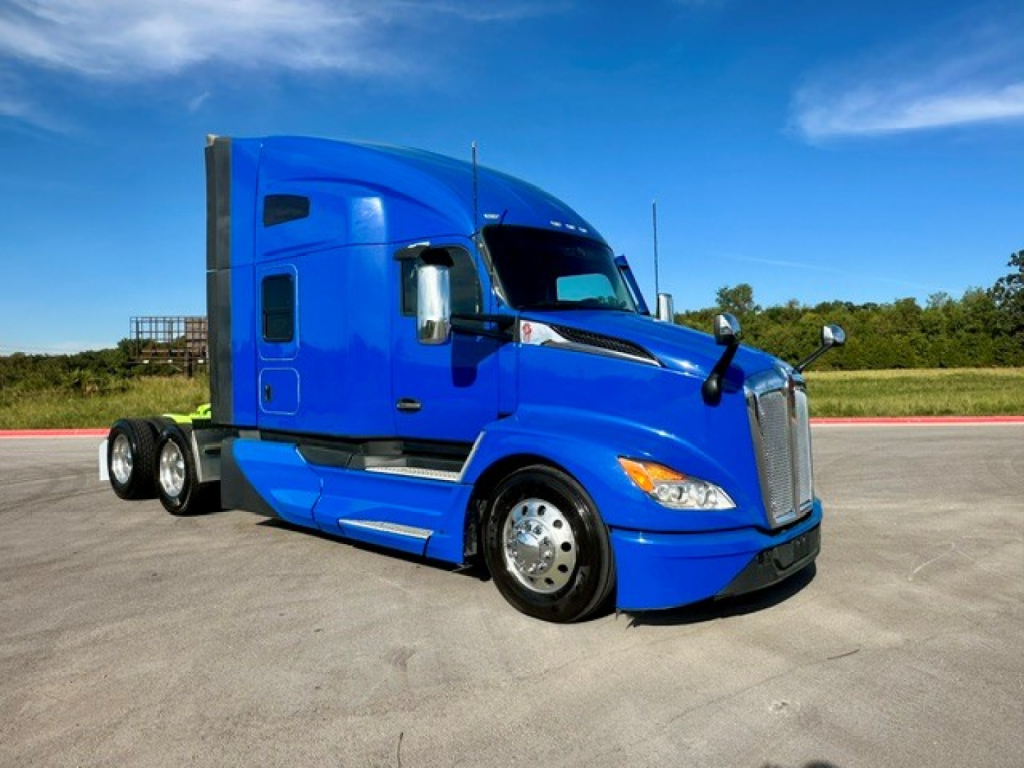
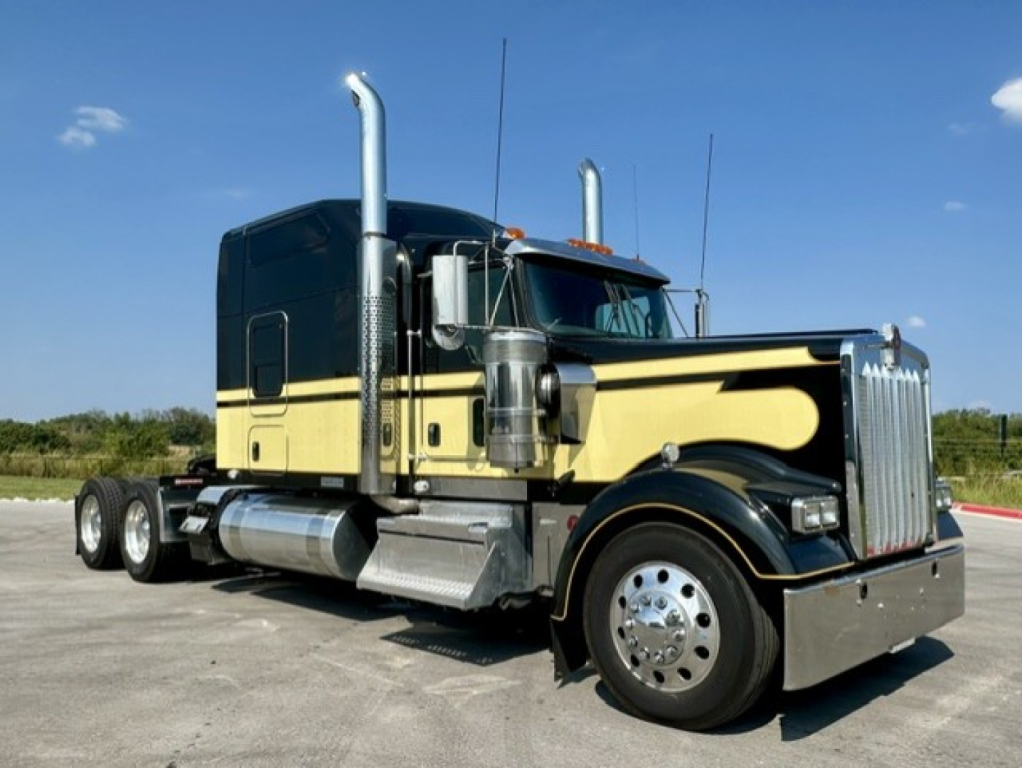
Selling a used 2023 conventional sleeper truck? List your used 2023 conventional sleeper truck for sale and reach thousands of commercial buyers.
Used 2023 Conventional Sleeper Trucks in Arkansas
For the 2023 model year, compare aerodynamic platforms such as the Kenworth T680, Peterbilt 579, Freightliner Cascadia, and Volvo VNL against traditional long-hood models such as the Kenworth W900L. Common highway pairings include the Cummins X15 or PACCAR MX-13 in T680 and 579 tractors, Detroit DD15 with DT12 in Cascadias, and Volvo D13 with I-Shift in VNLs. Engine availability and transmission choice vary by build, so verify the factory specification. These are modern DPF, SCR, and DEF-equipped diesels from the GHG Phase 2 era, not pre-emissions trucks.
Axle ratio means little without transmission top gear, tire size, and engine torque rating. I-40 and I-30 linehaul favors efficient cruise gearing, while I-49 and Ozark grades put more emphasis on startability, cooling capacity, and engine-brake performance. Compare wheelbase and fifth-wheel travel against the intended trailer's kingpin setting, axle loading, and yard access. An oversized sleeper, long frame, or extra fuel capacity can reduce payload and complicate tight poultry-plant or mill approaches.
High annual utilization can give a 2023 tractor substantial wear despite its relatively recent model year. Match ECM mileage, engine hours, idle time, and fault history to maintenance records, then inspect DPF cleaning history, regeneration frequency, SCR performance, and evidence of emissions tampering. Request a cold start, loaded road test, diagnostic scan, and an independent inspection of clutch wear, driveline vibration, wheel ends, brakes, and fifth-wheel locking components. Oil and coolant analysis can help identify developing engine problems, but neither replaces documented service history.
Arkansas heat and humidity make radiator cleanliness, charge-air-cooler integrity, fan operation, and sleeper air conditioning important checks. Inspect cab seals and roof seams for water intrusion, and examine frame rails, electrical connectors, and cab mounts for corrosion, especially on trucks previously run in salted northern states. Verify bunk dimensions, HVAC performance, storage, inverter capacity, and auxiliary power operation against the driver's actual overnight needs.
Frequently Asked Questions about Used 2023 Conventional Sleeper Trucks in Arkansas
Is a 2.64 rear axle ratio suitable for a sleeper tractor running Arkansas hills?
Yes, a 2.64 axle ratio can suit a 2023 sleeper tractor on Arkansas routes when matched to transmission gearing and tire size. A direct-drive top gear is not equivalent to overdrive with the same axle ratio. For Ozark routes, have the drivetrain supplier verify loaded startability, cruise rpm, and gradeability rather than choosing by axle ratio alone.
What weight limits apply to a sleeper tractor and trailer on Arkansas Interstates?
Most standard five-axle tractor-semitrailer combinations on Arkansas Interstates are limited to 80,000 pounds gross, 20,000 pounds on a single axle, and 34,000 pounds on a tandem, subject to the Federal Bridge Formula. A 2023 sleeper tractor's axle ratings do not authorize higher legal weights. Check axle spacing, registered weight, tire ratings, route restrictions, and any applicable permit before assigning heavy agricultural or timber work.
How do I verify remaining warranty on a used 2023 sleeper truck?
Remaining factory or extended coverage must be verified by VIN, in-service date, mileage, and engine hours before buying a used 2023 sleeper tractor. Coverage can differ for the engine, aftertreatment, transmission, and chassis. Obtain written confirmation of transfer eligibility, deductibles, exclusions, and required maintenance documentation; a model year alone does not establish warranty protection.
Is battery-powered sleeper air conditioning enough for Arkansas summers?
Verified cooling runtime is the deciding factor for battery-powered HVAC on a 2023 sleeper tractor parked overnight in Arkansas heat. Battery condition, insulation, solar exposure, and other electrical loads affect usable runtime. Test the system under realistic conditions and confirm recharge requirements. A diesel APU can support longer cooling periods but adds separate engine maintenance and operating hours.
What should I check on a 2023 sleeper truck with collision mitigation?
Camera and radar calibration records are a priority on a used 2023 sleeper tractor with collision mitigation, especially after windshield replacement or front-end repairs. Scan the driver-assistance modules, inspect sensor mounts and wiring, and verify operation through the manufacturer's prescribed procedures. Confirm which functions are actually installed; adaptive cruise, lane-departure warning, and automatic emergency braking are not interchangeable features.