
Used International Trucks For Sale in Arkansas
Shop used International trucks in Arkansas, including vocational and commercial models built for hauling, utility, dump, and municipal work.
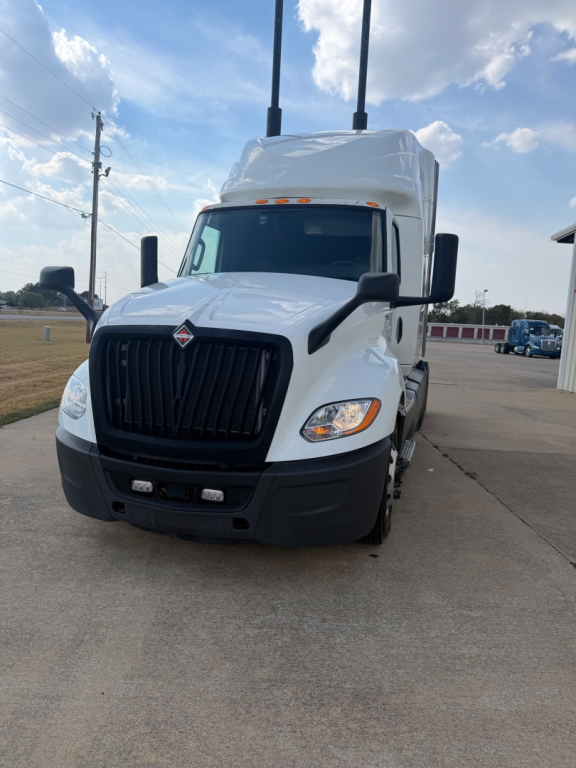
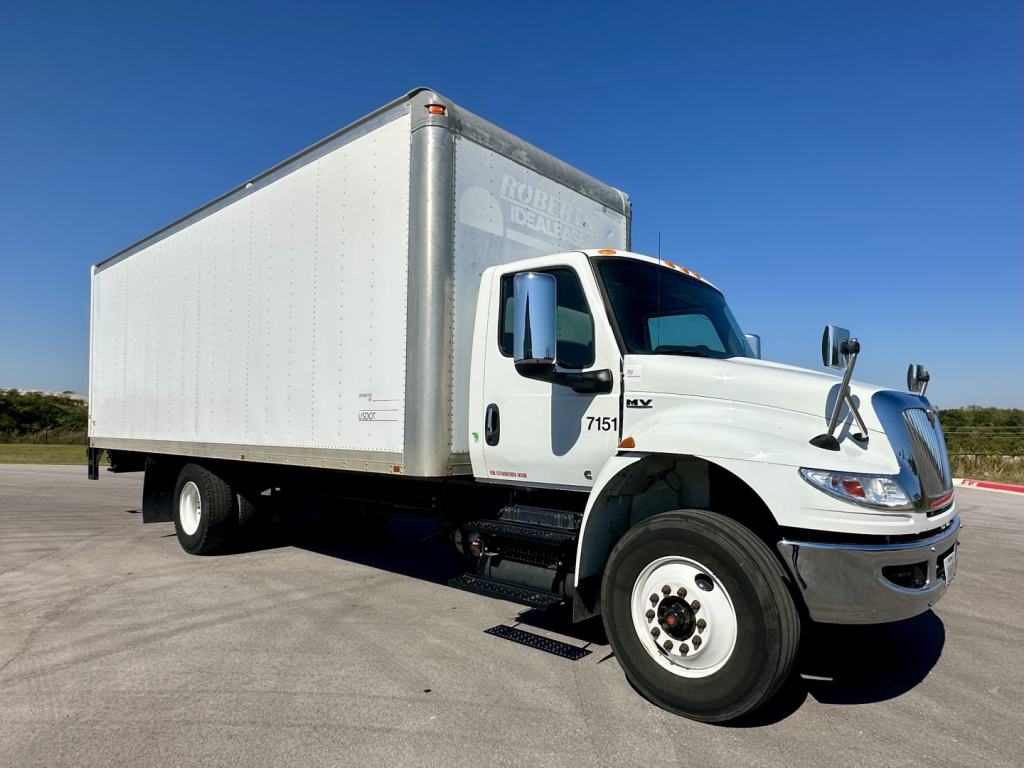
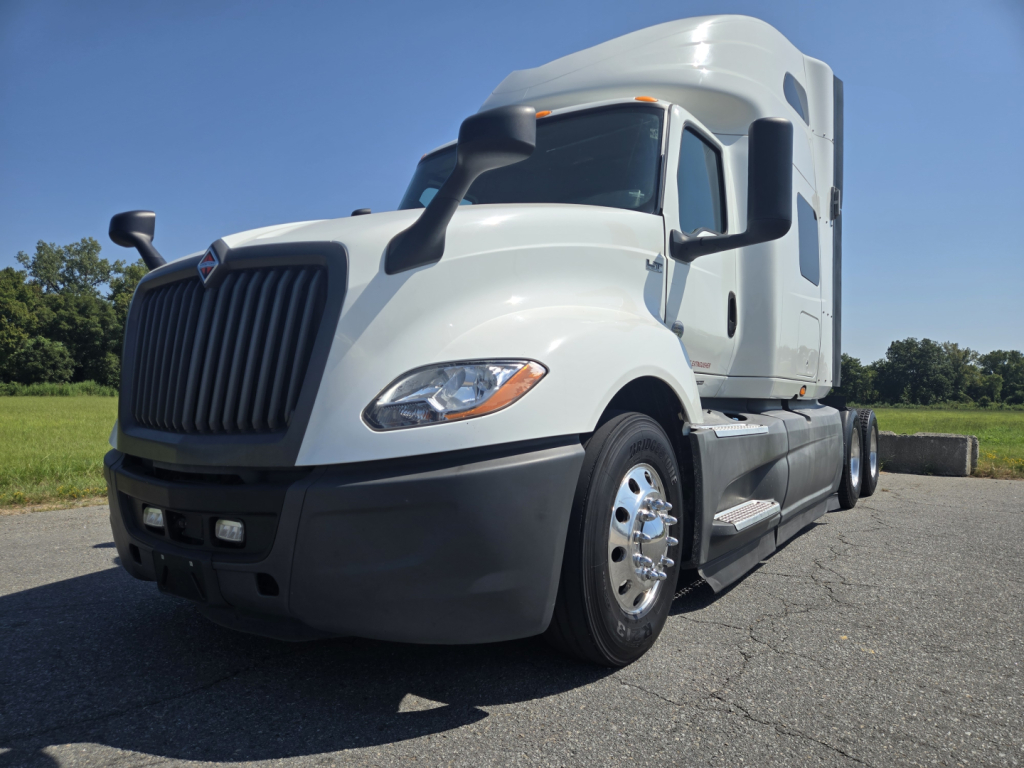
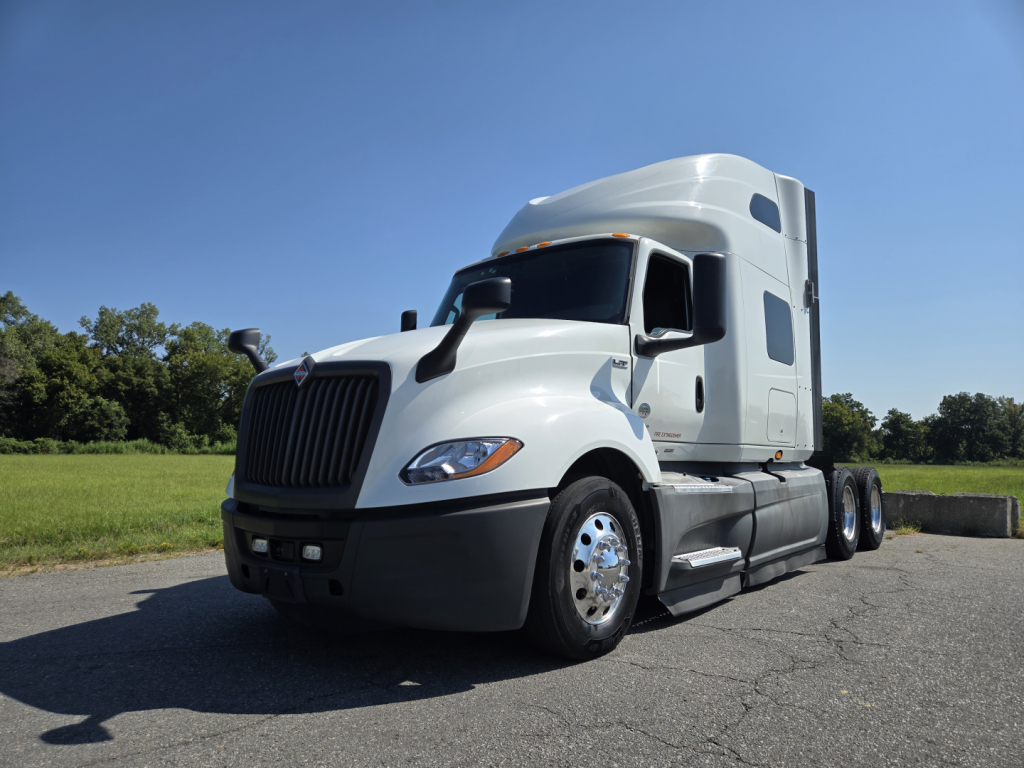
Selling a used international truck? List your used international truck for sale and reach thousands of commercial buyers.
Used International Trucks in Arkansas
A used International truck should be evaluated first by application, not just by badge or model year. A 7400 or 7600 configured for dump, vacuum, sewer, or utility work can have very different frame ratings, suspension packages, front axle capacities, and wheelbase requirements. In Arkansas, that matters because trucks may split time between paved municipal routes, jobsite access roads, and rural county work. Buyers should look closely at engine family, transmission type, rear axle ratio, and PTO operation, especially on trucks running hydraulic equipment or specialty pumps. Service records are important on any used vocational truck, but they are especially important on units with idle-heavy duty cycles, body-driven hydraulics, or corrosion exposure from municipal use.
International trucks are often selected because parts support is broad and the cab layouts tend to be practical for fleet maintenance. On older used units, common inspection points include frame condition, crossmember integrity, spring and suspension wear, steering play, brake system condition, electrical repairs, and signs of hard vocational use around the hoist, body mounts, and PTO controls. If the truck carries a specialized body, buyers should inspect the body system as carefully as the chassis. On a dump truck that means hoist function, floor condition, and tailgate hardware. On a vacuum or utility truck, that means pump hours, tank condition, hose routing, controls, and auxiliary engine or hydraulic performance if equipped.
For buyers comparing used International trucks for sale in Arkansas, the best value usually comes from matching the truck's existing spec to the intended work instead of planning a major reconfiguration after purchase. A correctly spec'd International can deliver strong value in local hauling, public works, construction support, and infrastructure maintenance. Focus on axle ratings, body compatibility, maintenance history, drivetrain condition, and evidence of consistent fleet care. In the used market, those factors matter more than appearance and usually tell you how the truck will perform after it goes back to work.
Frequently Asked Questions about Used International Trucks in Arkansas
What are the most common used International truck models for vocational work?
Common used vocational International models include the 4300, 4400, 7400, and 7600, along with WorkStar-badged trucks. The 4300 and 4400 are often seen in medium-duty delivery, utility, and service applications, while the 7400 and 7600 are more common in heavier dump, sewer, vacuum, and municipal configurations. The right model depends less on the nameplate and more on GVWR, axle ratings, wheelbase, frame spec, and body equipment.
What should I inspect first on a used International dump or vacuum truck?
Start with the chassis fundamentals, then inspect the vocational equipment. Check engine operation, transmission performance, brake function, steering response, suspension wear, frame condition, and evidence of rust or past repairs. After that, inspect PTO engagement, hydraulic lines, hoist or pump operation, tank or bed condition, body mounts, and control systems. On specialized trucks, the body equipment can be as expensive to repair as the chassis itself.
Are used International trucks a good fit for Arkansas road and jobsite conditions?
They can be a strong fit because many International vocational trucks are spec'd for mixed service that includes municipal streets, county roads, construction access, and utility work. Arkansas buyers often need a truck that can handle both on-road travel and rougher work environments, so frame strength, suspension type, axle capacity, and traction setup matter. A used truck with the correct vocational spec is usually a better choice than a lower-cost truck that will need major modifications to perform the same work.
Why does maintenance history matter so much on a used International vocational truck?
Vocational trucks often live harder lives than standard highway trucks. They may spend long hours idling, operating PTO-driven equipment, carrying shifting loads, or working in stop-and-go environments. A clear maintenance history helps confirm that fluid services, brake work, hydraulic repairs, suspension maintenance, and body equipment upkeep were handled on schedule. That record can be the difference between a productive truck and one that needs immediate downtime and repair expense.