
Used Freightliner Trucks For Sale in Arkansas
Browse used Freightliner trucks for sale in Arkansas, including Cascadia and M2 models for highway, vocational, and municipal applications.
Have used freightliner truck to sell? List it here to reach thousands of buyers.
Used Freightliner Trucks in Arkansas
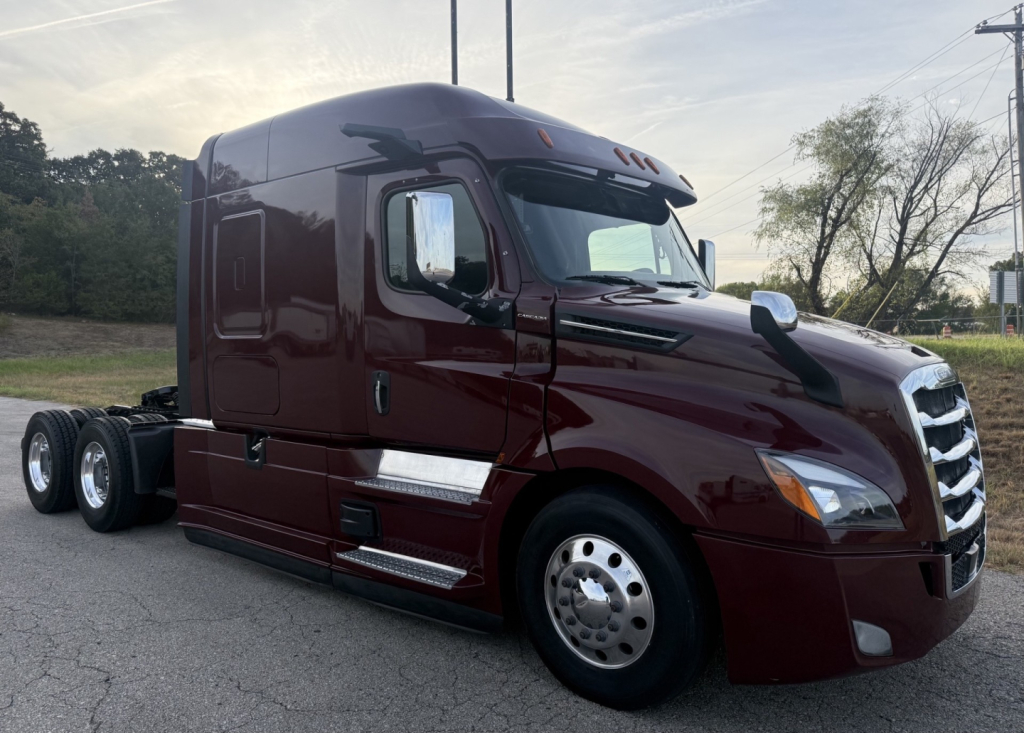
For over-the-road buyers, the Freightliner Cascadia is the model that usually draws the most attention. Late-model used Cascadia 126 sleepers commonly carry Detroit DD15 engines, Detroit DT12 automated manual transmissions, tandem rear axles, air ride suspension, and fuel-efficient rear axle ratios in the low 2s. That setup is aimed at linehaul work where fuel economy, driver comfort, and predictable maintenance intervals matter more than raw vocational spec. When comparing used Cascadias, pay close attention to horsepower rating, transmission calibration, axle ratio, wheelbase, sleeper size, and documented aftertreatment history. Those details tell you more about the truck’s intended duty cycle than the badge on the hood.
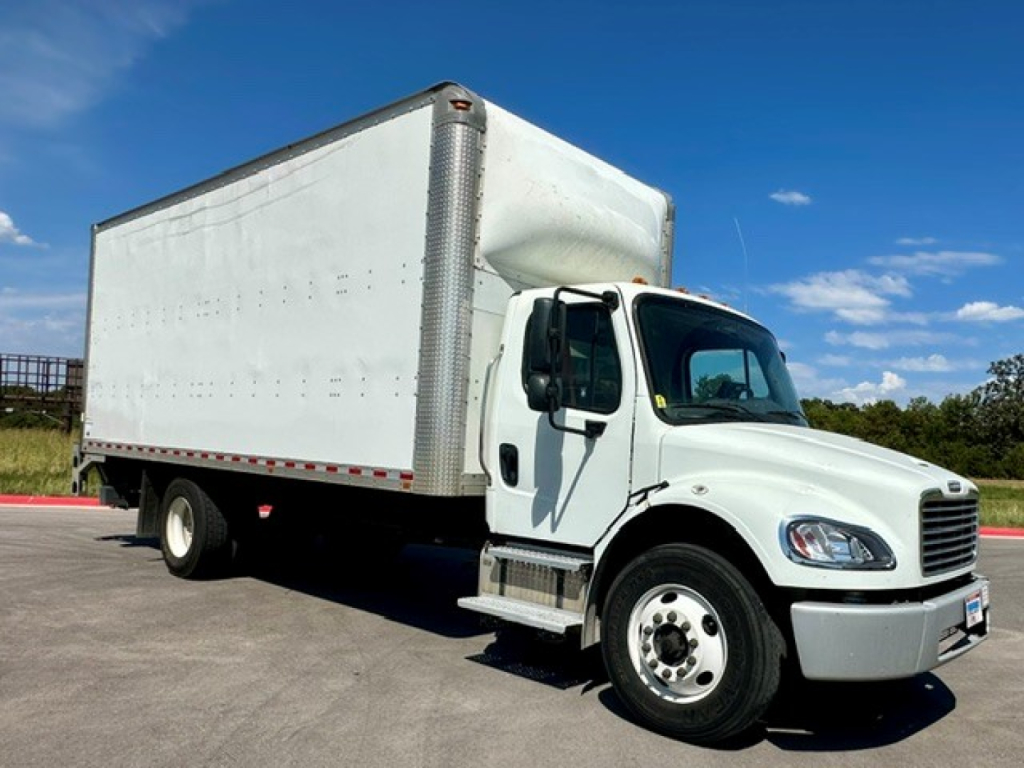
For local and vocational applications, Freightliner M2 106 and M2106 trucks are common because the chassis is easy to body for many different jobs. Buyers in Arkansas often look at M2-based trucks for dump, mixer, refuse, vacuum, rollback, service body, and utility applications because the platform balances maneuverability with payload capacity. On these trucks, the body and PTO-related equipment can matter as much as the cab and chassis. Engine choice, automatic versus manual transmission, front axle capacity, rear suspension, PTO setup, frame rail condition, hydraulic system health, and body manufacturer support should all be evaluated closely. A used vocational Freightliner can be a solid value, but only if the upfit matches the work and the truck has not been underspec'd for the application.
A smart used Freightliner purchase comes down to matching the spec to the route, terrain, and load profile. Arkansas operations may involve interstate miles, short regional turns, gravel roads, jobsite access, or stop-and-go municipal duty, and those conditions change what matters most in a truck. For highway tractors, focus on emissions system service records, tire wear patterns, idle hours, and drivetrain spec. For vocational models, inspect frame corrosion, suspension wear, hydraulic operation, PTO engagement, and body condition just as carefully as the engine. Freightliner remains a practical used-truck category because it offers mainstream components, familiar controls, and strong support across both fleet and owner-operator applications.
Frequently Asked Questions about Used Freightliner Trucks in Arkansas
What are the most common used Freightliner truck models buyers look for in Arkansas?
The most common used Freightliner trucks on the Arkansas market are typically the Cascadia for highway freight and the M2 106 or M2106 for medium-duty and vocational work. The Cascadia is widely used in sleeper and day cab configurations for regional and long-haul operations, while the M2 platform is frequently spec'd for dump bodies, mixers, refuse trucks, vacuum units, utility bodies, and municipal service applications. The right model depends less on brand familiarity and more on the actual duty cycle, body configuration, axle ratings, and drivetrain spec.
Is a used Freightliner Cascadia a good choice for long-haul freight?
A used Freightliner Cascadia is often a strong long-haul choice because it was designed around fuel efficiency, driver comfort, and serviceability. Many late-model units are equipped with Detroit DD15 engines and DT12 automated manual transmissions, a combination known for good fuel economy when matched to the right rear axle ratio and route profile. Buyers should still verify maintenance records, emissions system history, idle hours, transmission performance, and any signs of inconsistent tire wear or alignment issues before making a decision.
What should I inspect on a used Freightliner M2 106 or M2106 vocational truck?
On a used Freightliner M2 106 or M2106, the inspection should go beyond the cab and engine because the body and hydraulic equipment are often central to the truck's value. Check frame condition, PTO engagement, hydraulic leaks, pump operation, suspension wear, axle ratings, brake condition, and the overall integrity of the body or mounted equipment. If the truck is a mixer, refuse, vacuum, or utility unit, confirm that the body manufacturer still supports parts and that the upfit is appropriate for the work you plan to do.
Are Freightliner trucks easy to service and maintain?
Freightliner trucks are generally considered straightforward to service because they are common in fleet operations and supported by a large dealer and parts network. That broad support can reduce downtime and simplify sourcing for common repair items, especially on mainstream models like the Cascadia and M2. Ease of service still depends on the exact engine, transmission, emissions package, and body equipment, so buyers should factor in both chassis support and any specialty upfit support when comparing trucks.
How do I choose between a highway Freightliner and a vocational Freightliner?
The decision comes down to load type, route conditions, and how the truck earns revenue. A highway Freightliner such as a Cascadia is built for freight efficiency, sustained road speed, and driver comfort over long distances. A vocational Freightliner such as an M2 106 or M2106 is better suited for stop-and-go routes, PTO-driven equipment, tighter jobsite access, and body-specific work. Buyers should compare axle capacities, suspension type, wheelbase, transmission choice, engine output, and body compatibility rather than assuming one Freightliner platform can cover every application equally well.