
Used 2020 Trucks For Sale in New York

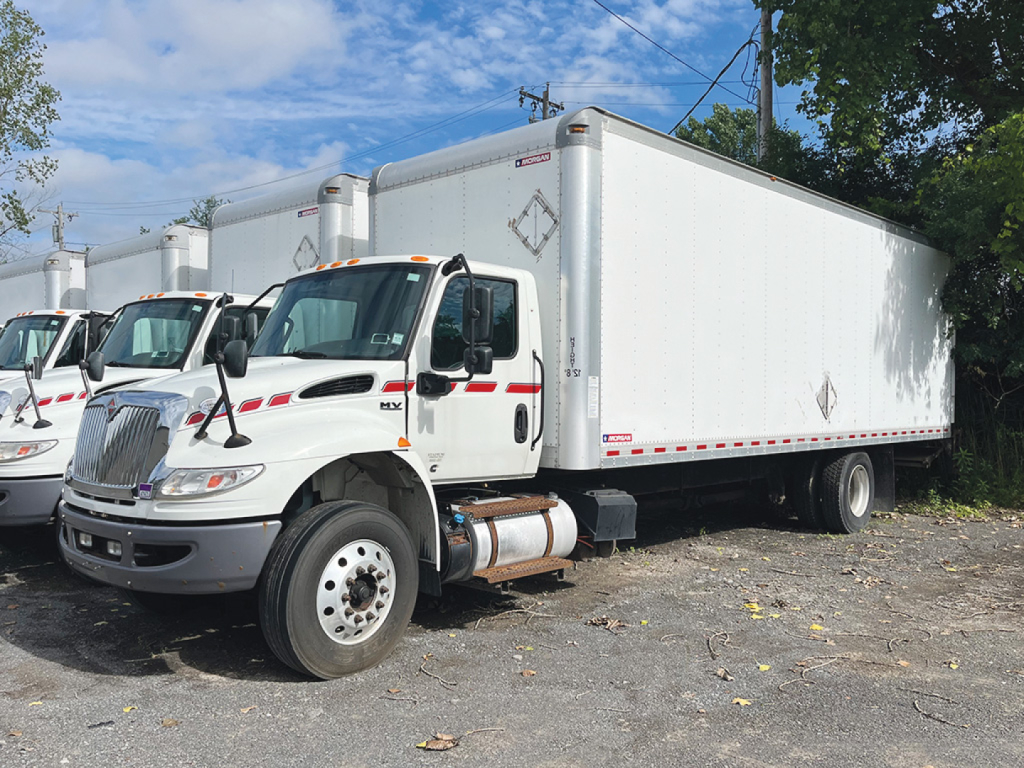
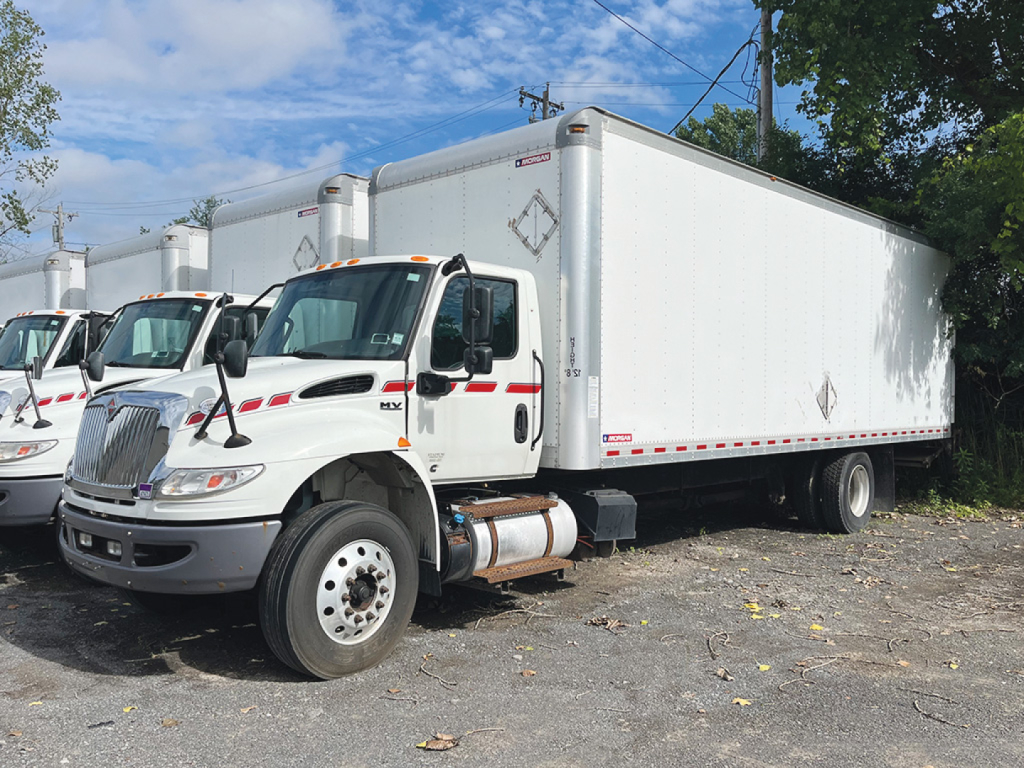
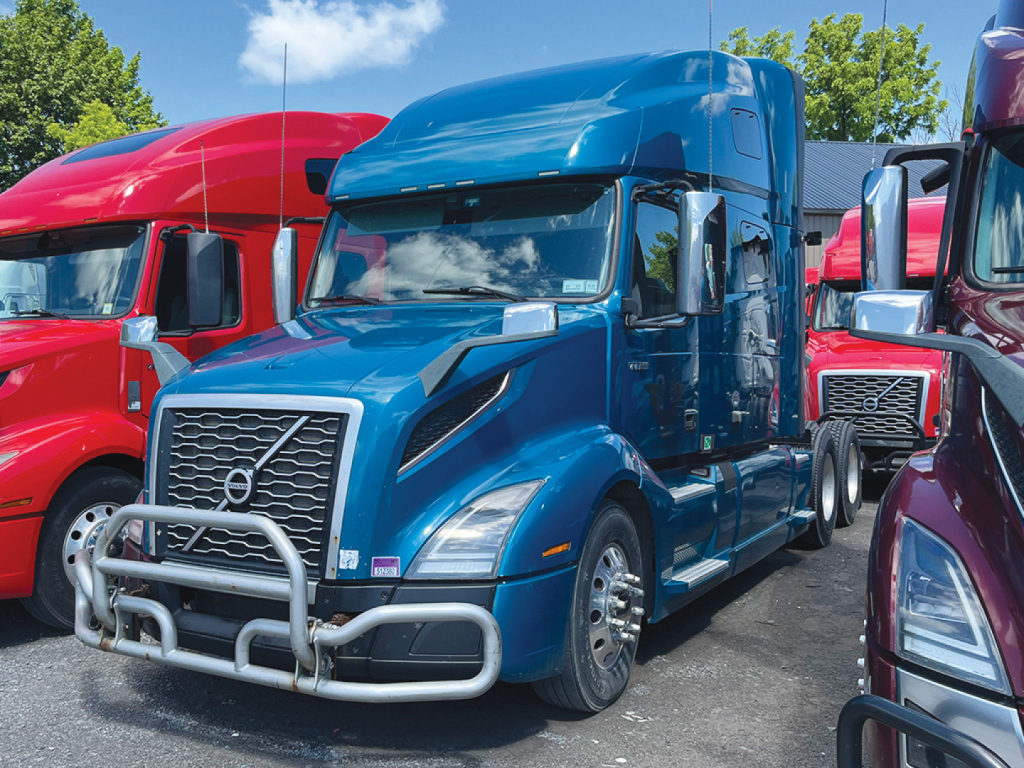
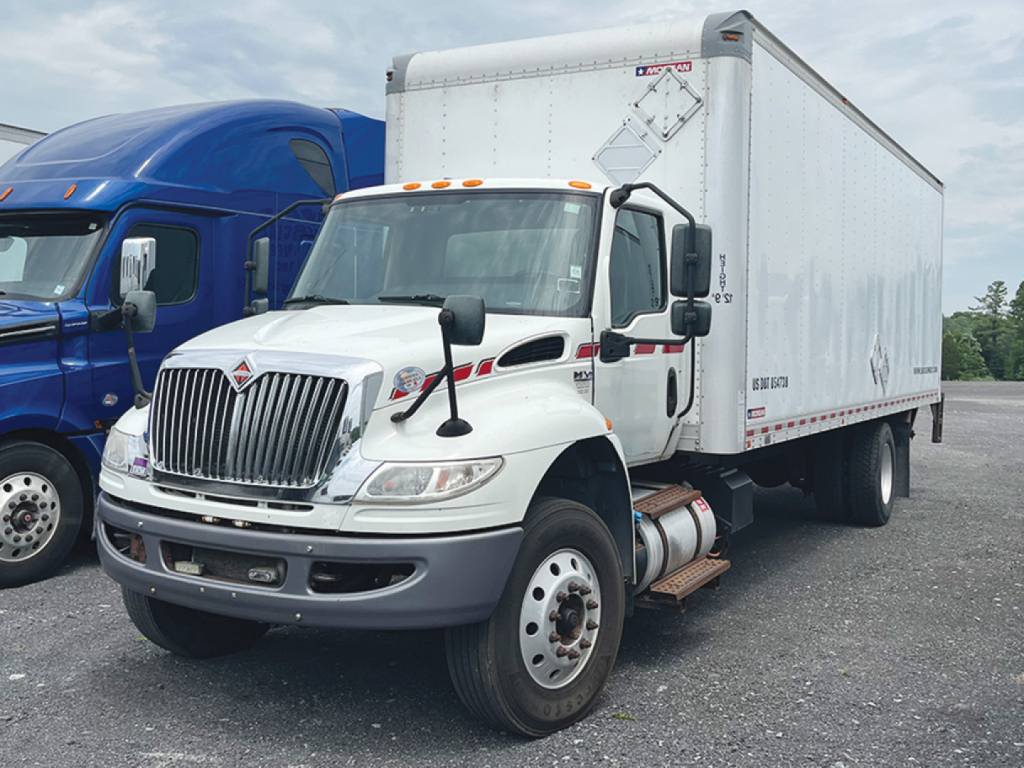
Showing 1 to 24 of 36 results
Have used 2020 truck to sell? List it here to reach thousands of buyers.
Used 2020 Trucks in New York
Powertrain choice is where a used 2020 truck either fits the operation or becomes expensive to repurpose. Buyers should compare engine families, horsepower, torque, transmission type, axle ratings, suspension, wheelbase, and rear ratio against the actual load and route profile. For highway and regional use, common setups include diesel engines from Cummins, Paccar, Detroit, Volvo, or Mack paired with automated manuals or 10-speed and 13-speed transmissions. For straight trucks and vocational units, Allison automatics, higher rear axle ratios, and heavier front axle ratings are common. New York buyers also tend to pay close attention to corrosion, frame condition, brake and suspension wear, idle hours, and body or upfit condition because winter road salt can affect trucks even when mileage looks reasonable.
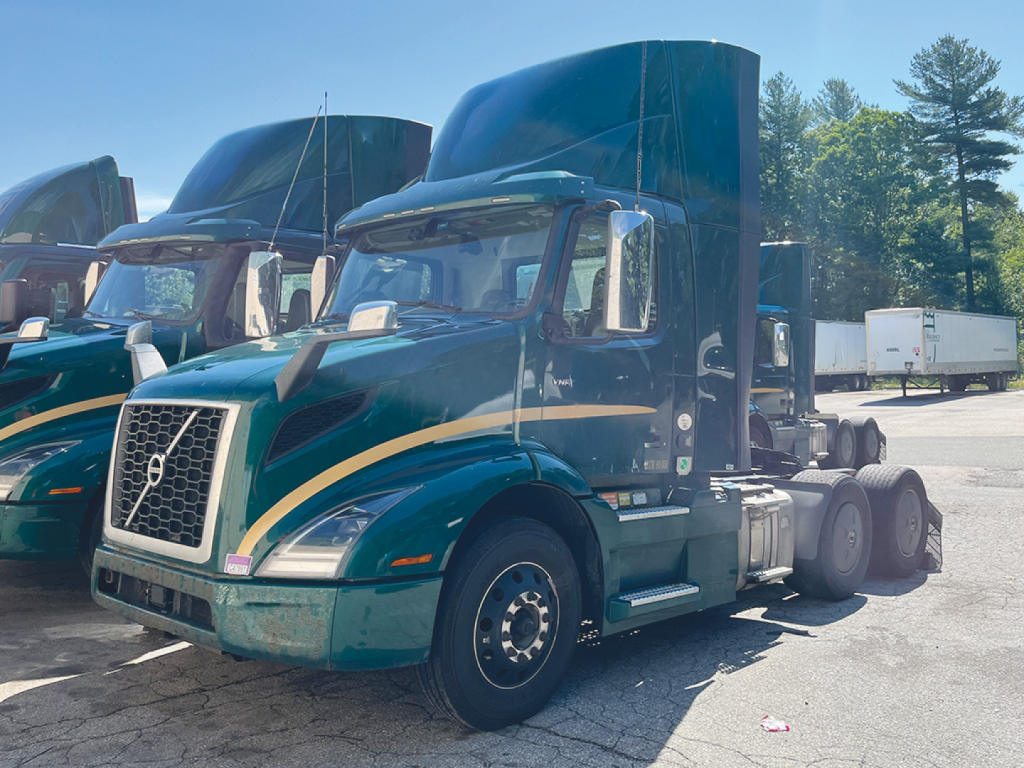
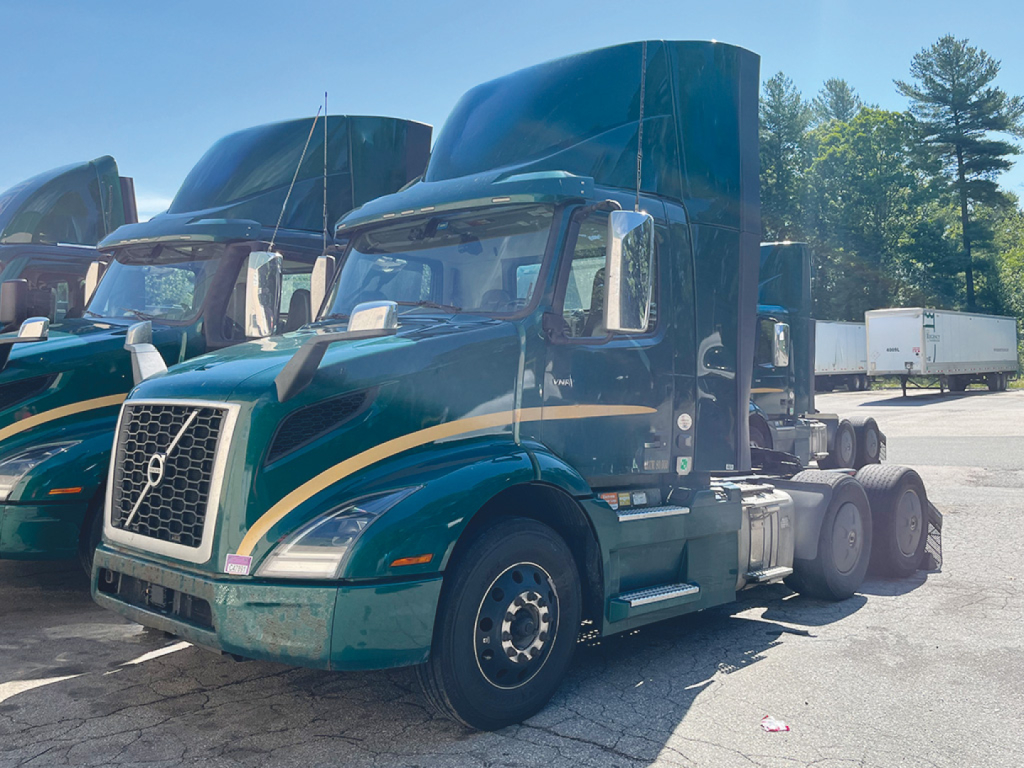
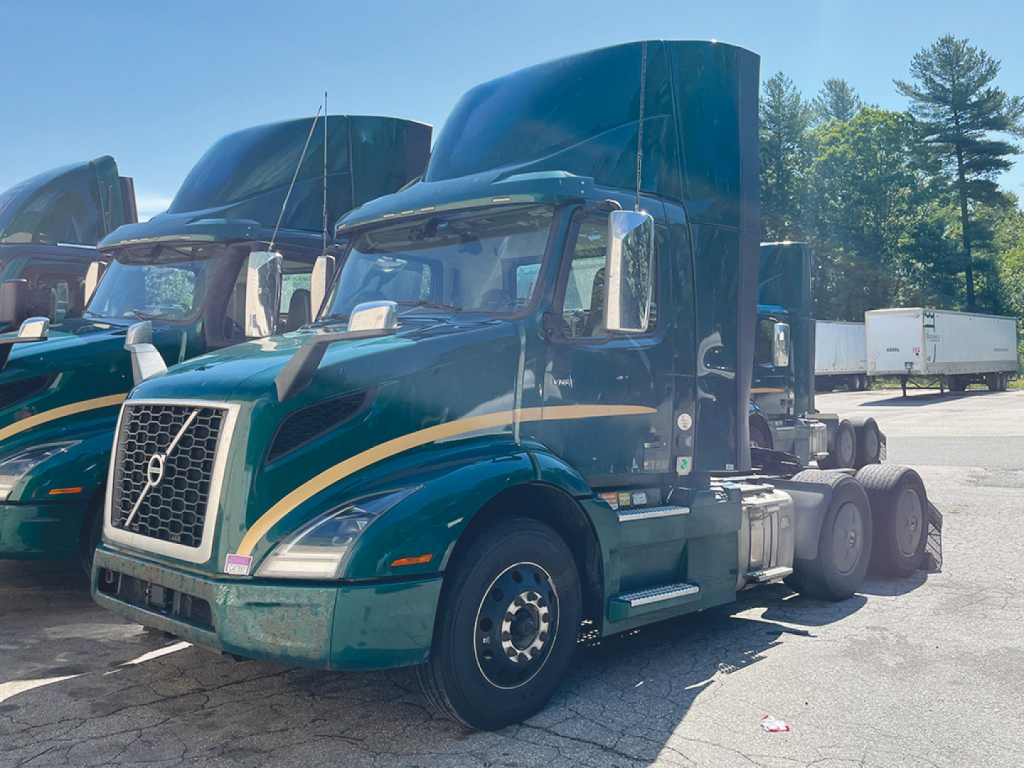
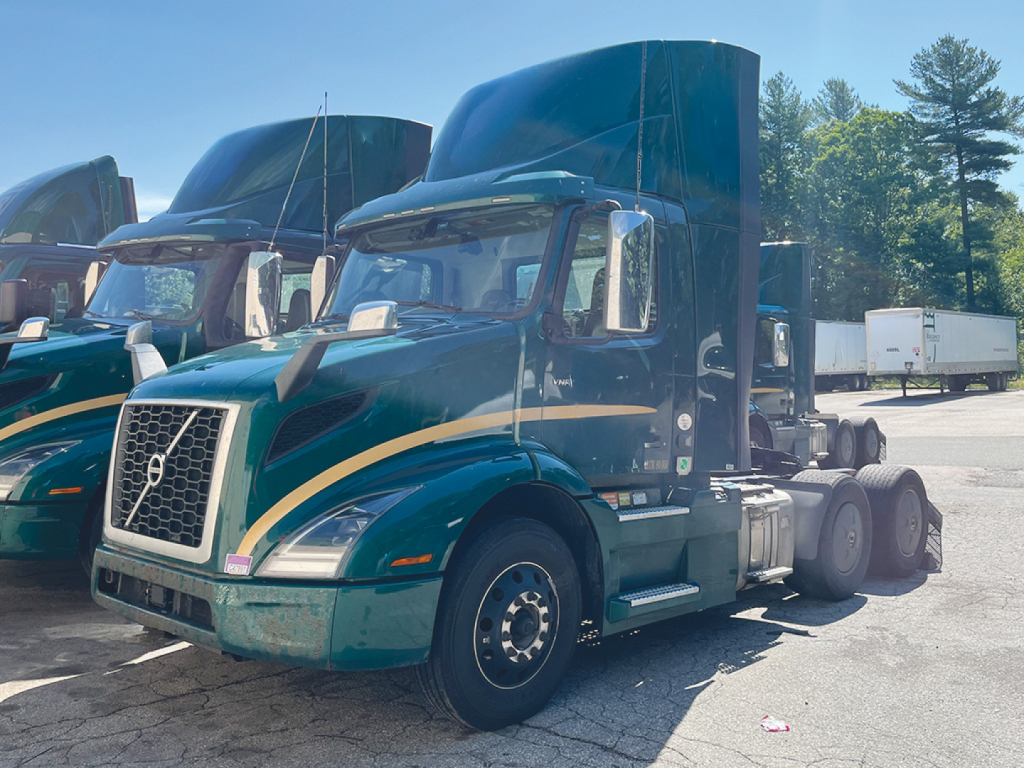
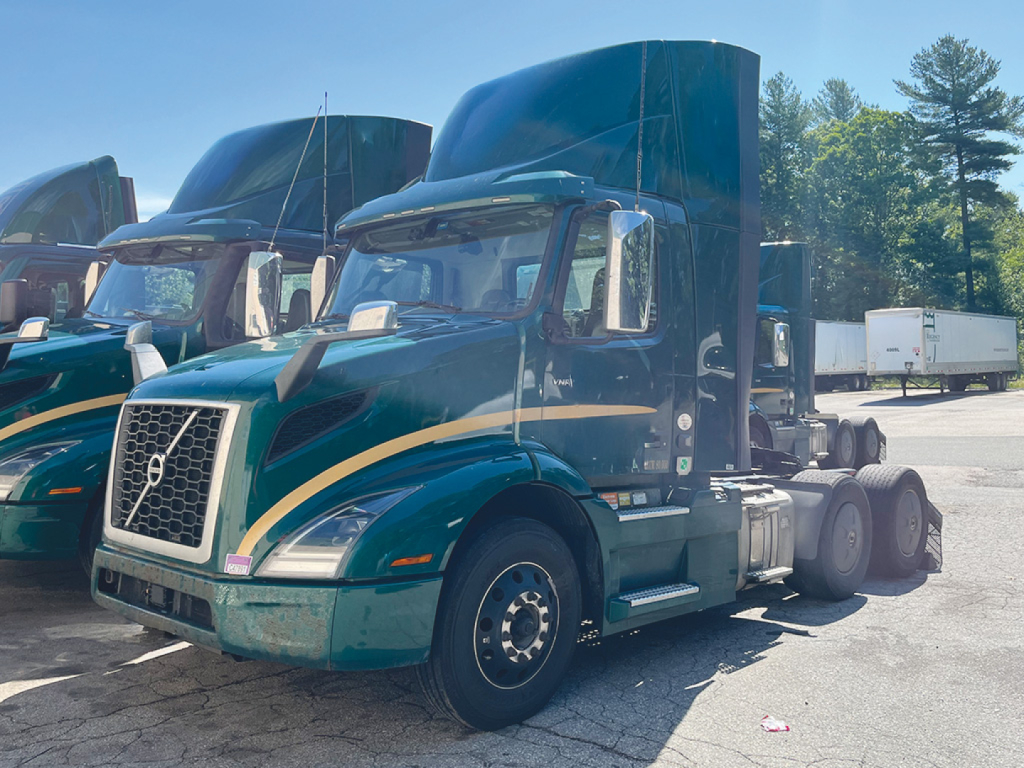
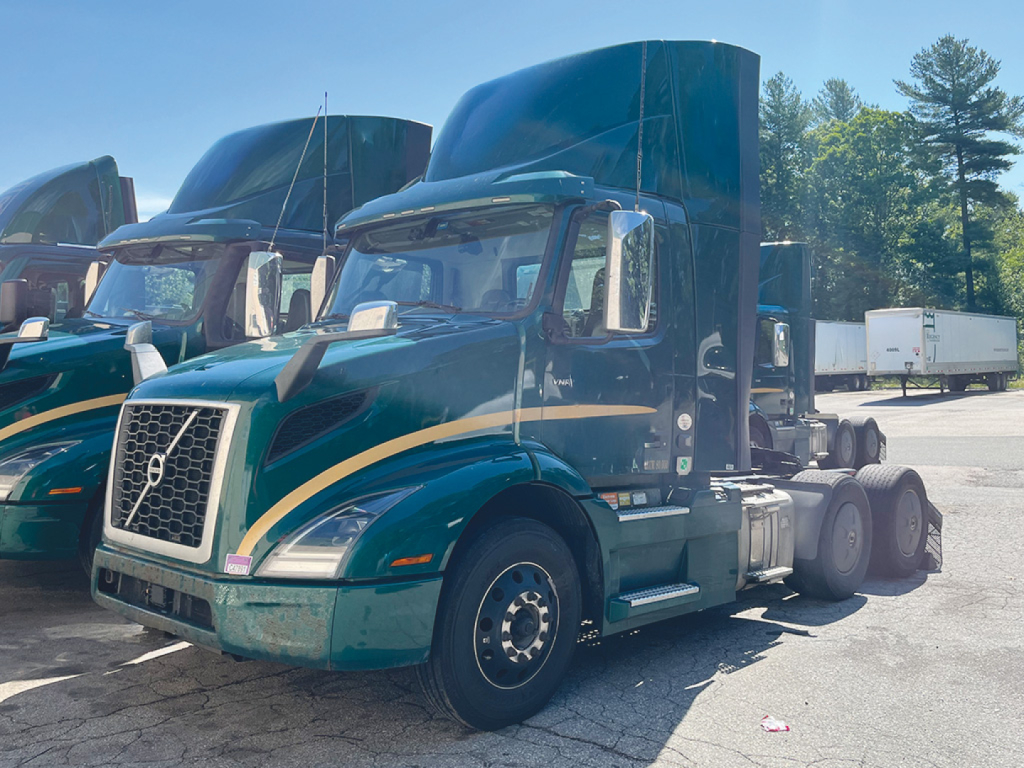
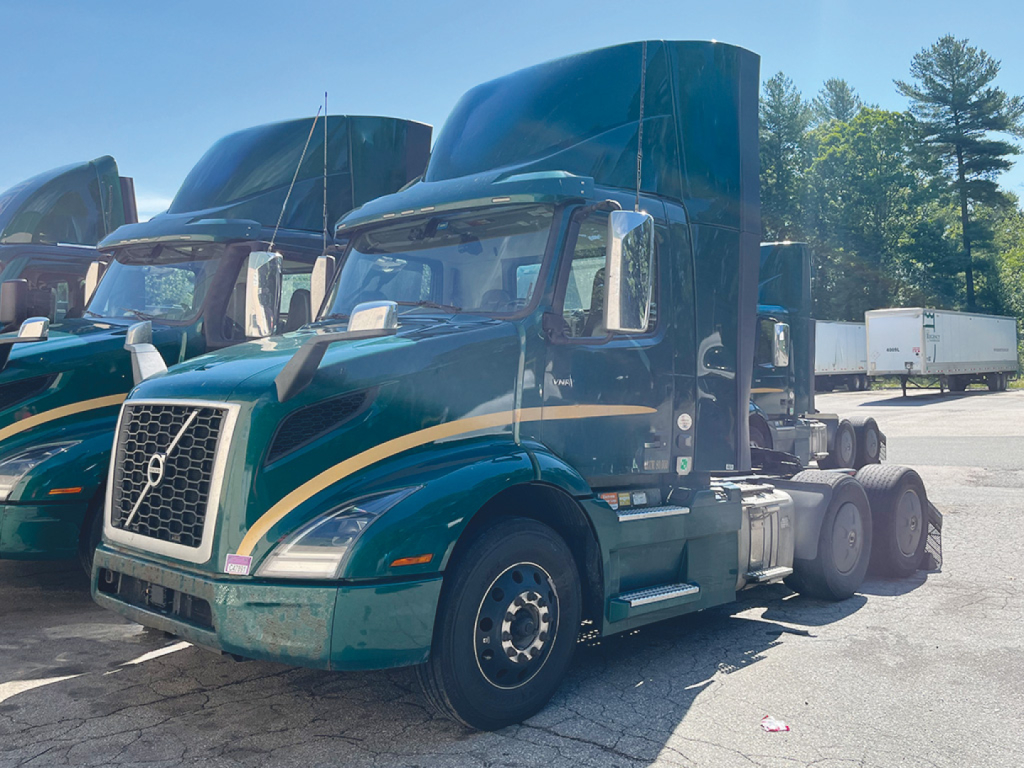
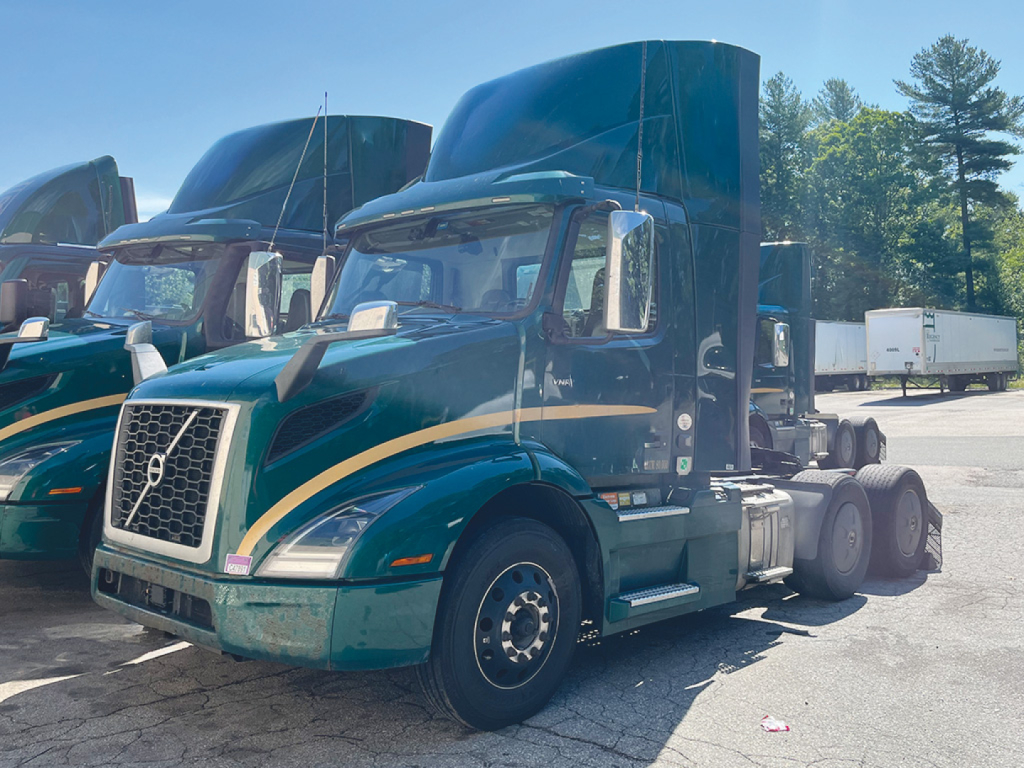
A used 2020 truck should also be evaluated as a complete operating package, not just cab and chassis. On box trucks, look at body length, inside height, liftgate capacity, E-track, door type, and floor condition. On dump and work trucks, check PTO operation, hoist condition, hydraulic lines, liner wear, tailgate setup, and any evidence of frame reinforcement or past body repairs. On day cabs and road tractors, review fifth wheel type, fuel capacity, fairings, tire size, brake spec, and whether the axle configuration matches the lane laws and payload targets in the Northeast. Emissions history matters on any 2020 diesel, so DEF system service records, aftertreatment repairs, fault codes, and regen behavior should be part of the inspection.
For many buyers, the value in a used 2020 truck comes from finding the right specification with documented maintenance and a realistic duty cycle history. A lower-mileage truck that spent years in severe stop-start service may not outperform a higher-mileage unit that ran steady highway miles. In New York, buyers often benefit from focusing on service accessibility, parts support, and how easily the truck can be registered, plated, and put to work under local weight, body, and route requirements. The best choice is usually the truck with the right wheelbase, axle setup, body configuration, and maintenance record for the work you need done immediately.
Frequently Asked Questions about Used 2020 Trucks in New York
What should I check first on a used 2020 truck in New York?
Start with the truck’s intended application, then verify that the core specs match it. Engine, transmission, axle ratings, wheelbase, rear ratio, suspension, and brake configuration should all support the payload and route profile. In New York, rust and corrosion inspection is especially important, including frame rails, crossmembers, brake components, body mounts, and wiring. Service records, fault code history, and emissions system performance are also high-priority checks on a 2020 diesel truck.
Are 2020 trucks a good balance between price and modern features?
For many buyers, yes. A 2020 truck is new enough to offer updated cab ergonomics, later-generation powertrains, and common safety and telematics features, but old enough to be priced below newer late-model units. The tradeoff is that a 2020 diesel may still carry complex aftertreatment components that need documented maintenance. Value depends less on the model year alone and more on miles, engine hours, prior duty cycle, and maintenance quality.
Which specs matter most when comparing used 2020 trucks?
The most important specs are the ones tied directly to revenue and operating cost. For tractors, that usually means horsepower, torque, transmission type, axle configuration, rear ratio, and fifth wheel setup. For straight trucks and vocational units, buyers should focus on GVWR, front and rear axle ratings, body dimensions, PTO or hydraulic equipment, and suspension type. Wheelbase and cab-to-axle measurement are critical if the truck may need body changes or different upfits later.
How important is emissions history on a 2020 diesel truck?
It is extremely important. A 2020 truck will typically have DEF, DPF, and SCR aftertreatment systems, and repairs in those areas can be costly if problems were ignored. Buyers should look for regen history, active or inactive fault codes, injector and sensor repairs, DPF cleaning intervals, and any records related to the aftertreatment system. A truck that runs well but has unresolved emissions faults can quickly become a downtime issue.
Does a higher-mileage 2020 truck automatically mean more risk?
Not necessarily. Mileage has to be considered alongside engine hours, application, maintenance records, and overall wear. A truck with mostly highway miles may show less chassis and cab wear than a lower-mileage truck used in city delivery, construction, or municipal service. Pedal wear, seat condition, PTO hours, body wear, suspension play, brake life, and corrosion often reveal more about how hard a truck worked than the odometer alone.