
Used 2020 Freightliner Trucks For Sale in New York
Browse used 2020 Freightliner trucks in New York, including Cascadia, M2 and vocational models with specs on engines, axles, GVWR and applications.
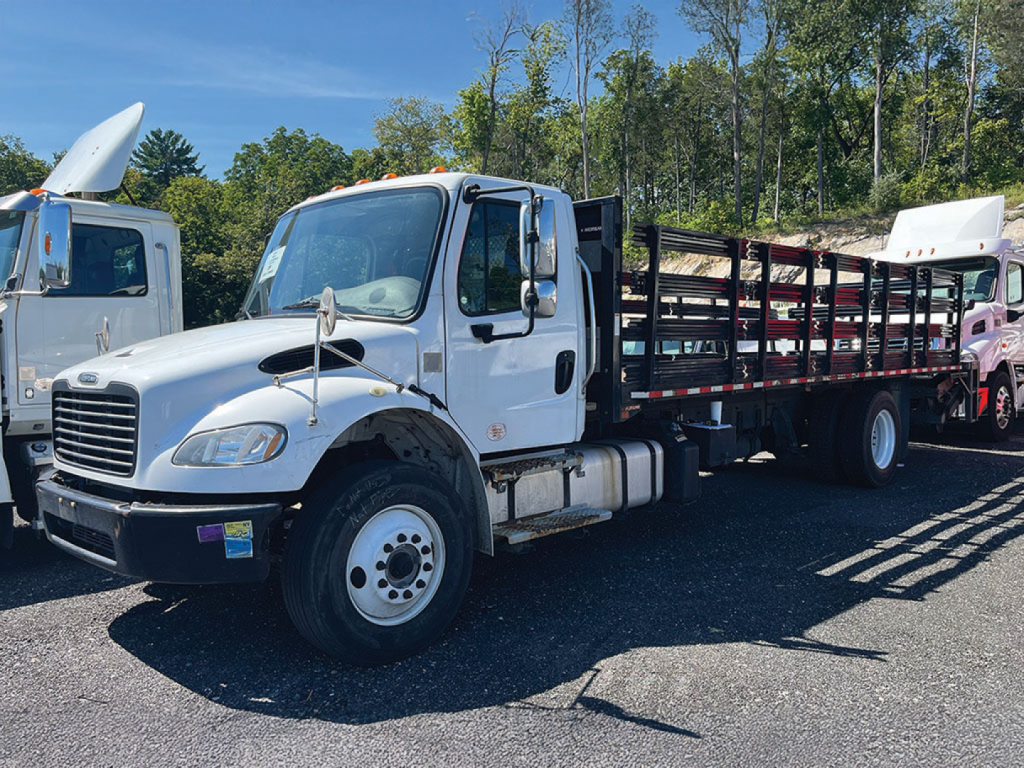
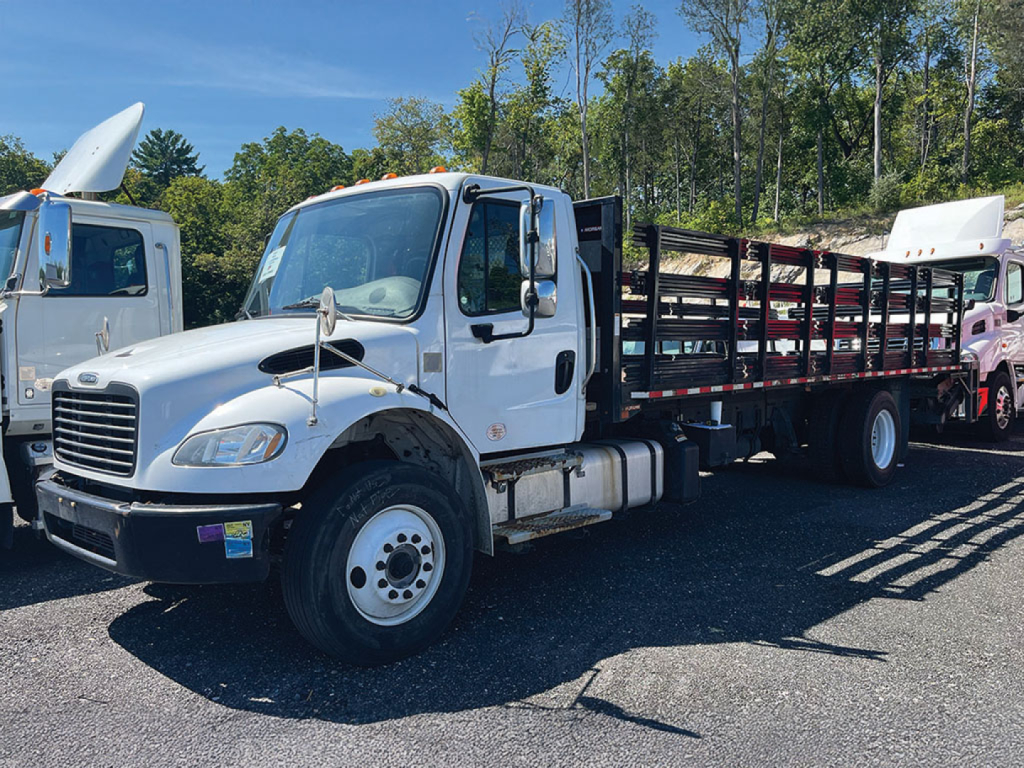
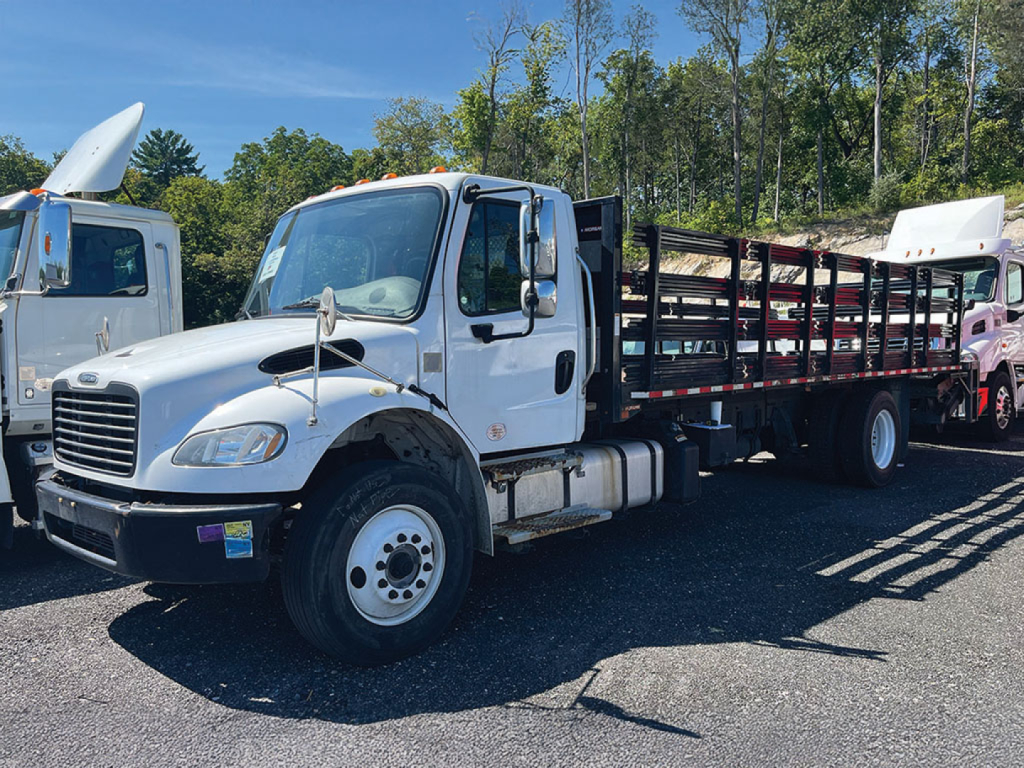
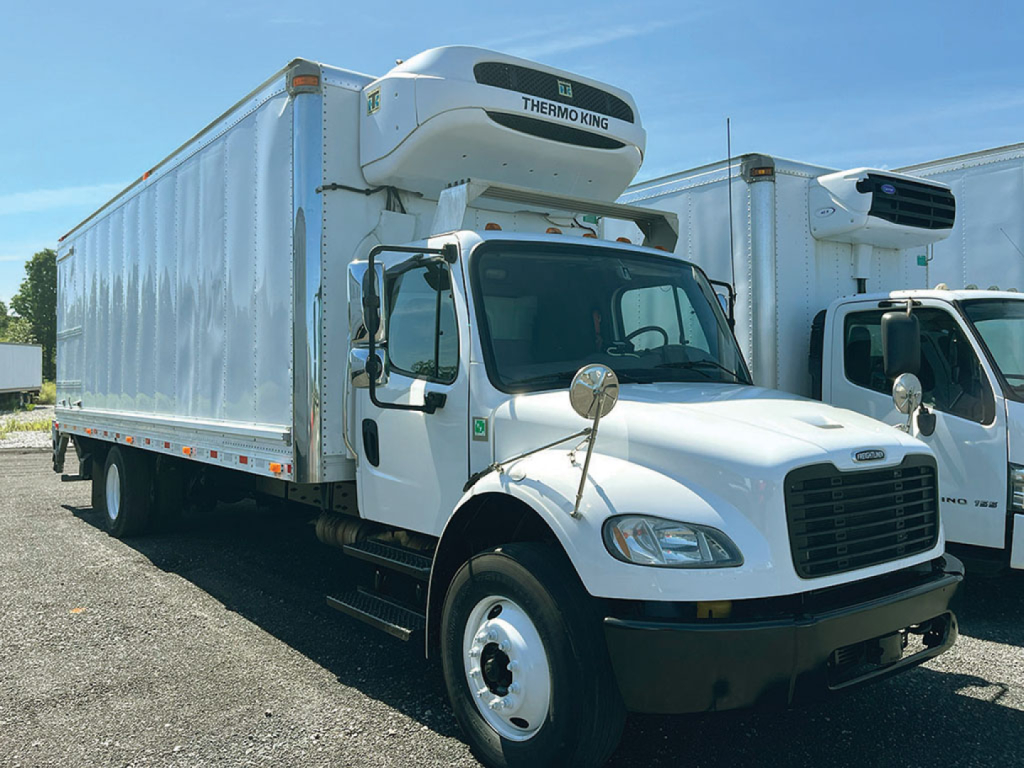
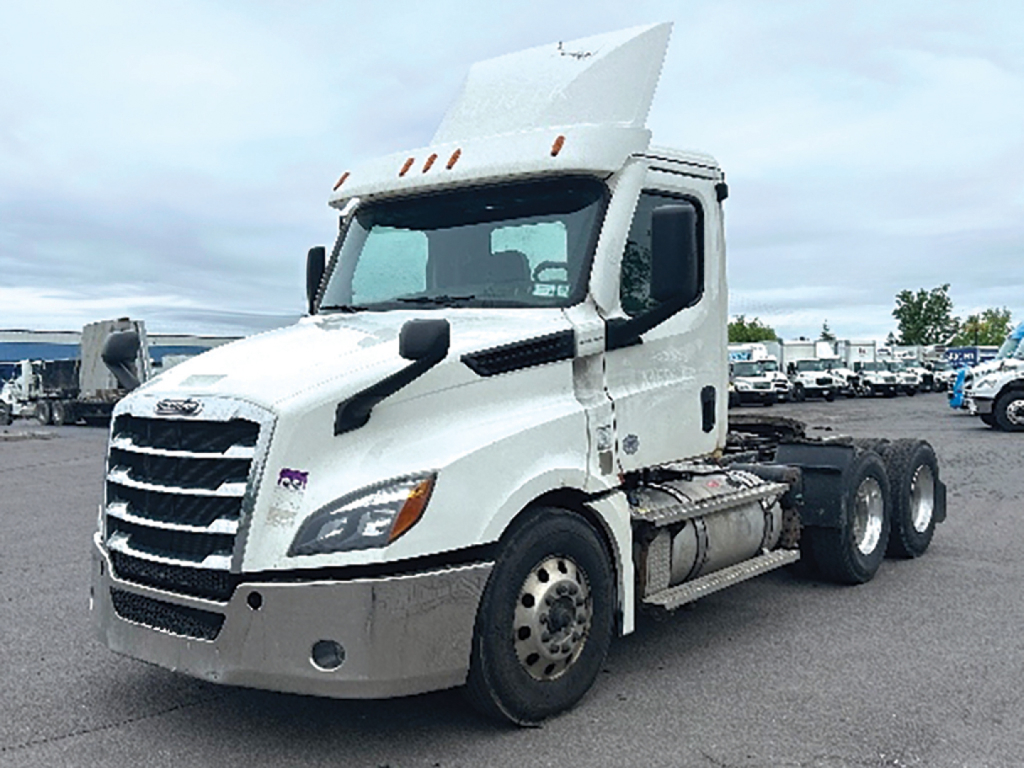
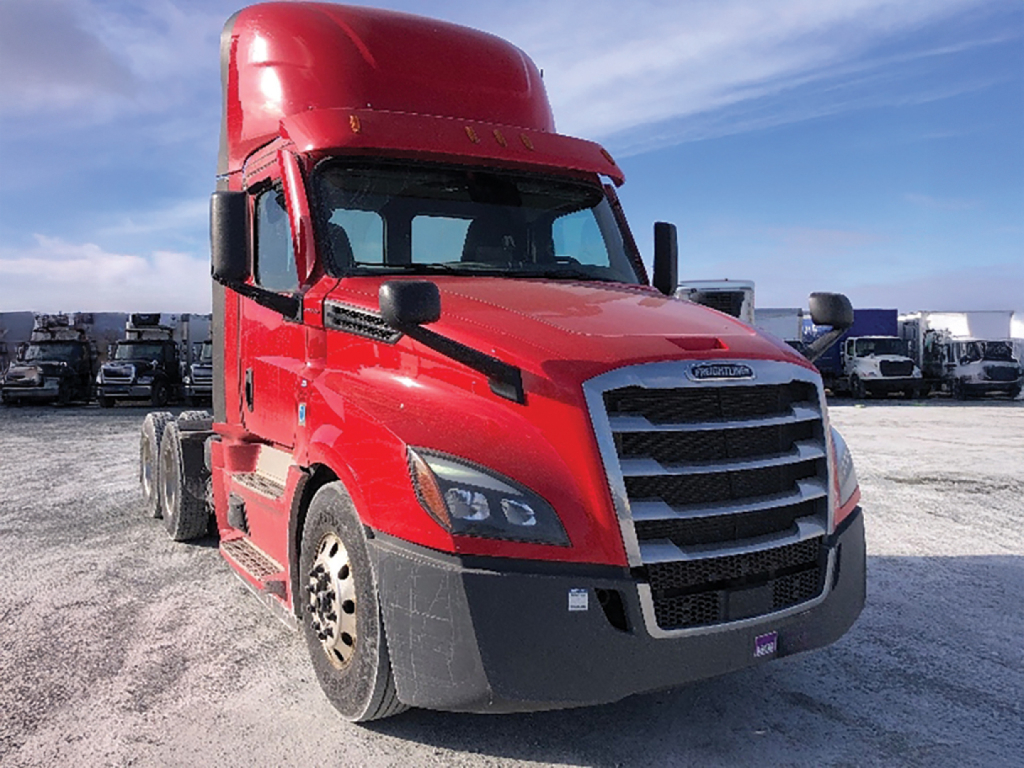
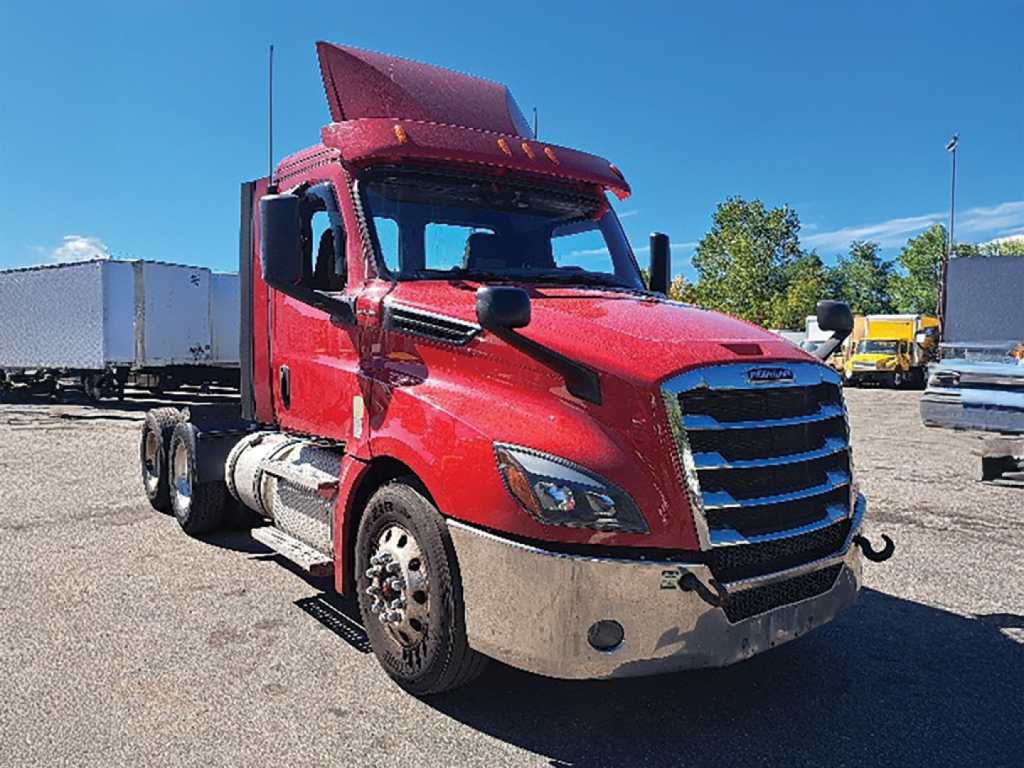
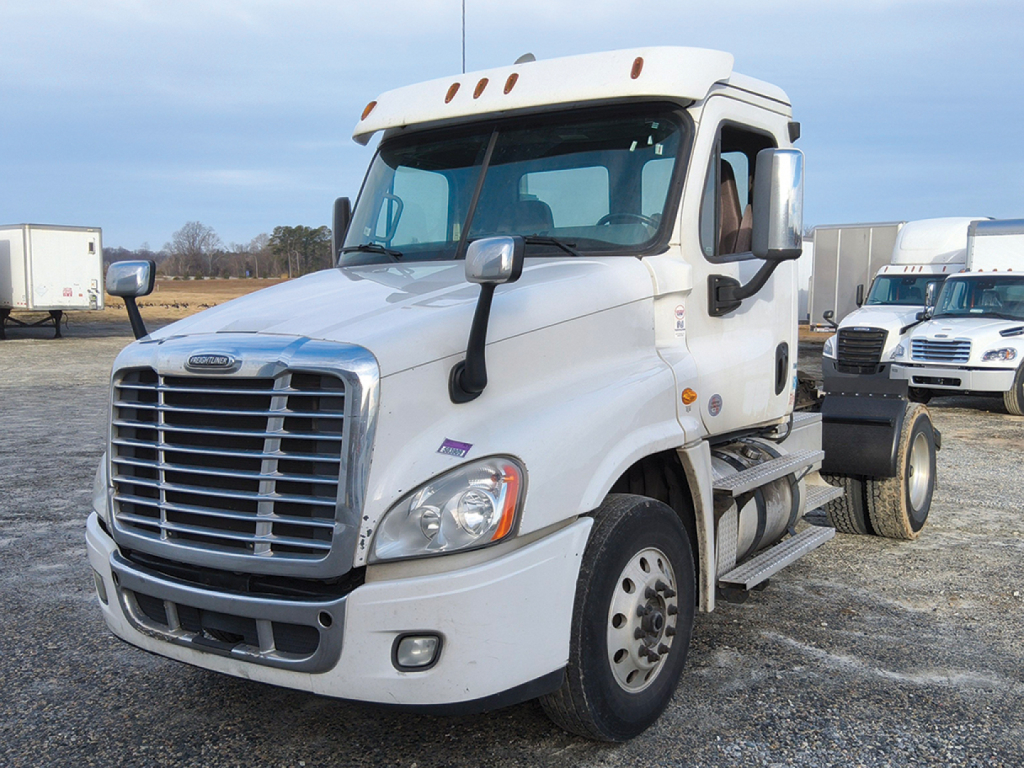

Have used 2020 freightliner truck to sell? List it here to reach thousands of buyers.
Used 2020 Freightliner Trucks in New York
For highway and regional work, 2020 Freightliner Cascadia models are typically built around Detroit powertrains, most often DD13 or DD15 engines paired with DT12 automated manuals or traditional manual transmissions. Buyers should look closely at horsepower and torque ratings, rear axle ratio, wheelbase, and whether the truck is spec’d as a day cab or sleeper. A 6x4 tandem axle setup with AirLiner suspension is common for general freight, while lighter day cab specs can make sense for port, local, or dedicated lane work. On used units, pay attention to emissions history, idle hours, aftertreatment repairs, and whether the truck has collision mitigation, lane departure warning, or adaptive cruise, since 2020-era Freightliners often carried more driver-assist technology than older trucks.
Medium-duty 2020 Freightliner trucks, especially M2 106 and related variants, are common in box truck, reefer, flatbed, rollback, dump, and service body applications. Key buying points are GVWR, front axle capacity, cab-to-axle measurement, and PTO compatibility if the truck will run hydraulic or stationary equipment. Engine choices in this class often include Cummins B6.7 or L9 platforms with Allison automatic transmissions, which are popular for stop-and-go work in dense New York routes. Body length, door configuration, liftgate spec, and suspension type matter as much as the drivetrain on these trucks because the chassis has to match the revenue job.
A good used 2020 Freightliner should be evaluated beyond mileage alone. Engine hours, maintenance records, brake wear, tire date codes, frame condition, corrosion exposure, and fault code history tell a more complete story, especially in a state where winter road treatment can accelerate rust on frames, crossmembers, air tanks, and wiring connections. Buyers comparing multiple listings should also check axle ratings, fifth wheel type, wheelbase, and any upfit-specific dimensions so the truck fits the route, payload, and body requirement without expensive rework. Freightliner remains a common fleet choice because the trucks are widely understood, relatively easy to source parts for, and available in specs that cover everything from local delivery to long-haul freight.
Frequently Asked Questions about Used 2020 Freightliner Trucks in New York
What are the most common 2020 Freightliner truck models buyers look for?
The most common 2020 Freightliner trucks depend on the job, but buyers frequently search for the Cascadia for highway and regional tractor work and the M2 106 for medium-duty delivery and vocational use. The Cascadia is known for fuel-efficient aero design, Detroit powertrains, and fleet-friendly service access. The M2 platform is widely used for box trucks, flatbeds, dumps, and utility bodies because it offers flexible wheelbases, multiple GVWR options, and strong upfit compatibility.
What should I check first on a used 2020 Freightliner truck?
Start with application-critical specs, then move to condition. Confirm GVWR or GCWR, axle ratings, wheelbase, cab-to-axle, engine rating, transmission type, and suspension before anything else. After that, review engine hours, maintenance history, active and inactive fault codes, aftertreatment service records, brake and tire condition, and signs of rust or wiring corrosion. On tractors, fifth wheel type and rear ratio matter. On medium-duty trucks, body dimensions, liftgate condition, and PTO setup can be just as important as the engine.
Are 2020 Freightliner trucks good for New York regional and city operation?
Yes, many 2020 Freightliner trucks are well suited for New York regional and city use, but the right spec matters. Day cab Cascadias can work well for short-haul, terminal, and port service, while M2 models are a strong choice for city delivery, municipal work, and contractor fleets. Buyers in New York should pay extra attention to maneuverability, brake performance, idle hours, and rust exposure from winter road salt. Automatic or automated manual transmissions are often preferred in dense traffic and frequent stop-start operation.
Which engines and transmissions are common in used 2020 Freightliner trucks?
In 2020 Freightliner highway trucks, Detroit DD13 and DD15 engines were common, often paired with the Detroit DT12 automated manual, though some trucks were still ordered with manual transmissions. In medium-duty models, Cummins B6.7 and L9 engines are frequently seen with Allison automatic transmissions. The best combination depends on duty cycle. A DT12-equipped Cascadia can be a strong fit for fleet highway work, while an Allison-equipped M2 is often preferred for urban delivery and vocational jobs that require frequent shifting and easier driver onboarding.
Is mileage enough to judge a used 2020 Freightliner?
No. Mileage is only one part of the picture, especially on a truck that may have spent long periods idling, running PTO equipment, or operating in severe-service conditions. Engine hours, ECM data, regen history, clutch wear on manual units, transmission service records, and aftertreatment repairs often tell more than odometer readings alone. A higher-mile truck with documented maintenance can be a better buy than a lower-mile truck with poor service history, unresolved emissions issues, or corrosion-related problems.