
Used 2020 Volvo Trucks For Sale in New York
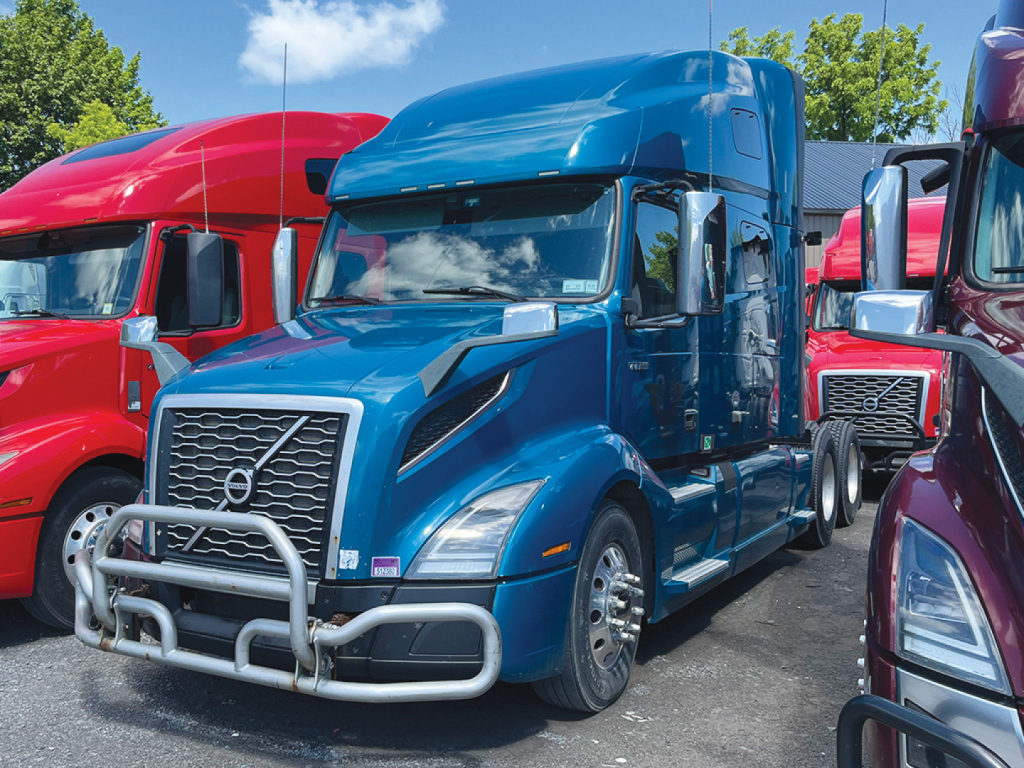
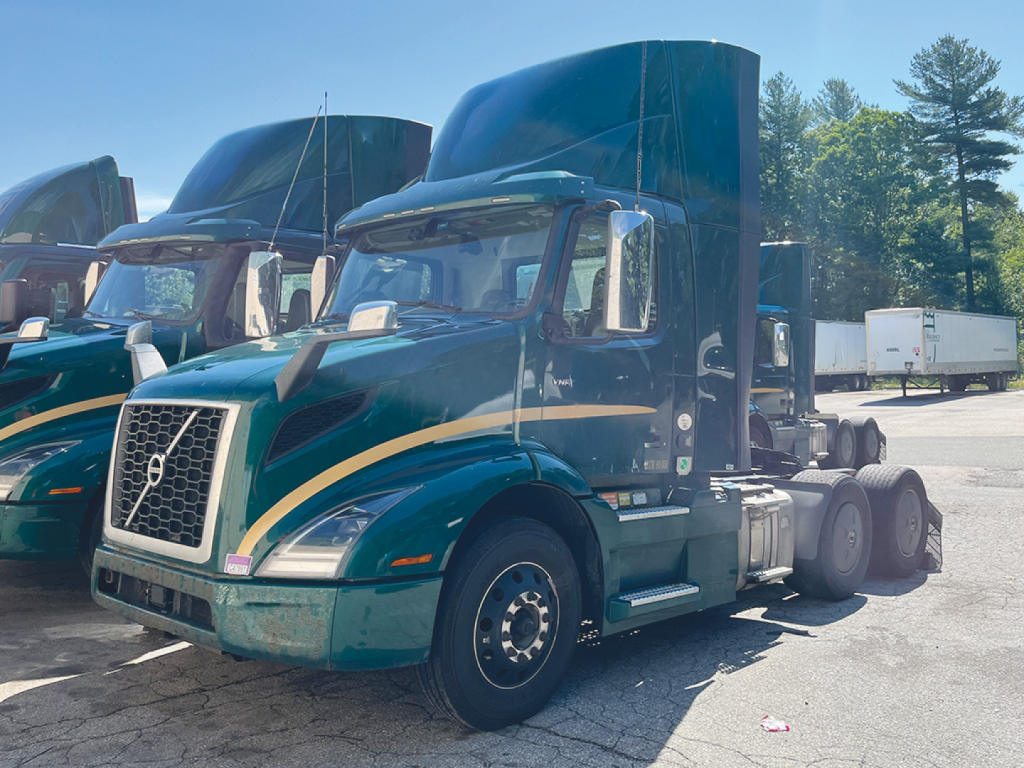
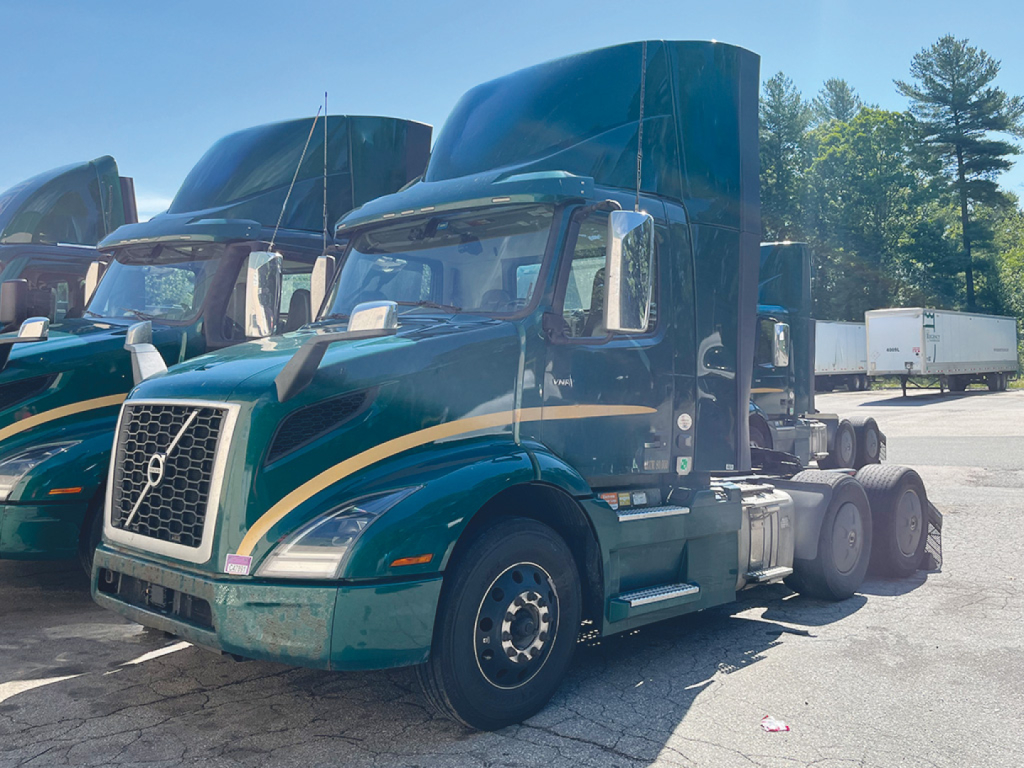
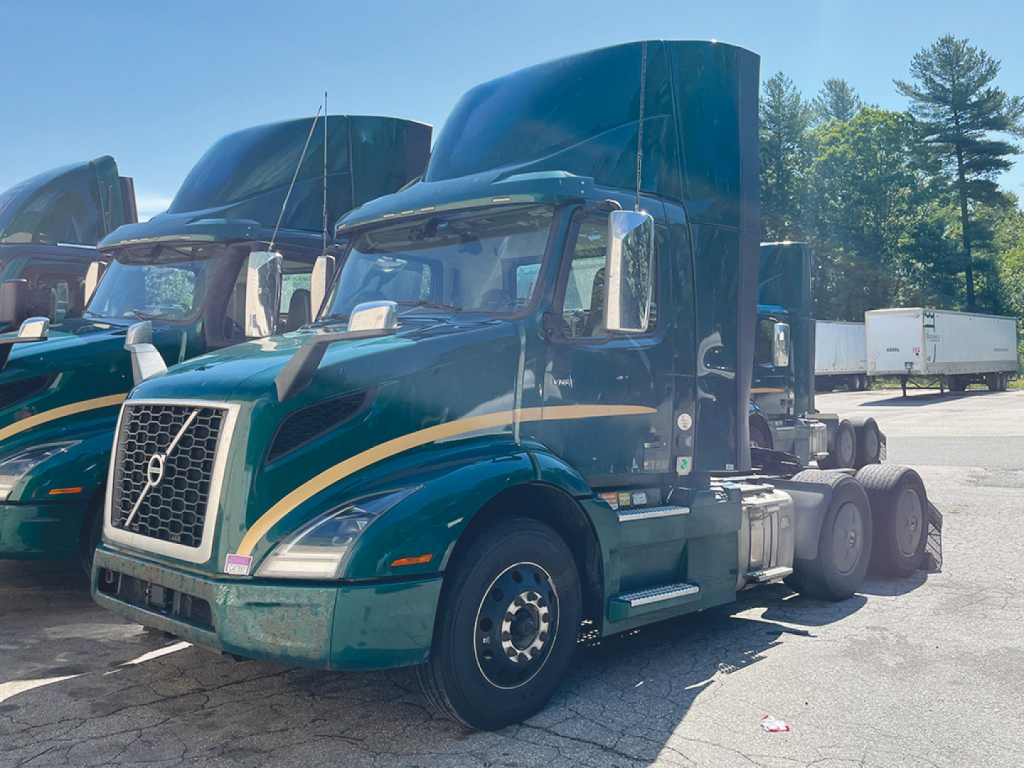

Have used 2020 volvo truck to sell? List it here to reach thousands of buyers.
Used 2020 Volvo Trucks in New York
A lot of 2020 Volvo trucks on the market are spec'd with the Volvo D13 engine and Volvo I-Shift automated manual transmission. That combination is popular for a reason. The D13 delivers strong low-rpm torque for loaded starts and highway pulling, while the I-Shift helps with fuel economy, clutch life, and driver consistency across mixed routes. Common specs include 405 to 455 horsepower, tandem or single-axle layouts, air ride suspension, disc brakes, and rear axle ratios set up for regional or linehaul work such as 2.47 or 2.64. Buyers should pay close attention to wheelbase, axle rating, and fifth wheel setup, especially if the truck will be matched to specific trailer lengths, bridge-law limits, or tight dock environments.
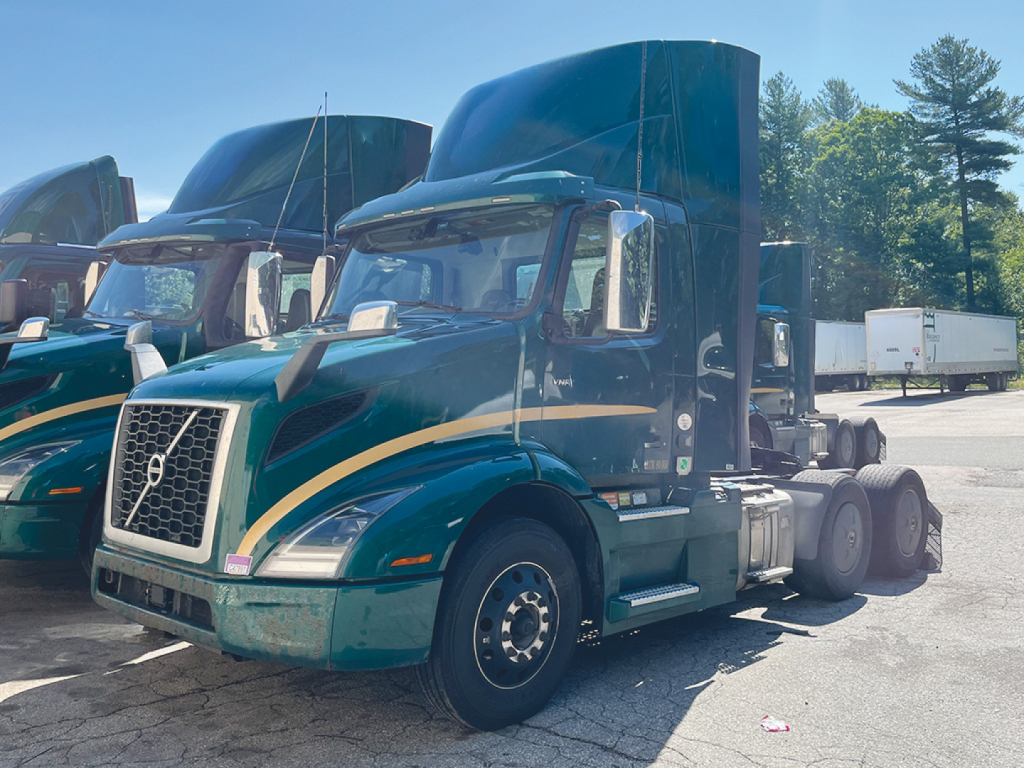
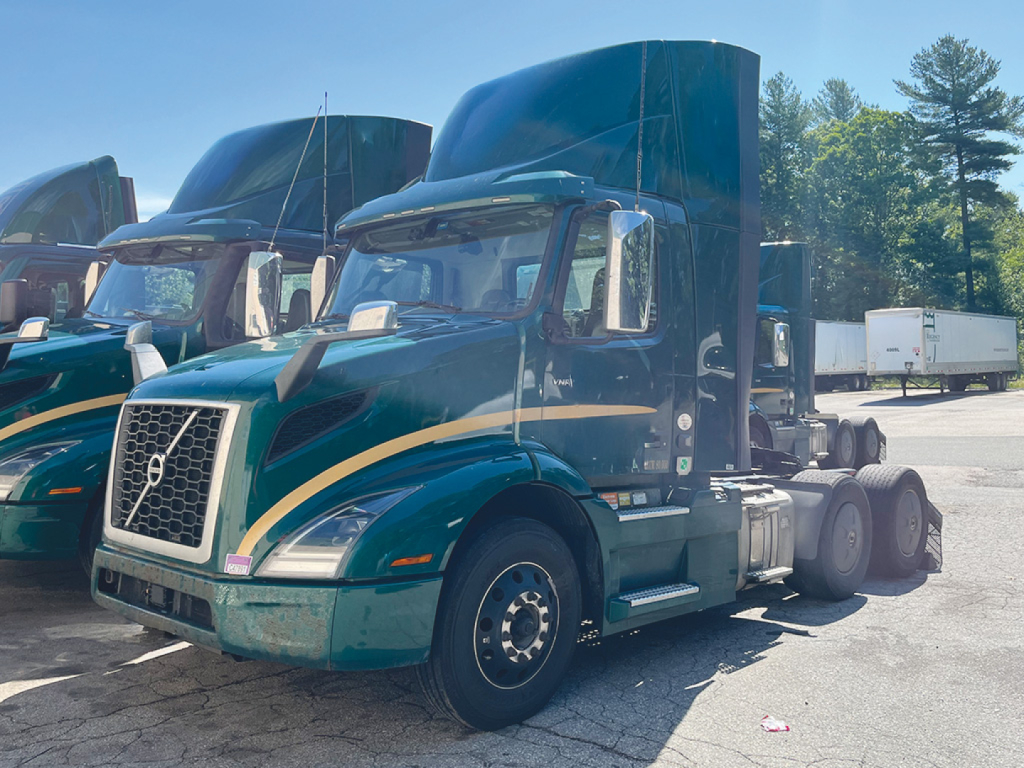
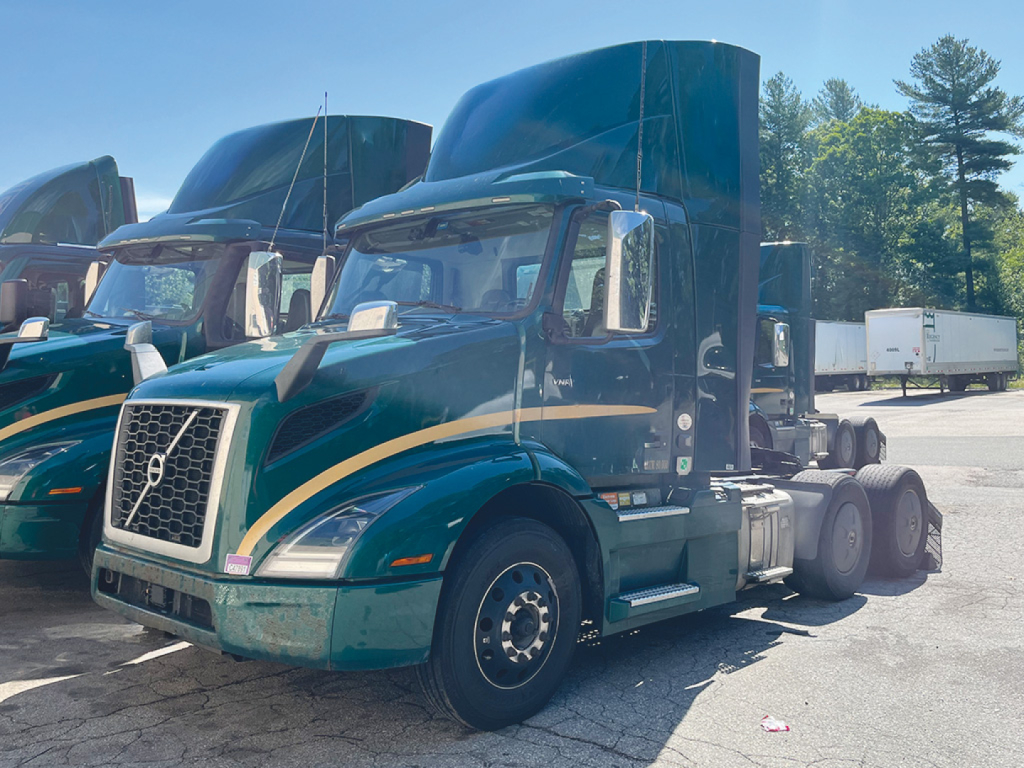
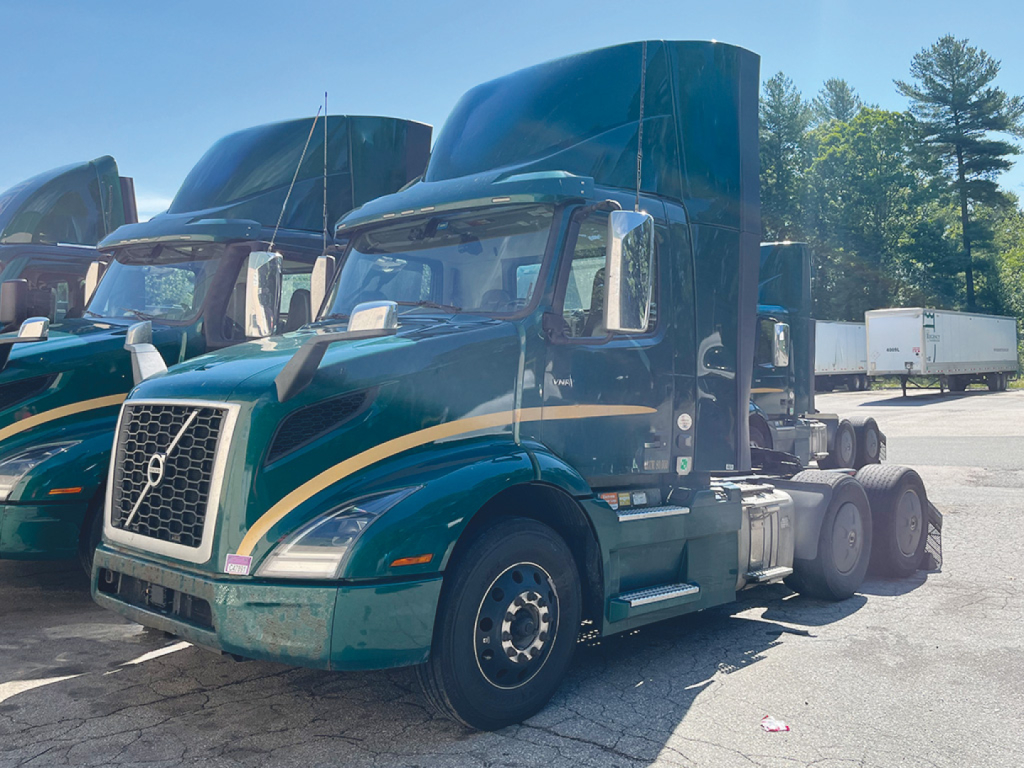
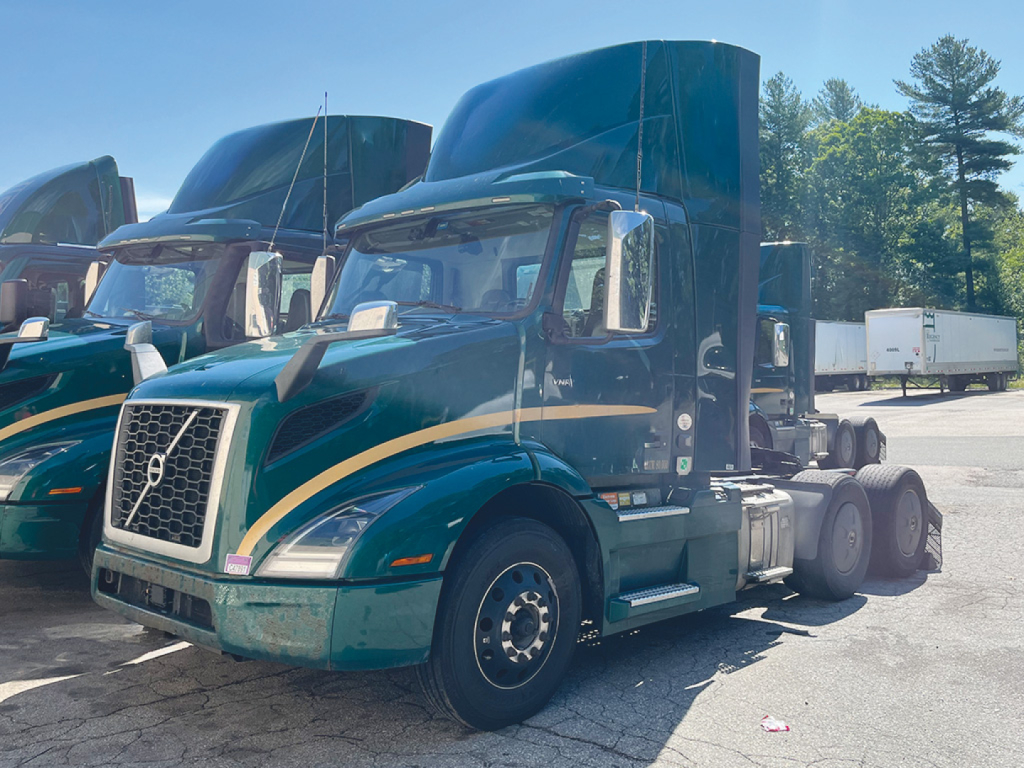
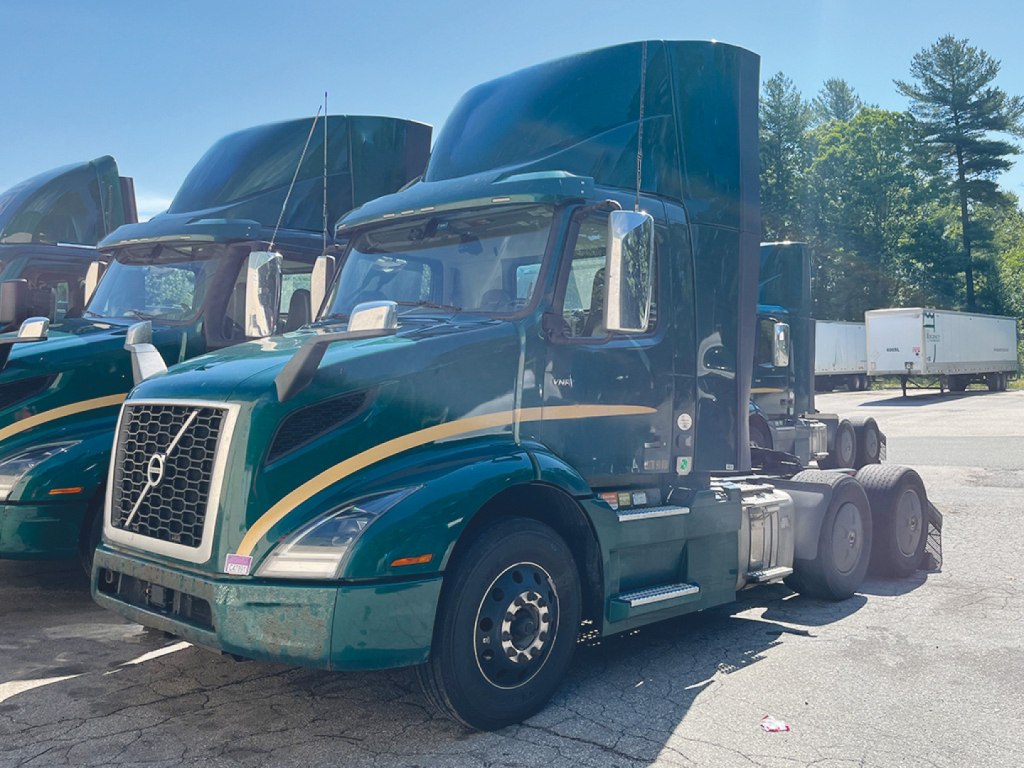
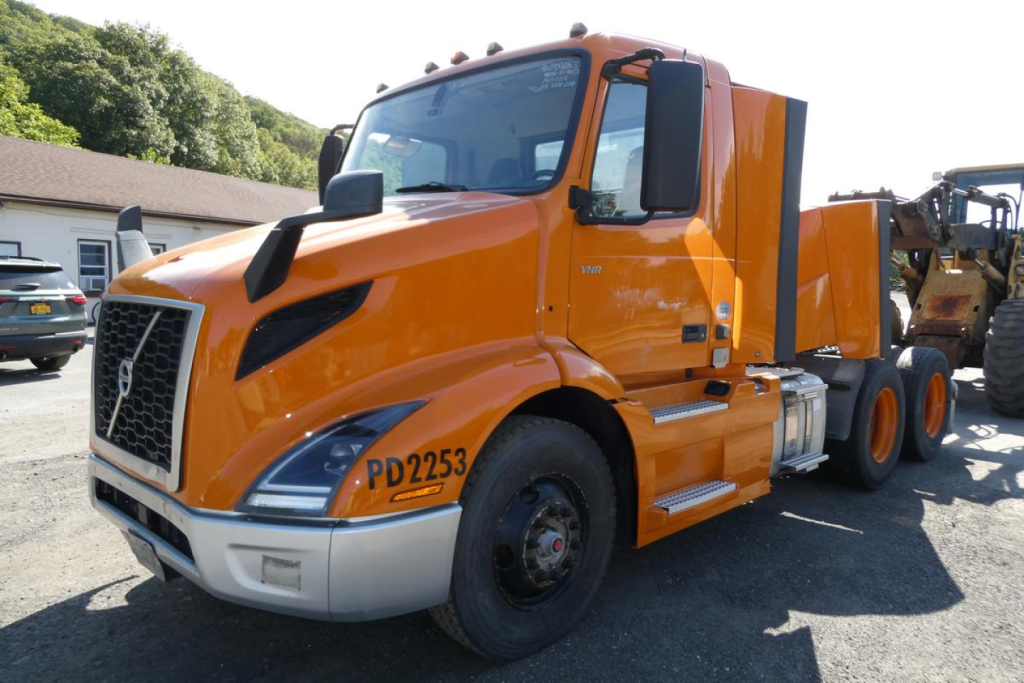
For New York operations, cab style and chassis layout matter as much as engine rating. A 2020 Volvo VNR 300 day cab, also known as a non-sleeper conventional, is well suited for local and regional freight, port work, dedicated lanes, and distribution center traffic where visibility and turning radius are important. Features often seen on these trucks include cab extenders, roof and side fairings, dual fuel tanks, low-profile front tires, super singles or duals on the rear, and air-slide fifth wheels. If the truck is going into city work, check bumper-to-back-of-cab dimensions, suspension condition, brake life, and tire spec. If it is headed into heavier interstate service, review fuel capacity, fairing package, axle ratio, and service records for emissions components such as the DPF, SCR, and DEF system.
The best used 2020 Volvo truck is not just the one with the lowest miles. It is the one with a clean maintenance history, the right drivetrain for the load profile, and a chassis spec that fits the job without compromise. Look closely at engine hours versus odometer miles, confirm transmission calibration and clutch wear data on I-Shift units, inspect air ride and steering components, and verify remaining tread and brake percentages. Volvo trucks from this model year are known for comfortable ergonomics, good outward visibility, and efficient integrated powertrain performance, but the real value comes from matching the spec to the work. For buyers comparing multiple used 2020 Volvo trucks for sale in New York, that is what separates a solid fleet unit from a truck that will stay productive over the long term.
Frequently Asked Questions about Used 2020 Volvo Trucks in New York
What are the most common specs on a used 2020 Volvo truck?
Many used 2020 Volvo trucks are equipped with Volvo D13 diesel engines, typically in the 405 to 455 horsepower range, paired with Volvo I-Shift automated manual transmissions. Day cab and regional-haul configurations are common, along with 12,000-pound front axles, 20,000- to 40,000-pound rear axle ratings, air ride suspension, air disc brakes, and aerodynamic packages. Exact specs vary by application, so axle ratio, wheelbase, and fifth wheel position should be checked against the trailer and freight you plan to run.
Is a 2020 Volvo VNR 300 a good choice for New York regional or city operations?
Yes. The 2020 Volvo VNR 300 is a strong fit for regional delivery, terminal-to-terminal runs, and urban freight work because it combines a shorter overall package with good visibility and a maneuverable chassis. Its day cab layout works well where overnight sleeper capacity is not needed, and many units are spec'd with aerodynamic fairings, air-slide fifth wheels, and fuel-efficient drivetrains. Buyers running in New York should still verify wheelbase, axle spread, and turning needs for city streets, loading docks, and bridge or weight-restricted routes.
What should I inspect on a used 2020 Volvo truck before buying?
The key checks are maintenance history, engine hours, fault codes, emissions system condition, and transmission performance. On a 2020 Volvo, pay close attention to DPF and DEF system service records, I-Shift calibration history, suspension wear, brake condition, tire wear pattern, and any driveline vibration or steering play. It is also smart to compare ECM miles to the odometer, inspect the frame for prior damage or corrosion, and confirm that the axle ratio and horsepower match the intended duty cycle.
Are Volvo I-Shift transmissions reliable in used 2020 models?
The Volvo I-Shift has a strong reputation when it has been maintained and operated correctly. In 2020 models, it is widely used because it improves shift consistency, reduces clutch abuse, and helps fuel economy compared with many manual setups. Reliability depends heavily on software updates, proper clutch and actuator service, and matching the transmission programming to the truck’s application. A diagnostic scan and road test are important before purchase.
What is the difference between a 2020 Volvo day cab and a sleeper model?
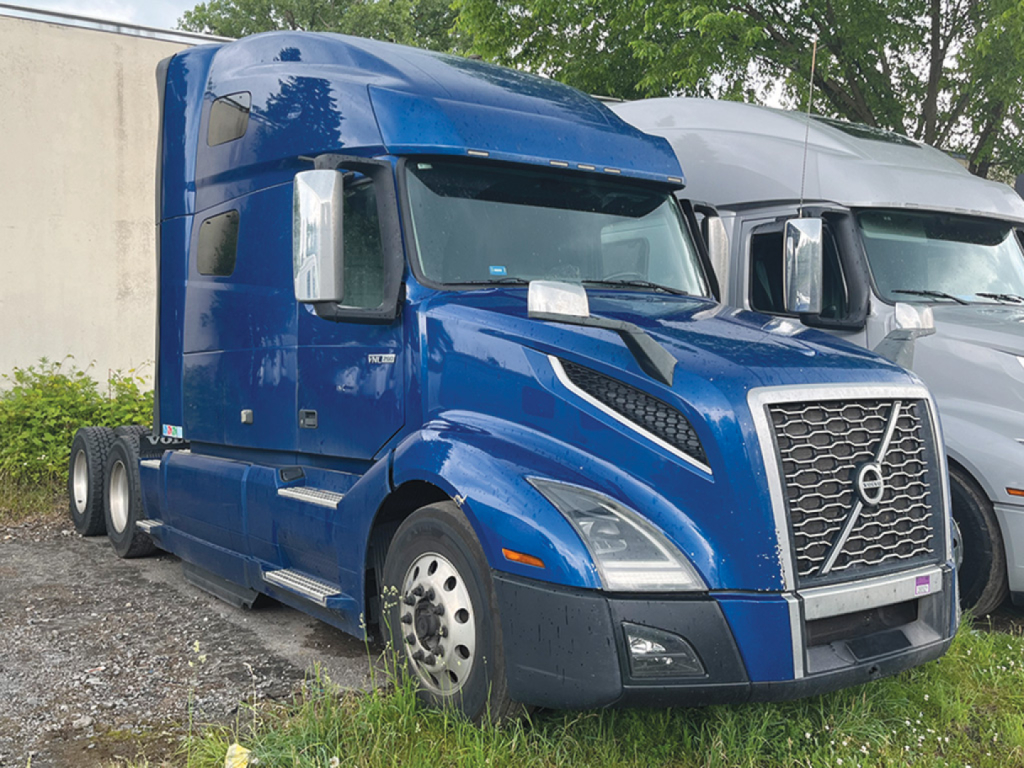
A 2020 Volvo day cab is built for local and regional work where the driver returns the same day, while a sleeper model is designed for longer over-the-road service with built-in rest accommodations. Day cabs usually have a shorter wheelbase and tighter turning radius, which is useful in metro areas and crowded yards. Sleeper trucks typically offer more fuel capacity and long-haul comfort, but they add length and weight that may not make sense for city or short-haul applications.