
Used 2020 Volvo Conventional Daycab Trucks For Sale in New York
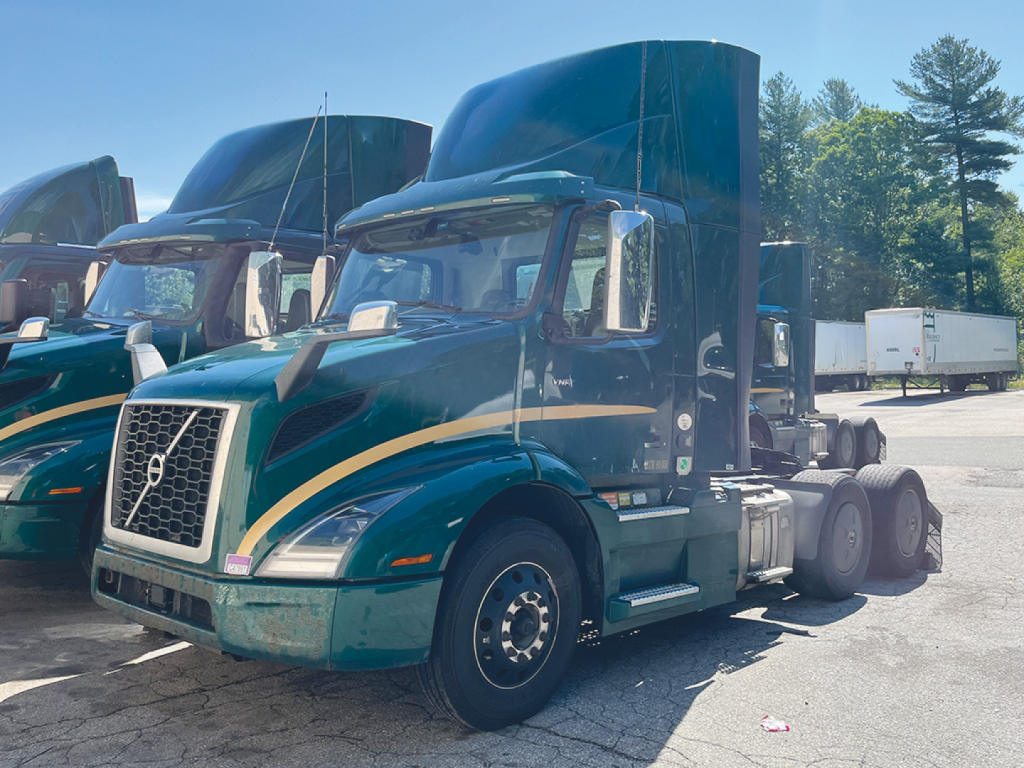
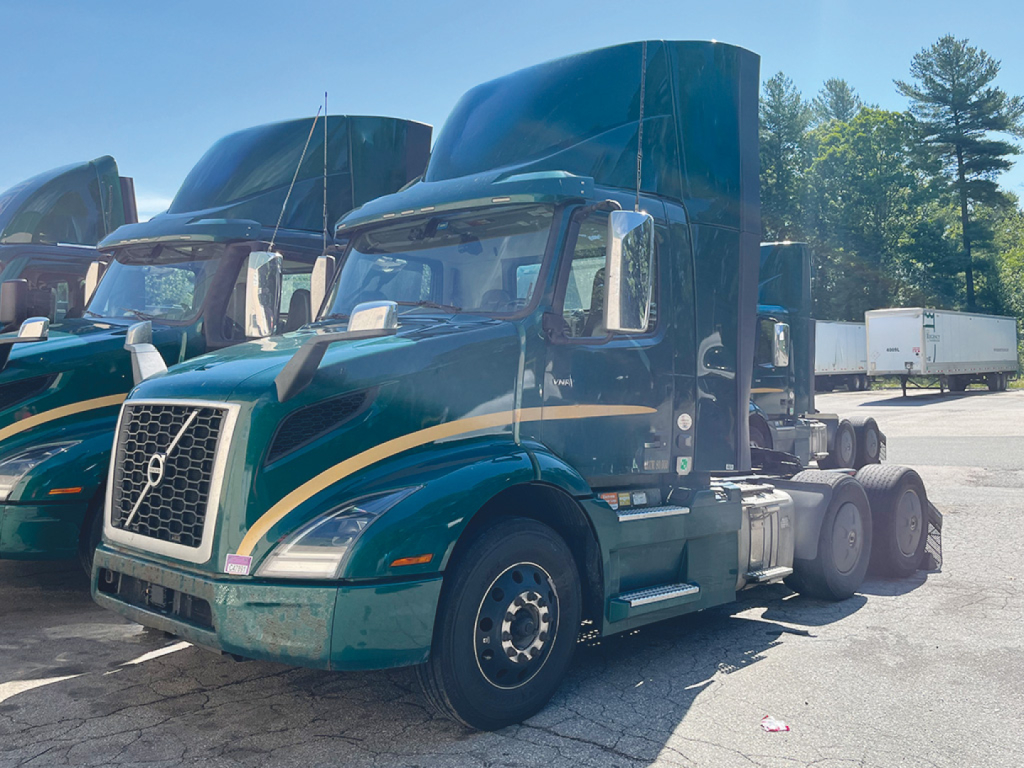
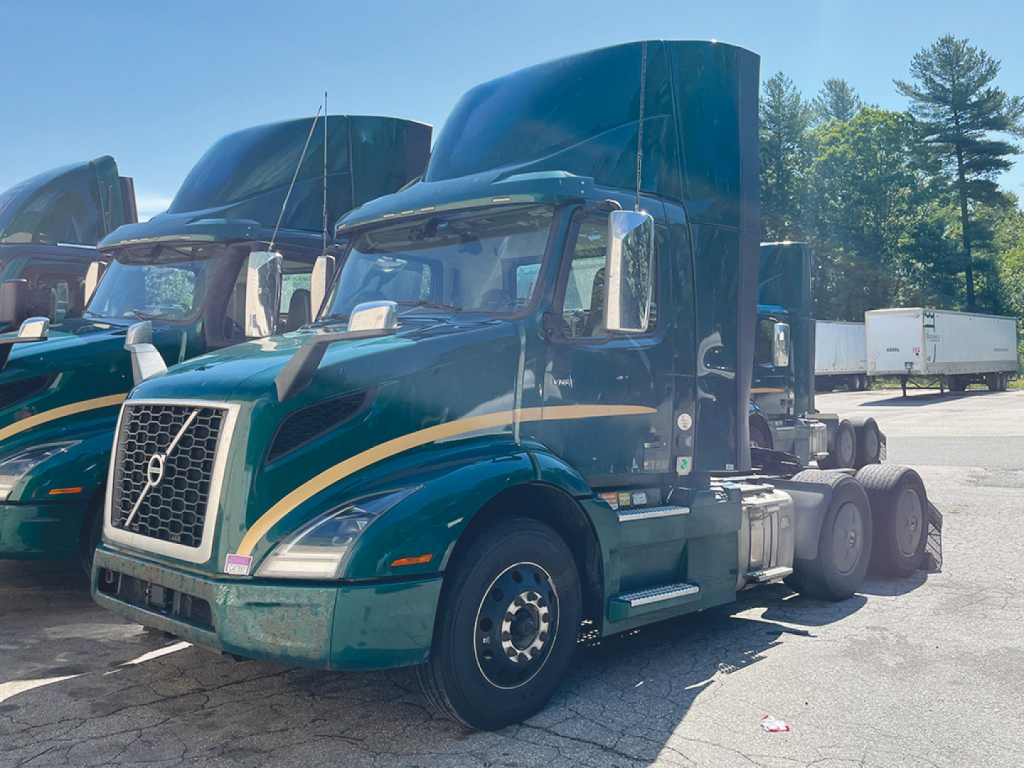
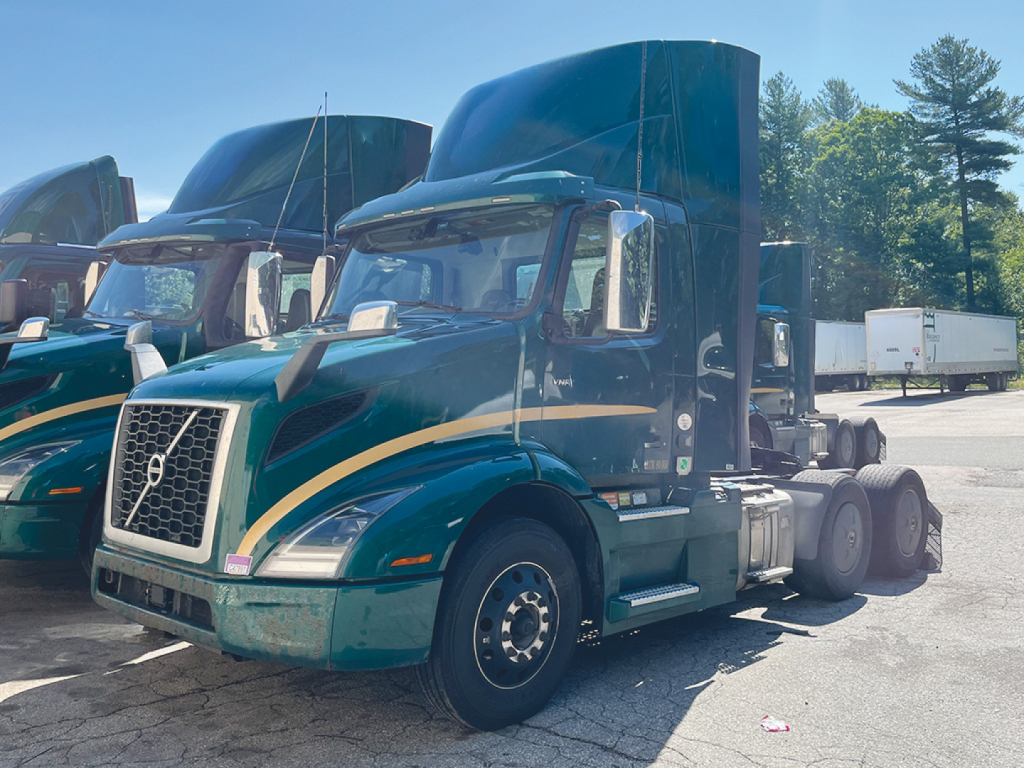
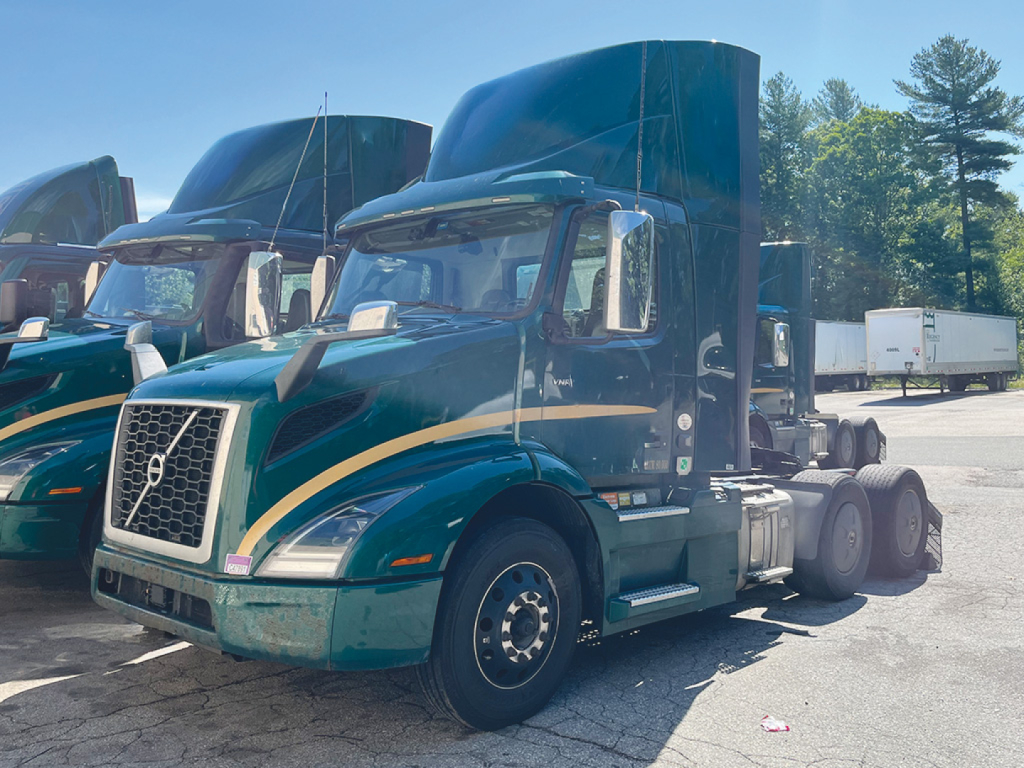
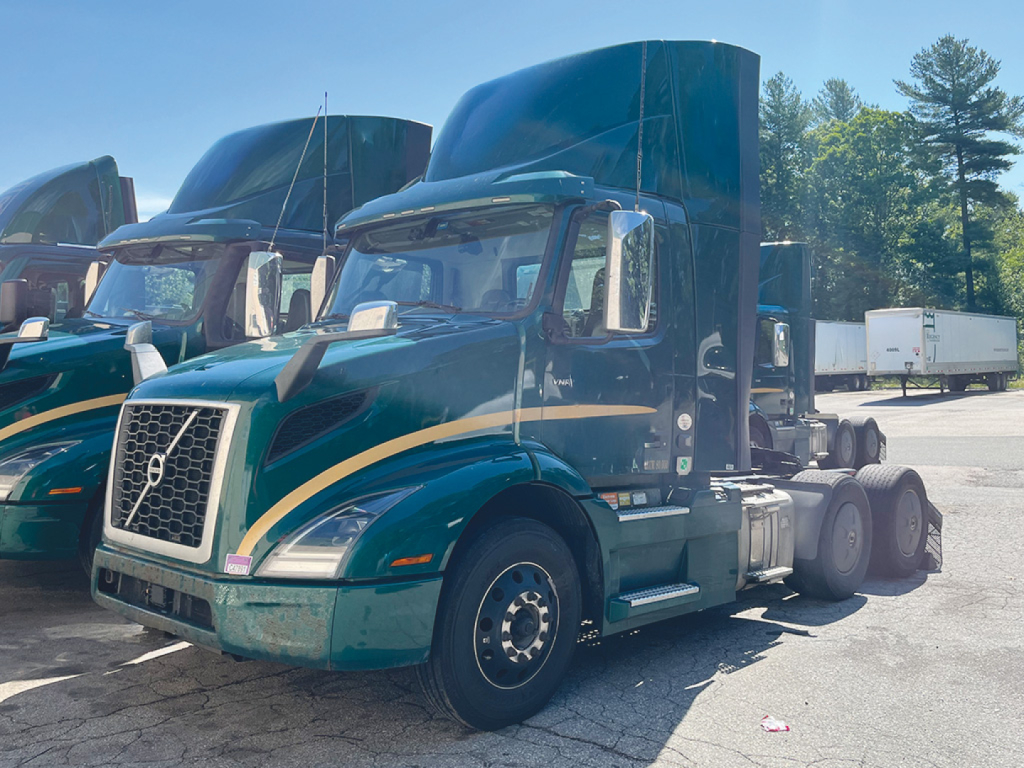
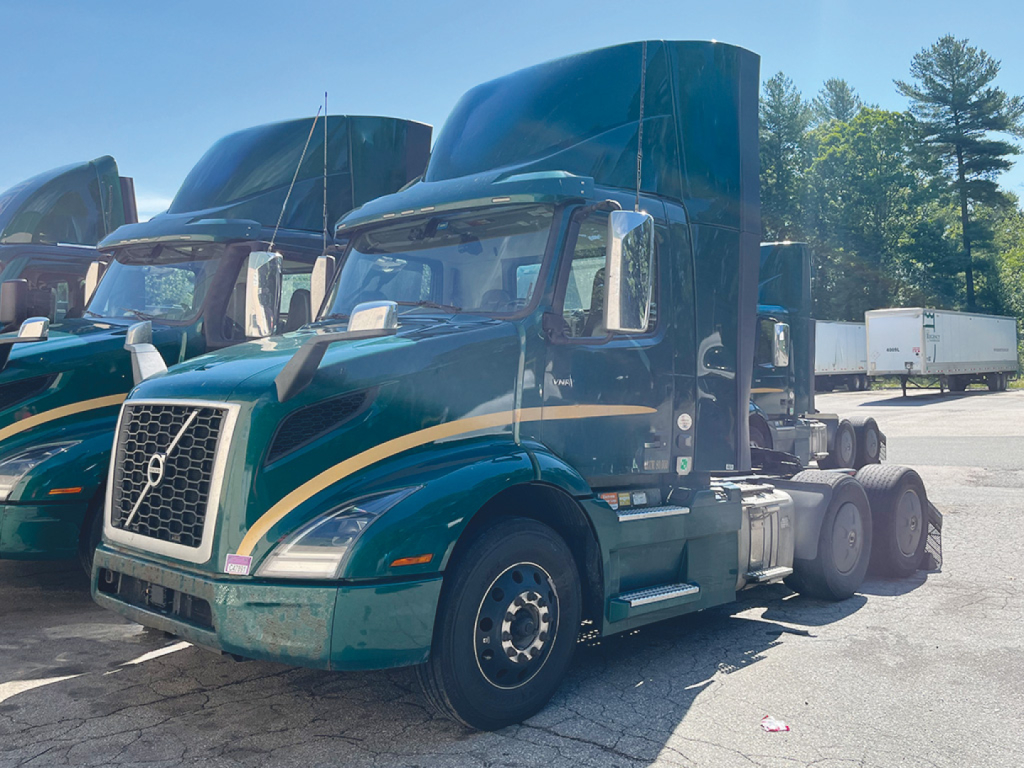
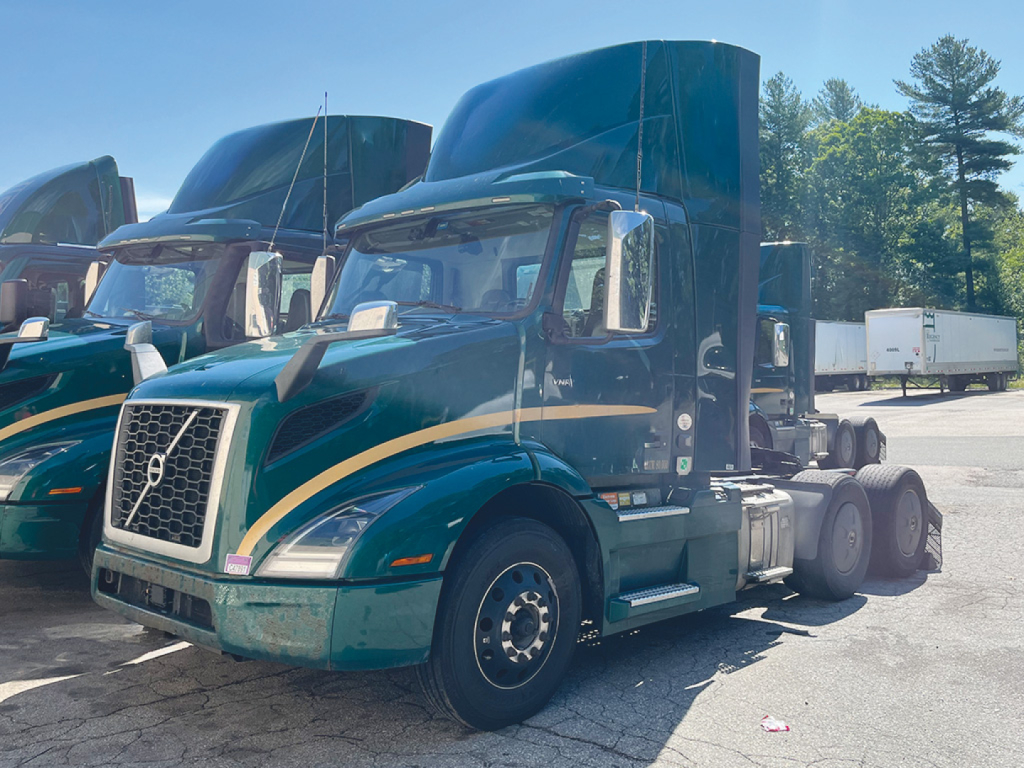
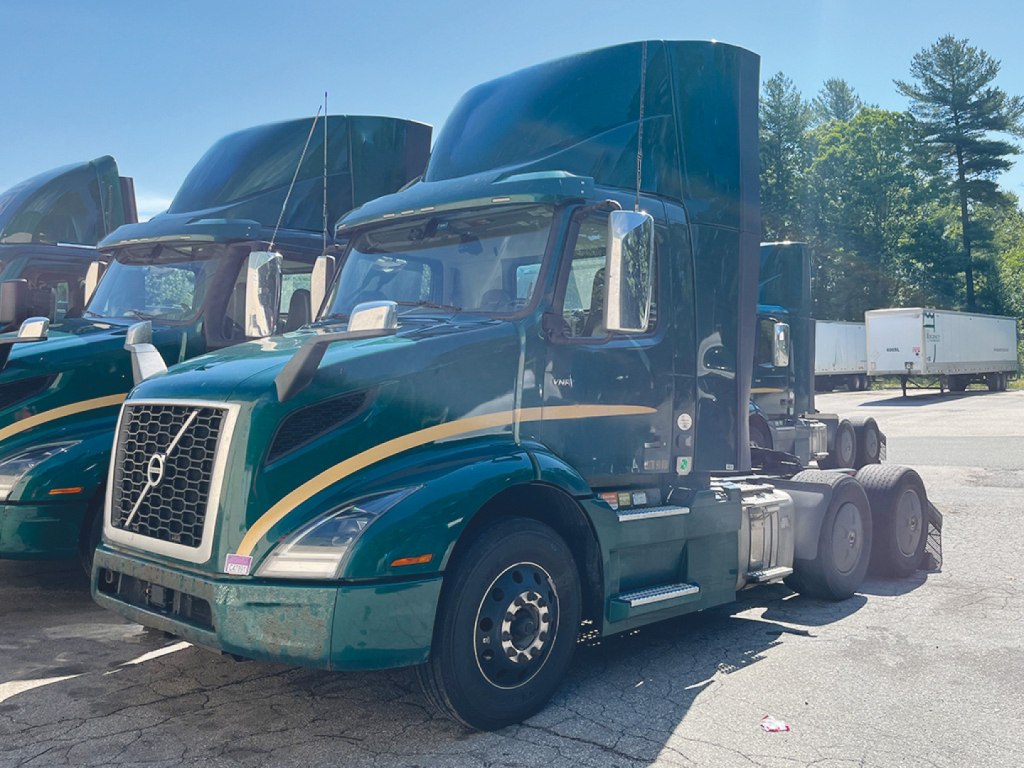
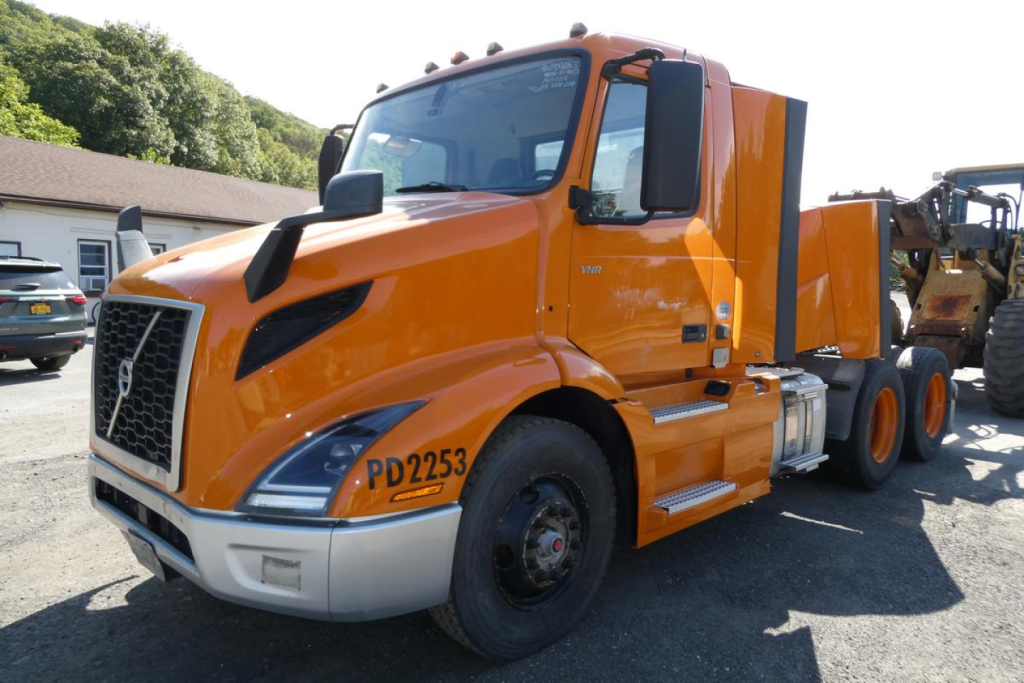
Have used 2020 volvo conventional daycab truck to sell? List it here to reach thousands of buyers.
Used 2020 Volvo Conventional Daycab Trucks in New York
The main spec decisions usually start with engine, transmission, axle rating, and wheelbase. Many 2020 Volvo daycabs are equipped with a Volvo D13 in the 405 to 455 horsepower range, often paired with the Volvo I-Shift automated manual transmission. That combination is popular because it reduces driver fatigue in stop-and-go service and generally supports good fuel economy when matched with the right rear ratio. Buyers should compare 40,000 lb rear axle setups, air ride suspension, and wheelbases commonly around the low-to-mid 170-inch range depending on intended trailer swing clearance and bridge law needs. Disc brakes, air slide fifth wheels, aluminum fuel tanks, and cab fairings are also common on better-spec regional tractors.
Used-condition evaluation is especially important on a 2020 daycab because many units have seen dense duty cycles rather than long steady highway miles. Odometer reading only tells part of the story. Engine hours, idle percentage, service records, aftertreatment history, transmission calibration history, and signs of repeated dock or yard impact all matter. On Volvo models, buyers often pay close attention to DPF and DEF system maintenance, I-Shift performance under load, suspension bushing wear, steer tire pattern, and the condition of air disc brake components if so equipped. A clean cab interior, working HVAC, intact fairings, and straight frame rails usually say a lot about how the truck was managed.
The best used 2020 Volvo conventional daycab for sale is the one matched to the lane, trailer, and payload, not just the lowest price. A lighter regional spec with aerodynamic trim may suit van or reefer work, while a heavier rear axle and different ratio may make more sense for container, beverage, or local bulk service. In New York, buyers also tend to weigh emissions compliance, corrosion exposure, and parts-service access. Volvo daycabs from this year remain attractive because they offer a modern cab environment, strong safety and braking options, and a drivetrain package that can work well for fleets trying to control operating cost without stepping into an older pre-emissions platform.
Frequently Asked Questions about Used 2020 Volvo Conventional Daycab Trucks in New York
What engine and transmission are common in a used 2020 Volvo conventional daycab?
Many used 2020 Volvo conventional daycab trucks are spec'd with a Volvo D13 engine and a Volvo I-Shift automated manual transmission. Horsepower often falls in the 405 to 455 hp range depending on the original fleet order. This setup is common in regional freight because it supports fuel economy, easy operation in traffic, and consistent shift logic for mixed driver pools.
Is a 2020 Volvo daycab a good choice for New York regional or city work?
Yes, a 2020 Volvo daycab is often a very good match for New York regional and urban applications. The shorter overall tractor length, good forward visibility, and common VNR chassis dimensions help in tighter streets, terminals, and distribution centers. Buyers should still confirm wheelbase, rear axle rating, and fifth wheel placement to make sure the truck matches trailer type, bridge requirements, and turning needs.
What should I inspect first on a used 2020 Volvo daycab?
Start with engine hours, maintenance history, aftertreatment service records, brake condition, tire wear, and transmission behavior on a road test. On a Volvo, it is smart to look closely at DPF and DEF system health, check for fault codes, verify that the I-Shift shifts smoothly under load, and inspect the frame, suspension, and fairings for signs of hard regional service. Air disc brake wear, if equipped, should also be measured rather than assumed.
What rear axle and suspension specs are typical on a 2020 Volvo daycab?
A common setup is a 40,000 lb rear axle rating with air ride suspension, though exact specs vary by application. Regional and highway-oriented tractors may carry faster axle ratios for fuel economy, while local heavy-service units may be ordered with gearing better suited for frequent starts and heavier loads. Matching ratio, wheelbase, and suspension to the route profile is more important than chasing one universal spec.
How do I choose between a lighter regional spec and a heavier local-haul spec?
The decision comes down to payload, trailer type, average trip length, and how much stop-and-go work the truck will see. A lighter aerodynamic spec is usually better for van and reefer lanes where fuel economy matters most. A heavier local-haul spec may be the better choice for container, beverage, or dense metropolitan freight where axle capacity, durability, and low-speed performance matter more than top-end efficiency.