
Used 2020 Volvo Conventional Daycab Trucks For Sale
Shop used 2020 Volvo conventional daycab trucks with D13 power, I-Shift options, tandem or single axle specs, and regional haul capability.
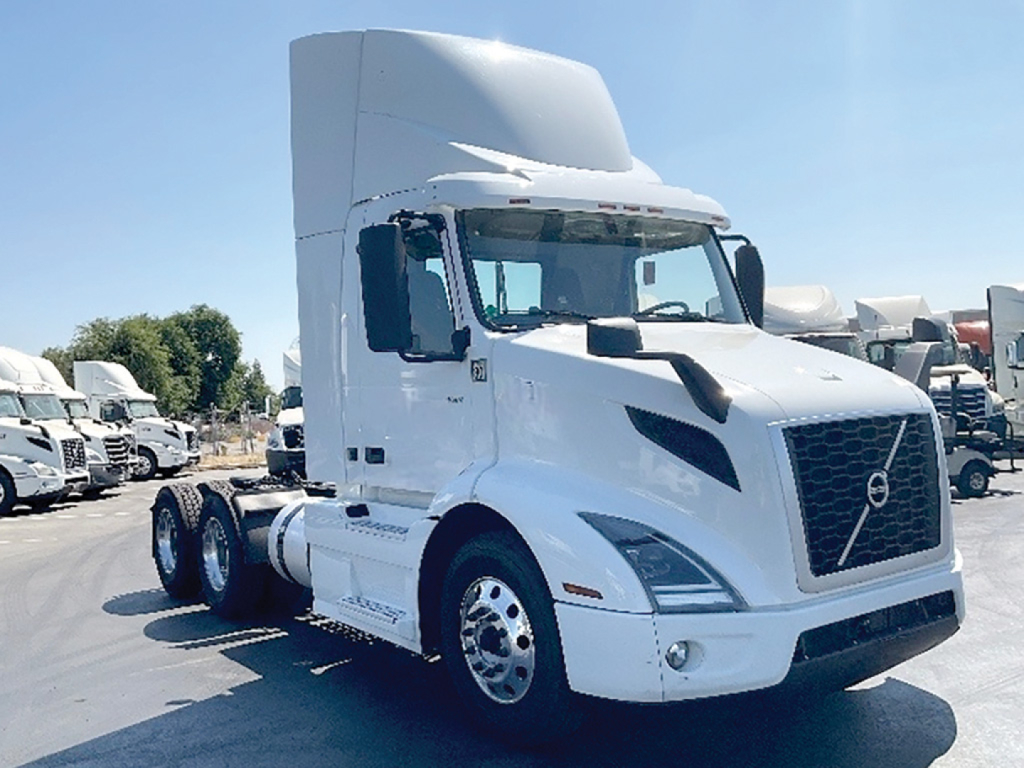
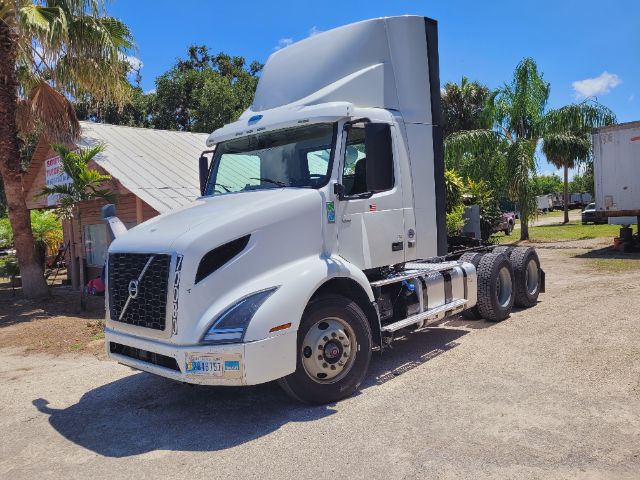

Looking for the easiest place to sell your used 2020 volvo conventional daycab truck? List it here to reach thousands of buyers.
Used 2020 Volvo Conventional Daycab Trucks
Axle and suspension specs matter as much as horsepower. A 2020 Volvo daycab may be set up as a single-axle tractor for lighter regional freight or as a tandem-axle road tractor with 40,000-lb rears for heavier trailer work. Common front axle ratings are around 12,000 to 12,350 lbs, while rear suspensions are often Volvo air ride or other 4-bag air systems designed to improve ride quality and traction. Wheelbases in the mid-150-inch to mid-170-inch range are common, and that dimension affects both turning radius and trailer compatibility. If the truck will spend time in crowded yards or city docks, wheelbase, cab-to-axle, and fifth wheel travel are worth checking closely. Air slide fifth wheels, 11R22.5 rubber, and air disc brakes are also common on this class of truck and can be a real advantage for stopping performance and maintenance planning.
For emissions-era used trucks, service history is critical. A 2020 Volvo daycab will use SCR and DEF systems, so buyers should pay attention to fault history, aftertreatment repairs, and any signs of derate issues. Odometer readings alone do not tell the full story. Engine hours, idle percentage, transmission service records, brake condition, and differential history can say more about remaining life than mileage by itself. Volvo’s integrated powertrain is a selling point in this year range, but it also means buyers should confirm software updates, clutch calibration on I-Shift units, and overall health of the electronic systems. If the truck is intended for high-cycle city work, a thorough look at suspension wear, frame condition, and steering components is just as important as the engine inspection.
The strongest used 2020 Volvo conventional daycab trucks are the ones spec’d to the job. A lower rear ratio can favor fuel economy on steady regional lanes, while a deeper ratio may suit heavier loads and more starts per day. Fairings, tank size, frame layout, and brake package all affect operating cost and usability. Volvo daycabs are well regarded for driver comfort, visibility, and ergonomic cab design, which matters in fleets with multiple drivers or routes with frequent stops. For a buyer comparing listings, the best approach is to match horsepower, axle rating, wheelbase, transmission type, and maintenance documentation to the freight pattern the truck will actually run.
Frequently Asked Questions about Used 2020 Volvo Conventional Daycab Trucks
What engines are common in a used 2020 Volvo conventional daycab?
The most common engine in a used 2020 Volvo conventional daycab is the Volvo D13, typically rated around 405 to 455 horsepower depending on spec. Some lighter or more application-specific trucks may be built differently, but the D13 is the core regional haul engine in this category. It offers a good balance of torque, fuel economy, and compatibility with Volvo’s integrated driveline systems.
Is the Volvo I-Shift a good transmission choice in a 2020 daycab?
Yes, the Volvo I-Shift is one of the most desirable transmission options in this category because it is widely used in regional and local fleet service. It helps reduce driver fatigue, improves shift consistency, and often supports better fuel economy than a manually shifted truck in mixed-duty use. On a used unit, the key is confirming proper maintenance, calibration, and clutch-related service history rather than avoiding the transmission itself.
What should I check on a used 2020 Volvo daycab before buying?
Pay close attention to aftertreatment performance, active or stored fault codes, engine hours, transmission operation, brake wear, suspension condition, and differential health. Service records for SCR, DEF, and emissions components are especially important on a 2020 model. You should also verify axle ratings, wheelbase, fifth wheel setup, and tire condition so the truck matches the trailers and payloads in your operation.
What is the difference between a Volvo VNR daycab and a Volvo VNM daycab?
A Volvo VNR daycab is generally positioned for regional highway and distribution work, with a design that balances aerodynamics, maneuverability, and road speed efficiency. A Volvo VNM daycab is often chosen for shorter-haul, urban, or tighter-route applications where overall package size can matter more. Exact specs vary by truck, so buyers should compare wheelbase, axle capacity, engine rating, and cab layout rather than relying only on model name.
Are used 2020 Volvo conventional daycabs good for regional freight?
Yes, this category is particularly well suited for regional freight, dedicated route work, intermodal drayage, and local trailer spotting that requires a highway-capable tractor without a sleeper. The daycab layout reduces overall weight and can improve maneuverability, while common Volvo specs like the D13 engine, air ride suspension, and I-Shift transmission make these trucks practical for high-mileage regional use.