
Used 2020 Conventional Daycab Trucks For Sale in New York
Browse used 2020 conventional daycab trucks in New York. Compare specs, wheelbases, engines, axle ratings, and regional haul features.
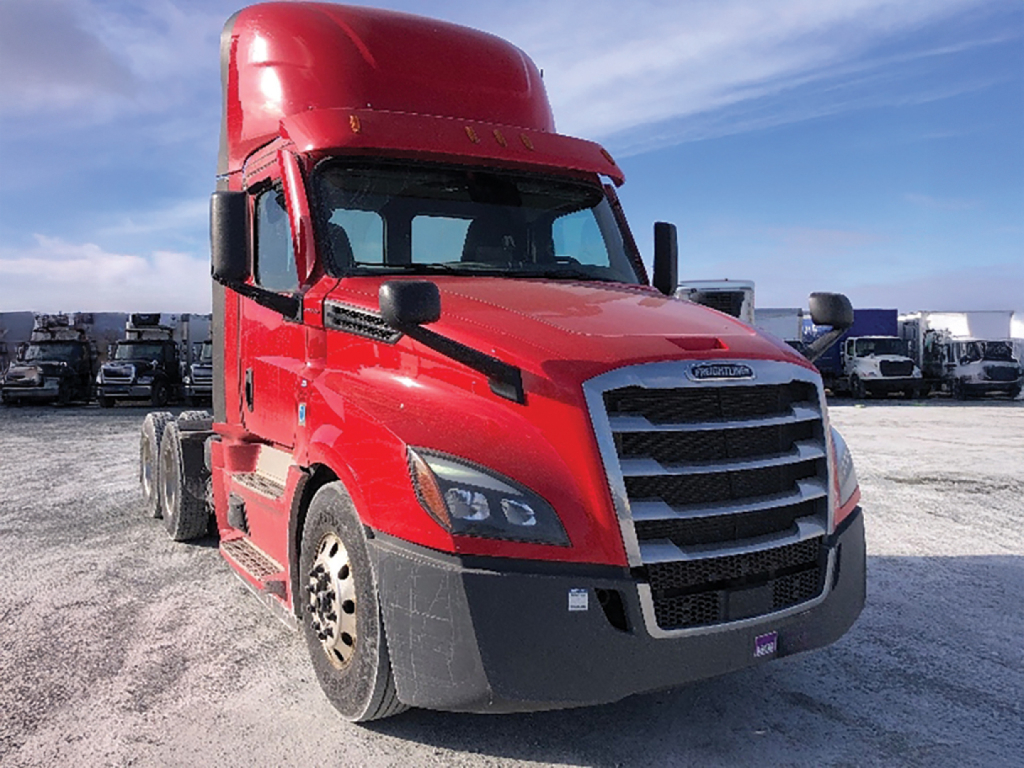
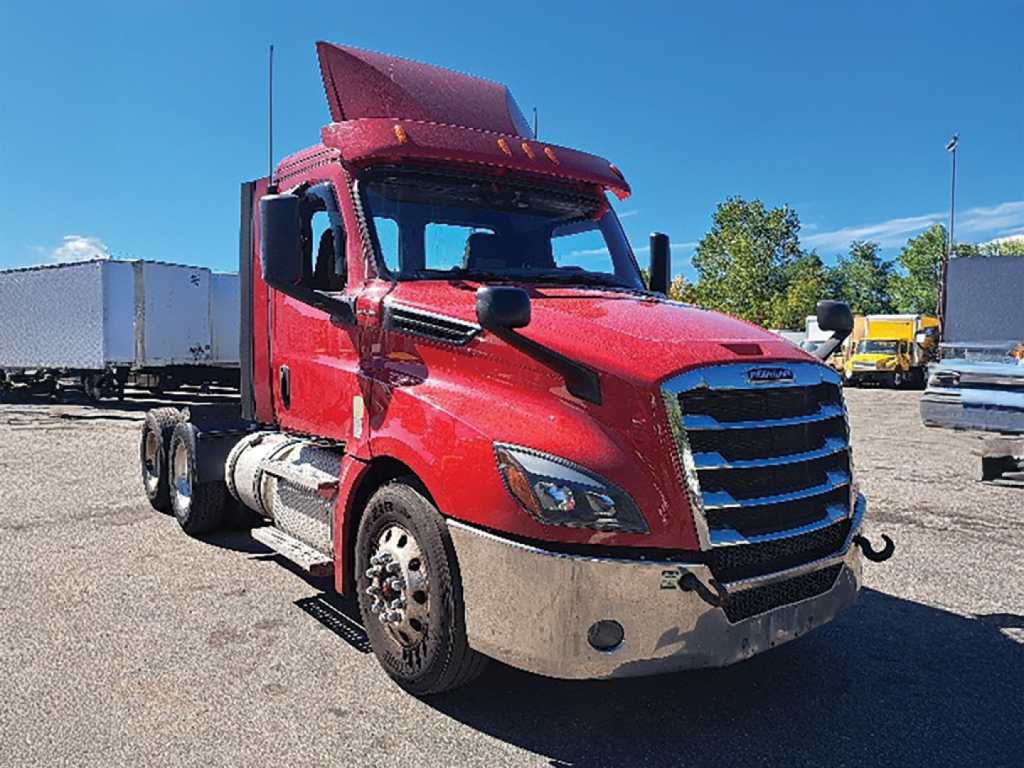
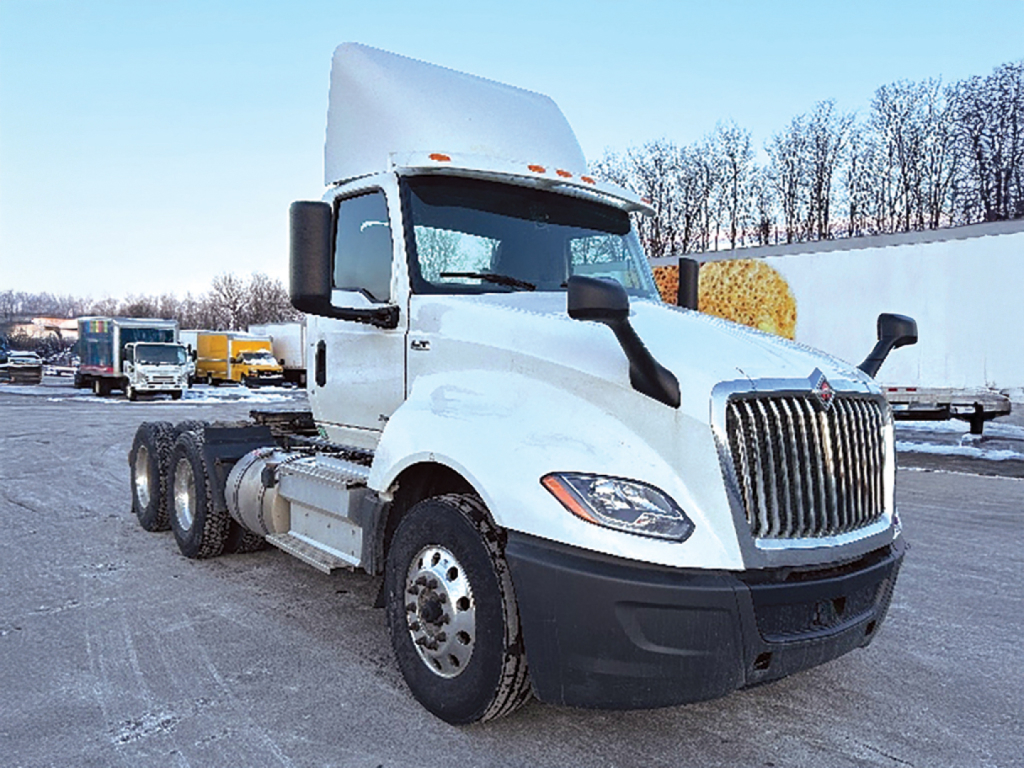
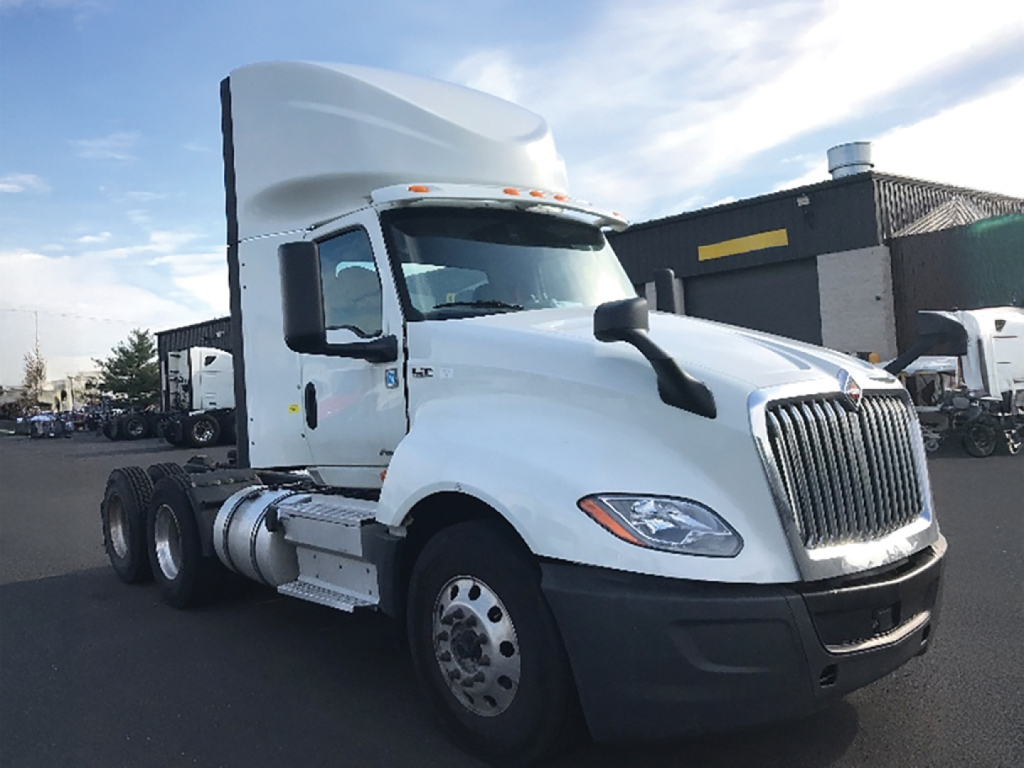
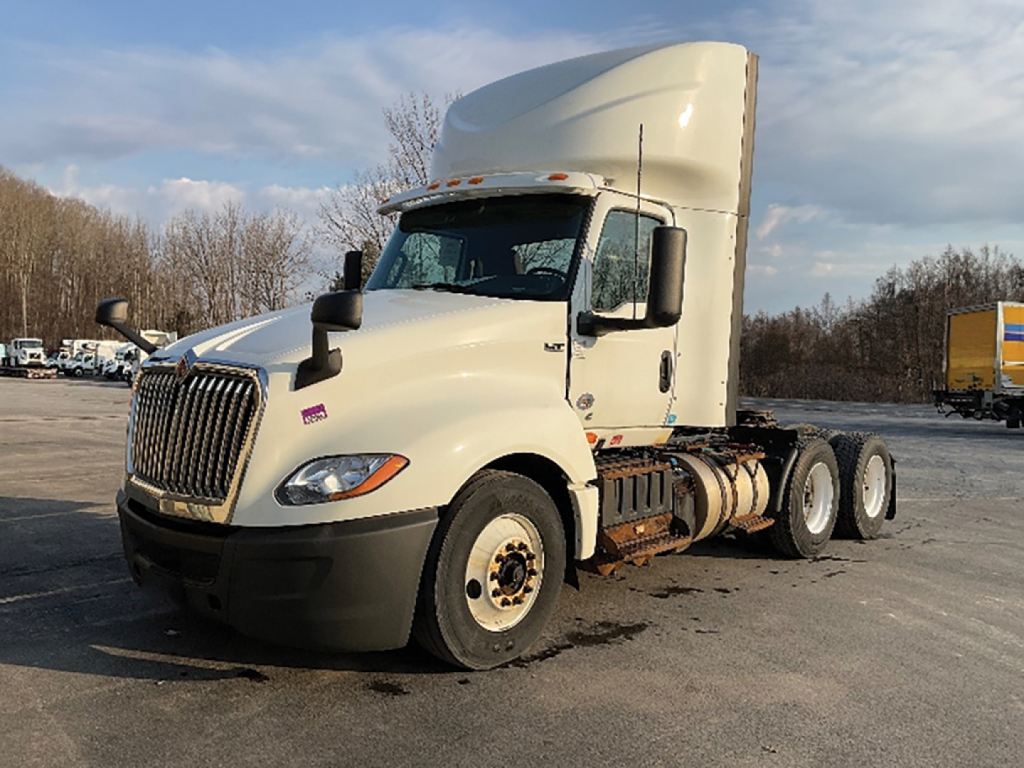
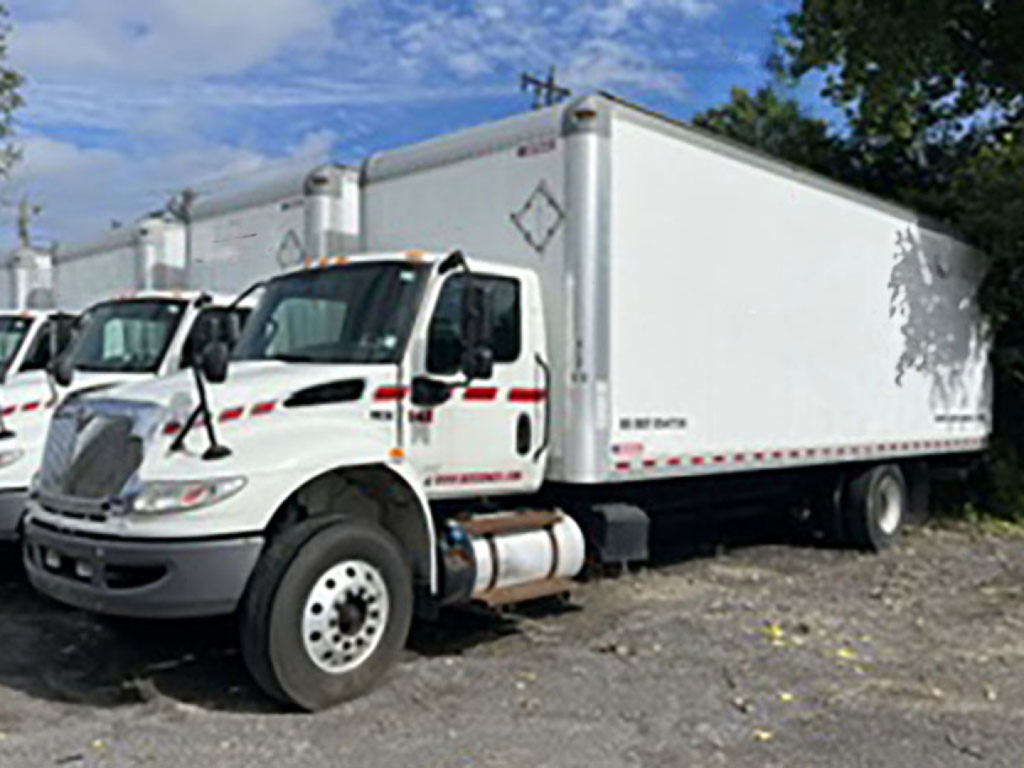
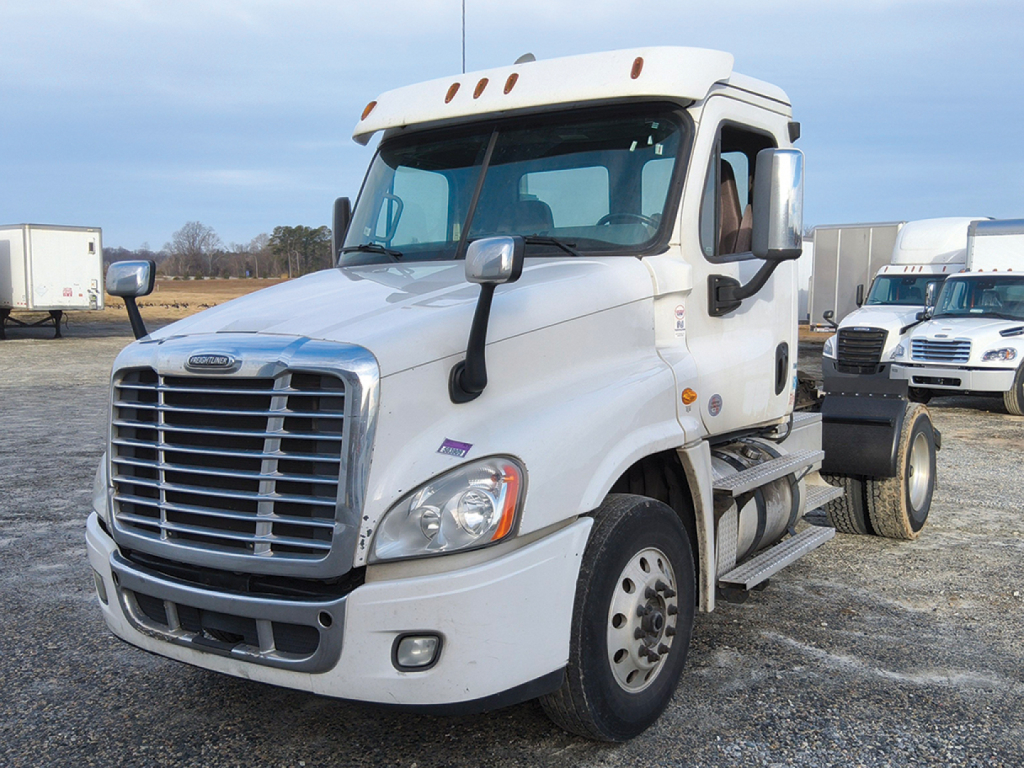

Have used 2020 conventional daycab truck to sell? List it here to reach thousands of buyers.
Used 2020 Conventional Daycab Trucks in New York
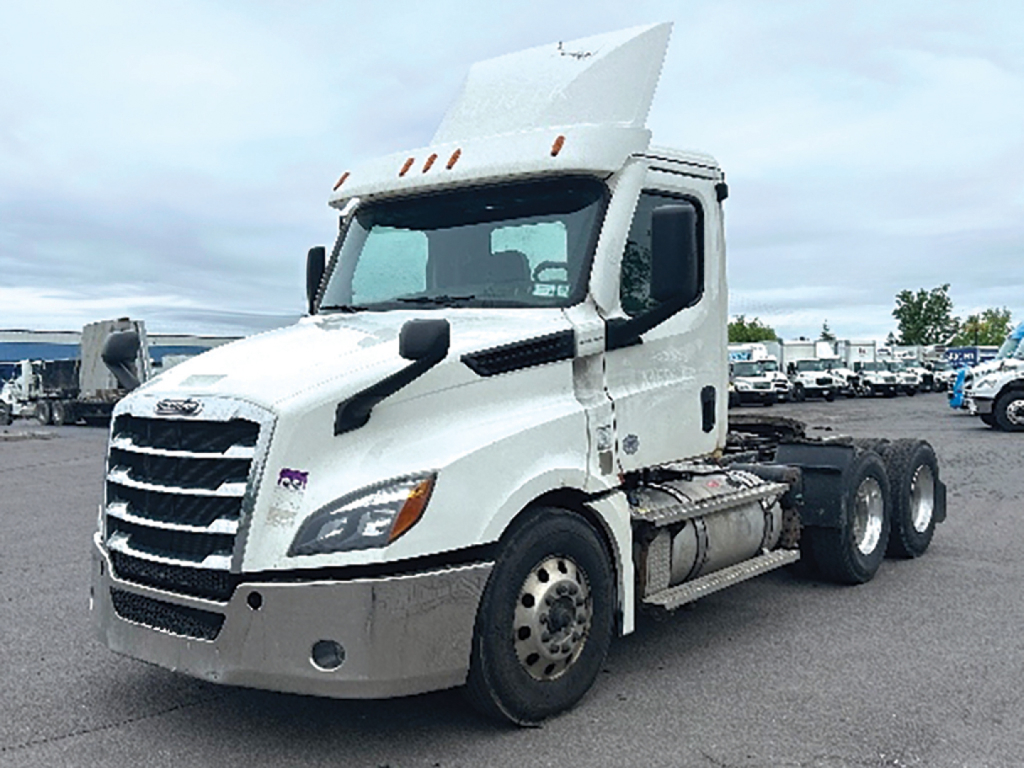
For 2020 model year trucks, expect to see popular platforms such as the Freightliner Cascadia, International LT, Kenworth T680, Peterbilt 579, and Volvo VNL daycab configurations. Common engines include the Detroit DD13 and DD15, Cummins X15, PACCAR MX-13, and Navistar A26, often rated around 400 to 455 horsepower. Transmissions can vary from 10-speed manuals to automated manuals like the DT12 or Endurant. Buyers should match the drivetrain to the route. A lower numerical ratio such as 2.64 to 3.08 generally favors fuel economy on steady highway lanes, while ratios around 3.25 to 3.70 can be better for heavier gross weights, stop-and-go operation, or hilly terrain.
New York applications put extra focus on durability and maneuverability. A daycab working the Thruway, borough deliveries, intermodal yards, or short regional turns needs good visibility, a practical turning radius, and a spec that can handle frequent braking and shifting. Air slide fifth wheels are common because they add flexibility for trailer balance and kingpin settings. Air ride suspensions remain the preferred setup for ride quality and freight protection. Disc brakes are increasingly desirable for fleets that run dense traffic or frequent stop cycles, and aluminum fuel tanks, fairings, and quarter fenders are typical features on highway-oriented tractors.
On a used 2020 conventional daycab, service history matters as much as brand. Check engine hours against odometer mileage, confirm aftertreatment maintenance on DPF and DEF systems, and inspect for clutch wear if it has a manual transmission. Review tire size, wheel type, brake spec, and axle ratings to be sure the truck matches your trailers and legal operating weights. A well-matched 2020 daycab can still be a strong value for regional fleets and owner-operators looking for modern emissions systems, improved aerodynamics, and a cab built for all-day driver comfort without the extra weight of a sleeper.
Frequently Asked Questions about Used 2020 Conventional Daycab Trucks in New York
What is a conventional daycab truck best used for?
A conventional daycab truck is best suited for local and regional hauling where the driver returns home daily and sleeper space is not needed. Common applications include dry van, reefer, flatbed, container, tanker, and dedicated route work. The shorter overall length compared with a sleeper tractor can improve maneuverability in city traffic, crowded yards, and tight loading docks.
What engine and transmission specs are common in used 2020 daycab trucks?
Used 2020 daycab trucks commonly have 13-liter to 15-liter diesel engines rated around 400 to 455 horsepower, paired with either a 10-speed manual or an automated manual transmission. Popular engine families include the Detroit DD13 and DD15, Cummins X15, PACCAR MX-13, and Navistar A26. The right combination depends on haul weight, terrain, driver preference, and whether fuel economy or pulling power is the higher priority.
What wheelbase is typical for a 2020 conventional daycab?
A typical 2020 conventional daycab often falls in the 170 inch to 185 inch wheelbase range, although shorter and longer specs exist. Shorter wheelbases generally improve turning radius and are useful for urban and vocational-style applications. Longer wheelbases can provide better ride quality, fuel tank capacity, and trailer clearance depending on fifth wheel placement and kingpin settings.
What should I inspect on a used 2020 daycab before buying?
Key inspection points include engine hours, maintenance records, aftertreatment service history, clutch and transmission condition, suspension wear, brake type and remaining life, and signs of frame or fifth wheel damage. Buyers should also verify axle ratings, rear ratio, tire condition, and any fault codes related to emissions or electronics. On 2020 trucks, DEF and DPF system health is especially important because downtime from emissions issues can quickly erase any purchase savings.
Are used 2020 conventional daycabs a good fit for New York operations?
Yes, used 2020 conventional daycabs are often a strong fit for New York operations because they balance highway efficiency with the maneuverability needed for dense freight markets. They are commonly used on regional lanes, warehouse distribution, port drayage, and metro-area delivery routes. Buyers in New York should pay close attention to wheelbase, turning radius, brake performance, and corrosion exposure from year-round road conditions.