
Used 2020 International Conventional Daycab Trucks For Sale in New York
Shop used 2020 International conventional daycab trucks with A26 power, daycab efficiency, and specs suited for regional, local, and fleet work.
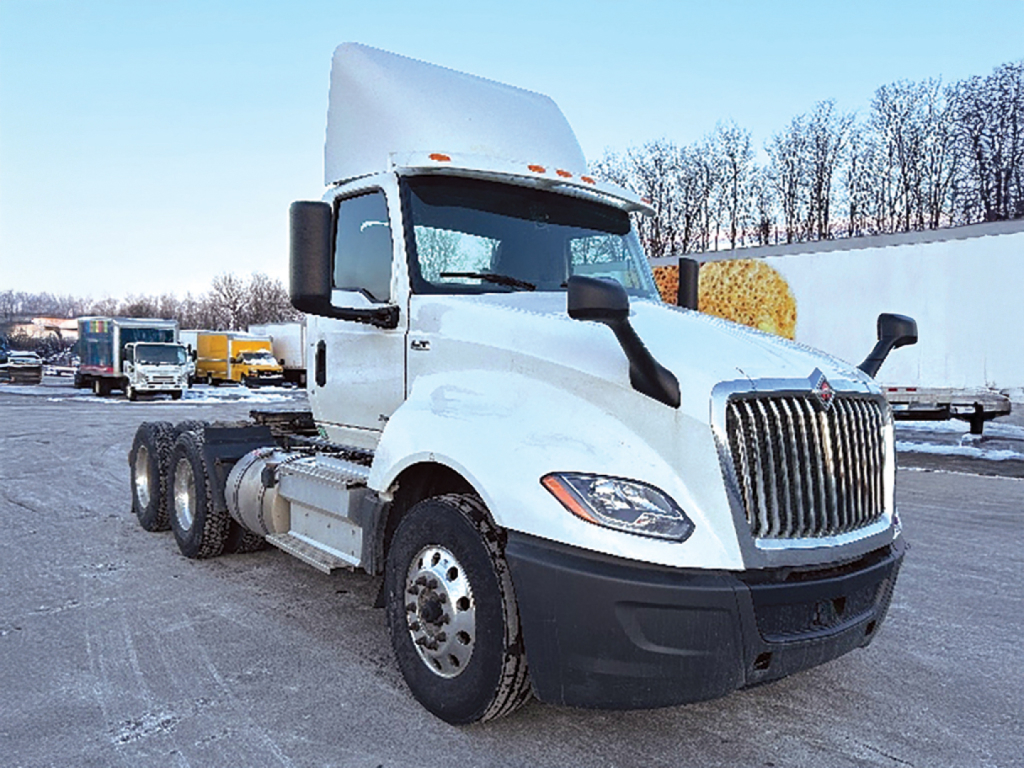
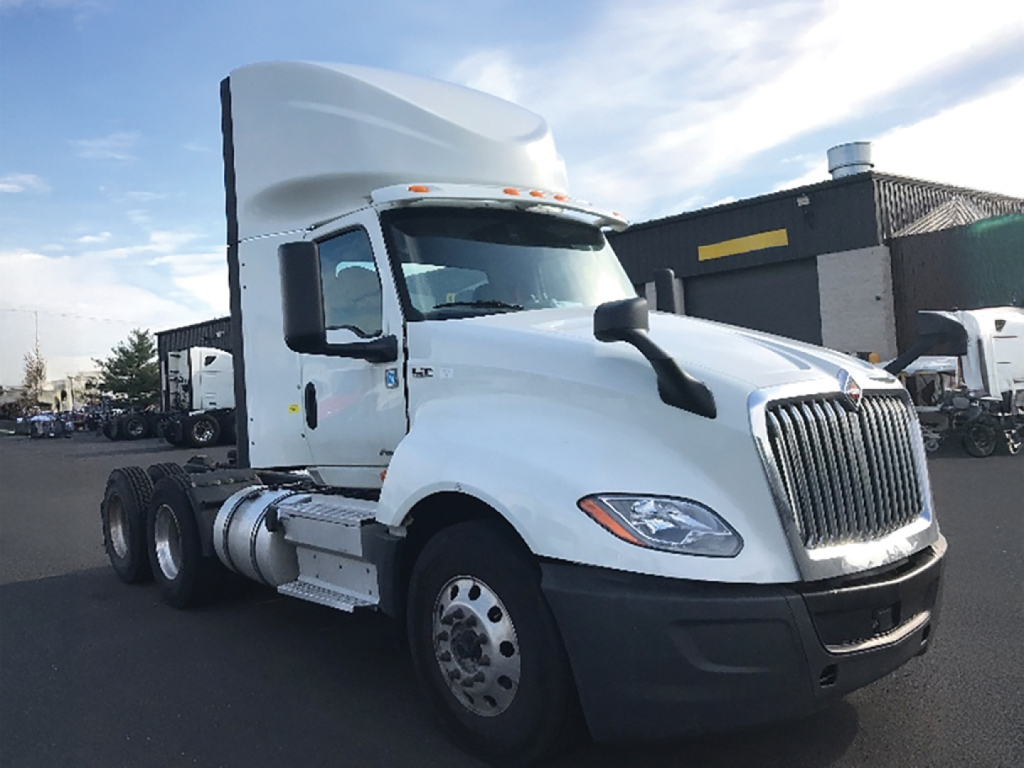
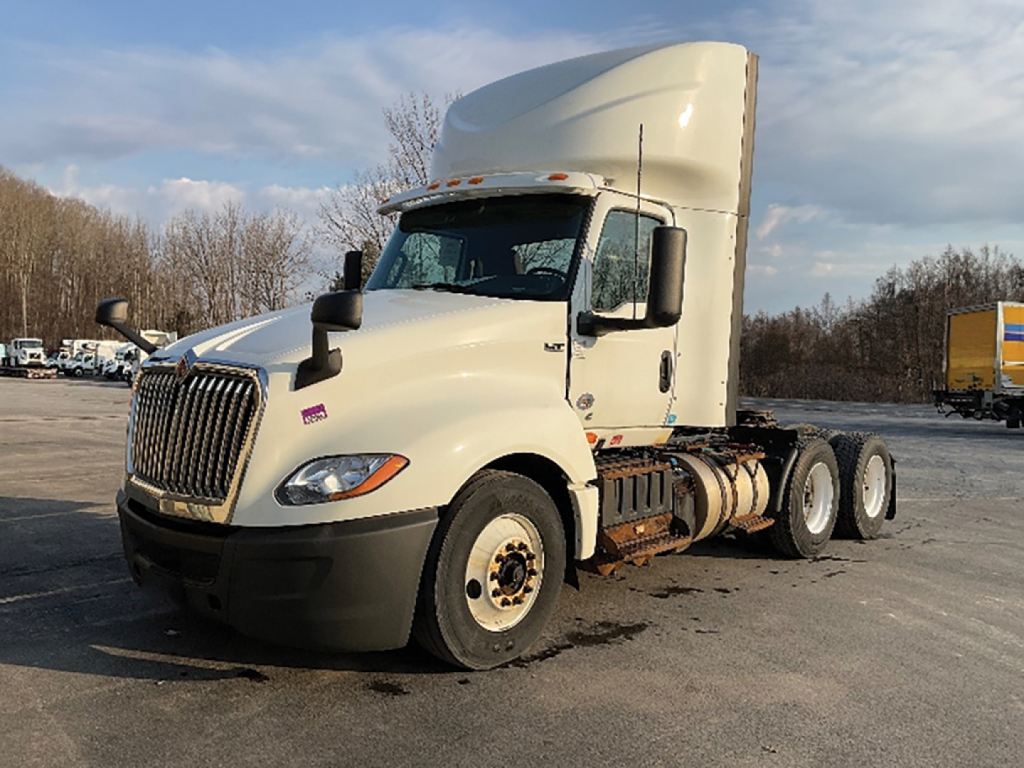
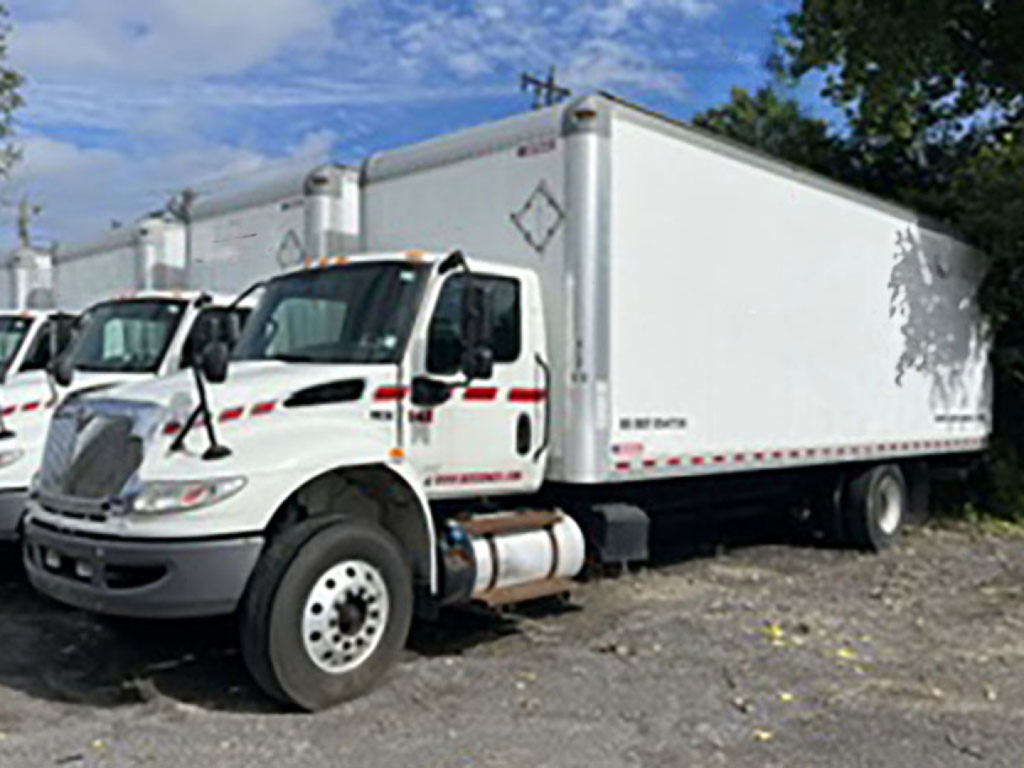

Have used 2020 international conventional daycab truck to sell? List it here to reach thousands of buyers.
Used 2020 International Conventional Daycab Trucks in New York
The first buying decision is usually powertrain and axle spec. Many 2020 International daycabs were built with the Navistar A26, while some related vocational or medium-duty configurations may carry Cummins power depending on application. Horsepower in this class commonly lands in the 350 to 450 HP range for highway tractors, paired with automated manual or 10-speed manual transmissions. Rear axle ratings are often 20,000 pounds on single-axle specs or around 40,000 pounds on tandem-axle units, with ratios such as 2.64, 2.79, 3.08, or 3.42 selected for a mix of fuel mileage, launch performance, and route profile. For New York operations, pay close attention to bridge formula, tare weight, and how the ratio and transmission behave in stop-and-go traffic, grades, and winter conditions.
Daycab buyers should also look closely at the frame and cab layout because those details affect trailer compatibility and daily usability more than many first-time buyers expect. A sliding fifth wheel, wheelbase in the mid-160 to 180-inch range, and air ride suspension are common fleet-friendly specs for van, reefer, and general freight use. Single-frame tractors can be lighter and simpler for linehaul or regional work, while heavier tandem specs may better suit higher gross loads and tougher terminal environments. Inside the cab, practical features matter: air conditioning, tilt and telescoping wheel, cruise, power windows, collision mitigation, disc brakes, and aluminum wheels can all influence driver acceptance, maintenance cost, and resale appeal.
Condition matters as much as spec on any used 2020 International conventional daycab. Review engine hours alongside mileage, confirm aftertreatment service history, inspect for frame corrosion from Northeast road treatment, and verify tire wear patterns that may point to alignment or suspension issues. Check kingpin setting compatibility with the trailers being pulled, and confirm the fifth wheel height works with your existing fleet. A well-matched daycab in this category can deliver strong value because it keeps acquisition cost below a new truck while still offering current-era safety systems, efficient aerodynamics, and a cab designed for frequent entry, exit, and all-day regional duty.
Frequently Asked Questions about Used 2020 International Conventional Daycab Trucks in New York
What is a conventional daycab truck used for?
A conventional daycab truck is a highway tractor with no sleeper compartment, built for runs where the driver returns the same day or does not need overnight accommodations. It is commonly used for regional freight, local delivery, drayage, dedicated customer routes, and terminal-to-terminal hauling. The shorter overall package can improve maneuverability and reduce empty weight compared with a sleeper tractor.
What engine is common in a 2020 International daycab?
The Navistar A26 is one of the most common engines found in 2020 International highway daycabs, especially in fleet-oriented regional tractor specs. Depending on the exact model and application, buyers may also see Cummins engines in certain configurations. The right choice depends on your shop familiarity, parts support in your area, horsepower target, and the weight and terrain of the routes the truck will handle.
Should I choose a single-axle or tandem-axle International daycab?
A single-axle daycab is typically lighter, simpler, and well suited for lower gross weights, short regional lanes, and operations where payload and maneuverability matter more than maximum traction or axle capacity. A tandem-axle daycab is the better fit for heavier trailer loads, broader freight flexibility, and tougher operating conditions. The decision should be based on gross combination weight, trailer types, bridge law exposure, and how often the truck will run in snow, mud, or uneven yard surfaces.
What should I inspect on a used 2020 International conventional daycab?
Focus on engine and aftertreatment service records, fault code history, transmission operation, suspension wear, brake condition, and tire wear consistency. Inspect the frame rails, crossmembers, and cab mounts for corrosion or repairs, especially in Northeast states where road salt is a factor. Also verify fifth wheel function, kingpin clearance, axle ratio, and wheelbase so the truck matches the trailers and loads in your operation.
Are 2020 International daycabs good for fleet use in New York?
They can be a strong fit for New York fleet work because daycabs are practical for dense traffic, frequent stops, terminal work, and regional routes with same-day return patterns. Many 2020-spec trucks also include driver comfort and safety features that matter in high-traffic environments, such as collision mitigation, air ride suspension, and ergonomic cab controls. Buyers should still confirm emissions support, winter corrosion condition, and gearing that suits urban operation rather than long uninterrupted highway running.