
Used 2009 Trucks For Sale
Explore used 2009 trucks for sale, from tractors to box and dump trucks. Learn emissions, floor strength, tare weight, corrosion, and key inspection tips.
Learn more


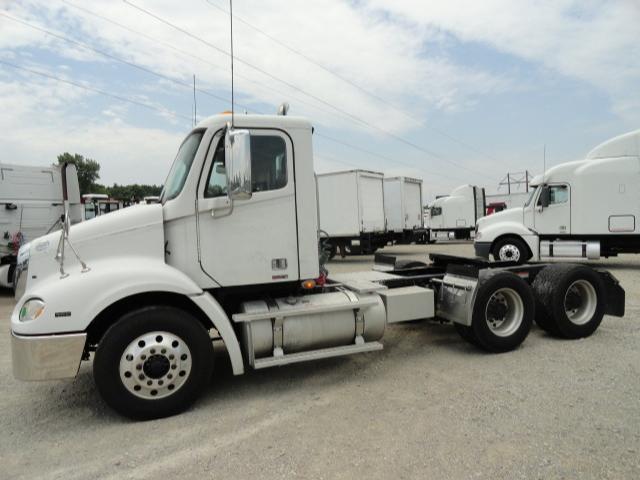
Showing 25 to 36 of 37 results
Have used 2009 truck to sell? List it here to reach thousands of buyers.
About Used 2009 Trucks
Aftertreatment health is the make or break item on 2009 semi trucks. Review DPF service history, ash loading and differential pressure data, and confirm a clean forced regen with stable exhaust temps. Inspect EGR valves and coolers for leakage, check charge air cooler integrity, and verify sensors and wiring are intact, heat soaked harnesses and cracked bungs drive nuisance faults. Pair axle ratios to your route, 3.36 to 3.55 for highway with multi speed transmissions, 3.73 and deeper for mixed or vocational work. On tractors, inspect the fifth wheel slide, lock jaws, air lines, and ABS, on vocational units, check double frame sections, crossmember spacing, and hoist pins for wear. Expect 6 to 7.5 mpg on aero highway specs at legal weights with healthy tires and aligned driveline.
Body integrity determines uptime. For 2009 box and reefer trucks, verify floor rating, look for hardwood or aluminum plank floors with 20,000 to 24,000 pound forklift capacity, tight scuff liners and logistics tracks, and no daylight at door seals. Thermal integrity on reefers depends on foam density and intact seams, inspect door gaskets, stainless hardware, and drain paths, and scan for moisture intrusion at roof bows and nose. For dumps and flatbeds, check deck thickness and wear plate hardness, crossmember spacing, main sill straightness, and corrosion at hinge and hoist mounts. For sleepers, evaluate HVAC performance, APU or bunk heater condition, and cab insulation, better thermal control reduces idle time and fuel burn.
Corrosion resistance and serviceability drive total cost of ownership. Frames with intact paint or galvanization, aluminum cabs and tanks, stainless fasteners, and sealed electrical connectors resist rust migration. Tire pressure monitoring or inflation systems preserve casings and fuel economy, air ride suspensions protect bodies and freight, and good brake and bushing condition keeps alignments true. Confirm local compliance, 2009 engines face restrictions in some CARB zones and ports unless repowered or retrofit, and verify any reefer TRU requirements. A clean ECM download, oil analysis, dyno or blow by test, and a thorough undercarriage inspection provide the best read on remaining life before you commit to a used 2009 truck for sale.
Frequently Asked Questions
What should I prioritize when inspecting a 2009 Class 8 tractor?
Start with the aftertreatment and cooling system, review DPF ash load and differential pressure, confirm successful forced regen, and inspect the EGR valve and cooler for leaks. Pressure test the charge air cooler, check turbo endplay and actuator function, and scan the ECM for inactive and active faults. Inspect the fifth wheel slide and locks, air and electrical lines, suspension bushings, brakes and drums or rotors, and look for frame rust under battery boxes and suspension hangers. Finish with a dyno or loaded road test and oil analysis for fuel dilution and metals.
Are 2009 trucks compliant in California and port drayage zones?
Many 2009 diesel engines are restricted by CARB Truck and Bus rules unless they have a 2010 or newer certified engine, an approved retrofit, or an exemption for specific duty. Ports and large fleets may have stricter timelines. Verify the engine family nameplate, any retrofit labels, and local requirements before purchase, and confirm TRU compliance separately if the unit has a reefer body.
How do 2009 EGR plus DPF trucks compare to 2010 plus SCR trucks?
A 2009 specification typically uses EGR and a DPF without DEF, it avoids DEF costs but usually runs hotter, carries higher soot loading in stop and go work, and tends to return slightly lower mpg. 2010 plus SCR engines use DEF to reduce NOx, which often improves fuel economy and lowers EGR rates, but adds a DEF system to maintain. With either system, documented maintenance and clean sensor data are more important than the label on the hood.
What tare weight and payload can I expect from 2009 box trucks and tractors?
Typical 6x4 day cab tractors run about 16,000 to 17,500 pounds, mid roof sleepers 17,500 to 19,500 pounds, lighter specs with aluminum wheels, single fuel tanks, and wide base tires can reduce several hundred pounds. A 26 foot Class 6 or 7 box truck commonly scales 14,000 to 16,500 pounds, leaving about 9,500 to 12,000 pounds of payload under a 26,000 pound GVWR, all figures vary with wheelbase, body, liftgates, and fuel.
How do I evaluate floor strength and thermal integrity on a 2009 reefer or dry box?
Check the manufacturer tag for floor rating and compare to your forklift axle loads, inspect for crushed boards or bent aluminum planks, loose fasteners, and damaged scuff liners. Examine door frames and seals for compression set, look for water trails and stains along roof seams and nose, and verify reefer insulation is intact by checking for soft spots and condensation. A straightedge across the floor and an infrared scan during a pretrip can quickly reveal hidden issues.