
Used 2005 Trucks For Sale
Buy used 2005 trucks with expert guidance on engines, emissions and specs. Compare 2005 semi trucks, day cabs, sleepers, box and dump models.
Learn more
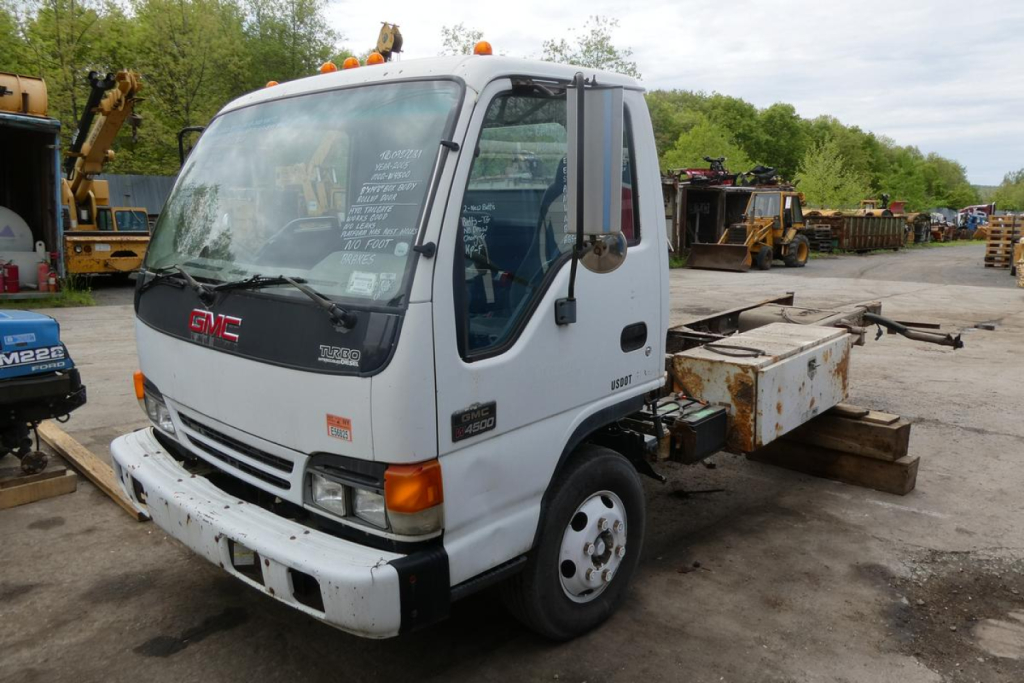
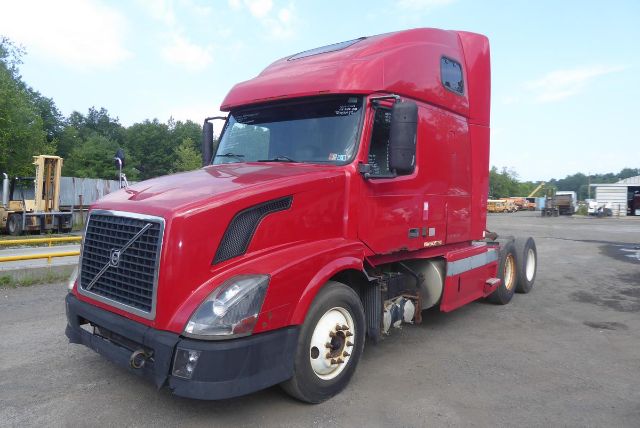
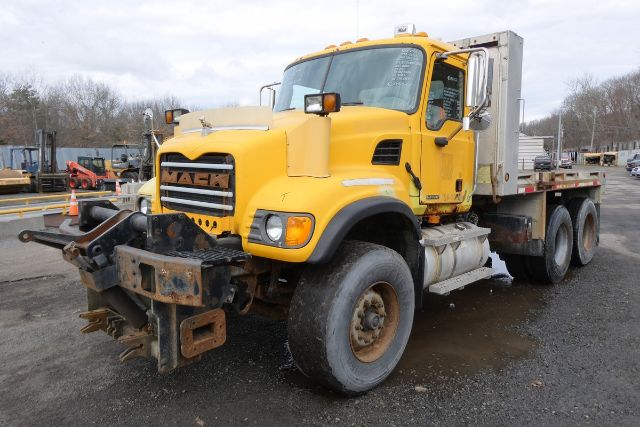
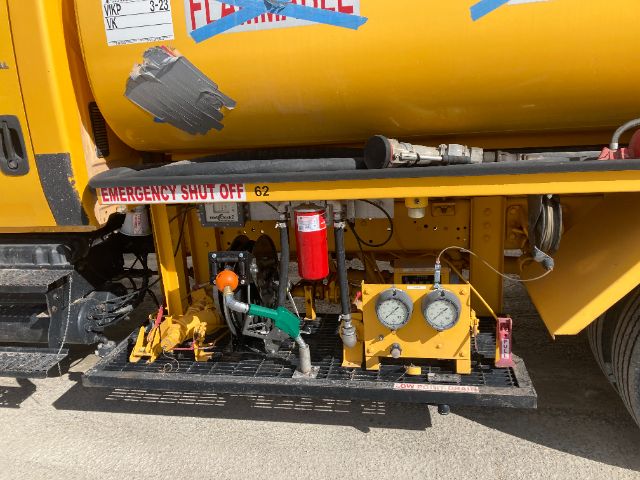

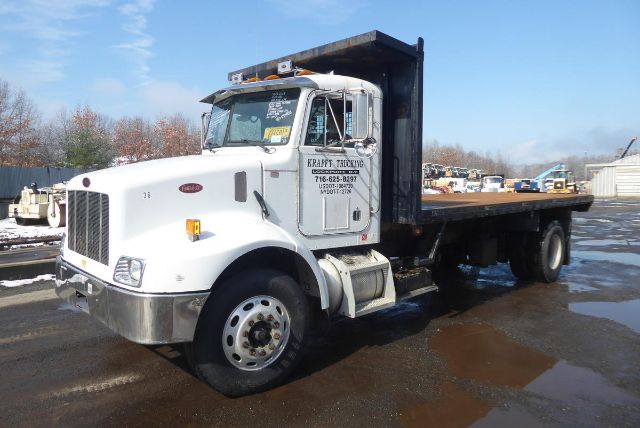
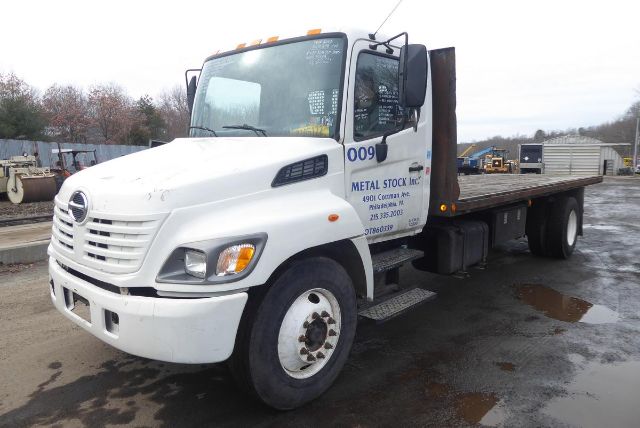
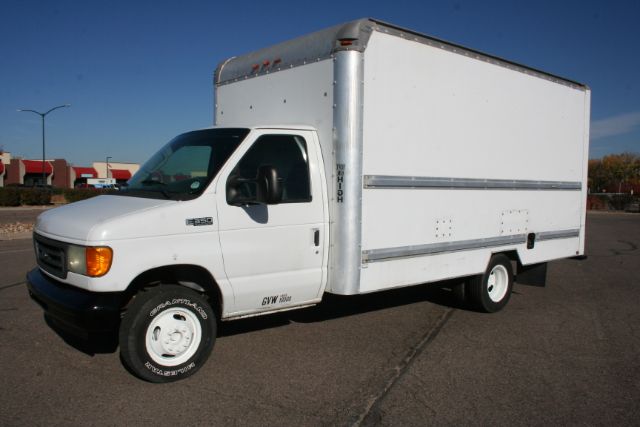
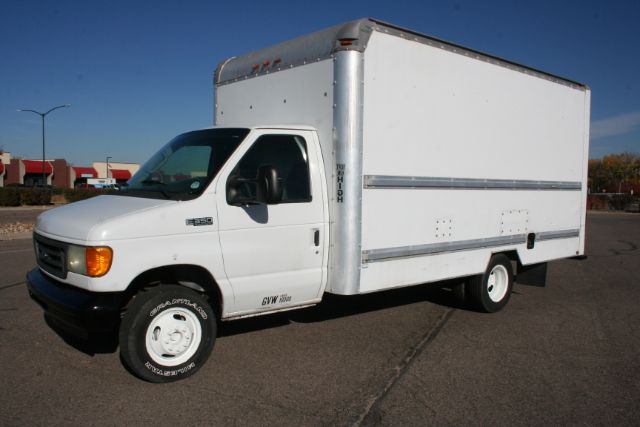
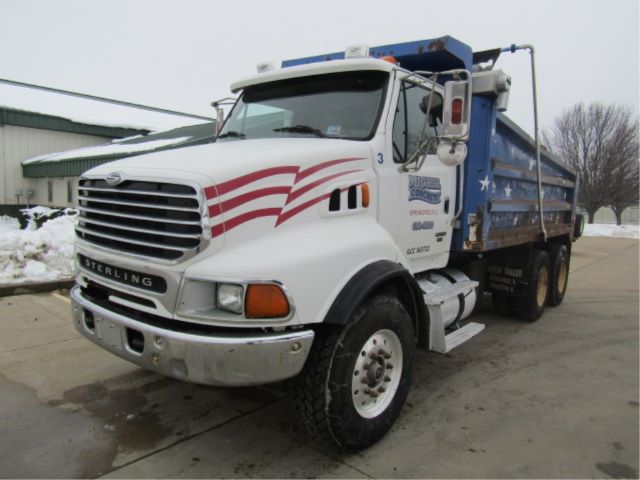

Showing 25 to 36 of 41 results
Have used 2005 truck to sell? List it here to reach thousands of buyers.
About Used 2005 Trucks
Driveline spec heavily influences performance. Fuller 10-speed and 13-speed manuals dominate 2005 listings, with early AutoShift and UltraShift automated manuals appearing in linehaul and regional specs. Rear axle ratios commonly range from 3.36 to 3.90 on 22.5 tires; taller gearing with a 13-speed suits mountain and heavy applications, while mid-3s with a 10-speed fit regional and mixed duty. Aerodynamic sleepers like Volvo VN and Freightliner Columbia/Century typically return better fuel economy than classic long-hoods such as Peterbilt 379 or Kenworth W900, which prioritize service access and traditional styling.
Medium-duty 2005 box trucks, reefers and service bodies often pair DT466, ISB/ISC or C7 engines with Allison 3000/3500 series automatics. GVWR commonly spans 19,500 to 33,000 lb. Many 24-26 ft dry vans are set at 25,999 lb to keep them non-CDL, while 33,000 lb builds deliver larger brakes and axles for durability. Vocational chassis like dumps and mixers may carry double-frame rails, full-locking differentials and PTO provisions. On reefers, confirm engine hours and emissions compliance for the TRU if you operate in CARB-regulated corridors.
Match the engine year to your operating lanes before committing. California and certain ports restrict pre-2010 diesel engines in most applications, and some programs require verified retrofits or a 2010-or-newer repower. ELD adoption is typically straightforward because 2005 engines provide ECM data, but verify connector type and device compatibility. In a prebuy, check blow-by, run oil analysis, pressure test the cooling system, inspect the charge air cooler and radiator, review clutch life or torque converter condition, measure brake linings and drums, look for frame rust near suspension hangers, and test sleeper HVAC and APU if equipped. Well-kept 2005 day cabs and sleepers typically deliver about 6.0-7.5 mpg depending on gearing, aerodynamics and duty cycle, with abundant parts support keeping costs predictable.
Frequently Asked Questions
Do 2005 trucks have DPFs or require DEF?
Most 2005 diesel trucks are EGR-only and do not have diesel particulate filters or SCR systems, so no DEF is required. You still need to maintain the EGR valve, cooler and VGT turbo. This simpler aftertreatment is a major draw for 2005 units compared with 2007+ models that added DPFs and later SCR.
Can I operate a 2005 semi truck in California?
California’s Truck and Bus Regulation has largely phased out pre-2010 diesel engines for most uses over 14,000 lb GVWR. Some niche exemptions exist, but many 2005 engines are not legal for routine operation without a compliant repower. Verify current CARB rules for your fleet size, duty cycle and route, and check any port or drayage restrictions before purchase.
What fuel economy should I expect from a 2005 Class 8 sleeper or day cab?
Most well-maintained 2005 highway tractors return about 6.0-7.5 mpg. Aerodynamic sleepers with 3.36-3.55 rears and a 13-speed or AMT can land at the high end on flat routes, while classic long-hoods, heavy specs, aggressive axle ratios or mountain work trend lower. Tire selection, alignment, and driver technique also have a measurable impact.
What engine issues are typical on 2005 diesels, and how should I vet them?
Common watch items include EGR cooler leakage, sticky EGR valves, VGT actuator faults, injector wear on HEUI systems (e.g., CAT C7), and charge air cooler leaks. Review maintenance records, pull an ECM report for fault history and idle/engine hours, run oil and coolant analysis, check blow-by with a manometer if possible, and perform a thorough road test under load.
Are 2005 trucks compatible with ELDs?
Yes. Engines from 2000 and newer generally provide ECM data required by ELDs. Most 2005 trucks support J1939 or J1708/1587. Confirm the datalink connector type, ensure the ELD hardware supports it, and verify clean power and ground to avoid intermittent connectivity.