
Used 2005 Sterling Trucks For Sale
Browse used 2005 Sterling trucks, including vocational and highway models, with specs on engines, GVWR, applications, and buyer checks.
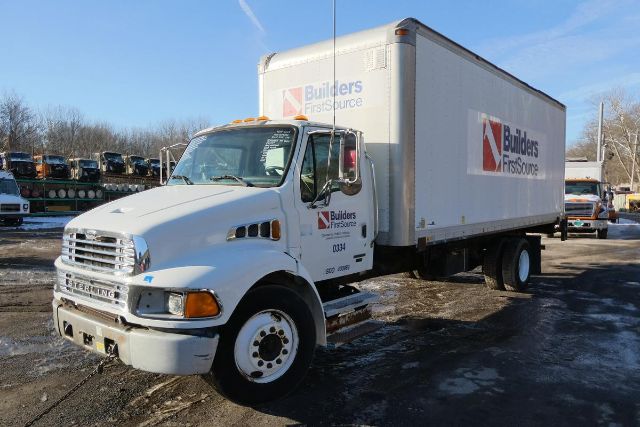
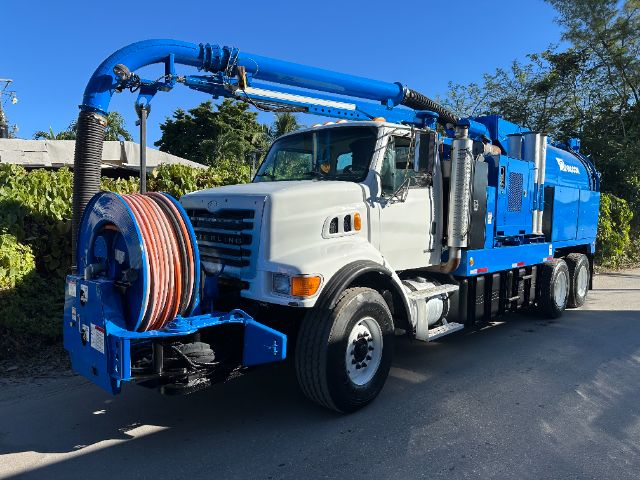
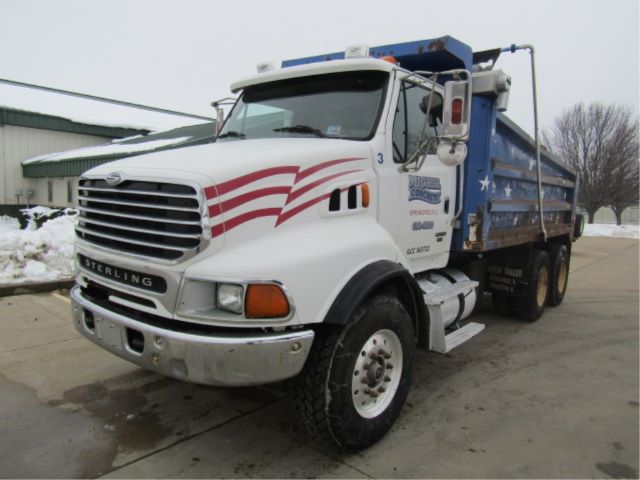

Selling a used 2005 sterling truck? List your used 2005 sterling truck for sale and reach thousands of commercial buyers.
Used 2005 Sterling Trucks
The first buying decision is usually chassis class and application. A 2005 Sterling truck set up for municipal sewer, jetter, vac-con, dump, or boom work should be evaluated as a complete system, not just as a cab and engine. On vocational units, buyers should look closely at PTO operation, hydraulic performance, body condition, corrosion around subframes and mounts, hose reel function, tank or debris body wear, and hour meter readings alongside mileage. Many 2005 Sterling vocational trucks were spec'd with Caterpillar or Cummins diesel engines and Allison automatic transmissions, especially in stop-and-go municipal service. On road tractors and day cabs, tandem axle setup, brake condition, suspension type, tire wear, and prior fleet maintenance history usually matter more than cosmetics.
Engine and drivetrain specs vary by model, but common combinations in 2005-era Sterling trucks include Caterpillar C7, C9, and Cummins medium-duty diesels paired with automatic or manual transmissions. GVWR can range from medium-duty local work truck ratings up into heavy vocational territory depending on axle capacity, suspension, and body equipment. Buyers comparing listings should confirm wheelbase, front axle rating, rear axle ratio, transmission model, brake type, and whether the truck was ordered for municipal duty, construction, refuse-related work, or regional hauling. Ex-municipal Sterlings can be attractive because many were maintained on schedule, but idle hours, PTO hours, rust exposure, and body wear often tell the real story.
Sterling trucks from this period are typically valued for function over flash. Cab ergonomics are simple, visibility is good, and many units were built to accept specialized upfits that still hold value today. For a 2005 used Sterling, the best buy is usually the one with the clearest service history, the right vocational spec, and the least deferred maintenance in the chassis and equipment package. A careful inspection should include frame condition, spring hangers, steering play, air system leaks, injector or turbo issues where applicable, cooling system service, and evidence of hard PTO or off-road use. On older work trucks, the condition of the attached equipment often drives the true replacement cost more than the badge on the hood.
Frequently Asked Questions about Used 2005 Sterling Trucks
What are the most common applications for a used 2005 Sterling truck?
A used 2005 Sterling truck is often found in vocational service such as vacuum truck, jetter, dump, boom, utility, municipal maintenance, and regional day cab work. Sterling was widely used by municipalities, contractors, and commercial fleets because the chassis could be ordered for specialized bodies and PTO-driven equipment. Buyers should focus on the truck's actual job history, since a sewer vac truck, a tandem dump, and a highway tractor can have very different wear patterns even if they share the same model year and make.
What engines are commonly found in 2005 Sterling trucks?
Common engines in 2005 Sterling trucks include Caterpillar medium-duty diesels such as the C7 and C9, along with Cummins engines in certain configurations. The exact engine depends on the model and the original application. Medium-duty vocational trucks often carry automatic transmissions for stop-and-go work, while some road and utility applications may have manual gearboxes. Buyers should verify engine model, horsepower rating, emissions equipment, and maintenance records because those details affect both operating cost and resale value.
Is a 2005 Sterling truck a good choice for municipal or vocational work?
A 2005 Sterling can be a strong fit for municipal or vocational use if the chassis and body equipment have been maintained correctly. Many of these trucks were built for severe-duty cycles and were spec'd with practical drivetrains, hydraulic systems, and body packages. The key is to inspect the entire unit as a working machine. On a vacuum, dump, or boom truck, body condition, PTO engagement, hydraulic response, corrosion, and equipment hours can be just as important as engine mileage.
What should I inspect first on a used 2005 Sterling vocational truck?
Start with the frame, suspension, drivetrain, and any attached vocational equipment. Check for rust, frame repairs, leaking hydraulics, worn bushings, steering looseness, brake wear, and air leaks. Then evaluate the body or upfit, including tanks, debris bodies, hoists, hose reels, boom structure, controls, and PTO operation. On older Sterling trucks, deferred maintenance in the equipment package can quickly outweigh the value of an otherwise sound chassis.
Are parts and service still practical for 2005 Sterling trucks?
Parts support is still manageable for many 2005 Sterling trucks because numerous chassis components overlap with Freightliner-sourced platforms and widely used drivetrain suppliers such as Caterpillar, Cummins, and Allison. Availability depends on the exact model and application, especially for cab trim and certain legacy Sterling-specific pieces. In most cases, buyers are better off focusing on condition, component make, and service accessibility rather than ruling out the truck solely because of the Sterling nameplate.